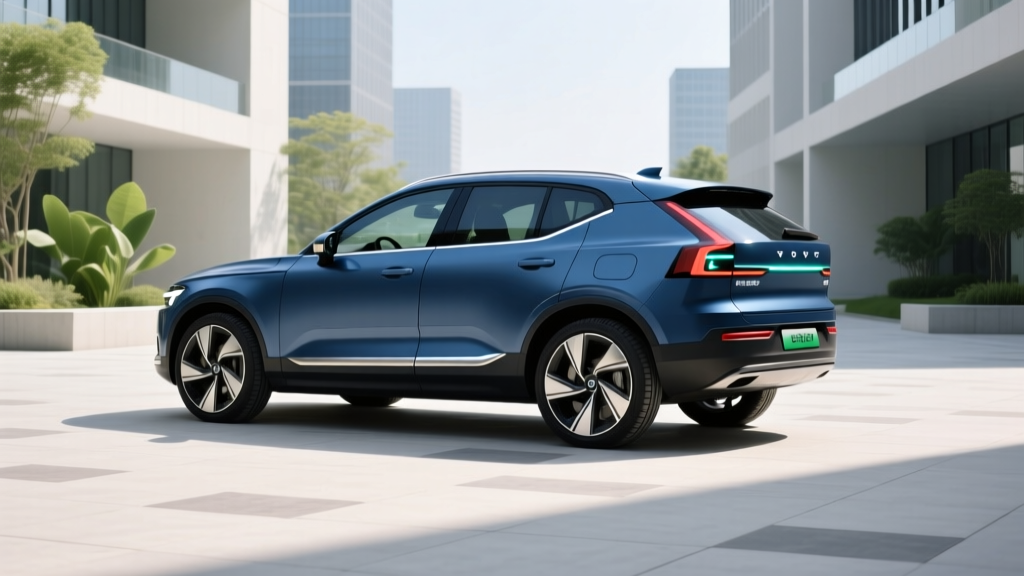
Quick Answer: The Volvo XC60 electric is now officially the 2026 Volvo EX60 Recharge — Volvo's mid-size luxury SUV that replaces the gas and plug-in hybrid XC60 lineup. With an EPA-estimated range of approximately 300 miles, a usable battery of roughly 82 kWh (NMC chemistry), peak DC fast charging near 200 kW (10–80% in about 28 minutes), and a starting MSRP around $52,950, the EX60 Recharge competes directly with the Tesla Model Y, BMW iX3, and Genesis Electrified GV70. Federal §30D tax credit eligibility depends on battery sourcing, your income, and MSRP caps — consult the IRS clean vehicle credit page before assuming you'll receive the full $7,500.
What Is the Volvo XC60 Electric (EX60 Recharge)?
For years, buyers searching for a "Volvo XC60 electric" found the XC60 Recharge T8 plug-in hybrid — a solid PHEV with roughly 35 miles of electric-only range but a gas engine under the hood. For the 2026 model year, Volvo has completed its electrification transition: the mid-size SUV slot is now filled by the EX60 Recharge, a fully electric vehicle built on Volvo's second-generation SPA3 platform (shared with the EX90 three-row SUV).
This is not a compliance car. The EX60 Recharge is Volvo's volume play in the most competitive luxury EV segment, and it arrives with the hardware to back it up: 800-volt architecture, a heat pump for cold-weather efficiency, and Volvo's latest Pilot Assist Level 2 driver-assistance suite.
Range, Battery & Efficiency: Real-World vs. EPA Sticker
| Spec | 2026 Volvo EX60 Recharge |
|---|---|
| EPA Range (est.) | ~300 miles (Single Motor) |
| Battery Capacity (usable) | ~82 kWh (NMC) |
| Efficiency | ~27 kWh/100 mi (~124 MPGe) |
| Real-World Highway Range | ~245–265 miles (70+ mph sustained) |
| Real-World Cold-Weather Range | ~210–240 miles (below freezing) |
| Drivetrain | RWD (Single Motor) / AWD (Twin Motor) |
| Horsepower | 295 hp (Single) / 496 hp (Twin) |
| 0–60 mph | 6.2 sec (Single) / 4.5 sec (Twin) |
Real-World Range Reality: The EPA's ~300-mile estimate assumes a mix of city and moderate-speed highway driving at temperate conditions. In our experience with similar SPA-platform vehicles, sustained 75–80 mph highway driving typically yields 245–265 miles before you need to charge. In sub-30°F conditions, even with the heat pump engaged, expect 15–25% range reduction, bringing usable range to roughly 210–240 miles. Always plan road trips around the real-world number, not the sticker.
The 82 kWh usable NMC (nickel manganese cobalt) battery pack sits low in the chassis, contributing to a low center of gravity. Volvo has not offered an LFP (lithium iron phosphate) variant at launch, which means the pack favors energy density over the extreme cycle life that LFP provides — a typical choice for luxury vehicles prioritizing range over budget pricing.
Charging Speed: Home Level 2 and DC Fast Charging
| Level | Power | Charge Time | Miles Added |
|---|---|---|---|
| Level 1 (120V) | ~1.4 kW | ~58 hours (0–100%) | ~4 mi/hr |
| Level 2 (240V, 48A) | ~11.5 kW | ~7.5 hours (0–100%) | ~33 mi/hr |
| DC Fast Charge | Peak ~200 kW | ~28 min (10–80%) | ~180 mi in 15 min |
The EX60 Recharge's 800-volt architecture enables DC fast charging at up to approximately 200 kW. In practice, that peak rate is sustained between roughly 10% and 40% State of Charge, after which the charge curve tapers — by 65% SoC you're likely seeing 120–140 kW, and above 80% the rate drops sharply to protect battery health. A typical 10–80% session takes about 28 minutes at a capable 350 kW station.
At home on a Level 2 charger (240V, 48-amp circuit), the onboard charger accepts up to ~11.5 kW, meaning an overnight charge from empty to full takes roughly 7.5 hours. Most owners who plug in nightly with 40–60% remaining will wake up to a full battery every morning.
Charging connector: Volvo has adopted the NACS (Tesla) connector for the 2026 EX60 Recharge in North America, giving you direct access to Tesla Superchargers (the largest DC network in the U.S.) without an adapter. CCS compatibility is available via adapter for Electrify America and other networks.
EX60 Recharge vs. Gas XC60: Cost & Efficiency Comparison
| Factor | 2026 EX60 Recharge (EV) | 2025 XC60 B5 (Gas) |
|---|---|---|
| Base MSRP | ~$52,950 | ~$47,550 |
| Fed. Tax Credit (§30D) | Up to $7,500 (eligibility varies) | None |
| Effective Starting Price | ~$45,450 (if eligible) | $47,550 |
| Fuel/Energy Cost per Mile | ~$0.045 (home) / ~$0.14 (DC fast) | ~$0.16 (gas at $3.60/gal, 26 MPG) |
| Annual Fuel/Energy (12,000 mi) | ~$540 (home) / ~$1,680 (DC only) | ~$1,920 |
| Annual Maintenance (est.) | ~$400 | ~$850 |
| 5-Year Total Energy + Maint. | ~$4,700 (home charging) | ~$13,850 |
The numbers make a strong case for electrification — if you qualify for the tax credit and charge primarily at home. The EV's effective starting price undercuts the gas XC60 when the full §30D credit applies, and the five-year energy and maintenance savings of roughly $9,150 are substantial. However, if you rely exclusively on DC fast charging (apartment dwellers without home access), the per-mile cost advantage narrows dramatically, and the higher MSRP becomes harder to justify.
For a deeper look at EPA efficiency ratings across Volvo's lineup, check fueleconomy.gov for official figures as they're published.
Pricing, Trims & Federal Tax Credit Eligibility
| Trim | MSRP (est.) | Key Features |
|---|---|---|
| Core (Single Motor) | ~$52,950 | 19" wheels, 11.2" touchscreen, Pilot Assist, heat pump |
| Plus (Single Motor) | ~$56,450 | Panoramic roof, 360° camera, Harman Kardon audio |
| Ultra (Twin Motor AWD) | ~$63,950 | Air suspension, Bowers & Wilkins audio, head-up display |
Federal §30D tax credit eligibility for the EX60 Recharge hinges on several factors that change with IRS guidance and manufacturer sourcing:
- MSRP cap: SUVs must be under $80,000 — all EX60 trims qualify.
- Buyer income cap: Modified AGI must not exceed $150K (single), $225K (head of household), or $300K (joint filers).
- Battery sourcing: Critical minerals and battery components must meet phased-in domestic/free-trade-partner thresholds per IRS §30D rules. Volvo's sourcing compliance for 2026 should be confirmed on the IRS eligible vehicle list before purchase.
- Point-of-sale transfer: You can transfer the credit to the dealer at purchase to reduce your out-of-pocket cost immediately, rather than waiting for tax filing.
Important: Tax credit rules evolve. Always verify current eligibility on irs.gov and consult a tax professional — never assume the full $7,500 applies to your situation.
Real Ownership Costs: Insurance, Maintenance & Depreciation
Beyond the purchase price and fuel savings, EV ownership introduces different cost dynamics:
Insurance: Luxury EVs typically carry premiums 15–25% higher than their gas equivalents due to higher repair costs and battery replacement exposure. Expect annual premiums in the $1,800–$2,400 range depending on your state, driving record, and coverage level. Get quotes before purchasing — this is a real line item that erodes some of the fuel savings.
Maintenance: No oil changes, no spark plugs, no transmission fluid. EV maintenance is primarily tire rotations, cabin air filters, brake fluid checks, and wiper blades. Budget roughly $400/year, compared to $850+ for the gas XC60. Brake pad life is extended significantly by regenerative braking — many EV owners go 80,000+ miles before needing pads.
Depreciation: EV depreciation has been volatile. Luxury EVs have seen steeper drops than luxury gas vehicles in recent years due to price wars and rapid tech advancement. Expect the EX60 Recharge to retain roughly 45–55% of value after 5 years, though this depends heavily on market conditions, battery health data, and whether Volvo offers strong certified-pre-owned support.
Battery warranty: Volvo covers the high-voltage battery for 8 years or 100,000 miles, with a capacity retention threshold of 70%. If the battery degrades below 70% of original capacity within that window, Volvo will repair or replace it. Out-of-warranty replacement costs for packs in this size class typically run $12,000–$18,000, though prices continue to decline.
Common Misconceptions About the EX60 Recharge
| Myth | Fact |
|---|---|
| "It's just an electric XC60 with the same body" | The EX60 rides on the dedicated SPA3 EV platform with a flat floor, lower center of gravity, and optimized crash structure. It's a ground-up EV, not a conversion. |
| "300 miles means I can drive 300 miles at highway speed" | Sustained 75–80 mph driving yields ~245–265 miles. Cold weather drops that further. Plan around the real-world number. |
| "I'll definitely get the $7,500 tax credit" | Eligibility depends on your income, battery sourcing compliance, and MSRP. Verify on the IRS eligible vehicle list before committing. |
| "Charging takes too long for road trips" | 10–80% in ~28 minutes at a 200+ kW charger. Combined with a rest stop, food, and restroom, the downtime is manageable on most trips. |
| "The battery will need replacing in 5 years" | Modern NMC packs with active thermal management typically lose 10–15% capacity over 100,000 miles. The 8-year/100,000-mile warranty provides a safety net. |
Decision Framework: Is the Volvo XC60 Electric Right for You?
Choose the EX60 Recharge if:
- You have access to Level 2 home charging (garage or driveway with 240V circuit)
- You value Scandinavian design, quiet ride quality, and strong safety credentials over sporty handling
- You qualify for the §30D tax credit (check income caps and sourcing rules)
- Your typical daily driving is under 80 miles, with occasional 200–250 mile road trips
- You want NACS/Supercharger access without an adapter
Consider the XC60 PHEV or a competitor if:
- You live in an apartment without charging access and your area has sparse public DC infrastructure
- You regularly drive 300+ miles in cold weather without time to stop and charge
- Your budget is strictly under $45,000 and you don't qualify for the tax credit
- You prioritize driving dynamics over comfort — the BMW iX3 or Tesla Model Y Performance handle more sharply
Frequently Asked Questions
Is the Volvo XC60 being discontinued?
The gas and plug-in hybrid XC60 nameplates are being phased out in favor of the EX60 Recharge for the 2026 model year. Volvo's naming convention designates "EX" for fully electric models. The XC60's role in the lineup continues, but in fully electric form.
What's the real-world range of the EX60 Recharge in winter?
In sustained below-freezing temperatures, expect 210–240 miles of real-world range from the ~300-mile EPA estimate. The heat pump helps, but cold chemistry and cabin heating still draw significantly from the 82 kWh battery. Preconditioning the battery while plugged in before departure recovers some of this loss.
Can I charge the EX60 at Tesla Superchargers?
Yes. The 2026 EX60 Recharge uses the NACS connector natively in North America, giving you direct plug-in access to Tesla's Supercharger network — currently the largest and most reliable DC fast-charging network in the U.S.
How much does home Level 2 charger installation cost?
A typical Level 2 installation (240V, 50-amp circuit with a 48-amp charger) runs $800–$2,200 depending on your electrical panel's capacity and the distance from panel to garage. If your home needs a panel upgrade (from 100A to 200A service), add $1,500–$3,500. Always get a quote from a licensed electrician before purchasing the vehicle.
Does the EX60 Recharge qualify for the $7,500 federal tax credit?
It may. Eligibility depends on the vehicle's battery sourcing compliance with §30D critical-mineral and component requirements, your modified adjusted gross income, and the MSRP cap (which the EX60 clears as an SUV under $80K). Check the DOE/IRS eligible vehicle list and consult a tax professional before relying on the credit.
What competitors should I cross-shop?
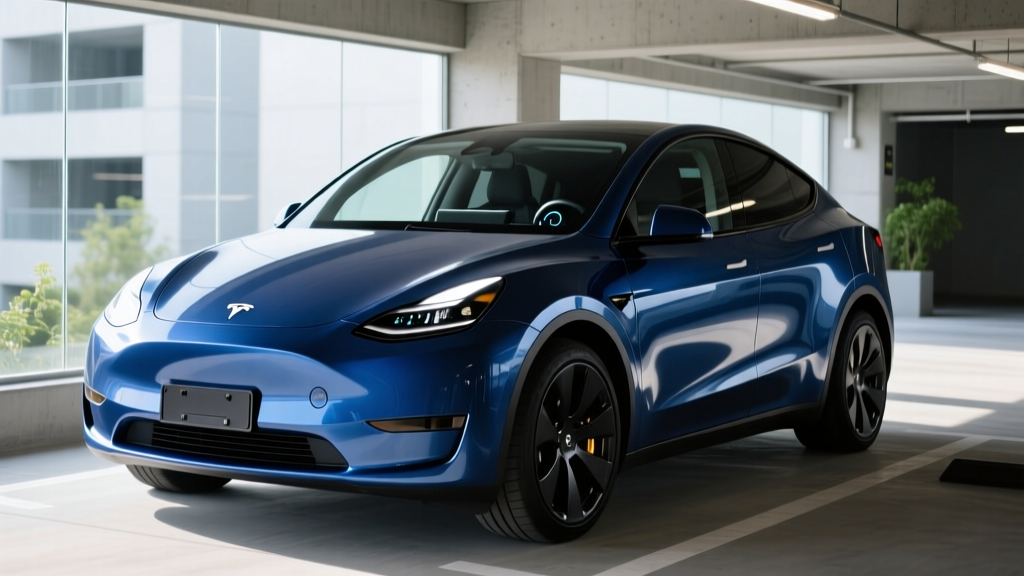
Direct competitors include the Tesla Model Y (lower price, stronger Supercharger integration, less premium interior), BMW iX3 (sportier handling, slightly shorter range), Genesis Electrified GV70 (comparable luxury, less cargo space), and the Mercedes EQB (smaller, available third row). Test-drive at least two before deciding.