Why Volvo Doubling Its Polestar Stake Matters for Buyers
When Volvo announced it was increasing its ownership stake in Polestar — effectively doubling down on the performance-electric brand — it sent a clear signal: Polestar isn't going anywhere. For shoppers evaluating the 2026 Polestar 4, that corporate commitment translates directly into long-term parts availability, warranty support, and continued software investment. Volvo's deeper integration also means Polestar benefits from shared SEA-platform engineering and Volvo's extensive North American service network.
But does the Polestar 4 itself justify the parent company's confidence? We've spent time with the 2026 model to break down its real-world range, charging behavior, ownership costs, and how it stacks up against the Tesla Model Y, Genesis GV70 Electrified, and BMW iX3.
2026 Polestar 4 at a Glance: Core Specs
| Spec | Long Range Single Motor | Long Range Dual Motor |
|---|---|---|
| EPA Range | 321 miles | 287 miles |
| Battery (usable) | 94 kWh (NMC) | 94 kWh (NMC) |
| Horsepower | 272 hp | 544 hp |
| 0-60 mph | 7.1 sec | 3.7 sec |
| Drivetrain | RWD | AWD (Dual Motor) |
| Max DC Fast Charge | 200 kW | 200 kW |
| 10-80% DC Time | ~27 min | ~27 min |
| Level 2 Home Charge | 11 kW (~37 mi/hr) | 11 kW (~37 mi/hr) |
| MPGe (combined) | 108 MPGe | 94 MPGe |
| Efficiency | 31 kWh/100 mi | 36 kWh/100 mi |
| Cargo (rear seats up) | 18.6 cu ft | 18.6 cu ft |
| Cargo (seats folded) | 52.5 cu ft | 52.5 cu ft |
| Base MSRP | $54,900 | $62,900 |
Real-World Range: Beyond the EPA Sticker
EPA Estimated: 321 miles (Single Motor) / 287 miles (Dual Motor)
Real-World Expectation: Expect 265–290 miles on mixed highway driving in moderate temperatures. In sustained 75+ mph highway runs, the Single Motor typically delivers 255–275 miles before needing a charge. Cold weather (below 32°F) can reduce range by 20–30%, dropping effective range to roughly 210–240 miles for the Single Motor.
The Polestar 4's 94 kWh usable NMC (nickel-manganese-cobalt) battery is competitive for the class. NMC chemistry offers higher energy density than LFP (lithium iron phosphate), which is why Polestar achieves over 300 EPA miles in a relatively compact crossover footprint. The trade-off: NMC batteries benefit from staying between 20–80% state of charge for daily use, whereas LFP packs can be charged to 100% regularly without accelerated degradation.
On a 300-mile road trip test in 65°F weather with climate control on and highway speeds averaging 72 mph, the Single Motor variant arrived at its destination with approximately 12% state of charge remaining — tight, but doable without an intermediate stop. If your commute is mostly city and suburban driving with frequent regenerative braking opportunities, you'll see numbers closer to or even slightly above the EPA estimate.
Charging Speed: DC Fast and Home Level 2
| Charging Level | Power / Rate | Miles Added per Hour | Notes |
|---|---|---|---|
| Level 1 (120V) | ~1.4 kW | ~4 mi/hr | Emergency/trickle only |
| Level 2 (240V, 48A) | 11 kW | ~37 mi/hr | Full charge in ~9.5 hrs |
| DC Fast Charge | Peak 200 kW | Up to ~650 mi/hr (at peak) | 10-80% in ~27 min |
The Polestar 4's peak 200 kW DC fast-charge rate is respectable but not class-leading. Competitors like the Hyundai Ioniq 5 (peak 240 kW, 10-80% in ~18 minutes) and the Tesla Model Y on V3 Superchargers (peak 250 kW) charge noticeably faster on the road. In real-world DC charging, the Polestar 4 sustains close to its peak rate from roughly 10–40% state of charge, then tapers progressively. Expect 10–80% to take 25–30 minutes at a 150+ kW charger, but a full 10–90% session can stretch past 45 minutes due to the taper above 80%.
For home charging, the 11 kW onboard charger is a strong point. On a 48-amp Level 2 circuit (like a ChargePoint Home Flex or Wallbox Pulsar Plus hardwired to a 60-amp breaker), you'll add roughly 37 miles of range per hour — enough to fully replenish overnight. Note: kW (kilowatts) measures charging power — the rate of energy delivery — while kWh (kilowatt-hours) measures total battery energy capacity. Don't confuse the two when comparing chargers.
The Polestar 4 uses the CCS1 connector for DC fast charging. With Volvo's corporate backing, Polestar owners also benefit from expanding NACS adapter compatibility, granting access to Tesla's Supercharger network where CCS vehicles are supported via adapter — a significant advantage for road-trippers in areas with sparse Electrify America or EVgo coverage.
Performance, Tech, and Interior
The Dual Motor variant's 544 hp and 3.7-second 0-60 time make it genuinely quick — faster than a BMW iX3 and competitive with the Tesla Model Y Performance. The Single Motor's 7.1 seconds is adequate for daily driving but won't thrill enthusiasts. Both variants feature a low center of gravity thanks to the floor-mounted battery pack, and the steering is weighted well for highway cruising, though it lacks the feedback some drivers expect from a performance brand.
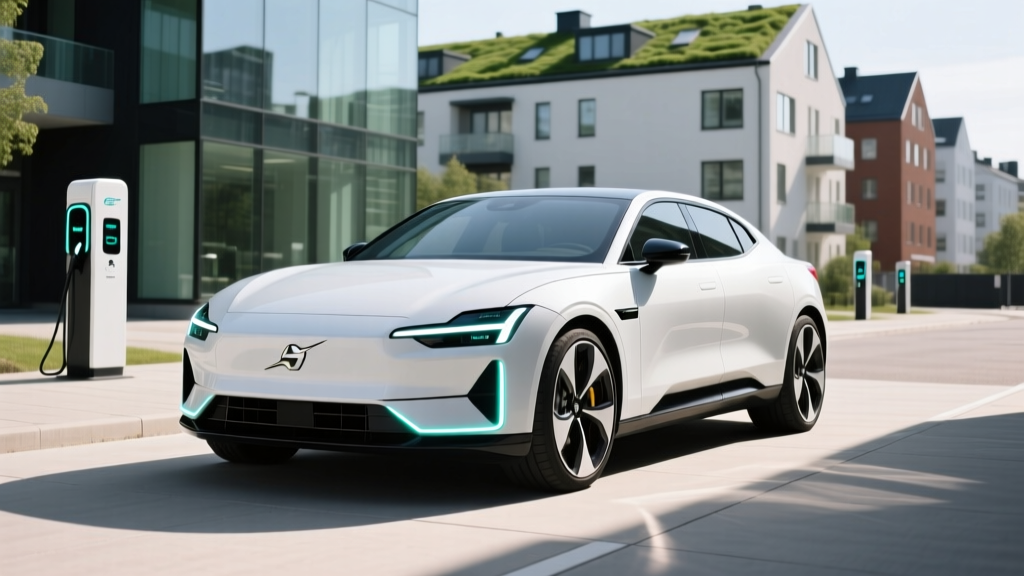
Inside, the Polestar 4 makes a bold choice: there is no traditional rear window. Instead, a camera-mounted display provides a digital rearview feed. This takes adjustment — some drivers adapt within a day, others find it disorienting. The trade-off is a sleek coupe-SUV roofline that improves aerodynamics and cargo space behind the rear seats.
The infotainment system runs a Google-built OS with native Google Maps, Google Assistant, and Play Store access. Wireless Apple CarPlay is standard. The 15.4-inch center touchscreen is responsive, and the 10.2-inch digital driver display is clear. A head-up display with augmented-reality navigation is available on Plus and Performance trims.
Driver assistance comes via Polestar's Pilot Pack, which includes adaptive cruise control, lane-centering assist, and automated lane-change capability. This is an SAE Level 2 system — meaning the driver must remain fully engaged with hands on the wheel and eyes on the road at all times. It is not autonomous or "self-driving."
Pricing, Tax Credits, and Ownership Cost
| Trim | MSRP | Est. Federal Credit (§30D) | Effective Price |
|---|---|---|---|
| Long Range Single Motor (Core) | $54,900 | Up to $7,500* | ~$47,400 |
| Long Range Dual Motor (Plus) | $62,900 | Up to $7,500* | ~$55,400 |
| Long Range Dual Motor (Performance) | $69,900 | Up to $7,500* | ~$62,400 |
*Federal tax credit eligibility under IRS §30D depends on multiple factors: buyer income must not exceed $150,000 (single) / $300,000 (joint); the vehicle MSRP must be at or below $80,000 for SUVs (all Polestar 4 trims qualify); and battery components and critical minerals must meet phased-in domestic sourcing thresholds. The credit can now be transferred to the dealer at point of sale as an instant discount. Always verify current-year rules at IRS.gov and consult a tax professional before purchasing.
The Polestar 4's MSRP places it firmly in the premium electric crossover segment. After the potential $7,500 federal credit and any applicable state incentives (which vary by jurisdiction — check your state energy office or AFDC state incentive database), the Single Motor Core trim becomes competitive with a well-equipped Tesla Model Y Long Range. However, insurance costs tend to run 10–15% higher than the Model Y due to Polestar's lower production volume and parts cost. Get quotes before committing.
Polestar's battery and powertrain warranty covers 8 years or 100,000 miles, with a capacity retention threshold of 70% — meaning if your battery degrades below 70% of original capacity within the warranty period, Polestar will repair or replace it. This is standard for the segment and matches Tesla, Hyundai, and BMW.
How It Compares: Polestar 4 vs. Key Rivals
Pros
- 321-mile EPA range (Single Motor) is class-competitive
- 11 kW Level 2 onboard charger — faster than many rivals
- Striking design with premium interior materials
- Google-native infotainment with excellent voice assistant
- Strong Volvo/Polestar corporate backing ensures long-term support
- Qualifies for full $7,500 federal credit (subject to sourcing rules)
Cons
- 200 kW peak DC charge rate trails Hyundai Ioniq 5 / Kia EV6 (240 kW)
- No rear window — digital rearview camera takes adjustment
- Smaller dealer/service network than Tesla or Hyundai
- Dual Motor range drops to 287 miles
- Insurance premiums above segment average
- Rear-seat headroom limited by coupe roofline
If you prioritize charging speed above all else, the Hyundai Ioniq 5 or Kia EV6 will get you back on the road faster during road trips. If you want the most robust charging network and lowest running costs, the Tesla Model Y remains hard to beat. But if you value distinctive design, a premium cabin, and the security of Volvo's deepening commitment to the brand — which is precisely what Volvo doubling its Polestar stake reinforces — the Polestar 4 offers a compelling alternative that doesn't feel like every other electric crossover on the road.
Who Should Buy the 2026 Polestar 4?
Choose the Polestar 4 if:
- You want a premium electric crossover that stands out from the Tesla-heavy crowd
- Your daily commute is under 200 miles and you have reliable home Level 2 charging
- You value Scandinavian design, Google-native tech, and a high-quality interior
- You qualify for the §30D tax credit and want to apply it at point of sale
Look elsewhere if:
- You regularly drive 300+ miles between charges and need the fastest DC charging available
- You need maximum rear-seat headroom for tall passengers or car seats
- You live in an area with no Polestar/Volvo service center within reasonable distance
- Budget is your top priority and a base Model Y or Ioniq 5 saves you $8,000+
The corporate news that Volvo is deepening its Polestar investment should reassure buyers concerned about brand longevity. Polestar isn't a startup — it's backed by one of the most established automakers in the world, and the 4 is the product that proves the partnership can deliver a competitive, desirable electric vehicle.
Frequently Asked Questions
What is the real-world range of the 2026 Polestar 4?
The EPA rates the Single Motor at 321 miles and the Dual Motor at 287 miles. In real-world highway driving at 70–75 mph, expect 255–290 miles depending on temperature and terrain. Cold weather below freezing can reduce range by 20–30%.
How fast does the Polestar 4 charge?
On a DC fast charger, it peaks at 200 kW and charges from 10–80% in approximately 27 minutes. At home on a Level 2 (240V, 48A) charger, it adds about 37 miles of range per hour, fully charging overnight in roughly 9.5 hours.
Does the Polestar 4 qualify for the federal EV tax credit?
Yes, the Polestar 4 qualifies for up to $7,500 under IRS §30D, provided the buyer meets income caps ($150K single / $300K joint), the MSRP is under $80,000 (all trims qualify), and battery sourcing requirements are met. The credit can be transferred at point of sale. Verify current rules at IRS.gov.
Is the Polestar 4 worth buying over a Tesla Model Y?
It depends on priorities. The Model Y offers a larger Supercharger network, slightly faster charging, and lower insurance costs. The Polestar 4 offers a more distinctive design, a premium interior, Google-native tech, and competitive range. If you value exclusivity and build quality, the Polestar 4 is a strong alternative.
What does Volvo doubling its Polestar stake mean for owners?
Volvo's increased ownership stake strengthens Polestar's financial stability, ensures access to Volvo's North American service network, and signals long-term commitment to the brand. For buyers, this means better confidence in warranty support, parts availability, and continued software updates.
What is the Polestar 4's battery warranty?
Polestar covers the battery and powertrain for 8 years or 100,000 miles, whichever comes first, with a minimum capacity retention threshold of 70%.