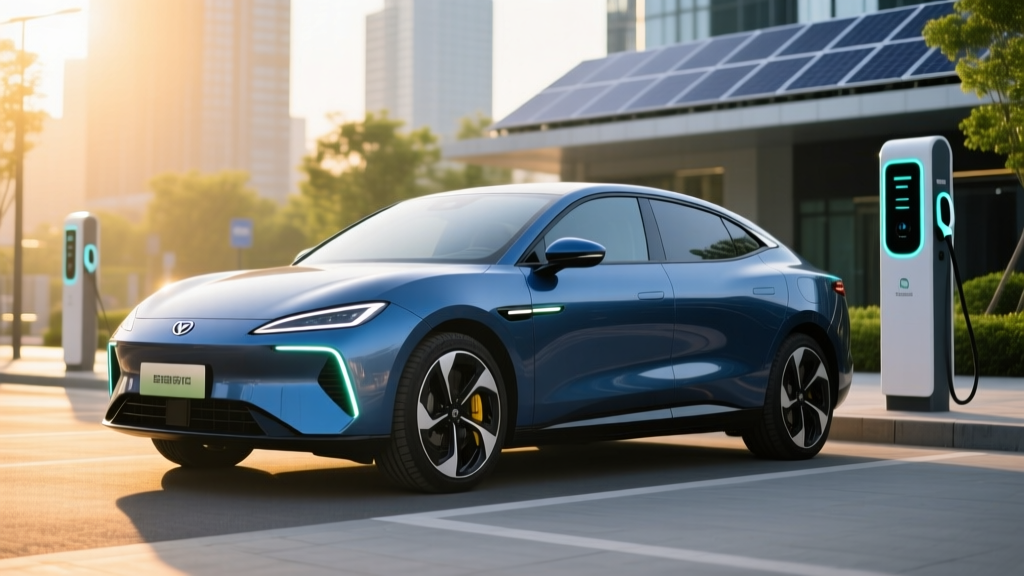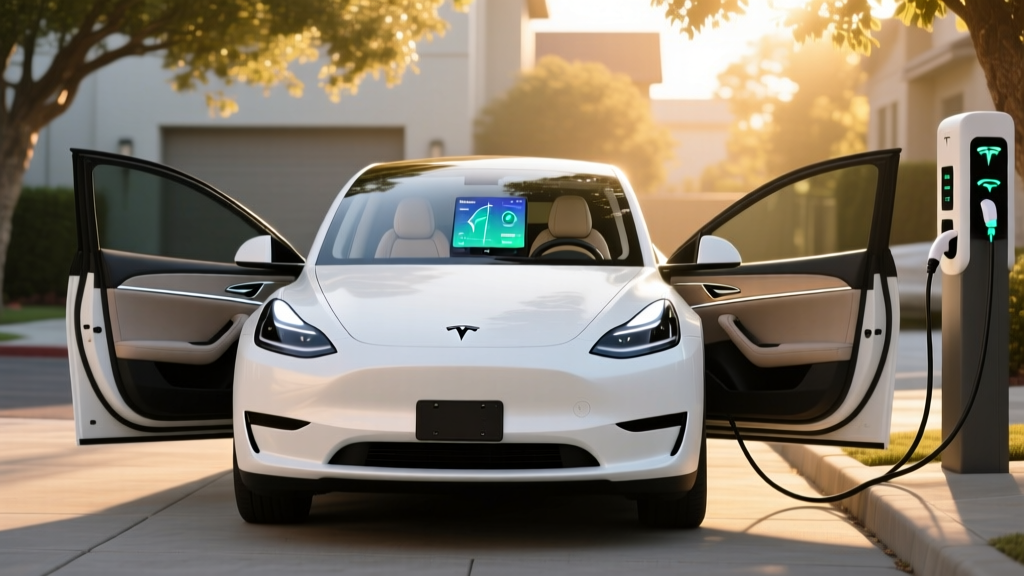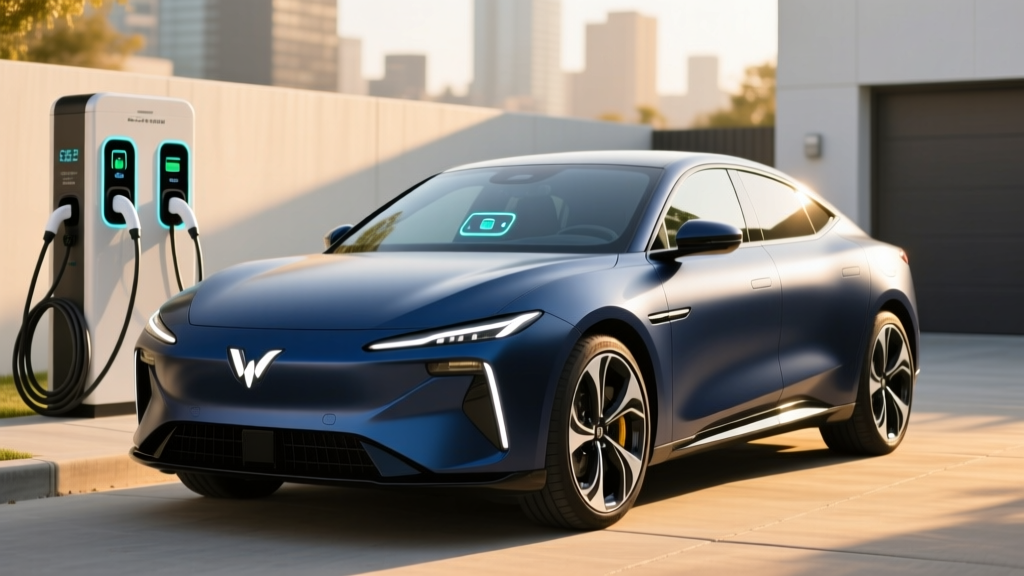
The compact electric SUV segment is crowded, but the VinFast VF6 arrives with a proposition that demands attention: an LFP battery, competitive range, and aggressive pricing from a brand still building its reputation in the US market. After spending time with the VF6's specs, charging behavior, and ownership economics, here's what prospective buyers actually need to know before signing on the dotted line.
VinFast, the Vietnamese automaker backed by Vingroup, has faced intense scrutiny since entering the US with the VF8. The VF6 — positioned as a more affordable compact crossover — represents the company's bid for volume. But does it deliver where it counts for daily drivers? Let's break down every number that matters.
VinFast VF6 Core Specifications at a Glance
| Specification | Eco (Base) | Plus (Premium) |
|---|---|---|
| Battery Chemistry | LFP (Lithium Iron Phosphate) | LFP (Lithium Iron Phosphate) |
| Usable Battery Capacity | 73 kWh | 73 kWh |
| EPA Range (est.) | 249 miles | 237 miles |
| Drivetrain | RWD (Single Motor) | AWD (Dual Motor) |
| Horsepower | 174 hp | 201 hp |
| Torque | 221 lb-ft | 228 lb-ft |
| 0-60 mph | ~8.2 sec | ~6.8 sec |
| Max DC Fast Charge | 150 kW | 150 kW |
| 10-80% DC Time | ~31 min | ~31 min |
| Level 2 Home Charge | 11 kW (~37 mi/hr) | 11 kW (~37 mi/hr) |
| EPA Efficiency (MPGe) | 111 MPGe combined | 104 MPGe combined |
| Base MSRP | $31,950 | $37,500 |
| Battery Warranty | 10 yr / 125,000 mi | 10 yr / 125,000 mi |
Real-World Range: What to Actually Expect
The EPA sticker is a useful baseline, but real-world range varies significantly with driving style, terrain, and climate. The VF6's 73 kWh battery paired with its relatively modest curb weight gives it respectable efficiency — the Eco trim returns roughly 30 kWh per 100 miles of mixed driving. On a flat, 65 mph suburban commute in mild weather, you could stretch past 240 miles. Load it up for a mountain highway road trip at 80 mph in January, and 180 miles is a safer planning number.
LFP (lithium iron phosphate) chemistry is a deliberate choice by VinFast. The trade-off: LFP cells have lower energy density than NMC (nickel manganese cobalt), which is why the VF6's range doesn't match some competitors with similarly sized packs. The upside is substantial — LFP batteries tolerate daily 100% charging without accelerated degradation, offer superior thermal stability, and typically outlast NMC packs in cycle life. For a daily commuter, this is arguably the better chemistry.
VinFast recommends charging the VF6 to 100% regularly — a practice that would shorten an NMC battery's lifespan. This is one of the most practical ownership advantages of LFP: you get the full 73 kWh usable capacity every morning without babying the state of charge.
Charging Speed: DC Fast Charging and Home Setup
| Charging Level | Power / Rate | Miles Added Per Hour | Notes |
|---|---|---|---|
| Level 1 (120V outlet) | ~1.4 kW | ~4–5 miles/hr | Emergency/trickle only |
| Level 2 (240V, 48A) | 11 kW | ~37 miles/hr | Full charge in ~7 hours |
| DC Fast Charge (peak) | 150 kW | ~500+ miles/hr (peak) | 10-80% in ~31 minutes |
The VF6's 150 kW peak DC fast-charging rate is adequate but not class-leading. Competitors like the Hyundai Ioniq 5 and Kia EV6 accept up to 240–350 kW on compatible chargers. Here's what that means practically: at a 150 kW Electrify America or Tesla Supercharger (via adapter), the VF6 will charge from 10% to 80% in roughly 31 minutes. That's a reasonable coffee-and-restroom stop, but longer than the ~18-minute sessions you'd experience in a Hyundai or Kia on a 350 kW stall.
An important note on charging curves: LFP batteries tend to sustain their peak charge rate longer than NMC cells, but taper sharply above 85–90% SoC. Expect the VF6 to hold near 150 kW through roughly 60% SoC, then gradually step down. If you're road-tripping and only charging to 80%, the taper won't affect your session much. If you need a full charge, budget extra time for the final 10–15%.
For home charging, the VF6's 11 kW onboard charger is solid. On a Level 2 wall connector running at 240V/48A, you'll recover about 37 miles of range per hour, or a full 0–100% charge in approximately 7 hours. Most owners will plug in overnight and wake to a full battery. A professional Level 2 installation typically runs $800–$2,000 depending on panel capacity and run length — check with a licensed electrician to confirm whether your home's electrical panel needs an upgrade from 100A to 200A service.
Performance and Driving Dynamics
The VF6 Eco's single rear motor produces 174 hp and 221 lb-ft of torque. That translates to a 0–60 mph time of roughly 8.2 seconds — perfectly adequate for merging and city driving, if not exactly thrilling. The rear-wheel-drive layout gives the Eco a slight efficiency edge and a more natural steering feel under acceleration.
Step up to the Plus trim and the dual-motor AWD configuration bumps output to 201 hp and drops the 0–60 time to approximately 6.8 seconds. The additional front motor provides all-weather traction confidence, which matters if you're in snow-belt states. However, the Plus trim sacrifices 12 miles of EPA range and adds roughly $5,550 to the base price — a meaningful trade-off.
Ride quality is tuned toward comfort over sportiness. The suspension absorbs urban potholes and expansion joints competently, though body roll is noticeable on twisty backroads. Regenerative braking offers adjustable levels, including a one-pedal driving mode that brings the VF6 to a near-complete stop. The steering is light and direct, making parking maneuvers easy in tight urban lots.
Interior, Cargo Space, and Technology
The VF6's cabin follows the minimalist template popularized by Tesla — a large central touchscreen dominates the dashboard, with most vehicle controls routed through the infotainment system. The 12.3-inch touchscreen runs VinFast's proprietary software, which includes wireless Apple CarPlay and Android Auto, over-the-air updates, and a built-in virtual assistant.
Passenger space is competitive for the segment:
- Front legroom: 41.2 inches
- Rear legroom: 36.8 inches
- Front headroom: 39.4 inches
- Rear headroom: 38.1 inches
Cargo volume behind the rear seats measures approximately 22.5 cubic feet, expanding to roughly 52 cubic feet with the 60/40 rear seats folded. There is no front trunk (frunk), which is a missed opportunity given the RWD Eco's architecture. A power liftgate is standard on Plus trims.
Driver-assistance technology includes adaptive cruise control, lane-keeping assist, blind-spot monitoring, and automatic emergency braking — bundled as a Level 2 (SAE) driver-assist suite. The driver must remain engaged and hands-on at all times. This is not autonomous driving; it's a convenience and safety system comparable to Toyota Safety Sense or Honda Sensing.
Pricing, Trim Levels, and Federal Tax Credit Eligibility
| Trim | Base MSRP | Destination | Total Before Credit | Est. After §30D Credit* |
|---|---|---|---|---|
| Eco | $31,950 | $1,395 | $33,345 | ~$25,845 |
| Plus | $37,500 | $1,395 | $38,895 | ~$31,395 |
*Federal tax credit estimates assume full eligibility under IRS §30D rules. Actual credit depends on battery component sourcing, critical minerals requirements, buyer income caps, and MSRP limits. Always verify current eligibility at IRS.gov or consult a tax professional. The credit can now be transferred to the dealer as a point-of-sale discount under current rules.
The VF6 Eco's sub-$32,000 MSRP positions it among the most affordable compact electric crossovers available. Both trims fall well under the IRS §30D MSRP cap of $55,000 for SUVs. However, federal tax credit eligibility hinges on battery sourcing requirements that have tightened significantly — whether the VF6's battery components and critical minerals meet the domestic-content thresholds is the determining factor, and this can change model-year to model-year.
Buyer income caps also apply: modified adjusted gross income must not exceed $150,000 (single), $225,000 (head of household), or $300,000 (joint filers). If you qualify and the VF6's battery meets sourcing requirements, the point-of-sale transfer option means you can take the credit as an immediate price reduction at the dealership rather than waiting for tax season.
How the VF6 Stacks Up Against Key Competitors
| Spec | VinFast VF6 Eco | Hyundai Ioniq 5 SE | Kia EV6 Light | Chevrolet Equinox EV LT |
|---|---|---|---|---|
| EPA Range | 249 mi | 303 mi | 232 mi | 319 mi |
| Battery | 73 kWh LFP | 77.4 kWh NMC | 58.0 kWh NMC | 85 kWh NMC |
| Peak DC Charge | 150 kW | 240 kW | 240 kW | 150 kW |
| 10-80% DC Time | ~31 min | ~18 min | ~18 min | ~35 min |
| 0-60 mph | ~8.2 sec | ~7.4 sec | ~7.3 sec | ~8.5 sec |
| Base MSRP | $31,950 | $42,600 | $42,900 | $33,600 |
| Battery Warranty | 10 yr/125,000 mi | 10 yr/100,000 mi | 10 yr/100,000 mi | 8 yr/100,000 mi |
The VF6's standout advantage is price — it undercuts the Ioniq 5 and EV6 by roughly $10,000 at the base trim, while offering competitive range and a longer battery warranty (125,000 miles vs. the typical 100,000). The Chevrolet Equinox EV is its closest price rival, offering more range but slower DC charging.
Where the VF6 falls short is charging speed and brand maturity. The 150 kW peak charge rate is a generation behind Hyundai/Kia's 800V architecture. And VinFast's US dealer and service network remains thin compared to legacy automakers — a real consideration if you live outside a major metro area.
Pros, Cons, and Ownership Verdict
Pros
- Aggressive base pricing from $31,950
- LFP battery tolerates daily 100% charging
- Industry-leading 10-yr/125,000-mi battery warranty
- Competitive 249-mile EPA range for the price
- Standard wireless CarPlay/Android Auto
- Comfortable ride quality for urban driving
Cons
- 150 kW peak DC charge rate is below segment leaders
- Real-world highway range drops significantly in cold weather
- VinFast's US service network is still limited
- No front trunk (frunk)
- Infotainment software maturity is unproven
- Tax credit eligibility depends on evolving battery-sourcing rules
Who Should Buy the VinFast VF6?
The VF6 Is a Strong Fit If:
- You commute 30–60 miles daily and can charge at home overnight
- You want an affordable EV and don't need 300+ miles of range
- You live in a mild climate where cold-weather range loss is manageable
- You value a long battery warranty and LFP chemistry longevity
- You're near a VinFast service center and comfortable with a newer brand
Look Elsewhere If:
- You road-trip frequently and need the fastest possible DC charging
- You regularly drive in sub-20°F conditions
- You need a large cargo area or tow capacity
- Brand maturity and a dense dealer/service network are priorities
Frequently Asked Questions
What is the real-world range of the VinFast VF6?
The EPA rates the VF6 Eco at 249 miles. In real-world mixed driving, expect 210–230 miles. Highway-only trips at 75+ mph may yield 195–215 miles. In sustained winter cold (below 35°F), plan for 170–195 miles. The LFP battery's cold-weather performance is slightly worse than NMC chemistry, so winter planning matters more here.
How fast does the VF6 charge at home and on the road?
At home on a Level 2 (240V) charger, the VF6 accepts up to 11 kW, adding about 37 miles of range per hour. A full charge takes roughly 7 hours. On DC fast chargers, it peaks at 150 kW and charges from 10% to 80% in approximately 31 minutes. That's slower than the Hyundai Ioniq 5 (~18 minutes) but comparable to the Chevrolet Equinox EV.
Does the VinFast VF6 qualify for the federal EV tax credit?
Potentially — but eligibility under IRS §30D depends on battery component and critical-mineral sourcing requirements that change periodically. The VF6's MSRP is well under the $55,000 SUV cap, and most buyers will fall within income limits. Verify current eligibility on the IRS website or with a tax professional before relying on the $7,500 credit in your budget.
Is the VinFast VF6 worth buying over the Hyundai Ioniq 5 or Chevy Equinox EV?
It depends on your priorities. If lowest purchase price and LFP battery longevity are paramount, the VF6 Eco at $31,950 is compelling — especially if you charge at home and don't road-trip often. If fast DC charging, a larger service network, or maximum range matter more, the Ioniq 5 (faster charging, 303 mi) or Equinox EV (319 mi range) may serve you better despite higher sticker prices.
How long will the VF6's LFP battery last?
LFP batteries are known for excellent cycle life — typically 2,000–3,000+ full charge cycles before reaching 80% capacity. For most drivers, that translates to well over 200,000 miles of use. VinFast backs the battery with a 10-year/125,000-mile warranty, which exceeds the typical 8-year/100,000-mile coverage. VinFast also offers a battery subscription model in some markets, though US availability varies — check with your local dealer.
Does the VF6 have a frunk?
No. The VF6 does not include a front trunk. All cargo space is in the rear compartment: approximately 22.5 cubic feet behind the rear seats, expanding to roughly 52 cubic feet with seats folded.
Sources: EPA Fuel Economy, IRS Clean Vehicle Credits, VinFast US specifications. All figures reflect 2026 model-year data available at time of publication. Specifications and pricing subject to change; verify with your local VinFast dealer.