Quick Verdict: A Budget-Friendly Compact EV With Caveats
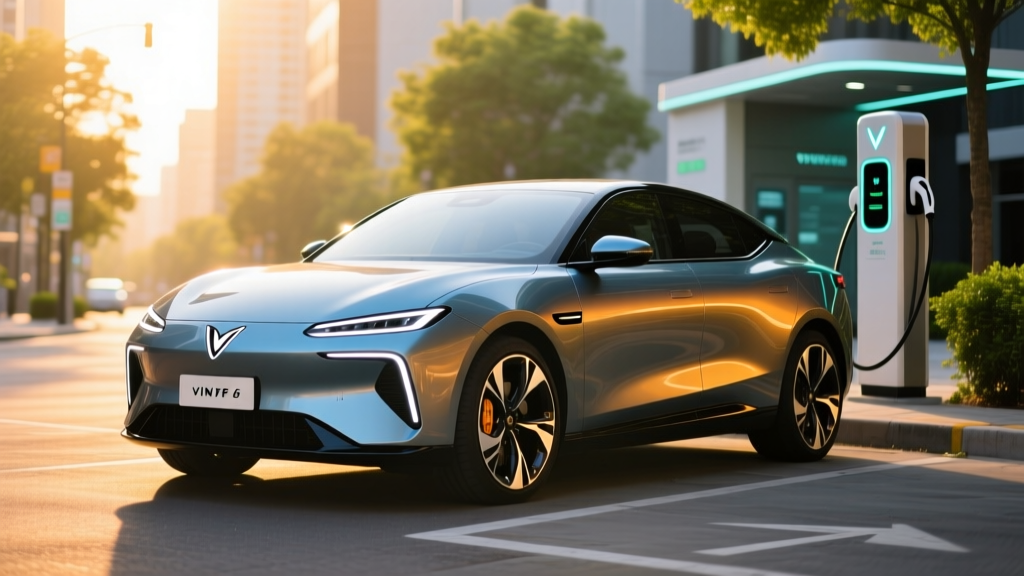
The VinFast VF 6 is a subcompact electric crossover aimed squarely at price-conscious buyers who want a modern EV without crossing the $35,000 threshold. With a 236-mile EPA-estimated range, a 60 kWh LFP (lithium iron phosphate) battery, and a starting MSRP around $27,900, it undercuts most competitors in the compact electric SUV segment. But value comes with trade-offs: modest DC fast-charging speeds, a sparse dealer and service network in the U.S., and limited real-world validation compared to established rivals like the Hyundai Kona Electric and Chevrolet Equinox EV.
If you're searching for a VinFast VF 6 for sale, this review covers every number you need — from real-world range expectations and charging curves to total cost of ownership and federal tax-credit eligibility under IRS §30D rules.
| Spec | Value |
|---|---|
| EPA Range | 236 miles (Eco trim) |
| Battery Capacity | 60 kWh usable (LFP chemistry) |
| Drivetrain | FWD, single motor |
| Horsepower | 174 hp / 184 lb-ft torque |
| 0–60 mph | ~7.8 seconds (mfr. estimate) |
| Max DC Fast Charge | ~78 kW peak |
| 10–80% DC Charge Time | ~35 minutes |
| Level 2 AC Charge Rate | ~7.4 kW (~25 mi/hr) |
| MPGe (Combined) | 113 MPGe |
| Efficiency | 30 kWh/100 mi |
| Cargo Volume | 14.5 cu ft (rear seats up) |
| Base MSRP | $27,900 (Eco) / $32,200 (Plus) |
| Battery Warranty | 8 years / 100,000 miles |
Range and Efficiency: EPA Sticker vs. Real-World Reality
The VF 6 Eco trim carries an EPA-estimated 236 miles of range, while the heavier, more feature-laden Plus trim drops to approximately 219 miles. These figures are competitive for the subcompact class but trail segment leaders like the Hyundai Kona Electric (261 miles) and the Chevrolet Equinox EV (315 miles on the 3RS trim).
Real-World Range Expectations
- City / mixed driving (mild weather): 220–235 miles — close to EPA sticker thanks to LFP efficiency at lower speeds and regenerative braking.
- Sustained highway (70+ mph): 185–200 miles — aerodynamic drag and the VF 6's relatively modest efficiency (~30 kWh/100 mi) cut range noticeably.
- Cold weather (below 32°F): 155–175 miles — LFP cells lose more capacity in freezing temps than NMC chemistries. The VF 6's thermal management system helps, but expect 25–35% range reduction in deep winter conditions.
Source: fueleconomy.gov EPA estimates; real-world figures based on comparable LFP-equipped EV testing.
Efficiency is rated at roughly 113 MPGe combined (30 kWh per 100 miles). That's adequate but not class-leading — the Kona Electric achieves 120 MPGe combined, and the Tesla Model Y manages 122 MPGe. For buyers prioritizing maximum miles per kWh, the VF 6 sits mid-pack.
Charging Speed: DC Fast and Level 2 Home Charging
Charging speed is where the VF 6 shows its budget positioning most clearly. The peak DC fast-charge rate of approximately 78 kW means you won't be blazing through road-trip stops. Here's the full breakdown:
| Charging Level | Power / Rate | Speed | Notes |
|---|---|---|---|
| Level 1 (120V household) | ~1.4 kW | ~4–5 mi/hr | Emergency / overnight trickle only |
| Level 2 (240V home) | ~7.4 kW | ~25 mi/hr | Full charge in ~8–9 hours |
| DC Fast Charge | ~78 kW peak | 10–80% in ~35 min | Tapers significantly above 80% SoC |
Charging curve reality: The 78 kW peak is not sustained across the entire 10–80% window. Expect peak rates from roughly 10–40% State of Charge, with the curve tapering to 50–60 kW through the mid-range and dropping further above 70%. That 35-minute 10–80% time is realistic but notably slower than rivals like the Hyundai Kona Electric (which peaks around 100+ kW on newer model years) or the Kia EV6 (240 kW peak with its 800V architecture).
Home charging practicality: At 7.4 kW on a Level 2 home charger, you'll recover roughly 25 miles of range per hour of charging. A full overnight charge (8–9 hours) easily replenishes the 60 kWh battery. Most VF 6 owners will find home charging perfectly adequate for daily commuting. We recommend a 48-amp Level 2 charger on a dedicated 60-amp circuit — budget roughly $800–$1,500 for equipment and licensed electrician installation, plus potential panel-upgrade costs if your home's electrical panel is maxed out.
Performance, Drivetrain, and Ride Quality
The VF 6 is offered exclusively as a front-wheel-drive, single-motor EV. The electric motor produces 174 horsepower and 184 lb-ft of torque, delivering a 0–60 mph time of approximately 7.8 seconds. That's adequate for city merging and highway on-ramps but noticeably slower than the Kona Electric (150 kW / ~201 hp, ~7.2 seconds) and far behind dual-motor options in pricier competitors.
Ride quality is tuned for comfort over sportiness. The suspension absorbs urban bumps well, but body roll is noticeable in spirited cornering. Regenerative braking offers multiple levels, though the VF 6 does not offer true one-pedal driving that brings the car to a complete stop — you'll still need the friction brake pedal at low speeds.
Pricing, Trims, and Federal Tax-Credit Eligibility
VinFast positions the VF 6 aggressively on price. Two trims are available for the U.S. market:
| Trim | Base MSRP | As-Tested (typical) | After Max §30D Credit |
|---|---|---|---|
| Eco | $27,900 | $29,400 (w/ delivery) | ~$20,400–$21,900* |
| Plus | $32,200 | $34,500 (w/ options) | ~$24,700–$27,000* |
*Assumes full $7,500 federal credit eligibility. Actual credit depends on battery sourcing, buyer income, and MSRP caps. See eligibility checklist below.
Federal EV tax credit (§30D) eligibility is the big question for any budget EV buyer. Under current IRS rules, the VF 6 must clear several hurdles:
- MSRP cap: SUVs/crossovers must be under $80,000 — the VF 6 clears this easily.
- Buyer income cap: AGI must not exceed $150,000 (single) / $300,000 (joint) — verify your modified adjusted gross income.
- Battery component sourcing: A percentage of battery components must be manufactured or assembled in North America. VinFast's battery supply chain (sourced from Gotion and other partners) may or may not meet the escalating thresholds — this is the most uncertain variable.
- Critical minerals: A percentage of critical minerals must be sourced from the U.S. or a free-trade agreement country. Sourcing requirements tighten annually.
- Point-of-sale transfer: Eligible buyers can transfer the credit to the dealer at purchase, reducing the purchase price upfront rather than waiting for tax filing.
Important caveat: Battery-sourcing rules tighten each year, and VinFast has not published a definitive public breakdown of VF 6 battery mineral and component sourcing compliance. Always verify current eligibility on fueleconomy.gov before purchase, and consult a tax professional for your specific situation.
Interior, Cargo Space, and Technology
The VF 6's interior is clean and minimalist, dominated by a 12.3-inch central touchscreen running VinFast's proprietary infotainment system. Wireless Apple CarPlay and Android Auto are standard. A digital gauge cluster replaces traditional instruments, and the center console is largely button-free.
Cargo and passenger dimensions:
- Cargo volume (rear seats up): 14.5 cu ft — on the small side for the class (Kona Electric offers 25.5 cu ft)
- Cargo volume (rear seats folded): ~45 cu ft
- Rear legroom: ~36.0 inches — adequate for adults on shorter trips
- Front headroom: ~39.5 inches
Driver assistance (ADAS): The VF 6 comes equipped with VinFast's ADAS suite, including adaptive cruise control, lane-keeping assist, automatic emergency braking, blind-spot monitoring, and a 360-degree camera on the Plus trim. This is an SAE Level 2 driver-assistance system — it does not drive itself. The driver must keep hands on the wheel and eyes on the road at all times.
Pros
- Aggressive starting price — one of the cheapest new EVs available
- LFP battery chemistry offers longer cycle life and no cobalt
- Competitive 8-year / 100,000-mile battery warranty
- Standard wireless Apple CarPlay and Android Auto
- Compact dimensions ideal for urban parking
Cons
- Below-average DC fast-charging speed (~78 kW peak)
- Small cargo area (14.5 cu ft) limits utility
- Limited U.S. dealer and service network
- Real-world highway and cold-weather range drops significantly
- No one-pedal driving mode
- Brand-new manufacturer with unproven long-term reliability
Who Should Buy the VinFast VF 6?
The VF 6 makes the most sense for a specific buyer profile:
- Urban commuters with home charging access who drive under 80 miles round-trip daily and want the lowest possible new-EV purchase price.
- Second-car buyers who need an efficient around-town runabout and already have a larger vehicle for road trips.
- Budget-focused shoppers who qualify for the full $7,500 federal credit and want a net price near $20,000 for a new EV.
The VF 6 is not ideal for frequent road-trippers (slow DC charging and modest highway range), families needing cargo versatility (14.5 cu ft is tight), or buyers in rural areas far from VinFast's limited U.S. service centers.
Warranty Coverage
VinFast backs the VF 6 with competitive warranty terms:
- Battery warranty: 8 years / 100,000 miles (capacity retention threshold typically 70%)
- Powertrain warranty: 8 years / 100,000 miles
- Bumper-to-bumper: 5 years / 60,000 miles
- Roadside assistance: 5 years / 60,000 miles
The LFP battery chemistry is a longevity positive — LFP cells generally degrade more slowly than NMC chemistries over thousands of charge cycles, often retaining 85–90% capacity after 1,000 full cycles. However, VinFast's limited track record in the U.S. market means long-term reliability data is not yet available. Per NHTSA, always check for active recalls and service bulletins before purchase.
What is the real-world range of the VinFast VF 6?
The EPA rates the VF 6 Eco at 236 miles, but expect 220–235 miles in mild city driving, 185–200 miles on sustained highway trips, and as low as 155–175 miles in freezing weather. LFP batteries are more sensitive to cold-temperature capacity loss than NMC cells.
How fast does the VF 6 charge at home and on DC fast chargers?
On a Level 2 home charger (7.4 kW), the VF 6 adds about 25 miles per hour and fully charges in 8–9 hours. On DC fast chargers, it peaks at roughly 78 kW, reaching 10–80% in approximately 35 minutes — slower than most competitors in its class.
Does the VinFast VF 6 qualify for the $7,500 federal EV tax credit?
It may, depending on current IRS §30D battery-sourcing rules, your income (capped at $150K single / $300K joint), and the vehicle's MSRP (well under the $80K SUV cap). Battery component and critical-mineral sourcing requirements are the main variables — verify on fueleconomy.gov before purchasing and consult a tax professional.
How much does the VF 6 cost after tax credits?
The Eco trim starts at $27,900. If you qualify for the full $7,500 federal credit via point-of-sale transfer, your effective price drops to roughly $20,400. The Plus trim at $32,200 would fall to approximately $24,700. State and local incentives may reduce the price further.
Is the VinFast VF 6 worth buying over the Hyundai Kona Electric or Chevy Equinox EV?
If your priority is the lowest possible new-EV price and you primarily drive in the city with home charging, the VF 6 is worth considering. However, the Kona Electric offers more range (261 mi EPA), faster DC charging, more cargo space (25.5 cu ft), and a much larger dealer/service network. The Equinox EV delivers 315 miles of range. The VF 6 wins on price but loses on nearly every other measurable spec.
What is the VF 6's battery chemistry and how long will it last?
The VF 6 uses a 60 kWh LFP (lithium iron phosphate) battery. LFP chemistry offers longer cycle life, greater thermal stability, and no cobalt — but lower energy density and worse cold-weather performance than NMC. With the 8-year/100,000-mile warranty and LFP's inherent durability, most owners should see 85%+ capacity retention through the warranty period.