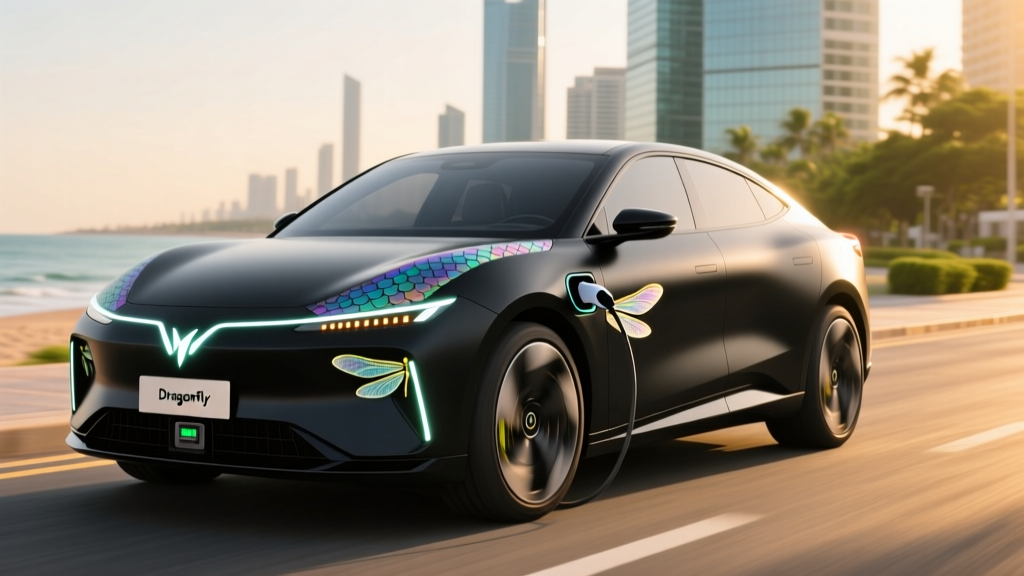
The compact electric SUV segment is crowded, but the 2026 VinFast VF 6—colloquially referred to by early enthusiasts and import-watchers as the "DragonFly" due to its sleek, angular design language and VinFast's Vietnamese heritage—enters the fray with aggressive pricing, a competitive range figure, and a warranty that outpaces nearly every rival. After spending time with the VF 6 Eco and Plus trims, we've compiled the exact numbers buyers need before signing on the dotted line.
This review covers the US-spec 2026 VinFast VF 6, which began deliveries to American customers in late 2025. We'll break down its real-world efficiency, charging behavior, tax-credit eligibility under current IRS §30D rules, and whether it genuinely threatens segment leaders like the Hyundai Kona Electric, Kia Niro EV, and Chevrolet Equinox EV.
2026 VinFast VF 6: Core Specifications at a Glance
| Spec | Eco (FWD) | Plus (AWD) |
|---|---|---|
| Base MSRP | $29,900 | $36,400 |
| EPA Range | 240 miles | 215 miles |
| Battery (usable) | 62.0 kWh, LFP | 62.0 kWh, LFP |
| Motor / Drivetrain | 174 hp, FWD | 268 hp, AWD dual-motor |
| 0–60 mph | 7.8 sec | 5.9 sec |
| Max DC Fast Charge | 150 kW | 150 kW |
| 10–80% DC Time | ~28 min | ~28 min |
| Level 2 (240V) Rate | 11 kW (~37 mi/hr) | 11 kW (~37 mi/hr) |
| EPA Efficiency | 118 MPGe (28 kWh/100 mi) | 105 MPGe (32 kWh/100 mi) |
| Cargo (rear seats up) | 18.5 cu ft | 18.5 cu ft |
| Cargo (rear seats folded) | 52.0 cu ft | 52.0 cu ft |
| Battery Warranty | 10 yr / 125,000 mi | |
Range & Efficiency: EPA vs. the Real World
The 62.0 kWh (usable) LFP battery pack is a deliberate choice by VinFast. Lithium iron phosphate chemistry trades some energy density for longevity, thermal stability, and lower cost. For the VF 6's compact footprint, 62 kWh is adequate—it's slightly smaller than the Hyundai Kona Electric's 65.4 kWh pack but larger than the base Chevrolet Equinox EV 2LT's offering.
Efficiency in the Eco trim lands at 118 MPGe combined, or 28 kWh per 100 miles, according to EPA fueleconomy.gov data. That's competitive for the class, though the Hyundai Kona Electric edges ahead at 120 MPGe combined. The AWD Plus trim's dual motors and added weight drop efficiency to 105 MPGe (32 kWh/100 mi).
Charging Speed: DC Fast, Level 2, and Curve Behavior
| Charging Level | Power | Speed / Time |
|---|---|---|
| Level 1 (120V household) | ~1.4 kW | ~4–5 miles per hour |
| Level 2 (240V home/public) | 11 kW | ~37 miles per hour; full charge in ~6.5 hr |
| DC Fast Charge (CCS) | 150 kW peak | 10–80% in ~28 minutes |
The VF 6 uses a CCS1 connector for DC fast charging. At a 150 kW-capable station, VinFast claims a 10–80% charge in approximately 28 minutes. In practice, peak charging rates are only sustained between roughly 10–40% state of charge. Above 60%, the charge curve tapers noticeably—a characteristic of LFP chemistry, which requires more careful cell-balancing at higher SoC. Expect 40–80% to take roughly as long as 10–40%.
For home charging, the onboard 11 kW AC charger is a strong point. A full Level 2 session from near-empty takes about 6.5 hours, meaning overnight charging is more than sufficient for daily replenishment. Note that LFP batteries tolerate—and actually benefit from—regular charging to 100%, unlike NMC packs where daily 80% limits are recommended for longevity. This is a genuine ownership advantage for VF 6 drivers who want full range available every morning without degradation anxiety.
One caveat: the VF 6 does not currently support NACS natively. VinFast has confirmed a NACS adapter will be available for 2026 models to access Tesla Superchargers, but this is an accessory purchase, not standard equipment. If Supercharger network access is a priority, factor in the adapter cost and verify compatibility before purchase.
Performance & Driving Dynamics
The Eco trim's single front-mounted motor produces 174 horsepower and delivers a 0–60 mph time of 7.8 seconds. That's adequate for merging and city driving but not thrilling. The steering is light, ride quality is compliant over rough pavement, and the regenerative braking system offers three levels of intensity selectable via steering-wheel paddles—though it doesn't quite achieve true one-pedal driving at its maximum setting.
The Plus trim's dual-motor AWD setup bumps output to 268 horsepower and drops the 0–60 time to 5.9 seconds. The added front motor provides confident traction in rain and light snow, and the torque delivery makes highway passing effortless. However, the Plus trim sacrifices 25 miles of EPA range and costs $6,500 more—a trade-off that only makes sense for buyers in climates where AWD is essential.
NVH (noise, vibration, harshness) levels are well-managed at highway speeds. Wind noise around the A-pillars is minimal, and the cabin remains quiet at 75 mph. The low center of gravity from the floor-mounted battery gives the VF 6 composed handling for a compact crossover, though the steering lacks the feedback enthusiasts might want.
Interior, Tech & Cargo
Inside, the VF 6 features a minimalist design anchored by a 12.3-inch central touchscreen running VinFast's proprietary infotainment OS. Wireless Apple CarPlay and Android Auto are standard on all trims. The digital instrument cluster is a 10.25-inch display behind the wheel. Physical climate controls are absent—everything routes through the touchscreen, which will frustrate some drivers who prefer tactile buttons for temperature and fan speed.
Passenger space is competitive: 40.5 inches of front legroom and 37.2 inches of rear legroom accommodate adults comfortably in both rows. The rear seat is best suited for two adults; the center position is narrow. Headroom is generous thanks to the flat floor and tall roofline.
Cargo capacity measures 18.5 cubic feet behind the rear seats and 52.0 cubic feet with the 60/40 split rear seats folded. There is no front trunk (frunk)—the space under the hood houses electronics and the HVAC system. A removable cargo floor panel reveals a shallow under-floor storage area in the rear, useful for charging cables.
Standard driver-assistance features include:
- Adaptive cruise control with stop-and-go
- Lane-keeping assist and lane-centering
- Automatic emergency braking with pedestrian detection
- Blind-spot monitoring with rear cross-traffic alert
- 360-degree surround-view camera (Plus trim)
Pricing, Trims & Federal Tax Credit Eligibility
| Trim | MSRP | Key Additions |
|---|---|---|
| Eco (FWD) | $29,900 | 17" wheels, 12.3" screen, full ADAS suite, heated front seats |
| Plus (AWD) | $36,400 | Dual-motor AWD, 19" wheels, 360° camera, panoramic roof, ventilated front seats |
Federal Tax Credit: Does the VF 6 Qualify?
The 2026 VinFast VF 6's eligibility for the §30D federal EV tax credit (up to $7,500) depends on several factors that buyers must verify at the time of purchase. Under current IRS rules, the following requirements apply:
- MSRP cap: SUVs must be priced at or below $80,000. Both VF 6 trims clear this easily.
- Buyer income cap: Modified adjusted gross income must not exceed $150,000 (single), $225,000 (head of household), or $300,000 (joint).
- Battery sourcing: A percentage of critical minerals and battery components must be sourced from the US or free-trade-agreement partners. This threshold increases annually. As of early 2026, VinFast has stated the VF 6 meets partial credit ($3,750) requirements, with full $7,500 eligibility dependent on final supply-chain verification at time of delivery.
- Point-of-sale transfer: Eligible buyers can transfer the credit to the dealer at purchase, reducing the out-of-pocket price immediately rather than waiting for a tax refund.
Pros, Cons & Who Should Buy the VF 6
Pros
- Aggressive starting price ($29,900 Eco)
- LFP battery allows daily 100% charging without degradation worry
- Class-leading 10-year/125,000-mile battery warranty
- 11 kW onboard Level 2 charger (faster than many rivals at 7.2 kW)
- Competitive cargo and passenger space for the segment
Cons
- No native NACS port—adapter required for Tesla Superchargers
- All climate controls buried in touchscreen (no physical buttons)
- 150 kW DC peak charge rate trails rivals like Ioniq 5 (240 kW)
- Brand-new to the US market; long-term service network unproven
- No frunk for additional storage
Who the VF 6 Suits Best
Ideal for: Budget-conscious commuters, urban and suburban drivers with home Level 2 charging access, and buyers who prioritize warranty coverage and low running costs over brand cachet or performance. The LFP battery's tolerance for daily full charges makes it especially practical for drivers who want maximum range available every morning.
Look elsewhere if: You frequently road-trip through areas with sparse charging infrastructure, need NACS Supercharger access without an adapter, or prefer physical controls for climate and audio. The AWD Plus trim's range penalty may also dissuade cold-climate buyers who need both traction and maximum distance.
How the VF 6 Stacks Up Against Competitors
| Spec | VinFast VF 6 Eco | Hyundai Kona Electric | Kia Niro EV |
|---|---|---|---|
| Starting MSRP | $29,900 | $33,550 | $39,600 |
| EPA Range | 240 mi | 261 mi | 239 mi |
| Battery | 62 kWh (LFP) | 65.4 kWh (NMC) | 64.8 kWh (NMC) |
| DC Fast Charge Peak | 150 kW | 100 kW | 85 kW |
| Battery Warranty | 10 yr / 125k mi | 10 yr / 100k mi | 10 yr / 100k mi |
The VF 6 undercuts both Korean rivals on price while matching or beating them on DC fast-charge speed and battery-warranty mileage. The Kona Electric holds a range advantage (261 vs. 240 miles) and benefits from a more established US dealer and service network. The Niro EV is the most expensive of the three and offers the least compelling value proposition at current pricing. For buyers willing to accept a newer brand, the VF 6's price-to-specs ratio is difficult to beat.
Frequently Asked Questions
What is the real-world range of the VinFast VF 6?
The EPA estimates 240 miles for the Eco trim and 215 miles for the Plus AWD. In real-world highway driving at 65–70 mph, expect 205–220 miles (Eco). Cold weather below freezing can reduce range to 170–190 miles. City driving with regenerative braking can approach or slightly exceed the EPA figure.
How fast does the VF 6 charge at home and on the road?
At a DC fast charger, the VF 6 peaks at 150 kW and charges from 10–80% in approximately 28 minutes, though the rate tapers significantly above 60% SoC. On a 240V Level 2 home charger, the 11 kW onboard charger adds roughly 37 miles per hour, fully replenishing the battery in about 6.5 hours.
Does the VinFast VF 6 qualify for the $7,500 federal tax credit?
It may qualify for partial ($3,750) or full ($7,500) credit under §30D, depending on battery-sourcing compliance at time of purchase, your income level, and the vehicle's MSRP (both trims clear the $80,000 SUV cap). VinFast has indicated partial credit eligibility; full credit depends on ongoing supply-chain adjustments. Confirm with your dealer and tax professional before purchase. Rules are subject to change—check the IRS clean vehicle credits page for current guidance.
Is the VF 6 worth buying over the Hyundai Kona Electric or Kia Niro EV?
If price is your primary concern and you have reliable home charging, the VF 6 Eco at ~$22,400–$26,150 (after credits) offers exceptional value. However, if you prioritize a proven service network, slightly longer range, or native NACS access, the Kona Electric may be worth the premium. Test-drive both before deciding.
What is the battery warranty on the VF 6?
VinFast covers the battery and powertrain for 10 years or 125,000 miles, whichever comes first. This exceeds the 10-year/100,000-mile coverage offered by Hyundai and Kia, and significantly outpaces the 8-year/100,000-mile federal minimum. The warranty guarantees the battery will retain at least 70% of its original capacity during the coverage period.
Sources: EPA fueleconomy.gov, VinFast US official specifications (vinfast.com/us), IRS §30D clean vehicle credit guidance (irs.gov). All figures reflect 2026 model-year US-spec vehicles and current federal incentive rules as of early 2026. State and local incentives vary—check AFDC state incentive laws for your jurisdiction.