Quick Verdict: The VF 6 Dragonfly Edition at a Glance
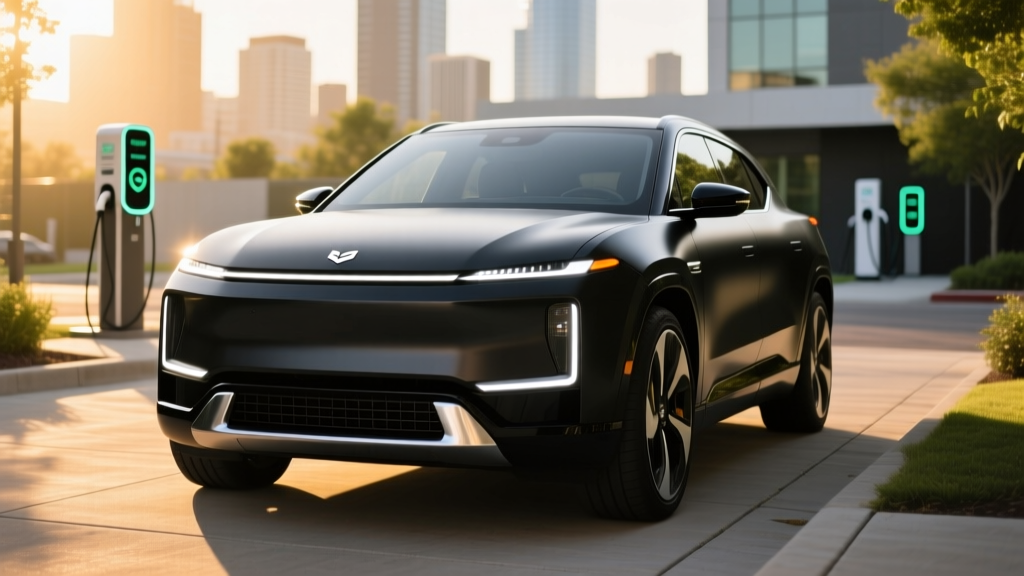
The 2026 VinFast VF 6 Dragonfly Edition slots into the subcompact electric crossover segment with aggressive pricing, a distinctive design, and the brand's signature battery-subscription option that can significantly lower the entry price. With an EPA-estimated 249 miles of range, DC fast charging up to 110 kW, and a starting MSRP around $29,990 (before battery subscription adjustments), it targets urban commuters and budget-conscious EV adopters. But how does it stack up against the Chevrolet Equinox EV, Hyundai Kona Electric, and Kia Niro EV in real-world driving?
| Spec | VF 6 Dragonfly Edition |
|---|---|
| EPA Range | 249 miles |
| Battery (usable) | ~58 kWh, LFP chemistry |
| Peak DC Fast Charge | 110 kW |
| 10–80% DC Charge Time | ~30 minutes |
| Level 2 Home Charge | ~7.7 kW (~25 mi/hr) |
| 0–60 mph | ~8.2 seconds (est.) |
| Horsepower | 174 hp / 228 lb-ft torque |
| Drivetrain | FWD single motor |
| MPGe (combined) | ~109 MPGe |
| Efficiency | ~31 kWh/100 mi |
| Cargo (rear seats up) | 15.5 cu ft |
| Cargo (seats folded) | 46.2 cu ft |
| Base MSRP | $29,990 |
| Battery Warranty | 8 yr / 100,000 mi (min 70% capacity) |
Range & Efficiency: EPA vs. Real World
EPA Estimate: 249 miles
Real-World Expectation: Expect roughly 210–230 miles on mixed highway driving at 70+ mph. In cold weather (below 32°F), plan for 170–195 miles due to LFP chemistry's sensitivity to low temperatures and cabin heating draw. City driving with regenerative braking can push closer to or slightly above the EPA figure.
The VF 6 Dragonfly Edition uses a lithium iron phosphate (LFP) battery pack with approximately 58 kWh of usable capacity. LFP chemistry trades some energy density for longevity — these cells degrade more slowly over thousands of cycles and tolerate daily charging to 100% better than NMC (nickel manganese cobalt) packs. That means you can charge to full regularly without the accelerated degradation concerns that NMC owners manage by capping at 80%.
Efficiency lands around 31 kWh per 100 miles, which translates to roughly 109 MPGe combined per fueleconomy.gov estimates. That's competitive with the Kona Electric but trails the more aerodynamically optimized Tesla Model Y. On a practical level, at a national average residential electricity rate of $0.16/kWh, filling the pack from empty costs about $9.28 — roughly equivalent to $0.037 per mile. Compare that to a 28 MPG gas crossover at $3.40/gallon, and you're looking at $0.12/mile in fuel cost.
Charging: DC Fast Charge & Home Level 2
Charging speed is where budget EVs often compromise, and the VF 6 is no exception — but it's adequate for its use case.
| Charge Level | Power | Speed | Notes |
|---|---|---|---|
| Level 1 (120V household) | ~1.4 kW | ~4 mi/hr | Emergency only; full charge in ~40+ hrs |
| Level 2 (240V home) | 7.7 kW | ~25 mi/hr | Full charge in ~8 hours overnight |
| DC Fast Charge | Peak 110 kW | 10–80% in ~30 min | Tapers significantly above 80% |
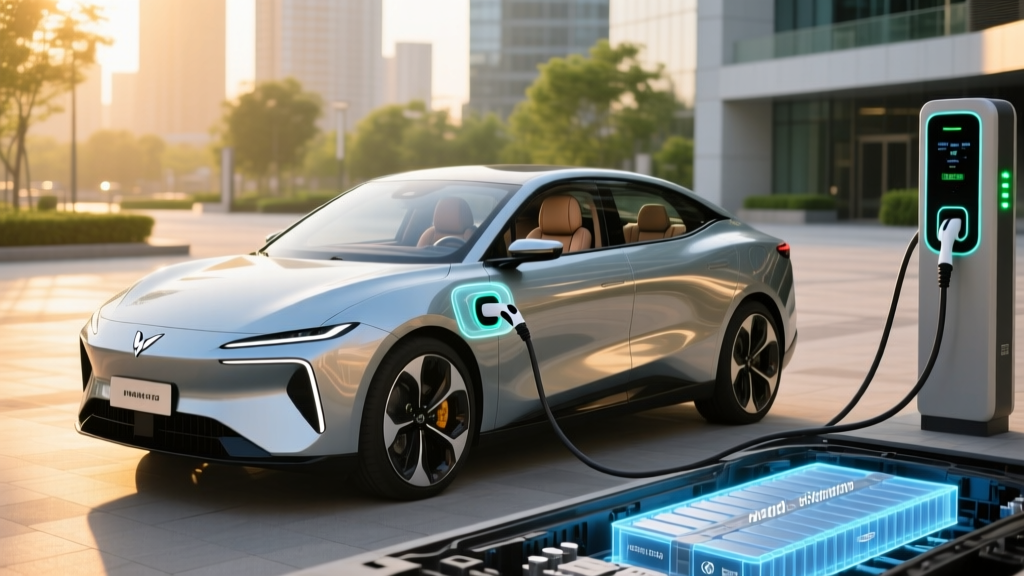
The 110 kW peak DC fast-charge rate is the critical number. At a 150+ kW Electrify America or EVgo station, the VF 6 will peak around 110 kW and sustain that rate through roughly 40–50% state of charge before tapering. The 10–80% session takes approximately 30 minutes under ideal conditions (warm battery, preconditioned). That's 15–20 minutes slower than an 800V Hyundai Ioniq 5 or Kia EV6, but competitive with the Kona Electric and Nissan Ariya.
Preconditioning matters here. The VF 6's thermal management system can warm the battery before you arrive at a DC charger if you've navigated to one in the infotainment system. Skipping this step in cold weather can double your charge time. Always route through the nav system when planning a fast-charge stop.
For home charging, the onboard 7.7 kW charger means a full overnight charge on a Level 2 wallbox (like a ChargePoint Home Flex or Emporia Level 2) takes about 8 hours. Most owners will plug in at 30–50% remaining and wake up full. If your home electrical panel supports a 40-amp circuit (NEMA 14-50 outlet or hardwired), you're set. Older homes may need a panel upgrade — budget $1,500–$3,000 for that work from a licensed electrician.
Performance & Driving Dynamics
The single front-mounted motor produces 174 horsepower and 228 lb-ft of torque, delivering a 0–60 mph time of approximately 8.2 seconds. That's not sports-car territory, but it's brisk enough for highway merging and confident city driving. Instant electric torque means the VF 6 feels quicker than the numbers suggest in stop-and-go traffic.
The front-wheel-drive layout keeps costs down and weight off the front axle compared to AWD competitors, though it means no all-weather traction advantage. If you live in snow country, winter tires are a must. The regenerative braking system offers adjustable levels, including a near-one-pedal-driving mode that recaptures significant energy in city driving — extending your real-world range on urban commutes.
Ride quality leans firm, typical of vehicles riding on smaller wheelbases with battery weight concentrated low. Road noise is well-managed at city speeds but becomes noticeable above 75 mph on coarse pavement. The steering is light and numb — fine for parking, less engaging on back roads.
Interior, Tech & Driver Assistance
The cabin uses a minimalist design with a 12.3-inch central touchscreen handling infotainment, climate, and vehicle settings. There's no traditional instrument cluster — a compact driver display and heads-up display (on higher trims) relay speed and range info. Wireless Apple CarPlay and Android Auto are standard.
Notable tech features include:
- Over-the-air (OTA) software updates for powertrain and infotainment tuning
- Virtual key via smartphone app
- Vehicle-to-load (V2L) capability — power small appliances or charge another EV in a pinch
- VinFast's AI-powered voice assistant for climate and nav control
The driver-assistance suite includes adaptive cruise control, lane-keeping assist, blind-spot monitoring, and automatic emergency braking. This is an SAE Level 2 system — it assists with steering and speed but requires the driver to remain fully engaged at all times. It is not autonomous or "self-driving." Keep your hands on the wheel and eyes on the road.
Interior space is the VF 6's compromise. At 15.5 cubic feet behind the rear seats, cargo capacity trails the Hyundai Kona Electric (25.5 cu ft) and Chevrolet Equinox EV (26.4 cu ft). Fold the 60/40 split rear seats and you get 46.2 cu ft — adequate for weekend trips but tight for big-box runs. Rear legroom measures 36.8 inches, enough for average-height adults but snug for taller passengers on long trips.
Pricing, Trims & Federal Tax Credit Eligibility
| Trim | MSRP | Est. After §30D Credit* |
|---|---|---|
| VF 6 Eco (base) | $25,990 | ~$18,490 (if eligible) |
| VF 6 Plus | $27,990 | ~$20,490 (if eligible) |
| VF 6 Dragonfly Edition | $29,990 | ~$22,490 (if eligible) |
*Federal tax credit eligibility depends on multiple factors. See checklist below.
The Dragonfly Edition adds unique exterior colorways, upgraded interior trim, a panoramic glass roof, and 19-inch alloy wheels over the Plus trim.
Federal §30D EV Tax Credit Checklist (2026 rules):
- MSRP cap: Vehicle must be under $80,000 for SUVs/crossovers — the VF 6 clears this easily.
- Buyer income cap: Modified AGI must not exceed $150,000 (single) / $300,000 (joint). Check your prior-year or current-year AGI.
- Battery sourcing: Critical minerals and battery components must meet escalating domestic-sourcing thresholds that tighten annually. VinFast's supply chain compliance varies by model year — verify current status on the IRS clean vehicle credits page or ask your dealer for the specific VIN's eligibility report.
- Point-of-sale transfer: As of 2024+, you can transfer the credit to the dealer at purchase for an immediate price reduction rather than waiting to claim it on your tax return.
- Assembly: Final assembly must occur in North America. Verify the VF 6's assembly location for your model year — VinFast's North Carolina factory began production in 2025, but early units were imported.
Critical caveat: Tax credit eligibility changes frequently as battery sourcing rules tighten. Always confirm with your tax professional and check the IRS VIN-lookup tool before committing to a purchase. Do not assume the full $7,500 credit applies.
VinFast also offers a battery subscription model that reduces the vehicle purchase price by removing the battery cost (roughly $8,000–$10,000 off MSRP). You pay a monthly subscription fee instead (estimated $100–$150/month depending on mileage tier). This lowers upfront cost but means you never own the battery — factor this into total cost of ownership calculations over 5–10 years.
Ownership Costs & Warranty
VinFast backs the VF 6 with a competitive warranty package:
- Battery & powertrain: 8 years / 100,000 miles (guaranteed minimum 70% capacity retention)
- Bumper-to-bumper: 5 years / 60,000 miles
- Roadside assistance: 5 years / 60,000 miles
The 8-year/100,000-mile battery warranty matches industry standards set by federal mandate. The 70% capacity retention threshold means VinFast must replace or repair the battery if it degrades below that level within the warranty period — typical for the industry.
Insurance costs for the VF 6 tend to run 10–20% higher than comparable gas crossovers, consistent with the EV segment broadly. Get quotes from your insurer before purchasing — EV-specific insurers like Lemonade or traditional carriers with EV discounts (Geico, State Farm) may offer better rates.
Maintenance is minimal: no oil changes, no transmission fluid, no spark plugs. Expect tire rotations, cabin air filter replacements, and brake fluid checks. Regenerative braking significantly extends brake pad life — many EV owners go 80,000+ miles before needing pad replacement.
Pros, Cons & Who Should Buy
Pros
- Low entry price, especially with battery subscription
- LFP battery tolerates daily 100% charging, slower degradation
- Competitive 249-mile EPA range for the segment
- V2L capability for camping or emergency power
- OTA updates improve the vehicle over time
- Distinctive styling stands out in a sea of crossovers
Cons
- 110 kW DC fast charge is slower than 800V competitors
- Tight cargo space (15.5 cu ft) vs. Kona and Equinox EV
- FWD only — no AWD option for snow-belt buyers
- VinFast's service network is still expanding; fewer dealers than legacy brands
- Battery subscription adds monthly cost and complexity
- Rear-seat legroom is snug for taller passengers
Who this EV suits best:
- Urban and suburban commuters with home charging access who prioritize low running costs over cargo space.
- Budget-conscious first-time EV buyers who want to minimize upfront cost via the battery subscription option.
- Second-car households that need an efficient daily driver for errands and commutes, not road trips.
Look elsewhere if: You regularly drive 300+ mile highway trips (the 110 kW charge rate adds time), need AWD for winter, or require maximum cargo versatility. The Hyundai Kona Electric offers more space; the Equinox EV offers more range; the Tesla Model Y offers faster charging and a more mature Supercharger network.
Frequently Asked Questions
What is the real-world range of the VinFast VF 6 Dragonfly Edition?
The EPA rates it at 249 miles. In real-world mixed highway driving at 70+ mph, expect 210–230 miles. In cold weather below freezing, plan for 170–195 miles. City driving with regen braking can match or slightly exceed the EPA number.
How fast does the VF 6 charge at home and on DC fast chargers?
At home on a Level 2 (240V) charger, it adds about 25 miles per hour and fully charges in roughly 8 hours. On a DC fast charger, it peaks at 110 kW and charges from 10–80% in about 30 minutes under ideal conditions.
Does the VinFast VF 6 qualify for the $7,500 federal EV tax credit?
It may, depending on your income (under $150K single / $300K joint), the vehicle's battery-sourcing compliance, and North American final assembly. The MSRP is well under the $80,000 SUV cap. Always verify eligibility via the IRS VIN-lookup tool and consult a tax professional before purchasing.
How much does the VF 6 Dragonfly Edition cost after incentives?
The MSRP is $29,990. If you qualify for the full $7,500 federal credit via point-of-sale transfer, the effective price drops to approximately $22,490. Some states offer additional rebates (California's CVRP, Colorado's innovative motor vehicle credit, etc.) — check your state's energy office for current programs.
Is the VinFast VF 6 worth buying vs. the Kona Electric or Equinox EV?
It depends on your priorities. The VF 6 wins on entry price (especially with battery subscription) and distinctive styling. The Kona Electric offers more cargo room and a larger dealer/service network. The Equinox EV offers over 300 miles of range. If low upfront cost and LFP battery longevity matter most, the VF 6 is compelling. If cargo space and charging speed are critical, look at the alternatives.
What happens if the battery degrades — what does replacement cost?
Under warranty (8 yr/100,000 mi), VinFast covers replacement if capacity drops below 70%. Out of warranty, LFP battery replacement costs are estimated at $8,000–$12,000 depending on pack availability and labor — though LFP packs typically outlast NMC packs by a significant margin, often reaching 300,000+ miles before hitting 70% capacity. Battery subscription customers don't bear replacement cost — it's covered by the subscription.
Does the VF 6 have a frunk (front trunk)?
No. The VF 6 does not include a front trunk. All cargo space is in the rear hatch area (15.5 cu ft seats up, 46.2 cu ft folded).