The Short Answer on the New Electric Mail Truck
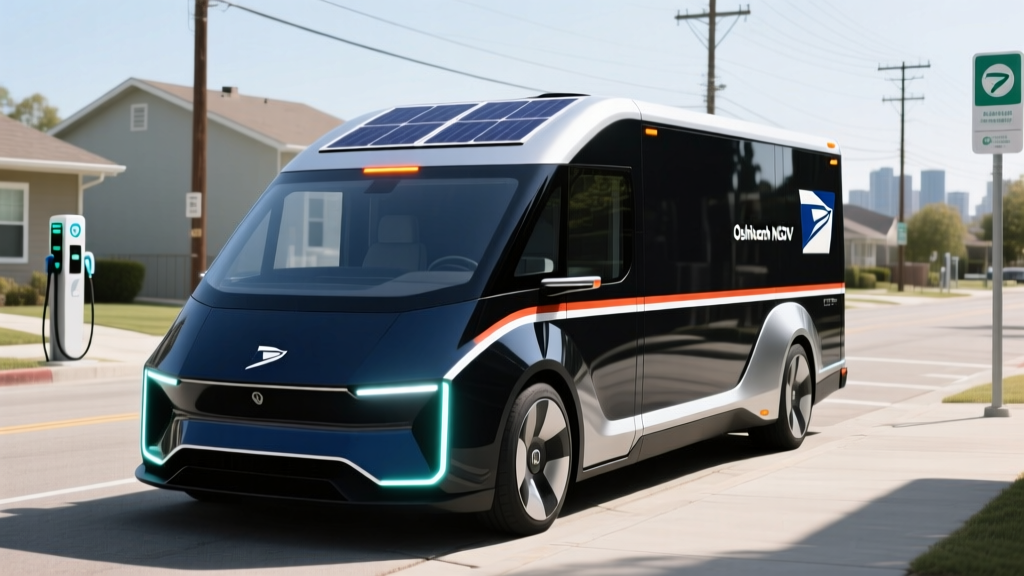
The new electric mail truck replacing the 30-year-old Grumman LLV is the Oshkosh NGDV BEV (Next Generation Delivery Vehicle, Battery Electric). It packs a 125 kWh NMC battery with an EPA-estimated ~70-mile range (up to ~130 miles in ideal low-speed stop-and-go conditions typical of postal routes). The USPS plans to acquire at least 45,000 NGDVs by 2028, with a minimum of 10,019 battery-electric units mandated in the initial contract phase, plus a separate $3 billion IRA allocation funding additional BEV purchases and depot charging infrastructure through 2026-2028. Gas-powered NGDV ICE variants fill the remaining routes where range or depot-charging access is insufficient.
Why the USPS Is Replacing the Grumman LLV — and Why Electrification Won
The Grumman Long Life Vehicle (LLV) was built between 1987 and 1994 on a Chevrolet S-10 chassis. These trucks were never designed for modern safety standards, emissions requirements, or the package-volume surge driven by e-commerce. By 2025, the fleet was averaging 10-12 mpg on routes that involve hundreds of stops per day, with maintenance costs climbing as parts became scarce for vehicles over 30 years old.
The NGDV program was originally awarded to Oshkosh Defense in 2021 as a 90% ICE / 10% BEV split. After legal challenges from California and the EPA, the USPS revised the plan in 2022 to commit to at least 75% BEV across the full NGDV purchase. The Inflation Reduction Act (IRA) of 2022 provided $3 billion specifically for USPS vehicle electrification and charging infrastructure, locking in the electric trajectory.
As of early 2026, NGDV production is ramping at Oshkosh's Spartanburg, South Carolina facility, with deliveries to USPS sorting facilities across all 50 states. The first wave prioritized facilities in dense urban and suburban delivery zones where short routes and depot charging align well with BEV capabilities.
NGDV BEV Specifications: Battery, Range, Charging, and Powertrain
The NGDV BEV is a purpose-built commercial delivery vehicle, not a repurposed consumer SUV. Here is what we know from USPS disclosures, Oshkosh filings, and EPA certification data:
| Specification | NGDV BEV | NGDV ICE (Gas) | Legacy LLV (Gas) |
|---|---|---|---|
| Powertrain | Battery Electric | 2.0L Turbo I4 | 2.5L I4 (Iron Duke) |
| Horsepower | ~200 HP (est.) | ~230 HP | ~105 HP |
| Battery Capacity | 125 kWh (usable, NMC) | N/A | N/A |
| EPA Range | ~70 mi (mixed); up to ~130 mi (low-speed route) | ~300 mi (est.) | ~180 mi (est.) |
| Fuel Efficiency | ~2.0-2.5 kWh/mi (route dependent) | ~14 mpg | ~10-12 mpg |
| DC Fast Charge (peak) | ~65 kW (CCS1) | N/A | N/A |
| 10-80% Charge Time | ~75-90 min (est. at peak) | N/A | N/A |
| Level 2 AC Charge | ~19.2 kW | N/A | N/A |
| Payload Capacity | ~2,000 lbs | ~2,000 lbs | ~1,500 lbs |
| Cargo Volume | ~150 cu ft | ~150 cu ft | ~120 cu ft |
| GVWR | ~9,500 lbs | ~9,500 lbs | ~7,100 lbs |
| Driver Assist | ADAS (AEB, LDW, BSD, 360° camera) | ADAS (same) | None |
| Contract Unit Cost | ~$65,000-$75,000 (est. with infra amortization) | ~$45,000-$50,000 (est.) | N/A (fully depreciated) |
Real-World Range Reality for the NGDV BEV
The 70-mile EPA figure reflects a mixed driving cycle. On a typical urban delivery route at 15-25 mph with frequent stops and regenerative braking, range can stretch to 100-130 miles. On rural routes with sustained 45-55 mph driving and limited regen opportunities, expect 55-65 miles. In sub-30°F winter conditions, battery chemistry and cabin heating demands can reduce range by 25-40%, which is why USPS deploys NGDV ICE variants on longer or cold-climate routes where depot charging turnaround is insufficient.
Electric vs. Gas Mail Truck: Total Cost of Ownership Over 10 Years
The USPS evaluates mail trucks on a 10-year lifecycle basis. The upfront cost of a BEV is higher, but operational savings on fuel and maintenance are substantial on high-stop routes. Here is a modeled comparison based on USPS Inspector General reports, DOE fleet data, and publicly available contract estimates:
| Cost Category (10-Year) | NGDV BEV | NGDV ICE | Legacy LLV |
|---|---|---|---|
| Vehicle Acquisition | ~$65,000-$75,000 | ~$45,000-$50,000 | $0 (existing asset) |
| Charging Infrastructure (amortized per vehicle) | ~$15,000-$25,000 | $0 | $0 |
| Fuel / Electricity (10 yr, 12,000 mi/yr) | ~$12,000-$16,000 | ~$32,000-$38,000 | ~$40,000-$48,000 |
| Maintenance (10 yr) | ~$8,000-$12,000 | ~$18,000-$24,000 | ~$28,000-$35,000 |
| Battery Replacement Reserve | ~$0-$5,000 (warranty coverage expected) | $0 | $0 |
| Estimated 10-Year Total | ~$100,000-$133,000 | ~$95,000-$112,000 | ~$68,000-$83,000* |
*Legacy LLV total excludes acquisition (already owned) but includes escalating maintenance and poor fuel economy. These vehicles are at end-of-life and face increasing downtime.
The BEV becomes cost-competitive with the ICE variant around year 6-8 of operation on urban routes, depending on local electricity rates and route intensity. The IRA funding significantly offsets the infrastructure cost gap, making the BEV the lower-risk long-term bet for the USPS as diesel and gasoline prices remain volatile.
Depot Charging: The Infrastructure Backbone Behind the New Electric Mail Truck
Unlike consumer EVs that rely on home garages and public networks, the NGDV BEV charges at USPS depot facilities using a combination of Level 2 AC and DC fast charging. Here is how the charging model works:
| Charging Level | Power (kW) | Miles Added/Hour | Use Case |
|---|---|---|---|
| Level 2 AC (Depot Overnight) | 19.2 kW | ~8-10 mi/hr | Full overnight recharge (7-10 hours for 10-80%) |
| DC Fast Charge (Mid-Day Top-Up) | ~65 kW peak | ~25-30 mi/hr (avg) | Opportunity charging during lunch/sort breaks |
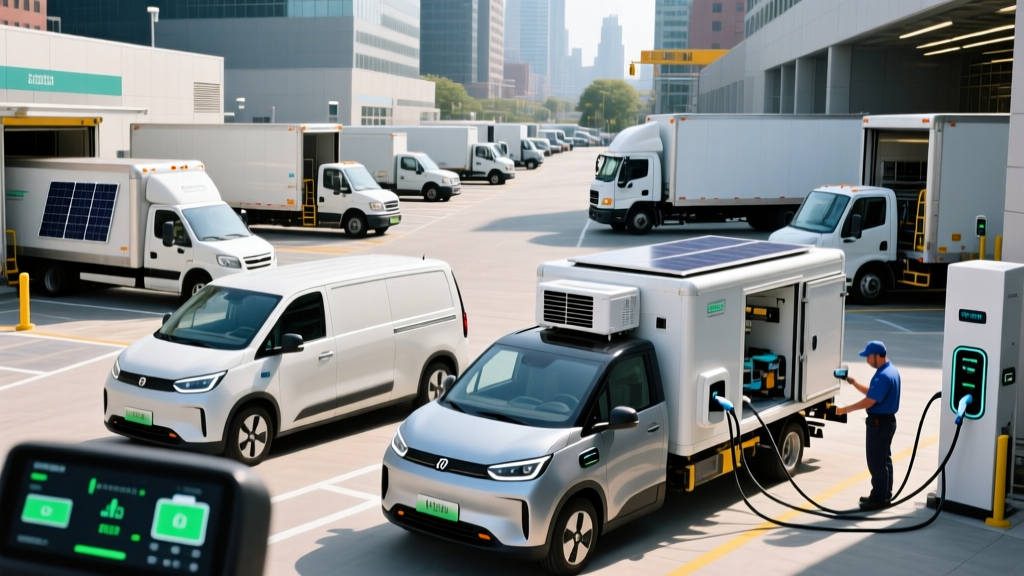
Most NGDV BEV routes are designed to complete on a single overnight charge. The USPS has been installing 19.2 kW Level 2 chargers at sorting facilities nationwide, funded by the IRA's $3 billion allocation. For facilities with longer routes or split-shift operations, DC fast chargers provide mid-day top-ups to extend operational range.
The depot charging model eliminates the range-anxiety variable that affects consumer EVs — the truck returns to the same facility every night, plugs in, and starts the next shift fully charged. However, the infrastructure buildout is expensive: a single depot serving 50-100 vehicles may require $2-5 million in electrical upgrades, including transformer replacements, switchgear, and utility interconnection work. This is the primary bottleneck slowing the BEV rollout to rural USPS facilities.
Who Builds It? Oshkosh Defense and the Ford Powertrain Connection
Oshkosh Defense (a subsidiary of Oshkosh Corporation, oshkoshdefense.com) won the NGDV contract through a competitive process that included Karsan, Mahindra, and Workhorse. The BEV variant uses a Ford-sourced electric powertrain — specifically, components derived from Ford's commercial EV platform, which provides proven, serviceable drivetrain technology backed by Ford's national parts and service network.
This matters for long-term fleet viability: USPS maintenance technicians can source replacement parts through established commercial channels rather than relying on a single-source supplier. The NGDV's ADAS suite (automatic emergency braking, lane departure warning, blind-spot detection, and a 360-degree camera system) represents a massive safety upgrade over the LLV, which had no electronic safety aids and a documented history of NHTSA-flagged fire risks due to aging wiring harnesses and fuel lines.
Common Misconceptions About the New Electric Mail Truck
| Myth | Fact |
|---|---|
| "The electric mail truck only goes 70 miles — that's useless." | 70 miles is the EPA mixed-cycle rating. On typical low-speed urban delivery routes with regenerative braking, range extends to 100-130 miles. The average USPS delivery route is under 40 miles per day. |
| "USPS scrapped the gas truck entirely." | False. The NGDV program includes both BEV and ICE variants. USPS committed to at least 75% BEV, with gas NGDVs deployed on longer rural routes and in cold-climate areas where charging infrastructure is still being built. |
| "The battery will need replacing in 5 years, costing taxpayers millions." | Commercial NMC packs like the NGDV's 125 kWh unit are warrantied for 8-10 years or 150,000+ miles. With ~12,000 miles/year, the battery should outlast the vehicle's first lifecycle. Degradation to 80% capacity over 10 years is expected but still provides adequate range for most routes. |
| "It's a Tesla van." | Tesla has no involvement in the NGDV program. The vehicle is built by Oshkosh Defense with Ford-sourced EV components. Tesla's commercial offerings (Semi) target long-haul freight, not last-mile delivery. |
| "Electric mail trucks can't handle snow and cold." | Cold weather does reduce BEV range by 25-40%. This is exactly why USPS deploys NGDV ICE variants on cold-climate routes. Route assignment is data-driven, not ideological. |
What This Means for Consumers, Fleet Operators, and the EV Market
The NGDV program is the largest single electric fleet procurement in U.S. government history. Its impact extends well beyond the postal service:
- Charging infrastructure spillover: Depot charging installations at USPS facilities often include utility upgrades that benefit surrounding commercial EV adoption.
- Parts and service ecosystem: Ford's involvement means commercial EV service networks expand to support the NGDV, benefiting other Ford-based commercial EVs like the E-Transit.
- Proof of concept for last-mile delivery: UPS, FedEx, and Amazon (Rivian EDV) are watching NGDV operational data closely. If the BEV variant delivers on 10-year TCO projections, expect accelerated fleet electrification across private carriers.
- Used vehicle pipeline: When USPS eventually cycles NGDVs out of service (typically 15-20 years), a secondary market for commercial EVs could emerge, similar to what happened with retired government sedans.
Decision Framework: Is the NGDV BEV Right for Your Fleet?
While the NGDV is a USPS-exclusive vehicle, its operational profile provides a template for any fleet operator evaluating electric delivery trucks:
- Choose BEV if: Your routes are under 60 miles/day, vehicles return to a depot nightly, you have access to Level 2 or DC charging at the depot, and your local electricity rate is under $0.15/kWh. The TCO crossover vs. gas is typically 6-8 years.
- Choose ICE or hybrid if: Routes exceed 80 miles/day, you operate in sustained sub-20°F climates, depot electrical upgrades would exceed $50,000 per vehicle, or you lack overnight parking with charging access.
- Wait and monitor if: Your routes are 60-80 miles/day and you're unsure about depot charging feasibility. Pilot a small BEV subset, track real-world kWh/mi and range data across seasons, then scale.
Frequently Asked Questions
Can I buy a new electric mail truck for personal use?
No. The Oshkosh NGDV is a government-contracted vehicle built exclusively for the USPS. There is no consumer trim or private-sale channel. If you need a commercial electric delivery van, look at the Ford E-Transit (~126-mile EPA range, ~$45,000 base), BrightDrop Zevo 600 (~250-mile range), or Rivian EDV (Amazon-exclusive, ~150-mile range).
How much does the USPS electric mail truck cost taxpayers?
The full NGDV program (BEV + ICE variants + charging infrastructure) is estimated at $11-15 billion over 10 years. The Inflation Reduction Act allocated $3 billion specifically for USPS electrification. Per-vehicle BEV acquisition cost is estimated at $65,000-$75,000 including amortized charging infrastructure, versus $45,000-$50,000 for the ICE variant. Long-term fuel and maintenance savings are projected to offset the higher upfront cost on most urban routes.
What battery chemistry does the NGDV BEV use?
The NGDV BEV uses NMC (nickel manganese cobalt) chemistry in a 125 kWh pack. NMC offers higher energy density than LFP (lithium iron phosphate), which is critical in a vehicle constrained by GVWR and cargo-volume requirements. The trade-off is that NMC degrades slightly faster than LFP under high-cycle use, but with ~12,000 miles/year, the pack should retain 80%+ capacity over the vehicle's first 10-year lifecycle.
How long does it take to charge the electric mail truck?
On a 19.2 kW Level 2 depot charger, a full overnight charge (10-80%) takes approximately 7-10 hours — designed to complete during the vehicle's off-shift period. On a ~65 kW DC fast charger, a 10-80% top-up takes approximately 75-90 minutes, used for mid-day opportunity charging on split-shift or extended routes.
Will the electric mail truck replace all gas USPS trucks?
Not entirely. The USPS has committed to at least 75% BEV across the NGDV purchase, with the remaining 25% being gas-powered ICE variants. These gas NGDVs serve routes where electric range is insufficient (long rural routes, extreme cold climates) or where depot charging infrastructure has not yet been installed. The legacy Grumman LLV fleet is being phased out entirely — replaced by NGDV BEV or ICE depending on route assignment.
Is the NGDV considered a "self-driving" vehicle?
No. The NGDV features SAE Level 1-2 driver-assistance systems (automatic emergency braking, lane departure warning, blind-spot detection, 360-degree cameras). The driver must remain fully engaged at all times. There is no autonomous or driverless capability. This is consistent with all current production commercial vehicles — SAE Level 4 autonomy (true driverless operation) remains limited to geofenced robotaxi services like Waymo.
Sources: USPS Office of Inspector General fleet reports, fueleconomy.gov, Oshkosh Defense NGDV contract disclosures, IRS.gov Inflation Reduction Act fleet electrification provisions.