Quick Answer: What Are USPS Electric Vehicles?
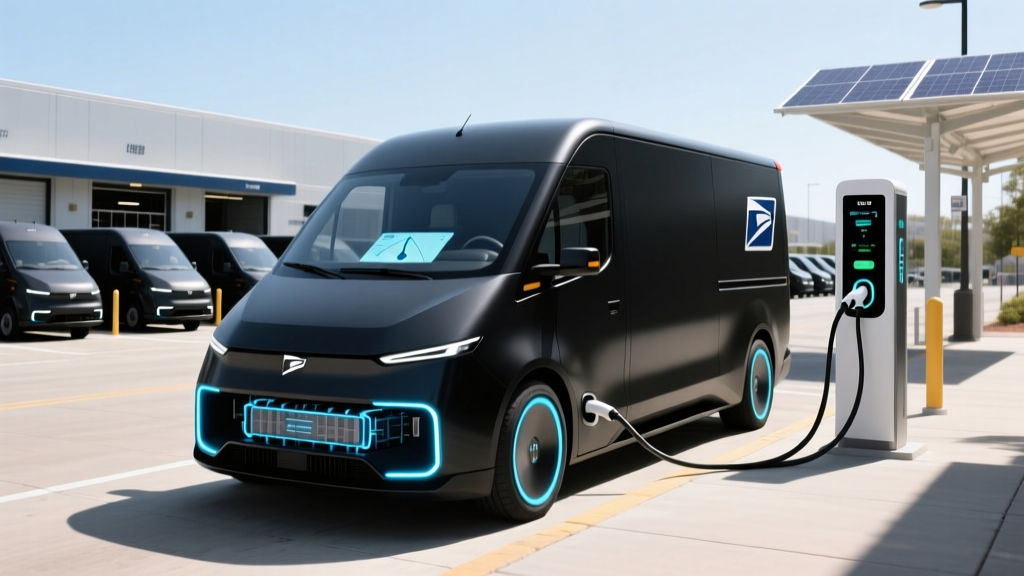
The United States Postal Service is replacing its 30-year-old Grumman LLV mail trucks with the Oshkosh Next Generation Delivery Vehicle (NGDV), available in both battery-electric and low-emission gas variants. As of early 2026, USPS has committed to purchasing at least 45,000 battery-electric NGDVs out of a total fleet modernization plan of up to 106,000 vehicles by 2028. The electric variant features a 63 kWh LFP battery, an estimated 70–85 mile real-world range, and Level 2 AC charging capability. Production began in mid-2025 at Oshkosh Defense's facility in Spartanburg, South Carolina, with deliveries accelerating into 2026.
The USPS Fleet Problem: Why Electrification Matters Now
For over three decades, the USPS relied on the Grumman Long Life Vehicle (LLV) — a boxy, right-hand-drive mail truck built between 1987 and 1994 on a Chevrolet S-10 chassis. These vehicles were rated at roughly 10 MPG combined, lacked air conditioning, airbags, and modern safety features, and had become increasingly expensive to maintain. By 2024, the USPS estimated it was spending over $5,000 per year per LLV on maintenance alone, with some vehicles logging over 200,000 miles.
The replacement program — one of the largest fleet procurements in U.S. government history — was initially controversial. Postmaster General Louis DeJoy's original 2021 contract with Oshkosh Defense specified only 10% electric vehicles, with the remaining 90% being gas-powered. After intense pushback from the EPA, environmental groups, and congressional lawmakers, the USPS revised its plan in late 2022 to commit to at least 50% battery-electric vehicles, eventually raising that figure further.
The stakes are significant: the USPS operates roughly 230,000 delivery vehicles covering an estimated 4.4 billion miles annually. Even partial electrification represents a meaningful reduction in fleet emissions and operating costs.
Oshkosh NGDV Electric: Full Specifications Breakdown
The battery-electric NGDV is purpose-built for last-mile delivery routes. It is not a consumer vehicle and is not available for private purchase, but its specifications reveal a pragmatic engineering approach optimized for stop-and-go urban and suburban routes.
| Specification | Electric NGDV (BEV) | Gas NGDV (ICE) |
|---|---|---|
| Battery Capacity | 63 kWh (LFP chemistry) | N/A |
| EPA-Estimated Range | ~85 miles | ~130 miles (16-gal tank) |
| Real-World Range (loaded, A/C) | 60–75 miles | ~110 miles |
| Motor Output | ~150 kW (~201 hp) | ~200 hp (2.0L turbo I4) |
| Charging (Level 2 AC) | ~19.2 kW, 0–100% in ~4 hours | N/A |
| DC Fast Charging | Not equipped | N/A |
| Payload Capacity | ~2,000 lbs cargo | ~2,000 lbs cargo |
| Cargo Volume | ~140 cu ft | ~140 cu ft |
| Climate Control | Heat pump HVAC | Conventional HVAC |
| Safety Features | AEB, LDW, backup camera, 360° cameras | Same |
| Designed Lifespan | 20 years / 200,000+ miles | 20 years / 200,000+ miles |
Why LFP Battery Chemistry?
Oshkosh selected lithium iron phosphate (LFP) cells for the NGDV, a deliberate choice for fleet applications. LFP batteries sacrifice some energy density compared to NMC (nickel manganese cobalt) chemistries — meaning a heavier pack for the same kWh — but offer major advantages for a postal delivery vehicle:
- Cycle life: LFP cells typically sustain 3,000–5,000+ full charge cycles before reaching 80% capacity retention, versus roughly 1,000–2,000 cycles for NMC. For a mail truck charged daily, that translates to 10–15+ years of service before meaningful degradation.
- Thermal stability: LFP chemistry is inherently more resistant to thermal runaway, a critical safety factor for vehicles parked densely in postal depots overnight.
- Cost: LFP cells are roughly 20–30% cheaper per kWh than NMC, reducing the per-vehicle procurement cost.
- No cobalt: LFP eliminates cobalt entirely, sidestepping supply-chain and ethical sourcing concerns.
Real-World Range Reality Check
The NGDV's ~85-mile EPA-estimated range assumes moderate temperatures and a representative delivery route. In practice, USPS carriers report that loaded vehicles running HVAC in summer heat or winter cold see effective ranges of 60–75 miles. Cold-weather testing in northern states suggests up to 25–30% range reduction at temperatures below 25°F, consistent with LFP chemistry's known cold-weather sensitivity. For most urban routes averaging 20–40 miles per day, this is adequate. For rural routes exceeding 60 miles, USPS is deploying the gas-powered NGDV variant or retaining existing vehicles.
USPS EV Charging Infrastructure: Depot-Level Strategy
Unlike consumer EVs that rely on home and public charging networks, USPS electric vehicles charge exclusively at postal depot facilities using Level 2 AC infrastructure. The charging model is straightforward: vehicles return to the depot each evening and charge overnight, ready for the next morning's route.
| Charging Level | Power (kW) | NGDV Charge Time (0–100%) | Deployment |
|---|---|---|---|
| Level 1 (120V) | ~1.4 kW | ~45+ hours | Not used |
| Level 2 (208/240V) | ~19.2 kW | ~3.5–4 hours | Primary depot charging |
| DC Fast Charge | N/A | N/A | NGDV not equipped |
The USPS has been upgrading depot electrical infrastructure to support hundreds of simultaneous Level 2 chargers at major distribution centers. This involves significant investment in switchgear upgrades, transformer replacements, and utility service capacity expansions — often the most expensive component of fleet electrification. A single depot installing 50 Level 2 chargers at 19.2 kW each requires nearly 1 MW of additional electrical capacity, which may necessitate utility-side infrastructure upgrades taking 12–18 months.
The federal government has allocated funding through the Inflation Reduction Act and separate USPS appropriations to cover both vehicle procurement and charging infrastructure buildout. Exact per-depot costs vary widely by existing electrical capacity and local utility rates.
Cost Comparison: Electric NGDV vs. Gas NGDV vs. Legacy LLV
The economic case for USPS electric vehicles rests on lower per-mile operating costs, even though the upfront purchase price is higher. Here's how the three vehicle options compare on a per-vehicle, per-year basis based on USPS route data and publicly reported figures:
| Cost Factor | Legacy Grumman LLV | Gas NGDV (ICE) | Electric NGDV (BEV) |
|---|---|---|---|
| Estimated Unit Cost | Fully depreciated | ~$37,000 | ~$50,000–$55,000 |
| Fuel/Energy Cost per Mile | $0.30–$0.40 (10 MPG) | $0.18–$0.22 (16 MPG) | $0.06–$0.10 (electricity) |
| Annual Fuel/Energy (12,000 mi/yr) | $3,600–$4,800 | $2,160–$2,640 | $720–$1,200 |
| Annual Maintenance Estimate | $5,000+ | $2,500–$3,000 | $1,200–$1,800 |
| Estimated Annual Operating Cost | $8,600–$9,800+ | $4,660–$5,640 | $1,920–$3,000 |
| 20-Year Operating Cost (est.) | $172,000–$196,000+ | $93,200–$112,800 | $38,400–$60,000 |
On a 20-year lifecycle basis, the electric NGDV is projected to save the USPS roughly $35,000–$55,000 per vehicle compared to the gas variant, and far more compared to retaining the LLV. The breakeven point on the higher upfront purchase price is estimated at 4–6 years of typical route operation, depending on local electricity rates and route intensity.
These figures align with broader fleet electrification economics: electric commercial vehicles typically achieve lower total cost of ownership within 5 years when daily mileage stays within battery range and depot charging is available — conditions the USPS delivery model satisfies almost perfectly.
Rollout Timeline and Current Deployment Status (2026)
As of early 2026, the USPS NGDV program is in active production and deployment:
- Mid-2025: Oshkosh began production at its Spartanburg, SC facility after pandemic- and supply-chain-related delays pushed the timeline back from the original 2024 target.
- Late 2025: Initial deliveries reached pilot postal facilities in select metro areas for operational validation.
- 2026: Production ramping to target output of approximately 10,000–15,000 vehicles annually (combined BEV and ICE), with priority deployment to urban and suburban routes where daily mileage is lowest and air-quality impact is highest.
- 2027–2028: Planned full-rate production, with the USPS targeting a cumulative 106,000 NGDVs delivered. At least 45,000 (and potentially more, pending future appropriations) will be battery-electric.
The USPS has also separately procured 9,250 commercially available electric delivery vans from Ford (E-Transit) as a supplemental electric fleet, deployed primarily in dense urban environments. The Ford E-Transit offers a 126-mile EPA range and a 68 kWh usable battery, providing more range than the NGDV but less cargo customization for right-hand-drive mail delivery.
What USPS Electrification Means for Consumer EV Buyers
You can't buy an NGDV, so why should consumer EV shoppers care about USPS electric vehicles? Several reasons carry direct relevance:
Infrastructure Spillover
USPS depot electrification is driving utility grid upgrades in thousands of communities nationwide. When a postal depot installs 1 MW+ of new electrical capacity, the local distribution network gets stronger — making it easier for nearby homes and businesses to add Level 2 chargers or EV-ready circuits without costly panel upgrades.
LFP Battery Validation at Scale
The USPS's choice of LFP chemistry for 45,000+ vehicles is one of the largest institutional endorsements of this battery technology in North America. Consumer EVs increasingly use LFP — the Tesla Model 3 Standard Range and base Ford Mustang Mach-E Select both use LFP packs — and the USPS deployment adds real-world durability data that benefits the entire market.
Fleet Economics Prove EV TCO
When the U.S. government's most route-intensive, cost-sensitive agency publicly demonstrates that electric vehicles save money over a 20-year lifecycle, it reinforces the ownership economics that apply to consumer EVs as well. The USPS case is particularly compelling because delivery trucks face the harshest duty cycles: constant stop-and-go, heavy loads, HVAC use all day, and daily deep-discharge cycles.
Common Misconceptions About USPS Electric Vehicles
| Myth | Fact |
|---|---|
| "Electric mail trucks can't handle rural routes." | Correct — and USPS acknowledges this. The gas NGDV variant is specifically deployed for routes exceeding 70+ miles daily or in extreme climates. The fleet is mixed by design. |
| "The whole fleet will be electric by 2026." | False. Only a portion of the 106,000-vehicle order is electric, with deliveries spread through 2028. The USPS still operates over 200,000 vehicles, most of which won't be replaced in this cycle. |
| "LFP batteries can't handle cold weather." | LFP cells do lose more range in cold weather than NMC (~25–30% reduction below 25°F), but the NGDV's heat pump HVAC and thermal management system mitigate this. Most urban routes are short enough to remain viable even in winter. |
| "The program was canceled or defunded." | The program was restructured and delayed but not canceled. Funding from the Inflation Reduction Act and USPS appropriations remains allocated. Production is underway as of 2025–2026. |
| "Electric NGDVs will need battery replacements mid-life." | Unlikely. LFP batteries rated for 3,000–5,000+ cycles, charged once daily, should retain 80%+ capacity through the vehicle's 20-year design life — a key reason LFP was selected. |
Decision Framework: What This Means for Your EV Purchase
If you're researching USPS electric vehicles because you're a consumer evaluating your own EV decision, here's how the USPS program's lessons translate:
Apply USPS Logic to Your Own EV Decision
- If your daily driving is under 80 miles round-trip and you can charge at home overnight → a battery-electric vehicle makes the same economic sense it does for USPS urban routes. You'll save $1,000–$2,000/year on fuel alone versus a comparable gas car.
- If your daily driving exceeds 150 miles or you regularly drive in sub-20°F weather → consider a PHEV (like the Toyota RAV4 Prime) or retain a gas vehicle for long trips, just as USPS uses gas NGDVs for rural routes.
- If you're choosing between LFP and NMC battery chemistries → follow the USPS lead: if you plan to own the vehicle 10+ years and charge daily, LFP's superior cycle life is the better long-term bet. If you need maximum range in a smaller/lighter pack, NMC still wins on energy density.
- If you're worried about grid capacity for home charging → the USPS depot buildout is actively strengthening local grids in thousands of communities. Check with your utility about EV-specific rate plans and transformer upgrade timelines.
Frequently Asked Questions
Can I buy a USPS electric delivery vehicle?
No. The Oshkosh NGDV is a government-fleet-only vehicle and is not available for consumer purchase. If you're looking for a similar right-hand-drive electric van for private use, your options are extremely limited — the closest consumer-available vehicle is the Ford E-Transit, though it is left-hand-drive and not USPS-spec.
How many USPS electric vehicles are on the road in 2026?
Exact deployment numbers are updated periodically by the USPS. As of early 2026, production has ramped but the fleet remains in the thousands rather than tens of thousands, with the majority of electric NGDVs expected to deploy through 2027–2028. The separate Ford E-Transit fleet of ~9,250 vehicles has been more broadly deployed.
What battery chemistry does the NGDV use, and why does it matter?
The electric NGDV uses a 63 kWh LFP (lithium iron phosphate) battery. This matters because LFP offers far longer cycle life (3,000–5,000+ cycles) than NMC chemistry, making it ideal for daily-charged fleet vehicles. The trade-off is lower energy density — meaning the pack is heavier for the same kWh — but for a delivery truck, weight is less critical than longevity.
Will USPS electrification affect my home electricity rates?
Potentially, but likely positively. Large fleet depot electrification can drive utility investment in grid modernization that benefits all ratepayers. Some utilities have introduced time-of-use rates designed for EV charging that offer cheaper overnight electricity — a rate structure originally justified by fleet-scale demand that individual EV owners can also use.
Does the USPS electric NGDV qualify for any tax credits?
The NGDV is a government-procured fleet vehicle and does not qualify for the IRS §30D consumer clean vehicle tax credit, which applies only to new vehicles purchased by individual taxpayers for personal use. For consumer EVs, the §30D credit offers up to $7,500 with MSRP caps, income limits, and battery-sourcing requirements that vary by model year — consult a tax professional for your specific eligibility.
How does the electric NGDV handle extreme weather?
The NGDV is equipped with a heat pump HVAC system, which is more energy-efficient than resistive heating in cold weather (typically 2–3x more efficient). However, LFP batteries still experience reduced performance in extreme cold — expect 25–30% range loss below 25°F. USPS deploys gas NGDVs in regions with severe winters and longer rural routes to mitigate this limitation.
Sources: USPS Newsroom for fleet modernization announcements; Oshkosh Defense for NGDV production specifications; IRS §30D Clean Vehicle Credit for tax credit rules.