The Short Answer on USPS Electric Vehicles
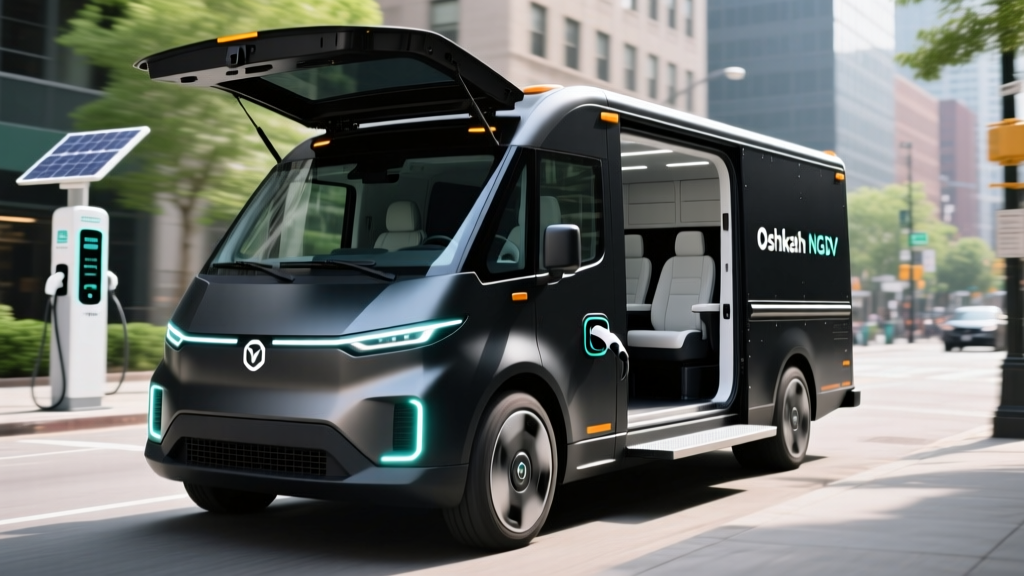
The United States Postal Service is deploying up to 45,000 electric Next Generation Delivery Vehicles (NGDVs) built by Oshkosh Defense as part of a $6 billion modernization contract. These battery-electric vans carry an estimated ~70-mile EPA range, use a ~94 kWh battery pack, and charge via Level 2 AC at postal depots overnight. For consumer EV buyers, the USPS electric rollout signals expanding charging infrastructure investment, validated commercial-grade EV durability data, and a growing used-EV market as early fleet units eventually cycle out. If you're researching how government EV adoption affects your personal buying decision, the USPS fleet is the largest single electric commercial-vehicle deployment in U.S. history — and it carries lessons for range expectations, depot charging economics, and total cost of ownership.
What Is the USPS Electric NGDV? Specs and Platform Overview
The Next Generation Delivery Vehicle is a purpose-built mail van designed to replace the aging Grumman Long Life Vehicle (LLV), which has been in service since 1987 with zero electrification. Oshkosh Defense won the contract in 2021, and after a high-profile dispute with the EPA over the initial gas-heavy mix, the USPS committed in late 2022 to sourcing at least 45,000 battery-electric NGDVs out of a total order of up to 60,000 vehicles.
| Specification | Value |
|---|---|
| Powertrain | Battery-electric (BEV) |
| Battery Capacity | ~94 kWh (usable, lithium-ion NMC) |
| EPA-Estimated Range | ~70 miles (route-dependent) |
| Charging | Level 2 AC (J1772), ~7–10 kW onboard |
| 10–100% Charge Time | ~10–12 hours (overnight depot) |
| DC Fast Charging | Not equipped (fleet depot model) |
| Cargo Volume | ~120 cu ft (right-hand drive configured) |
| Payload Capacity | ~2,000 lbs |
| GVWR | ~9,100 lbs |
| 0–30 mph | ~5.5 seconds (unloaded, est.) |
| Climate Control | Full HVAC with electric heat pump |
| ADAS | AEB, lane departure warning, 360° cameras, backup sensors |
| Warranty | 3 years / 36,000 miles (bumper-to-bumper), 8 years battery |
The NGDV's ~70-mile range may sound modest compared to consumer EVs like the Hyundai Ioniq 5 (318 miles EPA) or Tesla Model Y (310 miles EPA). But postal routes are predictable: the average daily mail route covers 20–40 miles with frequent stops, making a 70-mile buffer more than sufficient for a full day's work with reserve capacity for detours and climate-control draw.
USPS Electric vs. Gas LLV: The Cost and Efficiency Comparison
The old Grumman LLV gets roughly 8–10 MPG on a typical stop-and-go route — among the worst fuel economy of any vehicle on American roads. The electric NGDV eliminates tailpipe emissions and dramatically cuts per-mile energy cost.
| Cost Factor | NGDV Electric | Grumman LLV (Gas) |
|---|---|---|
| Annual Miles (typical route) | ~7,500 mi | ~7,500 mi |
| Energy/Fuel Economy | ~2.2 kWh/mi | ~9 MPG |
| Annual Energy Use | ~16,500 kWh | ~833 gallons |
| Cost per Unit | $0.12/kWh (avg. commercial) | $3.40/gallon (avg. 2025) |
| Annual Fuel/Energy Cost | ~$1,980 | ~$2,832 |
| Annual Maintenance (est.) | ~$800 | ~$2,200 |
| Total Annual Operating Cost | ~$2,780 | ~$5,032 |
| Annual Savings per Vehicle | ~$2,252 | |
At scale across 45,000 electric units, that translates to roughly $101 million in annual operating savings — before factoring in reduced emissions penalties, HVAC efficiency gains (electric heat pumps are far more efficient than engine-waste-heat cabin heating), and lower brake wear from regenerative braking.
Real-World Range Reality for the NGDV
The ~70-mile EPA figure assumes moderate temperatures and mixed driving. In cold-weather routes (below 32°F), expect 15–25% range reduction due to battery chemistry limitations and cabin heating draw — bringing effective range to approximately 52–60 miles. In hot climates with sustained A/C use, plan for a ~10% reduction. For most postal routes (20–40 mi/day), this still provides adequate margin, but extreme-weather depots may need route-length adjustments or opportunity charging.
Depot Charging Infrastructure: What USPS Is Building
The USPS electric fleet doesn't rely on public DC fast charging. Instead, the Postal Service is investing in depot-based Level 2 charging — installing thousands of AC chargers at postal facilities nationwide. This is the same model used by Amazon's Rivian EDV fleet and most commercial EV fleets.
| Level | Power (kW) | Miles Added per Hour | Use Case |
|---|---|---|---|
| Level 1 (120V) | 1.0–1.4 kW | 3–5 mi/hr | Emergency / trickle |
| Level 2 (240V) | 3.3–19.2 kW | 12–75 mi/hr | Home overnight, fleet depot |
| DC Fast Charge | 50–350 kW | 150–1,200+ mi/hr | Road trips, public stations |
For consumer EV buyers, the USPS depot buildout matters indirectly: the electrical upgrades at postal facilities (panel expansions, transformer upgrades, conduit runs) are stimulating local utility investment in grid capacity — the same infrastructure that supports residential EV charging in surrounding neighborhoods.
The USPS has partnered with the U.S. Postal Service modernization office and the Department of Energy to coordinate charger installations, with funding partially supported by the Inflation Reduction Act's federal fleet electrification provisions.
What USPS Electric Adoption Means for Consumer EV Buyers
Government fleet electrification creates downstream benefits for individual buyers. Here's how the USPS NGDV program connects to your personal EV decision:
1. Validated Durability Data
Postal vehicles endure some of the harshest duty cycles in commercial driving: 300+ stops per day, constant idling equivalents (door open/close, HVAC cycling), curb impacts, and year-round operation in every U.S. climate zone. As USPS electric NGDVs accumulate millions of fleet miles, the battery degradation and powertrain reliability data will inform consumer confidence in EV longevity — particularly for NMC chemistry packs under stop-and-go duty cycles.
2. Growing Used-EV Supply (Eventually)
Federal fleets typically cycle vehicles at 7–10 years. By the early 2030s, expect early-production NGDVs and other government EVs to enter the used market via GSA auctions — potentially offering budget-priced electric vans for small-business owners, tradespeople, and conversion-project enthusiasts.
3. Charging Infrastructure Expansion
The depot-charging buildout at postal facilities drives utility-side investment. When a postal depot requests 500 kW of new electrical capacity, the local substation and distribution network get upgraded — benefiting nearby residential charging customers who might otherwise face panel-upgrade delays or transformer-capacity constraints.
4. Policy Tailwinds for EV Incentives
Federal fleet electrification reinforces the political durability of EV incentive programs. The IRS §30D clean vehicle tax credit remains available for qualifying consumer purchases in 2026 (up to $7,500 for new EVs, subject to MSRP caps of $55,000 for cars / $80,000 for SUVs and trucks, buyer income limits of $150K single / $300K joint, and battery critical-mineral sourcing requirements). Government fleet commitments signal continued legislative support for these programs.
Cost Breakdown: How Fleet EV Economics Compare to Consumer Ownership
Understanding USPS electric economics helps frame your own EV purchase decision. The principles are the same — higher upfront cost, lower operating cost — but the scale differs.
| Factor | USPS NGDV (Fleet) | Consumer EV (e.g., 2026 Tesla Model Y) |
|---|---|---|
| Purchase Price | ~$60,000–$70,000 (contract est.) | $44,990–$52,490 MSRP |
| Tax Credit / Incentive | Federal fleet (no §30D) | Up to $7,500 (§30D, if eligible) |
| Effective Price After Credit | ~$60,000–$70,000 | ~$37,490–$44,990 |
| Charging Setup Cost | $3,000–$8,000 per depot stall | $500–$2,500 home Level 2 install |
| Energy Cost per Mile | ~$0.055/mi | ~$0.04–$0.06/mi (home charging) |
| Maintenance per Year | ~$800 | ~$400–$700 |
| Insurance per Year | Fleet-rated (varies) | ~$1,800–$2,400 |
| Expected Lifespan | 7–10 years / 100,000+ mi | 10–15 years / 150,000–200,000 mi |
For a consumer, the EPA's fueleconomy.gov calculator shows that a typical EV owner charging primarily at home saves $600–$1,200 per year versus a comparable gas vehicle, depending on local electricity rates and gas prices. Over a 5-year ownership period, that's $3,000–$6,000 in fuel savings — often enough to offset a higher purchase price even before the tax credit.
Common Misconceptions About USPS Electric Vehicles
| Myth | Fact |
|---|---|
| "70 miles of range isn't enough for delivery routes." | Average USPS routes are 20–40 miles/day. The 70-mile EPA range provides a 75–250% buffer, even with cold-weather degradation. |
| "Electric mail trucks can't handle rural routes." | The USPS is deploying NGDVs to both urban and rural facilities. Longer rural routes may initially retain gas-powered or hybrid vehicles where daily mileage exceeds the electric range buffer. |
| "The USPS electric vans need DC fast chargers everywhere." | The NGDV charges overnight at depot Level 2 stations. No public DC fast-charging infrastructure is required for normal operations. |
| "Taxpayer money is wasted on expensive EVs." | The ~$2,252/year per-vehicle operating savings means the higher purchase price is typically recouped within 5–7 years, after which the government (and taxpayers) net savings for the remaining vehicle life. |
| "Battery replacement will bankrupt the program." | The 8-year battery warranty covers capacity below threshold (typically 70% SoH). At postal duty cycles, NMC packs are projected to retain 80%+ capacity at 100,000 miles based on comparable fleet data from Rivian EDVs and transit agencies. |
Decision Framework: Should You Buy an EV Based on What the USPS Is Doing?
If X, Then Y — EV Buying Decision Guide
- If you drive under 50 miles/day with home charging access: The same depot-charging, overnight-fill model the USPS uses works perfectly for you. A 250+ mile EPA-range consumer EV (Tesla Model 3, Hyundai Ioniq 5, Chevrolet Equinox EV) gives you multi-day buffer between charges. Buy with confidence.
- If you drive 100+ miles/day or lack home charging: Fleet operators solve this with depot infrastructure. You'll need reliable public DC fast charging (look for 150+ kW chargers on your route) or a PHEV bridge. Consider a plug-in hybrid (Toyota RAV4 Prime, Jeep Wrangler 4xe) or ensure robust fast-charging access before committing to a BEV.
- If you live in a cold climate (sub-30°F winters): The USPS plans for 15–25% range loss. You should too. Buy 25–30% more EPA range than your daily needs require. LFP chemistry (Tesla Model 3 RWD, Ford Mustang Mach-E Select) offers slower degradation but greater cold-weather range loss than NMC. Prioritize range headroom and a heat pump.
- If you're waiting for fleet EVs to hit the used market: Don't hold your breath. USPS NGDVs won't cycle to auction until the early 2030s at the earliest. The current §30D tax credit (up to $7,500 new, $4,000 used) is available now and may not persist indefinitely. Don't time your purchase around fleet liquidations.
- If you want a commercial EV van for your business: The NGDV isn't available to private buyers. Look at the Ford E-Transit (126 mi EPA, ~$47,000), Mercedes-Benz eSprinter (200+ mi EPA, ~$72,000), or Rivian EDV (available only to Amazon). Match range to your daily route, and budget $2,000–$5,000 for depot Level 2 charger installation.
Frequently Asked Questions
Can I buy a USPS electric NGDV for personal use?
No. The Oshkosh NGDV is built exclusively under a federal contract for USPS use. It is not available for consumer or private commercial purchase. When early units are eventually decommissioned (likely in the 2030s), they may appear at GSA government auctions, but availability and condition will vary.
How much does the USPS electric delivery vehicle cost?
The estimated per-unit cost of the NGDV is $60,000–$70,000 under the Oshkosh contract, which includes the vehicle, integrated charging hardware, and fleet-management software. This is higher than the gas-powered alternative but is offset by significantly lower operating costs over the vehicle's 7–10 year service life.
What battery does the USPS NGDV use?
The NGDV uses an approximately 94 kWh lithium-ion battery pack with NMC (nickel manganese cobalt) chemistry. NMC offers higher energy density than LFP, which is important given the NGDV's large cargo volume and GVWR of ~9,100 lbs. The pack carries an 8-year warranty.
Does the USPS electric van have DC fast charging?
No. The NGDV is designed for overnight depot charging via Level 2 AC (J1772 connector) at approximately 7–10 kW. A full charge from near-empty takes 10–12 hours, which aligns with the postal operational model of returning to the depot each evening. This is similar to how most consumer EV owners charge at home — overnight Level 2 is sufficient for daily needs.
How does the USPS NGDV range compare to consumer EVs?
The NGDV's ~70-mile EPA range is much lower than most consumer EVs (which range from 230 to 400+ miles EPA). But this is by design: postal routes average 20–40 miles daily, so 70 miles provides ample buffer. Consumer EVs need longer range because personal driving patterns are less predictable and include highway trips, detours, and multi-day travel without guaranteed charging access.
Will the USPS charging buildout help public EV charging?
Indirectly, yes. Depot charging installations require utility-side electrical upgrades (transformers, distribution lines, substations) that increase grid capacity in the surrounding area. While USPS chargers are not open to the public, the infrastructure investment strengthens the local electrical ecosystem that residential EV chargers depend on.
What's the environmental impact of replacing the LLV with electric NGDVs?
The old Grumman LLV averages 8–10 MPG and has no emissions controls beyond early-1990s standards. Replacing 45,000 LLVs with zero-tailpipe-emission NGDVs eliminates an estimated 150,000+ metric tons of CO₂ annually (based on 7,500 miles/year × 833 gallons × 8.89 kg CO₂/gallon). Upstream emissions depend on each depot's local grid mix, but even on coal-heavy grids, the efficiency advantage of electric drivetrains results in net emissions reductions.