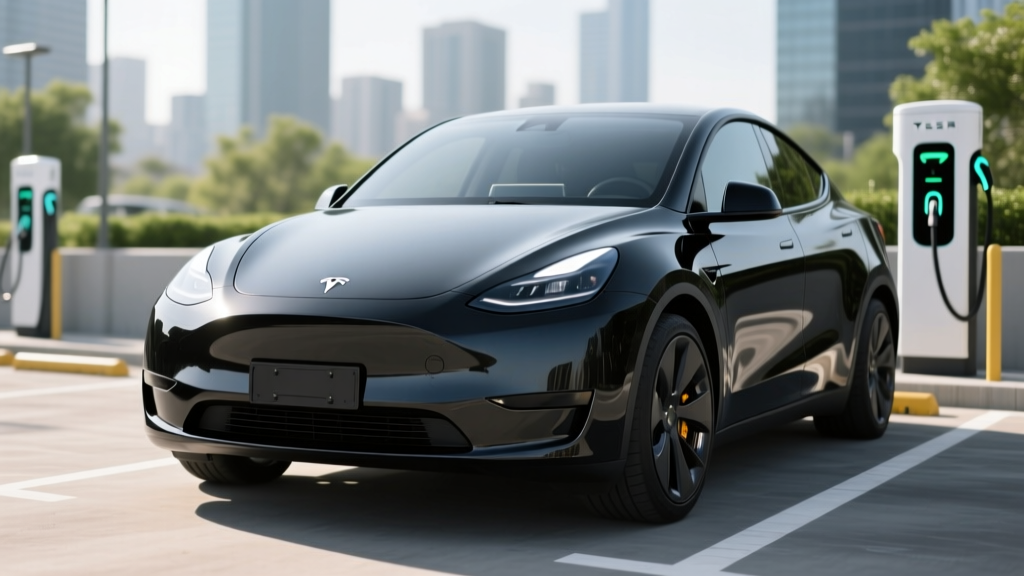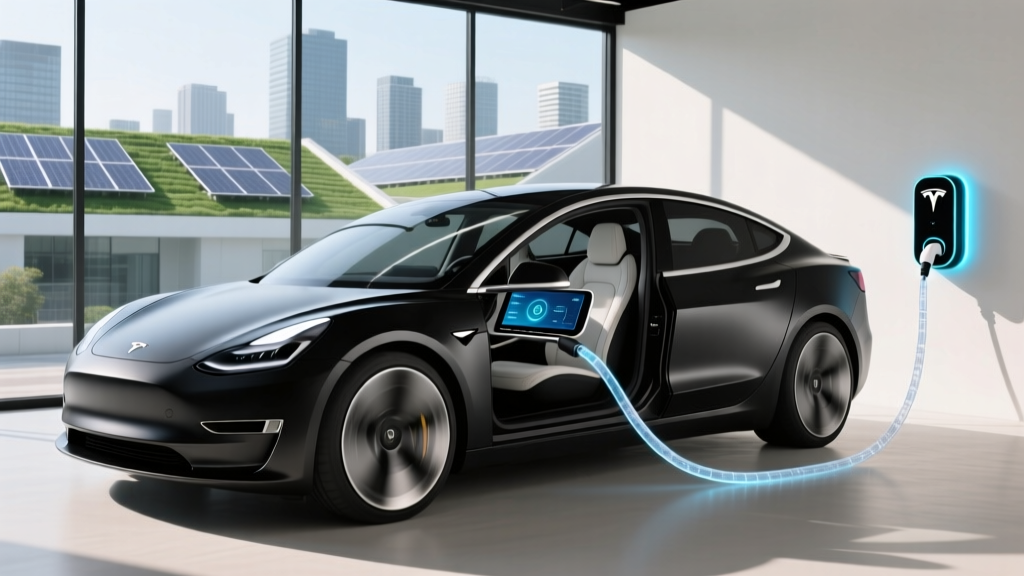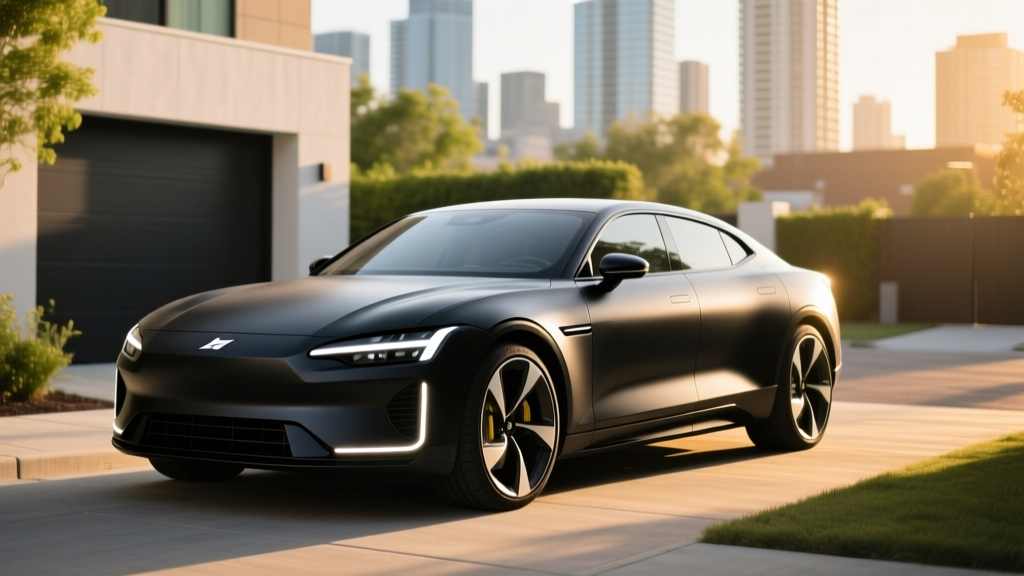
The Polestar 5 has always occupied a specific niche: a grand-touring electric sedan that rivals the Porsche Taycan and Tesla Model S on performance while leaning harder into Scandinavian design restraint. If you're researching a used Polestar 5 in 2026, you're likely looking at 2024 and 2025 model-year examples hitting the pre-owned market as early lease returns and enthusiast trade-ins begin to surface. This guide covers everything you need to evaluate a used example — from real-world range and 800-volt charging behavior to battery warranty transfer and total cost of ownership.
The Polestar 5 Long Range Dual Motor carries an EPA-estimated 335 miles of range on its 103 kWh (usable) NMC battery pack. In real-world mixed driving, expect closer to 275–305 miles at sustained highway speeds of 70–75 mph. In cold weather (below 32°F), plan for a 15–25% reduction, dropping effective range to roughly 230–260 miles unless you precondition the battery while plugged in.
Core Specs at a Glance
| Specification | Polestar 5 Long Range Dual Motor |
|---|---|
| EPA Range | 335 miles (est.) |
| Battery Capacity | 103 kWh usable, NMC (nickel-manganese-cobalt) |
| Drivetrain | Dual-motor AWD |
| Horsepower | 884 hp (Performance) |
| 0–60 mph | 3.1 seconds |
| Max DC Fast Charge | 250 kW (800V architecture) |
| 10–80% DC Charge | ~18 minutes (optimal conditions) |
| Level 2 Home Charge | 11 kW onboard charger (~30 mi/hr) |
| MPGe (Combined) | 94 MPGe (est.) |
| Efficiency | ~36 kWh/100 mi |
| Cargo Volume | 15.7 cu ft (trunk) + 1.1 cu ft (frunk) |
| Rear Legroom | 35.2 inches |
| Battery Warranty | 8 years / 100,000 miles (70% capacity retention) |
| Original MSRP (2024) | $99,900 (GT) – $124,900 (BST) |
Real-World Range and Efficiency
The 103 kWh NMC pack in the Polestar 5 is among the larger batteries in the luxury GT sedan segment. However, the car's performance orientation and 5,000+ lb curb weight mean efficiency isn't class-leading. At a steady 65 mph on flat terrain in mild temperatures, owners report achieving 300–315 miles before needing a charge. Push that to 75–80 mph on an interstate run, and you'll see 260–280 miles of practical range before hitting the 10% buffer.
The NMC chemistry provides excellent energy density (enabling that 335-mile EPA figure in a sedan form factor) but is more thermally sensitive than LFP. In sub-freezing conditions without preconditioning, range loss of 20–25% is typical. The Polestar 5's heat pump — standard on all trims — mitigates cabin-heating energy draw, but the battery itself still suffers reduced chemical efficiency in cold weather.
Efficiency hovers around 36 kWh per 100 miles in mixed driving, which is less efficient than a Lucid Air (~25 kWh/100 mi) but comparable to the Audi e-tron GT. For buyers focused on road-trip range, this means slightly more frequent charging stops than the most efficient competitors.
Charging: 800V Architecture Done Right
The Polestar 5's 800-volt electrical architecture is one of its strongest selling points on the used market. This platform enables sustained high-power DC fast charging that outperforms older 400V rivals.
| Charging Level | Power | Speed / Time |
|---|---|---|
| Level 1 (120V) | 1.4 kW | ~4 miles per hour |
| Level 2 (240V, 48A) | 11 kW | ~30 miles per hour (full charge ~10 hrs) |
| DC Fast (800V, peak) | 250 kW | 10–80% in ~18 min (160+ mi added in 10 min) |
| DC Fast (50 kW station) | 50 kW | 10–80% in ~90 min |
The charge curve is impressively flat through the mid-state-of-charge range. On a 350 kW-capable Electrify America or Ionity station, the Polestar 5 sustains above 200 kW from roughly 15% to 55% SoC before tapering to ~150 kW through 70%, then dropping more steeply above 80%. This means the published 18-minute 10–80% time is achievable at a high-quality charger with a preconditioned battery.
Used-buyer tip: Verify that the vehicle's software is current. Polestar issued OTA updates in late 2024 that improved preconditioning logic and charge-curve optimization. An early-build 2024 model that hasn't received these updates may charge 2–3 minutes slower from 10–80%.
For home charging, the 11 kW onboard charger is adequate for overnight replenishment. A typical daily commute of 40–60 miles requires only 2–3 hours on a Level 2 home station. The Polestar 5 uses the CCS1 connector (or NACS on 2025+ models with the adapter ecosystem), so confirm which port your target vehicle has before buying a home charger.
Performance and Driving Dynamics
The dual-motor all-wheel-drive powertrain in the Polestar 5 produces up to 884 horsepower in the BST (Battlestar) performance variant and 619 hp in the standard GT trim. The 3.1-second 0–60 mph time places it firmly in supercar territory, and unlike some EVs that overheat after repeated launches, the Polestar 5's thermal management system handles sustained performance driving well.
The bonded aluminum space frame and low-slung battery pack contribute to a center of gravity that makes the car feel planted through corners. Polestar partnered with Öhlins on the adaptive dampers (standard on BST, optional on GT), and the result is a ride that balances grand-touring compliance with genuine sports-sedan body control. Air suspension is available on higher trims, adding adjustable ride height for speed bumps and steep driveways.
Regenerative braking offers three modes: strong (near one-pedal driving), moderate, and off. The blended brake pedal feel is among the better implementations in the segment — predictable and linear, without the abrupt grab some EVs exhibit at the regen-to-friction handoff.
Pricing, Depreciation, and Tax Credits on a Used Polestar 5
Original MSRPs for the Polestar 5 ranged from $99,900 for the base GT to $124,900 for the BST edition. As early 2024 examples enter the used market in 2026, expect pricing in the $62,000–$85,000 range depending on mileage, trim, and condition.
| Scenario | Estimated Price |
|---|---|
| 2024 GT, 20k miles, CPO | $68,000–$74,000 |
| 2024 BST, 15k miles, private party | $78,000–$85,000 |
| 2025 GT, 8k miles, dealer | $82,000–$90,000 |
Federal used-EV tax credit (§25E): Under current IRS rules, you may qualify for up to $4,000 or 30% of the sale price (whichever is less) on a used Polestar 5, provided:
- The sale price is $25,000 or less (this effectively disqualifies the Polestar 5 from the used-EV credit at current market prices)
- Your modified adjusted gross income falls below $75,000 (single) / $150,000 (joint)
- The vehicle is purchased from a licensed dealer
- The vehicle is at least two model years old
Because used Polestar 5 prices remain well above the $25,000 sale-price cap, the federal used-EV credit does not apply to this model at current market values. The original §30D new-vehicle credit of up to $7,500 would have been available to the first buyer (subject to income caps and battery-sourcing requirements), but that credit does not transfer to subsequent owners.
Interior, Technology, and Practicality
The Polestar 5's cabin is a study in Scandinavian minimalism. The 15-inch portrait-oriented infotainment screen runs Polestar's Android Automotive OS, with native Google Maps navigation that integrates route planning with charging stops — a significant usability advantage on road trips. Google Assistant voice control handles climate, navigation, and media requests reliably.
Notable technology includes:
- Pilot Pack (adaptive cruise with lane centering, SAE Level 2 — driver must remain engaged)
- 360-degree camera with transparent hood view
- 16-speaker Bowers & Wilkins audio system (optional on GT, standard on BST)
- Over-the-air software updates
- Phone-as-key via Bluetooth Low Energy
Practicality is the Polestar 5's weakest point relative to competitors. The 15.7 cu ft trunk is a conventional sedan trunk (not a liftback), limiting cargo flexibility compared to the Tesla Model S's 28 cu ft hatchback area. Rear legroom at 35.2 inches is adequate for adults on shorter trips but tighter than a Mercedes EQS. The 1.1 cu ft frunk is essentially a token storage space for charging cables.
The Polestar 5's Pilot Pack and Pilot Pack with LiDAR are SAE Level 2 driver-assistance systems. The driver must maintain hands-on-wheel awareness and full attention at all times. This is not autonomous or self-driving capability. Polestar has announced future Level 3 features via OTA, but as of 2026, no consumer Polestar 5 operates above Level 2 on public roads.
Battery Health and Warranty Transfer
The 103 kWh NMC battery pack is covered by Polestar's 8-year / 100,000-mile warranty with a capacity retention threshold of 70%. This warranty is fully transferable to subsequent owners — a critical point for used buyers.
For a 2024 model-year Polestar 5, the battery warranty remains valid through 2032 or 100,000 miles, whichever comes first. Request a State of Health (SoH) report from a Polestar service center before purchase. Early NMC packs in high-performance applications have shown 3–5% degradation over the first 30,000 miles, which is within normal parameters. A SoH reading below 94% on a sub-30k-mile example warrants investigation.
NMC chemistry generally has a shorter cycle life than LFP, but for a GT sedan driven 12,000–15,000 miles annually, the battery should comfortably retain 85%+ capacity through year six. Avoid examples that show a pattern of frequent DC fast charging to 100% — the charge history (accessible via the Polestar app with owner permission) can reveal charging habits that accelerate degradation.
Pros and Cons
- 800V architecture delivers genuinely fast 18-min 10–80% charging
- 884 hp BST variant offers supercar acceleration with daily usability
- Build quality and materials rival Porsche and Mercedes
- Battery warranty fully transfers to second owner
- Android Automotive OS with integrated Google Maps charging
- Trunk space (15.7 cu ft) trails Tesla Model S and Lucid Air
- Efficiency (~36 kWh/100 mi) means more frequent road-trip stops
- No federal used-EV credit due to $25k sale-price cap
- Polestar's US service network remains limited in rural areas
- Rear seat comfort on par with mid-size sedans, not full-size luxury
Who Should Buy a Used Polestar 5?
The used Polestar 5 is best suited for performance-oriented buyers who want a distinctive alternative to the ubiquitous Tesla Model S and value design quality over maximum cargo space. It's a strong fit if you have reliable home charging access, take road trips where 250 kW DC fast charging saves meaningful time, and appreciate the tactile quality of Scandinavian interior design.
It's a weaker fit if you need maximum rear-seat room for car seats, regularly haul cargo that requires a hatchback, or live far from a Polestar service center. Buyers prioritizing efficiency above all else should consider the Lucid Air, which achieves 400+ miles on less energy.
Frequently Asked Questions
What is the real-world highway range of a used Polestar 5?
Expect 260–280 miles at 75 mph in mild weather, and 230–260 miles in freezing temperatures. The EPA 335-mile figure reflects a mixed city/highway cycle with generous city regenerative braking.
Does a used Polestar 5 qualify for any federal tax credit?
No. The §25E used-EV credit caps eligible sale prices at $25,000, and used Polestar 5 examples currently sell for $62,000+. No federal credit applies at these prices.
Is the Polestar 5's battery warranty transferable?
Yes. The 8-year/100,000-mile battery warranty (70% capacity retention) transfers automatically to subsequent owners with no paperwork required.
How does the Polestar 5 compare to a used Porsche Taycan?
The Polestar 5 offers comparable performance (3.1s vs 3.0s 0–60) with slightly more range and faster peak charging, at a lower used-market price point. The Taycan has a more established service network and stronger brand cachet but a smaller frunk and similarly tight rear seat.
What connector does the Polestar 5 use for charging?
2024 models use CCS1. Polestar has provided NACS adapters for 2025+ models and offers a retrofit adapter for 2024 examples to access the Tesla Supercharger network. Confirm adapter availability with the seller.
Should I get a pre-purchase inspection on a used Polestar 5?
Absolutely. Request a Polestar-certified multi-point inspection that includes a battery SoH report, software version verification, and suspension component assessment. Independent EV shops familiar with 800V systems are an alternative if no Polestar service center is nearby.