If you've been browsing dealer lots or online marketplaces wondering, "tell me about the current bargains on used electric vehicles," you're not alone. The used EV market in 2026 has reached a sweet spot: steep initial depreciation on 2022–2024 models has created genuine value, and a federal tax credit specifically for pre-owned EVs can knock up to $4,000 off your purchase price at the point of sale. But bargains only matter if the total cost of ownership actually works in your favor.
This guide breaks down the real numbers — the 5-year cost of owning a used EV versus a comparable gas car, the exact tax credit eligibility rules, what you'll save on fuel and maintenance, what you'll pay more for in insurance, and which models represent the best value right now.
The Used EV Market in 2026: Where the Bargains Are
Used EV prices have corrected significantly since the inflated pandemic-era peaks. Models from the 2022–2024 model years are now hitting off-lease and trade-in inventories in volume, and depreciation curves have flattened enough that buyers are getting 30–50% off original MSRP on vehicles with healthy battery state-of-health (SoH) readings.
Here's where the strongest value sits in early 2026:
- Chevrolet Bolt EV/EUV (2022–2023): Originally $26,500–$33,000 new, these are appearing between $13,000–$18,000 used. With an EPA range of 259 miles (Bolt EV) and 247 miles (EUV), a 65 kWh NMC battery, and eligibility for the full $4,000 used-EV credit, the effective price can drop below $10,000. The trade-off: DC fast charging peaks at just 55 kW, meaning a 10–80% charge takes roughly 45 minutes.
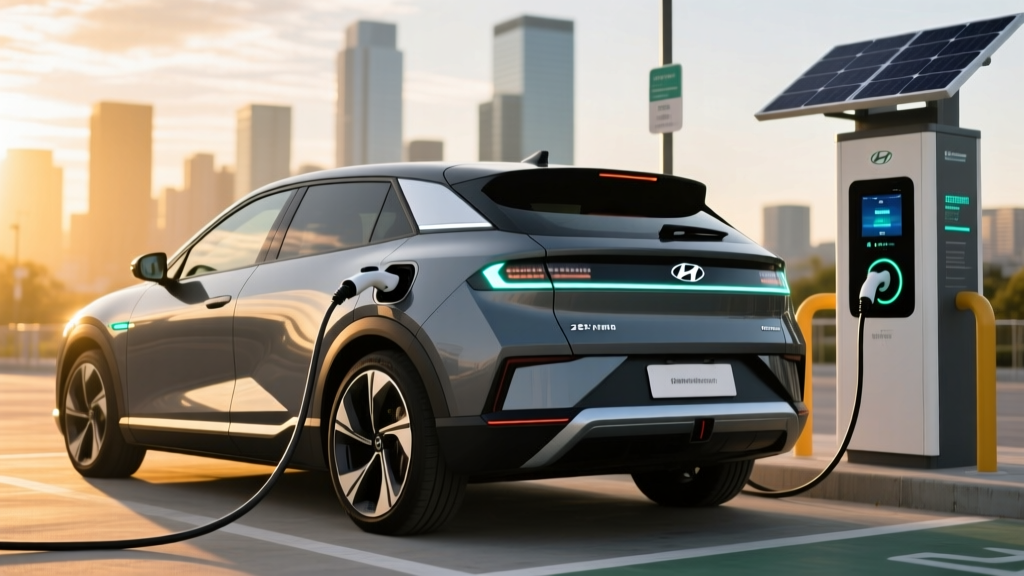
- Hyundai Ioniq 5 (2022–2023): Originally $41,450–$52,200, used examples range from $24,000–$34,000. The 800V architecture delivers peak 240 kW DC fast charging (10–80% in ~18 minutes), EPA range up to 303 miles on the Long Range RWD, and a 77.4 kWh battery. This is one of the best charging-speed-to-price ratios in the used market.
- Tesla Model 3 (2021–2023): Used prices sit around $22,000–$30,000. EPA range varies from 272 miles (Standard Range) to 358 miles (Long Range AWD). The Supercharger network access is a practical advantage, though insurance costs run higher than most competitors.
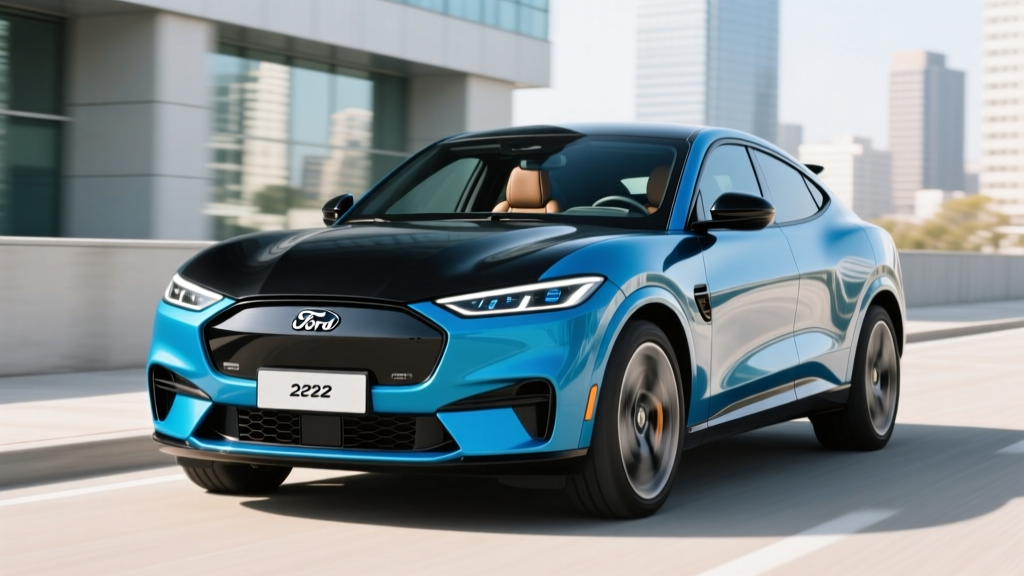
- Ford Mustang Mach-E (2021–2023): Appearing at $23,000–$32,000 used. EPA range spans 230–314 miles depending on battery (70 kWh standard / 91 kWh extended) and drivetrain. DC fast charging peaks at 150 kW (10–80% in ~35 minutes on the extended range).
- Nissan Leaf (2022–2024): The bargain bin. Leaf S (40 kWh, EPA 149 miles) can be found under $12,000; Leaf SV Plus (62 kWh, EPA 212 miles) around $15,000–$19,000. CHAdeMO charging limits long-trip practicality, but for daily commuting under 100 miles, the value is hard to beat.
The Federal Used-EV Tax Credit: Up to $4,000 at Point of Sale
The IRS §25E Previously-Owned Clean Vehicle Credit offers up to $4,000 — or 30% of the sale price, whichever is lower — for qualifying used EVs and PHEVs. As of 2026, this credit can be transferred to the dealer at the point of sale, meaning you get the discount upfront rather than waiting to claim it on your tax return.
§25E Used-EV Tax Credit Eligibility Checklist (2026 Rules)
- Credit amount: 30% of sale price, up to $4,000 maximum
- Vehicle price cap: Sale price must be $25,000 or less
- Vehicle age: Must be at least 2 model years old (2024 or older for a 2026 purchase)
- Vehicle type: Must be a qualifying clean vehicle (BEV or PHEV with ≥4 kWh battery)
- Buyer income limits (modified AGI): $75,000 single / $112,500 head of household / $150,000 joint
- Claim frequency: Once every 3 years per buyer
- Dealer requirement: Must purchase from a licensed dealer (private-party sales excluded)
- Point-of-sale transfer: Available — credit applied as price reduction at purchase
What this means in practice: A 2023 Chevrolet Bolt EV purchased for $16,000 from a dealer qualifies for the full $4,000 credit (30% of $16,000 = $4,800, capped at $4,000), dropping the effective price to $12,000 — provided your income falls within the caps. A 2022 Tesla Model 3 at $24,500 qualifies for $4,000 (capped). A 2023 Ioniq 5 at $28,000 does not qualify because it exceeds the $25,000 sale-price cap.
The §25E credit is separate from the §30D new-vehicle credit (up to $7,500 for new EVs). You cannot claim both on the same vehicle, and the §25E's once-every-3-years limit means strategic timing matters.
State, Local, and Utility Incentives
Beyond federal credits, many states and utilities offer additional rebates for used EV purchases — but these vary dramatically by jurisdiction. Examples include Colorado's state EV credit (up to $2,500 for used EVs under certain income thresholds), California's Clean Cars 4 All program for low-income buyers, and utility rebates from providers like PG&E, Xcel Energy, and ConEdison for home charging equipment. Check your state energy office and local utility for current programs — amounts and eligibility change frequently.
5-Year Total Cost of Ownership: Used EV vs. Comparable Gas Car
Let's model a realistic 5-year ownership scenario comparing a used 2023 Chevrolet Bolt EV (purchased at $16,000 before credit) against a used 2023 Toyota Corolla LE gas sedan (purchased at ~$18,000). Both are practical compact vehicles. We'll assume 12,000 miles/year (60,000 miles total), home Level 2 charging for the EV, and national-average fuel and electricity rates.
| Cost Category | 2023 Bolt EV (Used) | 2023 Corolla LE (Used) |
|---|---|---|
| Purchase Price | $16,000 | $18,000 |
| Federal Tax Credit | −$4,000 | $0 |
| Effective Purchase | $12,000 | $18,000 |
| Home Charger Install (Level 2) | $800–$1,500 | $0 |
| Fuel/Energy (60k mi) | $2,520 | $6,600 |
| Maintenance (5 years) | $1,200 | $3,500 |
| Insurance (5 years) | $9,500 | $7,000 |
| Estimated Depreciation | $4,000 | $6,000 |
| 5-Year Total | ~$21,220–$22,720 | ~$35,100 |
The used EV wins this comparison by roughly $12,000–$14,000 over five years, driven primarily by the federal credit, lower fuel costs, and reduced maintenance. But the insurance line item stings — and that's a consistent pattern across most EVs.
Charging vs. Gas: The Per-Mile Cost Math
The fuel savings are where EV ownership delivers its most tangible daily benefit. Here's the arithmetic using 2026 national averages:
Fuel Cost Per Mile Breakdown
| Metric | Bolt EV (Used) | Corolla LE (Used) |
|---|---|---|
| Efficiency | 28 kWh/100 mi (EPA) | 35 MPG combined (EPA) |
| Energy/Fuel Cost | $0.15/kWh (home avg) | $3.30/gal (national avg) |
| Cost Per Mile | $0.042/mi | $0.094/mi |
| Annual Cost (12k mi) | $504 | $1,131 |
| 5-Year Cost (60k mi) | $2,520 | $6,600 |
Savings: ~$4,080 over 5 years, or ~$680/year, when charging primarily at home.
A few critical caveats:
- Public DC fast charging is more expensive. Networks like Electrify America and EVgo charge $0.35–$0.55/kWh, which pushes per-mile cost to $0.10–$0.15 — comparable to or exceeding a fuel-efficient gas car. The savings assume majority home charging.
- Cold-weather efficiency loss. In sub-40°F conditions, expect 15–30% higher kWh/100mi consumption due to cabin heating and battery thermal losses. This narrows the cost gap in winter months.
- Time-of-use rates matter. If your utility offers off-peak EV rates (often $0.06–$0.10/kWh overnight), your per-mile cost drops further. Check your utility's EV-specific rate plans.
Maintenance Savings: What You Won't Pay For
EVs eliminate the most routine and expensive maintenance items in a gas car's life. The electric drivetrain has roughly 20 moving parts versus 200+ in an internal combustion engine. Here's what disappears from your maintenance budget:
| Service Item | EV Cost | Gas Car Cost |
|---|---|---|
| Oil Changes (every 5k–10k mi) | $0 | $600–$1,200 |
| Transmission Fluid | $0 (most EVs: single-speed) | $150–$300 |
| Spark Plugs | $0 | $200–$400 |
| Brake Pads/Rotors | $0–$200 (regen extends life 2–3×) | $600–$1,200 |
| Engine Air Filter | $0 (no engine) | $100–$200 |
| Cabin Air Filter | $100–$200 | $100–$200 |
| Tire Rotation/Replacement | $800–$1,200 (EV tires wear faster due to weight/torque) | $600–$1,000 |
| Coolant Flush | $100–$200 (battery thermal system) | $150–$300 |
| Total Estimated | $1,000–$1,600 | $2,500–$4,800 |
The one area where EVs can cost more: tires. Heavier vehicle weight and instant torque accelerate tire wear. Budget for tire replacement 10,000–15,000 miles sooner than you might on a comparable gas sedan. EV-specific tire compounds (like Michelin e·Primacy or Hankook iON) can help, but they carry a premium.
Insurance: The Cost That Catches Buyers Off Guard
EV insurance premiums typically run 15–30% higher than equivalent gas vehicles. According to industry data, the average annual EV insurance premium in 2026 is approximately $1,800–$2,200, compared to $1,300–$1,600 for a comparable gas compact.
Why the premium?
- Higher repair costs: Battery pack damage in a collision often triggers total-loss declarations. Specialized high-voltage repair training and equipment drive up labor rates.
- Parts cost: EV-specific components (battery modules, power electronics, heat pump assemblies) are more expensive than commodity ICE parts.
- Vehicle value: Even used, EVs often carry higher insured values than equivalent gas cars.
- Tesla premium: Tesla models in particular face insurance surcharges 30–50% above average due to repair complexity and proprietary parts ecosystems.
What to do: Get insurance quotes before purchasing. Rates vary enormously by insurer — companies like GEICO, Progressive, and State Farm have begun offering EV-specific policies, while Tesla Insurance (available in select states) can sometimes undercut traditional carriers for Tesla models. Always compare at least three quotes.
Depreciation and Resale Value: What to Expect
Used EV buyers benefit from someone else absorbing the steepest depreciation — typically 30–50% in the first three years. But you should still plan for continued value loss.
Key depreciation factors for used EVs in 2026:
- Battery health is king. A used EV with a verified State of Health (SoH) above 90% holds value significantly better than one at 80%. Always request a battery health report before purchasing. Most EVs lose 5–10% capacity in the first 3 years, then degradation slows.
- Charging standard transition. The industry-wide shift to NACS (the Tesla connector standard, now adopted by Ford, GM, Hyundai, Rivian, and most others) means older CCS-equipped vehicles may face a modest resale penalty as NACS becomes dominant. However, CCS-to-NACS adapters are widely available, mitigating this concern.
- Range expectations rise. As new EVs regularly exceed 300 miles EPA, used models with sub-200-mile range (like the base Leaf) face steeper depreciation curves.
- Brand matters. Tesla and Toyota-adjacent EVs tend to retain value better than discontinued models or brands exiting the EV space. The Bolt EV, despite being an excellent value buy, faces uncertainty since GM discontinued it (though a next-gen replacement is expected).
For a 5-year hold on a used EV purchased at $12,000–$16,000 (after credit), expect residual value around $6,000–$10,000, representing $4,000–$6,000 in depreciation. That's competitive with — or better than — a comparable used gas sedan's depreciation over the same period.
Smart Shopping: What to Check Before Buying a Used EV
The bargains are real, but due diligence is non-negotiable. Here's your pre-purchase checklist:
- Battery State of Health (SoH): Request a diagnostic report. Most dealerships can pull this; for private sales, third-party services like Recurrent or the vehicle's own telematics app can provide SoH data. Target ≥85% SoH.
- Charging port and cable condition: Inspect for corrosion, bent pins, or loose connections on both the vehicle port and included charging cables.
- Software/firmware status: Ensure the vehicle's firmware is current. Some older EVs (particularly early-model-year Teslas and Bolts) received important battery management updates that improve longevity and charging behavior.
- Warranty transfer: Federal law mandates EV battery warranties of at least 8 years/100,000 miles (10 years/150,000 miles in CARB states). These transfer to second owners. Verify remaining coverage — a 2022 model with 30,000 miles still has years of battery warranty left.
- Preconditioning capability: Confirm the vehicle supports battery preconditioning for DC fast charging. This feature warms the battery before arriving at a charger, enabling peak charge rates. Without it, expect significantly slower charging in cold weather.
- Charging network compatibility: Know what connector the vehicle uses (CCS1, NACS, or CHAdeMO) and verify that chargers in your area and along your common routes support it. CCS vehicles can use NACS Superchargers with an adapter; CHAdeMO vehicles (Leaf) have a more limited and shrinking network.
Frequently Asked Questions
How much does it really cost to own a used EV over 5 years?
Based on our modeling, a used EV purchased at $16,000 with the $4,000 federal credit costs approximately $21,000–$23,000 over 5 years and 60,000 miles, including purchase, home charger installation, electricity, maintenance, insurance, and depreciation. That compares to roughly $35,000 for a comparable used gas sedan over the same period — a savings of $12,000–$14,000. Your actual numbers will vary based on local electricity rates, insurance quotes, and driving patterns.
Do I qualify for the federal used-EV tax credit?
You qualify for the §25E credit (up to $4,000) if: your modified AGI is ≤$75,000 (single) or ≤$150,000 (joint); the vehicle sale price is ≤$25,000; the vehicle is at least 2 model years old; you purchase from a licensed dealer; and you haven't claimed the §25E credit in the past 3 years. The credit can be applied at the point of sale as an immediate price reduction. Always verify current rules at IRS.gov, as regulations are subject to change.
How much do I save on fuel and maintenance with a used EV?
Typical savings: approximately $680/year on fuel (charging at home at $0.15/kWh vs. gas at $3.30/gal for a 35 MPG vehicle) and $400–$700/year on maintenance (no oil changes, fewer brake replacements, no spark plugs or engine air filters). Combined annual savings of $1,100–$1,400 are realistic for a driver covering 12,000 miles/year. Over 5 years, that's $5,500–$7,000 in operational savings.
Are used EVs more expensive to insure?
Yes, typically 15–30% more expensive than a comparable gas vehicle. Average annual EV premiums run $1,800–$2,200 vs. $1,300–$1,600 for gas compacts. The gap is driven by higher repair costs, specialized parts, and battery-related total-loss declarations. Tesla models face the steepest premiums. Always get quotes from multiple insurers before purchasing — the spread between carriers can be $500+/year.
How well do used EVs hold their value?
Used EVs purchased after the initial 30–50% first-owner depreciation hold value reasonably well, especially models with strong battery health (≥90% SoH), 250+ mile EPA range, and NACS or CCS charging compatibility. Expect 25–40% further depreciation over a 5-year hold. Models at risk of steeper drops include those with CHAdeMO connectors (shrinking network), sub-200-mile range, or discontinued nameplates with uncertain parts support.
What's the best used EV bargain under $15,000 in 2026?
The 2022–2023 Chevrolet Bolt EV is the strongest value proposition. With the $4,000 used-EV credit applied, effective prices can fall to $9,000–$14,000 for a vehicle with 259 miles of EPA range, a proven 65 kWh NMC battery, and low operating costs. The main compromise is slow DC fast charging (55 kW peak). If fast charging matters more than absolute lowest price, the 2022 Hyundai Ioniq 5 at $24,000–$28,000 (though above the $25,000 credit cap) offers 240 kW charging and 303 miles of range.