The Short Answer on Buying a 2020-Era EV in 2026
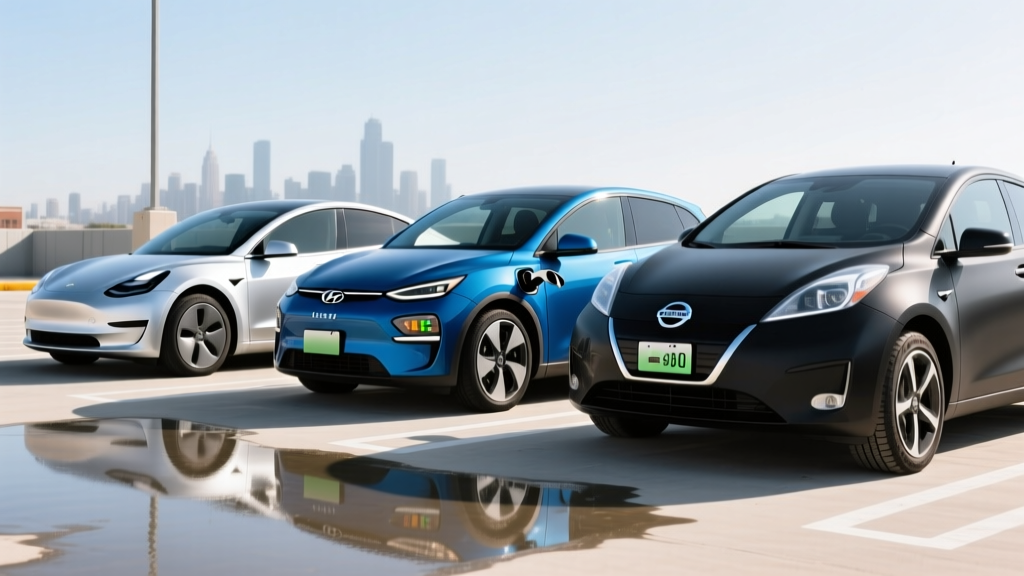
If you're searching for an EV 2020 model on the used market today, you're looking at vehicles that are now six years old with typical battery degradation of 8–15%. The best values are the 2020 Tesla Model 3 Long Range (EPA 322 mi, ~$18,000–$22,000 used), the 2020 Chevrolet Bolt EV (EPA 259 mi, ~$12,000–$15,000 used), and the 2020 Hyundai Kona Electric (EPA 258 mi, ~$14,000–$17,000 used). Skip the 2020 Nissan Leaf unless you need a budget city car — its 40 kWh pack and CHAdeMO connector limit both range (149 mi EPA) and fast-charging access. Always check battery State of Health (SoH) before purchasing, and budget $500–$1,500 for a home Level 2 charger installation.
Why 2020 EVs Are a Smart Buy Right Now
The 2020 model year sits in a sweet spot for used EV buyers in 2026. These vehicles were built before the pandemic-era price spikes, most had already taken their steepest depreciation hit (typically 40–55% off original MSRP by year five), and they predate the 2023–2025 price wars that crushed resale values on newer models. You're getting proven powertrains with enough range for most daily driving at prices that rival a new economy car's down payment.
But not every 2020 EV is a good deal. Battery chemistry, charging connector type, and thermal management separate the long-term winners from expensive paperweights. Here's what you need to evaluate.
The Top 2020 EV Models: Specs and Current Used Prices
| Spec | 2020 Tesla Model 3 LR | 2020 Chevy Bolt EV | 2020 Hyundai Kona Electric | 2020 Nissan Leaf SV+ |
|---|---|---|---|---|
| EPA Range (new) | 322 mi | 259 mi | 258 mi | 215 mi |
| Battery Capacity | 75 kWh (NMC) | 66 kWh (NMC/LG) | 64 kWh (NMC/SK) | 62 kWh (NMC) |
| Max DC Fast Charge | 170 kW (peak) | 55 kW (peak) | 77 kW (peak) | 100 kW (peak, CHAdeMO) |
| 10–80% DCFC Time | ~30 min | ~55 min | ~47 min | ~45 min |
| Level 2 Charge Rate | 11.5 kW (48A) | 7.2 kW (32A) | 7.2 kW (32A) | 6.6 kW (28A) |
| Connector | Tesla (NACS adapter included) | CCS1 | CCS1 | CHAdeMO |
| 0–60 mph | 4.4 sec | 6.5 sec | 6.4 sec | 6.8 sec |
| Thermal Management | Active liquid | Active liquid | Active liquid | Passive air |
| 2026 Used Price (est.) | $18,000–$22,000 | $12,000–$15,000 | $14,000–$17,000 | $10,000–$13,000 |
| Battery Warranty Remaining | 2 yr / unlimited mi left (of 8yr/unlimited) | 2 yr / ~20k mi left (of 8yr/100k) | 2 yr / ~20k mi left (of 10yr/100k) | 2 yr / ~20k mi left (of 8yr/100k) |
Sources: fueleconomy.gov, manufacturer specifications, Kelley Blue Book used pricing averages (Q1 2026).
Real-World Range vs. EPA Sticker
EPA range numbers assume moderate temperatures, mixed driving, and no accessory load. For a six-year-old battery, expect:
- Mild weather, city/suburban: 90–100% of original EPA (degraded pack adjusted)
- Highway (70+ mph sustained): 75–85% of original EPA
- Cold weather (below 32°F): 60–75% of original EPA — the passive-cooled Leaf suffers most here
- Expected real-world range on a 2020 Model 3 LR today: ~260–280 mi mixed, ~210–230 mi highway in cold
Battery Degradation: What to Expect From a 6-Year-Old Pack
Every lithium-ion traction battery loses capacity over time. The degradation curve is steepest in the first two years (typically 5–8% loss), then flattens to roughly 1–2% per year. For a 2020 EV in 2026, here's what real-world data from Recurrent Auto and owner communities shows:
| Model | Typical Degradation at 6 Years | Expected Remaining Range |
|---|---|---|
| Tesla Model 3 LR (NMC) | 8–12% | 283–296 mi |
| Chevy Bolt EV (LG NMC) | 6–10% | 233–243 mi |
| Hyundai Kona Electric (SK NMC) | 7–11% | 230–240 mi |
| Nissan Leaf SV+ (passive air) | 12–18% | 176–189 mi |
The Nissan Leaf's passive air-cooled battery degrades faster, especially in hot climates (Arizona, Texas, Southern California). If you're buying a Leaf in Phoenix, demand a battery health report showing SoH above 80%. The Tesla, Bolt, and Kona all use active liquid thermal management, which keeps degradation more predictable across climates.
How to check SoH before buying: Tesla owners can pull battery health data from the car's service menu or via third-party tools like Tessie or TeslaFi. For the Bolt and Kona, an OBD-II reader paired with an app like EV-Notify or Torque Pro can read the BMS-reported capacity. Some dealers will run a pre-purchase battery diagnostic — ask for it in writing.
Charging in 2026: Connector Compatibility Matters
The charging landscape shifted dramatically between 2020 and 2026. Tesla's NACS connector is now the dominant North American standard, and most public DC fast-charging networks (Electrify America, EVgo, ChargePoint) have added NACS cables alongside legacy CCS1. Here's how each 2020 model fits in:
| Model | Native Connector | Tesla Supercharger Access? | CCS Network Access? |
|---|---|---|---|
| Tesla Model 3 | Tesla (NACS) | Yes — native | Yes — with Magic Dock or CCS adapter ($250–$400) |
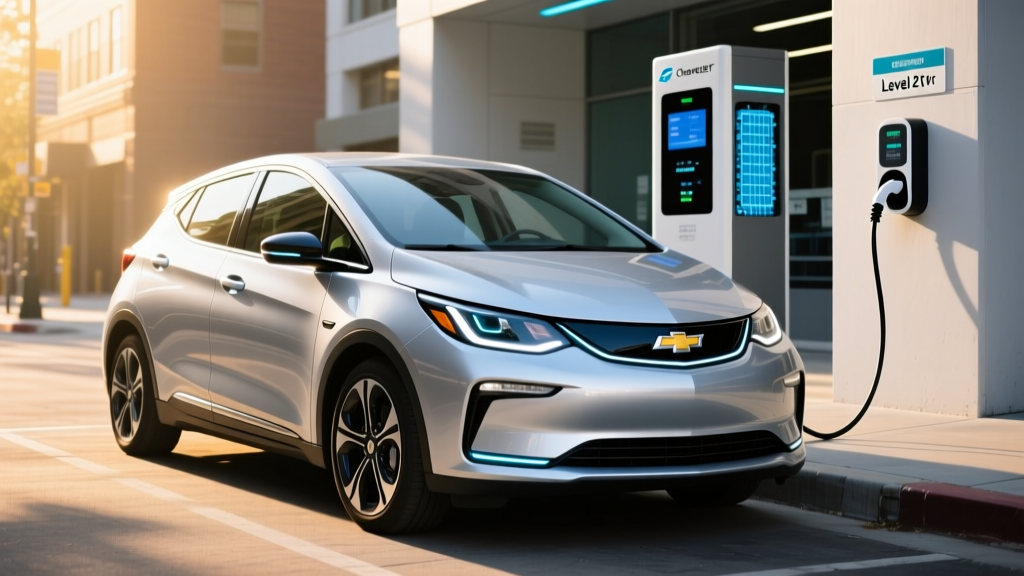
| Chevy Bolt EV | CCS1 | Yes — with NACS adapter (check GM compatibility list) | Yes — native |
| Hyundai Kona Electric | CCS1 | Yes — with NACS adapter (Hyundai-approved) | Yes — native |
| Nissan Leaf | CHAdeMO | No — no adapter available | No — requires CHAdeMO-to-CCS adapter (rare, ~$600+) |
This table makes one thing clear: the 2020 Nissan Leaf is the most limited for public charging in 2026. CHAdeMO infrastructure is being phased out at most networks. If your driving is strictly local with reliable home charging, the Leaf can still work. For road trips, it's a liability.
Total Cost of Ownership: 2020 EV vs. Comparable Gas Car
Let's compare buying a used 2020 Chevy Bolt EV (~$13,500) against a used 2020 Honda Civic (~$16,000) over five years of ownership, assuming 12,000 miles/year and home Level 2 charging at $0.14/kWh national average.
| Cost Category (5 Years) | 2020 Chevy Bolt EV | 2020 Honda Civic (gas) |
|---|---|---|
| Purchase Price | $13,500 | $16,000 |
| Fuel / Electricity | $2,940 (60,000 mi ÷ 3.5 mi/kWh × $0.14) | $7,500 (60,000 mi ÷ 32 mpg × $4.00/gal) |
| Maintenance | $1,200 (tires, cabin filter, brake fluid, wipers) | $3,800 (oil changes, filters, brakes, spark plugs) |
| Insurance (avg) | $8,400 ($140/mo avg) | $6,600 ($110/mo avg) |
| Home Charger Install | $800 (one-time Level 2) | $0 |
| Estimated Repairs | $600 | $1,500 |
| 5-Year Total | $27,440 | $35,400 |
| Cost per Mile | $0.46 | $0.59 |
The Bolt saves roughly $7,960 over five years, primarily through fuel and maintenance. Insurance is the one area where EVs tend to cost more — premiums run 15–25% higher on average due to repair costs and parts pricing. Shop quotes from GEICO, Progressive, and EV-specialty insurers like Lemonade or Root before buying.
Tax Credits on Used EVs: The §25E Rule
When you buy a used EV from a dealer in 2026, you may qualify for the §25E Used Clean Vehicle Credit — up to $4,000 or 30% of the sale price, whichever is less. Key rules from the IRS:
- Sale price cap: Vehicle must sell for $25,000 or less (all 2020 models above qualify)
- Buyer income cap: AGI ≤ $75,000 single / $112,500 head of household / $150,000 joint
- Dealer requirement: Must purchase from a licensed dealer (private sales excluded)
- Vehicle age: Must be at least 2 model years old (2020 qualifies)
- One-time use: You can only claim this credit once every 3 years
- Point-of-sale transfer: Available — you can apply the credit at purchase to reduce the price
On a $13,500 Bolt, 30% = $4,050, so you'd receive the full $4,000 credit, bringing your effective purchase price to $9,500. This makes 2020-era EVs some of the most affordable vehicles on the road when you factor in the credit.
Decision Framework: Which 2020 EV Fits Your Situation?
If X, Then Y
- If you road-trip 3+ times per year: Choose the 2020 Tesla Model 3 LR. Supercharger access, 170 kW DCFC, and 322 mi EPA (still ~280 mi degraded) make it the only realistic road-trip option here.
- If you want the lowest total cost and mostly commute: Choose the 2020 Chevy Bolt EV. The $4,000 used-EV credit, cheap electricity, and minimal maintenance make it a financial no-brainer for sub-200-mile daily driving.
- If you live in a cold climate: Choose the Model 3 or Kona Electric — both have heat pumps or efficient thermal systems. Avoid the Leaf (passive cooling = severe winter range loss and potential battery degradation).
- If you have no home charging access: Reconsider a 2020 EV entirely. Public-only charging at $0.35–$0.50/kWh erases most fuel savings, and the Bolt's slow 55 kW DCFC means long sessions. If you must, the Model 3 is the only viable choice for apartment dwellers relying on Superchargers.
- If you're on a sub-$12,000 budget: The 2020 Nissan Leaf SV+ is workable for a second car or city-only driving. Just understand the CHAdeMO limitations and faster degradation.
Common Misconceptions About Older EVs
| Myth | Fact |
|---|---|
| "The battery will need a $15,000 replacement soon." | Most 2020 NMC packs at 6 years show 88–92% SoH. Battery replacement is rare before 150,000+ miles. If it fails within warranty, it's covered. Out-of-pocket replacement (if needed post-warranty) runs $8,000–$14,000 for these models — but most packs outlast the car. |
| "Used EVs don't qualify for any tax credits." | The §25E credit provides up to $4,000 for qualifying used EV purchases from dealers, with income and price caps. |
| "Charging takes too long on older EVs." | The 2020 Model 3 charges at 170 kW (10–80% in ~30 min) — comparable to many 2025 models. The Bolt and Kona are slower (55–77 kW) but still manageable for non-road-trip use with overnight Level 2 charging. |
| "EV insurance is unaffordable." | Premiums are 15–25% higher on average, but the fuel and maintenance savings typically offset this within the first year of ownership. |
| "I need a 200-amp panel upgrade for a home charger." | Most homes with a 100-amp or higher panel can support a 32-amp Level 2 charger (7.2 kW) without an upgrade. A licensed electrician can confirm — panel upgrades ($1,500–$3,000) are only needed in older homes with 60-amp service or heavy existing loads. |
Frequently Asked Questions
Is a 2020 EV still worth buying in 2026?
Yes, if the battery SoH is above 85% and the price reflects current market values. A well-maintained 2020 Model 3 or Bolt EV offers 230+ real-world miles of range, dramatically lower running costs than gas, and eligibility for the $4,000 used-EV tax credit. The key is verifying battery health and understanding the charging connector situation.
How do I check the battery health on a used 2020 EV?
For Teslas, use the in-car service menu or a third-party app (Tessie, TeslaFi, or Scan My Tesla with an OBD-II dongle). For the Bolt and Kona, an OBD-II reader with EV-specific software can read BMS data. Ask the dealer for a pre-purchase battery diagnostic report. If buying from a private seller, meet at a service center for a health check.
What does home charging installation cost?
A basic Level 2 (240V, 32-amp) installation with a hardwired ChargePoint Home Flex or Emporia Level 2 charger typically costs $500–$1,500 including the unit, electrician labor, and permit — assuming your electrical panel has capacity and the run from panel to garage is under 50 feet. Longer runs, conduit requirements, or panel upgrades push costs higher. Always get a quote from a licensed electrician before purchasing.
Can I take a 2020 EV on road trips?
The 2020 Tesla Model 3 Long Range handles road trips well — Supercharger access and 170 kW DCFC mean ~30-minute stops every 250 miles. The Bolt and Kona can do road trips with planning, but their 55–77 kW charge rates mean 45–60 minute stops. The Leaf is not recommended for road trips due to CHAdeMO connector scarcity and passive battery cooling (which causes charge throttling on repeated DCFC stops).
Will the 2020 Bolt EV battery recall affect my purchase?
GM issued a recall for 2017–2019 Bolt EVs due to battery fire risk from manufacturing defects. The 2020 Bolt EV was not included in the original recall, as it used a revised LG cell production process. However, verify the VIN against NHTSA's recall database before purchasing to confirm no open recalls exist.
How does a 2020 EV compare to a 2026 new EV?
New 2026 EVs offer more range (300–400 mi EPA typical), faster charging (200–350 kW on 800V architectures), and NACS-native connectors. But they also cost $35,000–$55,000+. A 2020 model at $12,000–$22,000 (minus the $4,000 used credit) delivers 70–80% of the capability at 30–40% of the price. If you don't need 350+ miles of range or 20-minute charging, the value proposition strongly favors used.