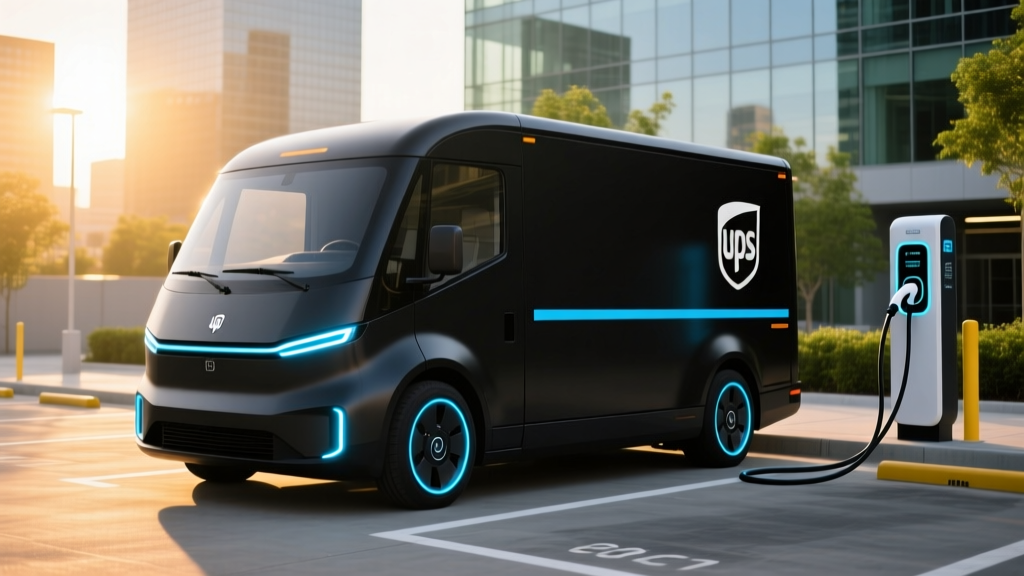
Quick Answer: UPS operates one of the largest commercial electric delivery fleets in North America, with vehicles ranging from Class 5 step vans to Class 8 semis. As of 2026, UPS has deployed over 1,000 electric delivery vehicles (EVs) built primarily by Workhorse, Thor Industries' Freightliner eM2/eCascadia, and BrightDrop. Typical UPS electric package cars deliver 150–200 miles of real-world range on a 150–220 kWh LFP or NMC battery, charge from 10–80% in roughly 60–90 minutes on DC fast chargers (50–150 kW depending on model), and cost approximately 40–60% less per mile to fuel versus diesel equivalents. For consumer EV shoppers, UPS's fleet data provides some of the most reliable real-world evidence on battery longevity, LFP durability, and high-cycle commercial use — data that directly informs what you can expect from a personal EV over 150,000+ miles.
Why UPS Electric Trucks Matter to Everyday EV Buyers
You might wonder why a logistics company's fleet decisions belong in a consumer EV guide. The answer is simple: UPS is stress-testing electric vehicle batteries and powertrains at a scale and intensity that no individual owner ever will. When a UPS electric delivery truck completes 200+ stop-and-go miles per day, six days a week, in Phoenix heat or Chicago cold, and still retains 85%+ battery capacity after three years — that's the strongest real-world durability data the EV market has.
UPS has committed to purchasing 10,000 electric delivery vehicles by 2026 as part of its goal to reach carbon neutrality by 2050. Their fleet includes multiple vehicle classes:
- Class 5–6 Package Cars (P1000/P1200): Built by Workhorse and BrightDrop Zevo 600, these are the brown step vans you see in neighborhoods. 150–200 mile range, 150–220 kWh batteries.
- Class 7–8 Feeders and Semis: Freightliner eM2 and eCascadia models for hub-to-hub routes. 150–250 mile range, 200–450 kWh batteries.
- Light-Duty Vans: BrightDrop Zevo 400 and similar platforms for smaller parcel runs.
For consumer shoppers, the relevant takeaway is that the battery chemistries, thermal management systems, and charging protocols UPS relies on are the same ones in vehicles you can buy today — and the data from millions of commercial miles validates their longevity.
UPS Electric Truck Specs: Range, Battery, and Charging Data
UPS doesn't sell trucks to consumers, but the specifications of their fleet vehicles reveal what's possible with current commercial EV technology. Here's a breakdown of the primary models in the UPS electric fleet:
| Vehicle | Class | Battery (kWh) | Chemistry | EPA/Est. Range | DC Fast Charge (Peak kW) | 10–80% Time |
|---|---|---|---|---|---|---|
| BrightDrop Zevo 600 | Class 5–6 | ~165 kWh (usable) | NMC | ~250 mi (est.) | 120 kW | ~75 min |
| Workhorse E-Gen / Custom P1200 | Class 5 | ~150–220 kWh | NMC / LFP (varies) | 150–200 mi | 50–80 kW | ~90–120 min |
| Freightliner eM2 106 | Class 6–7 | ~200 kWh (usable) | NMC | ~230 mi (est.) | 120 kW | ~70 min |
| Freightliner eCascadia | Class 8 | ~291–438 kWh | NMC | 150–230 mi | 150 kW | ~90 min (to 80%) |
Real-World Range Note: Like all EVs, UPS electric trucks experience range reduction under load (full cargo = ~10–15% range loss), in cold weather (~15–25% loss below 32°F), and at sustained highway speeds. UPS plans routes conservatively — a truck rated for 250 miles is typically dispatched on routes of 150–180 miles to maintain a safety buffer and account for HVAC use, terrain, and payload.
EV vs Diesel: The Real Cost Comparison
The economic case for UPS electric trucks — and by extension, consumer EVs — rests on total cost of ownership (TCO), not just the sticker price. Here's how a typical Class 5 electric delivery truck compares to its diesel counterpart on a per-mile basis, based on fleet operator data and DOE/Fueleconomy.gov energy cost averages:
| Cost Factor | Electric Delivery Truck (Class 5) | Diesel Delivery Truck (Class 5) |
|---|---|---|
| Fuel/Energy Cost per Mile | $0.08–$0.12 (at $0.12/kWh depot rate) | $0.22–$0.30 (at $3.80/gal diesel) |
| Maintenance per Mile | $0.04–$0.06 | $0.10–$0.15 |
| Upfront Vehicle Cost | $150,000–$220,000 | $80,000–$120,000 |
| Federal/State Incentives | Up to $40,000 (IRA commercial EV credit §45W) | None |
| Estimated 5-Year TCO (150k miles) | ~$210,000–$260,000 | ~$240,000–$310,000 |
| Battery Warranty | 8–10 years / 250,000+ miles (80% retention) | N/A (engine rebuild at ~300k mi) |
The math is clear for fleet operators: electric trucks break even within 3–5 years despite the higher upfront cost, thanks to dramatically lower fueling and maintenance expenses. For consumer EV buyers, the same principle applies at a different scale — a Consumer Reports analysis found that EV owners save $6,000–$10,000 in fuel costs over the life of the vehicle compared to gasoline equivalents.
What UPS Fleet Data Teaches Us About Battery Longevity
One of the biggest concerns for first-time EV buyers is battery degradation — specifically, "Will my battery need an expensive replacement?" UPS's fleet data provides some of the best answers available.
UPS electric trucks routinely log 50,000–70,000 miles per year with daily DC fast charging and deep discharge cycles (often draining from 100% to 15–20% SoC daily). Despite this punishing use pattern, fleet operators report battery capacity retention of 80–88% after 150,000–200,000 miles across multiple chemistries.
| Myth | Fact (Backed by Fleet Data) |
|---|---|
| "EV batteries need replacing every 5 years" | Modern NMC and LFP packs retain 80%+ capacity after 200,000 miles. UPS trucks run 5+ years on original packs. |
| "Daily fast charging destroys batteries" | UPS trucks DC fast-charge daily and still hit 80%+ SoH at 150k+ miles, thanks to active thermal management. |
| "Cold weather permanently damages EV batteries" | Cold reduces range temporarily but doesn't cause permanent degradation when the battery is preconditioned — standard on all modern EVs. |
| "Replacement batteries cost $20,000+" | Consumer EV battery replacement is rare. When needed, costs range $5,000–$15,000 depending on pack size, and prices continue declining ~10% annually. |
The key insight for consumers: if a battery can survive the abuse of daily commercial delivery use, it will easily outlast typical consumer driving patterns. Most consumer EVs are driven 12,000–15,000 miles per year with Level 2 home charging — far gentler than the UPS duty cycle.
Charging Infrastructure: What Depot Charging Teaches Home Buyers
UPS has invested heavily in depot charging infrastructure — installing hundreds of DC fast chargers and Level 2 stations at sorting facilities across North America. Their approach reveals practical lessons for home EV charging:
Lesson 1: Plan for your actual daily mileage, not your maximum range. UPS routes average 100–150 miles. Their trucks carry 150–250 miles of range. For consumer buyers, a 250-mile EPA range vehicle is more than adequate for 95% of drivers who travel under 50 miles daily — you charge at home overnight and rarely need public DC fast charging.
Lesson 2: Level 2 is the workhorse. While UPS uses DC fast chargers for quick mid-day top-ups, the majority of charging happens overnight on Level 2 (19.2 kW AC) chargers at depots. For home owners, a Level 2 charger (typically 7.2–11.5 kW, 240V) adds 25–45 miles of range per hour of charging — more than enough to replenish a full day's driving in 4–8 hours overnight.
Lesson 3: Electrical panel capacity matters. UPS depots required significant electrical upgrades — sometimes new transformers and switchgear. At home, installing a Level 2 charger may require a panel upgrade (from 100A to 200A service), costing $1,500–$3,500 if your current panel lacks capacity. Always have a licensed electrician assess your panel before purchasing a charger.
Decision Framework: Should You Buy an EV Based on Commercial Fleet Evidence?
Use this framework to decide if an EV is right for you, informed by fleet data:
- If you drive under 50 miles/day and have home charging access → An EV is almost certainly your lowest-TCO option. Fleet data confirms batteries last 200,000+ miles with daily use. Consider a 250+ mile EPA range EV for buffer.
- If you drive 50–100 miles/day with home charging → Strong EV candidate. Choose a vehicle with 300+ mile EPA range to account for cold-weather loss and highway driving. LFP chemistry (e.g., Tesla Model 3 RWD, Ford Mustang Mach-E Select) offers excellent cycle life for daily deep cycling.
- If you lack home charging and rely on public infrastructure → Proceed with caution. Public DC fast charging costs $0.30–$0.50/kWh (vs. $0.12–$0.16 at home), eroding fuel savings. A PHEV may be a better bridge until you secure reliable charging access.
- If you regularly tow or drive 200+ miles one-way in cold climates → Consider a PHEV or wait for next-gen solid-state batteries. Current EV range drops 25–40% in sub-freezing temps with towing. Fleet operators solve this with route planning — individual buyers may find the limitation frustrating.
What UPS Electric Trucks Mean for the Consumer EV Market
UPS's fleet electrification has ripple effects beyond logistics:
Battery supply chain maturation. UPS's volume orders for LFP and NMC cells help drive down per-kWh battery costs industry-wide. Battery pack prices have fallen from ~$200/kWh in 2020 to approximately $115–$130/kWh in 2026, according to BloombergNEF data. This directly lowers the MSRP of consumer EVs.
Charging network expansion. UPS depot locations often sit near major highways and logistics corridors. As commercial charging infrastructure grows, it fills gaps in the public network — particularly for CCS and NACS connectors in industrial areas.
Used EV market confidence. When UPS eventually retires electric trucks at 200,000–300,000 miles with 75–85% battery health remaining, it builds a public track record that boosts resale values for consumer EVs using similar battery packs.
Frequently Asked Questions
Can I buy a UPS electric truck for personal use?
No. UPS electric delivery vehicles are purpose-built commercial platforms (BrightDrop Zevo, Workhorse, Freightliner) sold only to fleet customers. However, the BrightDrop Zevo 600 and Freightliner eM2 are available to commercial buyers, and similar technology is found in consumer EVs like the Ford E-Transit, Rivian EDV, and Chevrolet Silverado EV.
How much does a UPS electric truck cost?
Class 5 electric delivery trucks like those in the UPS fleet typically cost $150,000–$220,000 before incentives. The federal §45W Commercial Clean Vehicle Credit provides up to $40,000 for qualifying commercial EVs, though eligibility depends on battery sourcing and vehicle weight. Consumer EVs qualify for the separate §30D credit (up to $7,500) with its own MSRP caps, income limits, and critical mineral sourcing requirements.
Do UPS electric trucks charge at Tesla Superchargers?
No. UPS commercial trucks use CCS1 or proprietary depot connectors. The Tesla Supercharger network (now transitioning to NACS) serves light-duty consumer vehicles. However, the broader lesson applies: UPS's adoption of standardized CCS charging for its fleet mirrors the industry-wide shift toward NACS/CCS interoperability that benefits all EV owners.
What battery chemistry do UPS electric trucks use?
UPS fleet vehicles use both NMC (nickel manganese cobalt) and LFP (lithium iron phosphate) chemistries depending on the manufacturer and model year. NMC offers higher energy density (more range per pound), while LFP offers longer cycle life and lower cost — the same trade-off consumer buyers face when choosing between, say, a Tesla Model 3 Long Range (NMC) and Model 3 RWD (LFP).
How does cold weather affect UPS electric truck range?
Fleet data shows 15–25% range reduction in sub-freezing conditions, consistent with consumer EV experience. UPS mitigates this through route planning (shorter winter routes), battery preconditioning, and depot climate control. Consumer EV owners should apply the same strategy: if you live in a cold climate, choose a vehicle with 20–30% more EPA range than your daily needs require.