The Short Answer on Ultralight Aircraft Electric
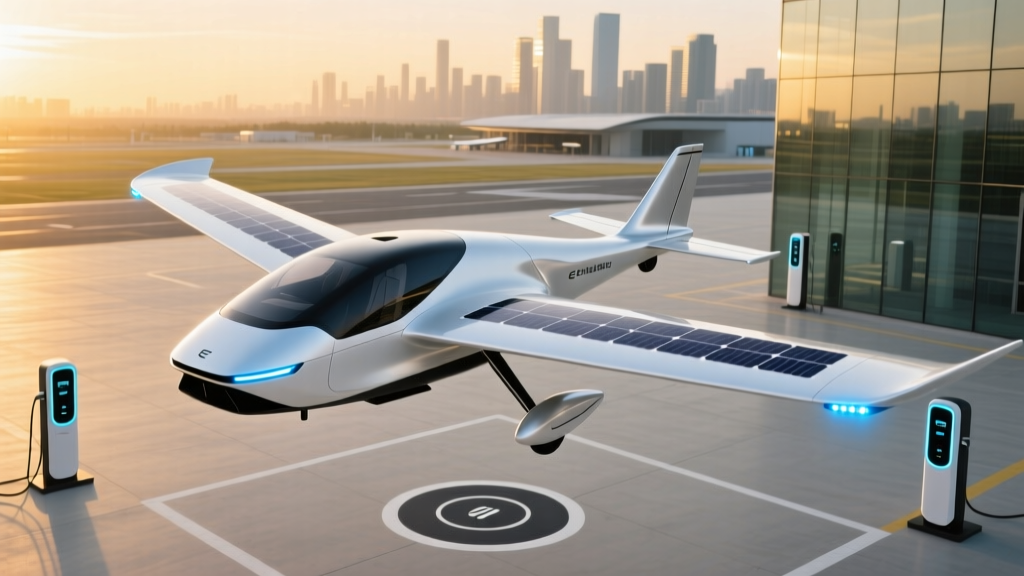
As of early 2026, ultralight aircraft electric propulsion is not a road-vehicle EV category and falls outside the scope of any federal §30D electric-vehicle tax credit. Current production electric ultralights and eVTOL-style personal aircraft remain extremely limited — most are experimental, kit-built, or in pre-order phases. If you are researching electric propulsion for FAR Part 103 ultralight aircraft (under 254 lbs empty weight, single-seat), the closest production-adjacent option is the Pipistrel Velis Electro (certified EASA electric trainer, though not a Part 103 ultralight) and a handful of experimental motor-glider kits using electric powerplants. Expect battery capacities in the 11–34 kWh range, flight times of 20–50 minutes, and purchase prices from roughly $25,000 (experimental kit powerplant) to $120,000+ for certified electric aircraft.
At AutoEdgeView, our expertise centers on road-going electric vehicles — cars, trucks, SUVs, and plug-in hybrids. Readers occasionally arrive here searching for "ultralight aircraft electric" because the EV battery and charging ecosystem overlaps with light electric aviation. This guide bridges that gap: we'll apply our data-driven approach to what electric ultralight propulsion actually looks like today, what it costs, and where it realistically fits — while being honest that this is a niche, early-stage sector, not something you can walk into a dealership and buy like a Tesla Model Y.
What Electric Ultralight Aircraft Actually Exist in 2026?
The electric ultralight aircraft market in 2026 is fragmented and largely experimental. Here is what is actually available or in advanced pre-production:
| Aircraft / Powerplant | Type | Battery (kWh) | Endurance | Status (2026) | Approx. Price |
|---|---|---|---|---|---|
| Pipistrel Velis Electro | Certified LSA trainer (EASA) | 34.5 kWh (dual NMC packs) | ~50 min + 10 min reserve | In production (not FAA Part 103) | ~$120,000–$140,000 |
| e-Flight / Electric Motorglider Kits | Experimental kit | 11–20 kWh (varies) | 20–40 min | Kit availability, builder-installed | $25,000–$45,000 (powerplant only) |
| Various eVTOL Concepts (Joby, Archer, etc.) | Certified air taxi | 60–100+ kWh (NMC) | 100–150 mi range | Not ultralight; FAA certification pending/early | Not consumer-available |
None of these qualify as an "ultralight aircraft" under FAA Part 103 in the strictest sense. The Velis Electro, for instance, is a two-seat Light Sport Aircraft — far heavier than the 254 lb Part 103 limit. True Part 103 electric ultralights remain almost entirely in the experimental/homebuilt realm, where builders retrofit airframes with electric motors and battery packs sourced from the broader EV supply chain.
Battery Tech: Where Aviation Meets the EV World
If you're an EV owner researching electric flight, the battery chemistry will be familiar — but the constraints are far tighter.
| Claim | Reality |
|---|---|
| "Electric aircraft batteries are just like EV batteries" | Chemistry is similar (NMC dominant), but aviation demands higher energy density (Wh/kg) and stricter thermal management. Most use aerospace-grade pouch cells, not automotive prismatic. |
| "You can swap in a Tesla battery pack" | Technically possible in experimental builds, but Tesla packs are heavy for their energy. Aviation builders typically use lighter, purpose-built packs from suppliers like Electravia or custom configurations. |
| "LFP batteries work for aircraft" | LFP's lower energy density (~160 Wh/kg vs NMC's ~250 Wh/kg) makes it impractical for most ultralight applications where every pound matters. |
| "Battery degradation isn't an issue" | Aviation batteries degrade similarly to EVs — expect 10–15% capacity loss over 500–800 full cycles. Replacement packs cost $5,000–$15,000+ depending on capacity. |
For context, a Tesla Model Y Long Range carries a ~75 kWh NMC/NCA pack weighing roughly 1,060 lbs. That energy-to-weight ratio is acceptable for a 4,400-lb car but catastrophic for a 254-lb ultralight airframe. This is the fundamental physics problem limiting electric ultralight aircraft: battery energy density has not yet reached the threshold needed for practical, long-endurance Part 103 flight. Current lithium-ion technology delivers roughly 250–270 Wh/kg at the cell level; avgas delivers approximately 12,000 Wh/kg. Even accounting for the electric motor's superior efficiency (~90% vs ~25% for a two-stroke gas engine), the energy-density gap remains enormous.
Charging Electric Ultralight Aircraft: What You Need
Charging infrastructure for electric ultralight aircraft is essentially nonexistent at public airfields in 2026. Most owners charge at their home hangar or private airstrip.
| Charging Level | Power (kW) | Typical Time (11 kWh pack) | Typical Time (34 kWh pack) | Infrastructure Needed |
|---|---|---|---|---|
| Standard 120V (Level 1) | 1.4 kW | ~8 hours | ~25 hours | Standard outlet — universal |
| 240V (Level 2 equivalent) | 3.3–7.2 kW | 1.5–3.5 hours | 5–10 hours | Dedicated circuit, aviation-grade connector |
| DC Fast Charge (rare) | 15–30 kW (limited) | ~25–40 min | ~60–90 min | Specialized ground equipment; not standardized |
Key distinction for EV owners reading this: kW is power (charge rate); kWh is energy (battery capacity). A 34 kWh battery charged at 7.2 kW takes roughly 4.7 hours from 0–100% — similar math to your home Level 2 EV charger. However, aviation charging connectors are not standardized the way NACS, CCS1, or J1772 are for road vehicles. Each manufacturer tends to use proprietary connections, and you will not find aviation charging stations at your local Electrify America or Tesla Supercharger site.
Cost Breakdown: Electric Ultralight vs. Gas Ultralight vs. Road EV
Understanding the economics requires comparing across categories — because if you're researching ultralight aircraft electric propulsion, you're likely weighing it against both gas ultralights and conventional EV ownership.
| Cost Factor | Gas Ultralight (Part 103) | Electric Ultralight (Experimental) | Road EV (e.g., 2026 Tesla Model Y LR) |
|---|---|---|---|
| Purchase Price | $8,000–$20,000 | $25,000–$50,000+ (kit/powerplant) | $44,990–$52,990 |
| Fuel/Energy per Hour | $15–$25 (avgas/premium auto) | $1.50–$4.00 (electricity at $0.12–$0.18/kWh) | $0.04–$0.06/mile (~$6–$9/hr driving) |
| Annual Maintenance | $500–$1,500 (engine overhauls, plugs, oil) | $200–$500 (minimal — no oil, fewer moving parts) | $300–$600 (tires, cabin filter, wiper fluid) |
| Battery Replacement (est.) | Engine rebuild: $2,000–$5,000 at ~1,000 hrs | $5,000–$15,000 at ~500–800 cycles | Covered under 8yr/100k-mi warranty; ~$12,000–$18,000 out of warranty |
| Federal Tax Credit (§30D) | Not eligible | Not eligible (aircraft, not road vehicle) | Up to $7,500 (subject to IRS §30D rules: MSRP caps, income limits, battery sourcing) |
| Insurance (Annual) | $500–$1,500 | $800–$2,500 (limited underwriter appetite) | $1,200–$2,800 (varies by state/driver) |
The operating-cost advantage of electric ultralight propulsion is real: electricity is dramatically cheaper than avgas or even premium mogas. But the upfront capital cost is 2–4x higher than a comparable gas ultralight, and there is no federal tax credit to offset it. For most recreational ultralight pilots flying 50–100 hours per year, the fuel savings ($1,000–$2,000/year) take 10+ years to recoup the price premium — assuming the battery doesn't need replacement first.
Real-World Ownership Considerations
If you are seriously considering building or purchasing an electric ultralight, these practical factors matter more than spec sheets:
Flight Time Reality vs. Marketing
Just as we caution EV buyers about EPA range vs. real-world highway range, electric aircraft endurance claims deserve skepticism. A "50-minute flight time" spec typically assumes:
- Calm air, standard temperature (59°F / 15°C at sea level)
- Solo pilot, minimal payload
- Cruise at best-endurance speed (not best-range)
- No reserve factored in
In practice, add headwinds, higher density altitude on hot days, or a heavier pilot, and expect 30–40 minutes of usable flight time from a system rated for 50. This parallels how a 310-mile EPA-rated EV might deliver 240–260 miles on a 75°F highway drive and considerably less in cold weather.
Cold-Weather Performance
Lithium-ion batteries lose effective capacity in cold temperatures — a well-documented issue in EVs that is even more critical in aviation. At 32°F (0°C), expect 15–25% reduced usable capacity. For a 30-minute flight envelope, losing 20% means losing 6 minutes — potentially the difference between a safe return and an off-field landing. Battery preconditioning (common in EVs like Teslas and Rivians) is rarely implemented in experimental electric aircraft.
Regulatory Landscape
The FAA has been slow to certify electric propulsion for light aircraft. The Pipistrel Velis Electro received EASA certification in Europe (2020) but FAA acceptance has been limited. For Part 103 ultralights, there is no specific prohibition against electric propulsion — but there is also no certification pathway, meaning you are operating in the experimental/unregulated space with all the liability that entails.
Decision Framework: Should You Go Electric in the Air?
Choose an electric ultralight if:
- You are an experienced builder/pilot comfortable with experimental aircraft
- You fly short durations (under 30 minutes) from a private airstrip with charging access
- Noise abatement is critical (electric motors are dramatically quieter than two-stroke engines)
- You value minimal maintenance and accept the range/endurance trade-off
- You have $30,000–$50,000+ to invest with no expectation of near-term ROI
Stick with a gas ultralight (or a road EV) if:
- You need more than 45 minutes of flight endurance
- You fly from remote locations without reliable electrical infrastructure
- You want FAA-certified, insurable, resaleable equipment
- You're a first-time pilot — learn on proven, well-supported gas-powered Part 103 aircraft first
- Your budget is under $20,000
If your primary goal is reducing carbon footprint and fuel costs on daily transportation, a road-going EV or PHEV will deliver far more practical impact per dollar than an experimental electric ultralight. A 2026 Hyundai Ioniq 5 ($42,450 base, EPA-rated 310+ miles) with home Level 2 charging will eliminate thousands of gallons of gasoline over its lifetime — with full federal tax credit eligibility, a dealer network, and established insurance markets.
Frequently Asked Questions
Can I get a federal EV tax credit for an electric ultralight aircraft?
No. The IRS §30D clean vehicle credit applies only to qualified plug-in electric drive motor vehicles — four-wheeled road vehicles meeting specific weight, battery capacity, MSRP, buyer income, and battery-sourcing requirements. Aircraft of any kind do not qualify. Some states may offer separate clean-energy incentives for electric aviation, but these are rare and highly jurisdiction-specific.
What is the longest flight time available on a current electric ultralight?
Among production or near-production options, the Pipistrel Velis Electro (not a Part 103 ultralight but the closest certified electric aircraft) offers approximately 50 minutes of flight time plus a 10-minute VFR reserve from its 34.5 kWh dual NMC battery packs. True Part 103 electric ultralights are experimental and typically achieve 20–40 minutes depending on battery size and conditions.
How much does it cost to charge an electric ultralight aircraft at home?
At the US average residential electricity rate of approximately $0.16/kWh (EIA, 2025 data), fully charging an 11 kWh experimental ultralight pack costs roughly $1.76. A 34 kWh pack (Velis Electro-class) costs about $5.44 per full charge. Compare this to 5 gallons of avgas at $6.50–$7.50/gallon ($32–$37) for a similar gas-powered session.
Are solid-state batteries going to make electric ultralights practical?
Solid-state batteries promise higher energy density (potentially 350–500 Wh/kg) and improved safety, which would transform electric aviation. However, as of 2026, solid-state cells remain in limited production for niche applications and are not yet available at the cost or scale needed for consumer ultralight aircraft. Expect meaningful solid-state electric aircraft to be a 2030+ proposition at the earliest.
Where can I find reliable information on electric ultralight aircraft?
The Experimental Aircraft Association (EAA) publishes resources on electric propulsion for homebuilders. The FAA maintains Part 103 regulations and any future electric-propulsion guidance. For certified electric aircraft progress, follow EASA and FAA type-certificate databases. For road-going EVs — where the technology, infrastructure, and ownership economics are far more mature — our guides at AutoEdgeView cover everything from home charging installation to real-world range testing.
Note: AutoEdgeView specializes in road-going electric and plug-in hybrid vehicles. This article addresses the "ultralight aircraft electric" search query with factual, data-driven context while directing readers toward practical EV ownership where the technology and economics are strongest. Always consult a licensed A&P mechanic and the FAA before modifying or operating experimental aircraft.