The Quick Answer: Which Type of Electric Vehicle Is Right for You?
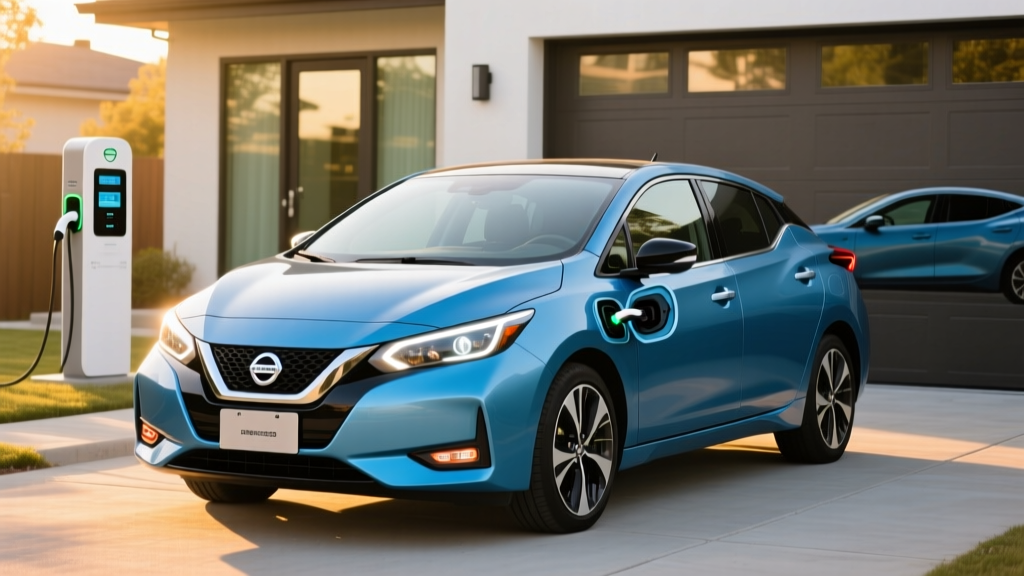
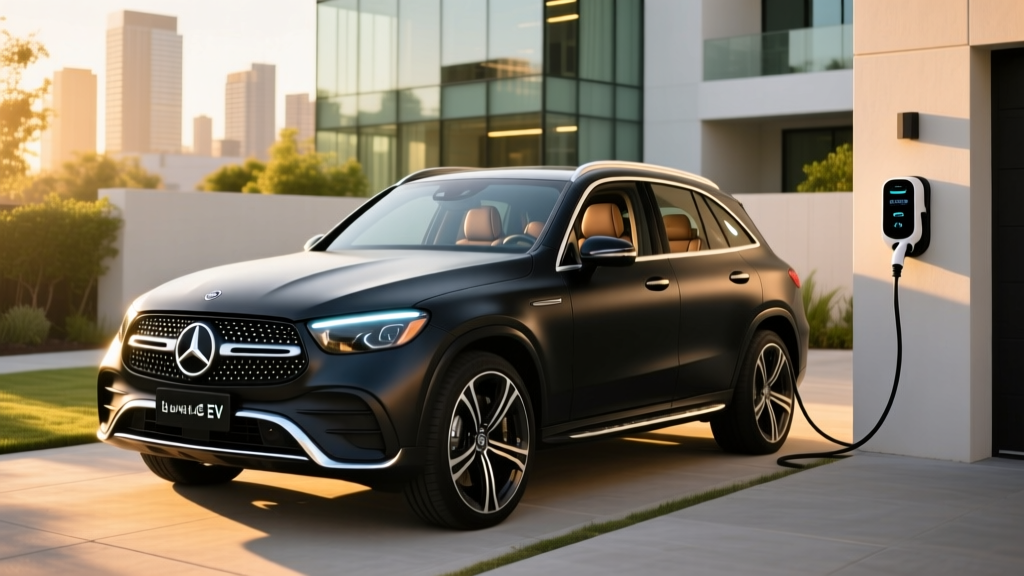
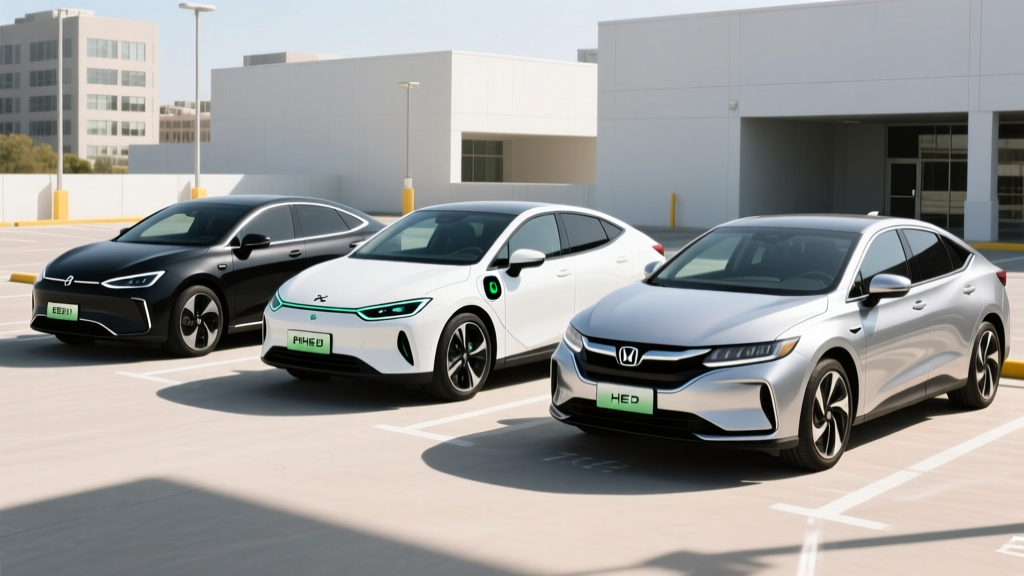
There are three main types of electric vehicles on the US market today, and the right one depends entirely on your charging access and driving habits:
- Battery Electric Vehicle (BEV): 100% electric, 230–400+ miles EPA range, cheapest to fuel, but requires reliable home or workplace charging. Best if you can install a Level 2 charger and drive under 300 miles daily.
- Plug-in Hybrid (PHEV): 25–50 miles of electric-only range plus a gas engine for longer trips. Best if you have home charging but frequently take road trips or lack public charging infrastructure nearby.
- Hybrid Electric Vehicle (HEV): Self-charging gas-electric system, 40–58 MPG combined, no plug required. Best if you have zero charging access but want lower fuel costs and emissions than a conventional gas car.
Each type delivers electrified efficiency differently. A BEV like the Tesla Model Y Long Range (EPA 320 miles, 75 kWh usable battery, starts around $44,990 in 2026) eliminates gasoline entirely. A PHEV like the Toyota RAV4 Prime (42 miles electric-only, 38 MPG combined after battery depletion) splits the difference. An HEV like the Toyota Camry Hybrid (51 MPG combined, ~$29,495) needs no behavior change at all. The sections below break down the real-world numbers, costs, and ownership trade-offs so you can pick the right platform for your life — not a marketing brochure.
BEV vs PHEV vs HEV: How the Three Types of Electric Vehicles Compare
| Attribute | BEV (Tesla Model Y LR) | PHEV (Toyota RAV4 Prime) | HEV (Toyota Camry Hybrid) | Gas Baseline (Toyota Camry LE) |
|---|---|---|---|---|
| Powertrain | Dual-motor AWD, 384 hp | 2.5L 4-cyl + electric motors, 302 hp | 2.5L 4-cyl + electric motor, 225 hp | 2.5L 4-cyl, 203 hp |
| EPA Range / MPG | 320 mi (EPA) | 42 mi EV + 38 MPG combined | 51 MPG combined | 32 MPG combined |
| Battery (usable kWh) | 75 kWh (NMC) | 18.1 kWh (NMC) | ~1.6 kWh (NiMH) | N/A |
| DC Fast Charge (peak kW) | 250 kW (10–80% ~25 min) | N/A (Level 2 only, ~2.5 hrs) | N/A | N/A |
| Level 2 Charge Time | ~7.5 hrs (11.5 kW) | ~2.5 hrs (6.6 kW) | N/A | N/A |
| 0–60 mph | 4.8 sec | 5.7 sec | 7.2 sec | 7.6 sec |
| Starting MSRP | $44,990 | $43,690 | $29,495 | $27,195 |
| Federal Tax Credit (§30D) | Up to $7,500 (eligibility varies) | Up to $7,500 (eligibility varies) | Not eligible | Not eligible |
| Battery Warranty | 8 yr / 120,000 mi | 10 yr / 150,000 mi | 10 yr / 150,000 mi | N/A |
The table above reveals the core trade-off: BEVs deliver the lowest running costs and strongest acceleration but demand charging infrastructure. PHEVs give you a taste of electric commuting without range anxiety. HEVs require zero lifestyle changes but offer no electric-only driving. Your decision starts with one question: can I charge at home?
Real Costs: Purchase Price, Fuel, Maintenance, and Insurance
Sticker price is only the beginning. To evaluate the true cost of each type of electric vehicle, we modeled a 5-year ownership scenario assuming 15,000 miles per year, a national average electricity rate of $0.16/kWh, and gasoline at $3.30/gallon. Actual costs vary by state, utility rate, and driving mix.
| Cost Category | BEV (Model Y LR) | PHEV (RAV4 Prime) | HEV (Camry Hybrid) | Gas (Camry LE) |
|---|---|---|---|---|
| Purchase Price (MSRP) | $44,990 | $43,690 | $29,495 | $27,195 |
| Est. Federal Tax Credit | –$7,500* | –$7,500* | $0 | $0 |
| Net Purchase | $37,490 | $36,190 | $29,495 | $27,195 |
| Fuel/Energy (5 yr) | $4,875 | $5,600 | $4,853 | $7,734 |
| Maintenance (5 yr) | $1,800 | $3,200 | $3,000 | $3,800 |
| Insurance (5 yr est.) | $9,500 | $7,800 | $7,200 | $6,900 |
| Home Charger Install | $1,200 (avg) | $1,200 (avg) | $0 | $0 |
| Total 5-Year Cost | $54,865 | $53,990 | $44,548 | $45,629 |
*Federal §30D tax credit eligibility depends on buyer income caps ($150K single / $300K joint), vehicle MSRP caps ($55K cars / $80K SUVs), and battery critical-mineral sourcing requirements. Credits can be transferred to the dealer at point of sale. Verify current rules at IRS.gov and consult a tax professional. Source: EPA efficiency data via fueleconomy.gov.
Key takeaways from the numbers:
- BEVs save on fuel and maintenance (no oil changes, fewer moving parts, regenerative braking saves brake pads), but insurance premiums run 15–30% higher on average due to repair costs for aluminum panels and battery replacement risk.
- PHEVs cost more to maintain than BEVs because they carry both a full internal-combustion powertrain and an electric system — oil changes, spark plugs, and transmission fluid still apply.
- HEVs are the cost-effective entry point. You save roughly $2,900 in fuel over 5 years versus a gas equivalent with almost no premium at purchase.
- Home charging installation for a Level 2 (240V) charger typically costs $800–$2,000 including a 48-amp hardwired unit and electrician labor. If your panel needs a 200-amp upgrade, add $1,500–$3,000.
Real-World Range and Efficiency: Beyond the EPA Sticker
BEV real-world range reality check: A BEV with an EPA rating of 320 miles will typically deliver 250–280 miles at sustained 70–75 mph highway speeds. In freezing temperatures (below 32°F), expect a 20–35% range reduction depending on whether the vehicle uses a heat pump for cabin heating. The Tesla Model Y uses a heat pump; many older BEVs do not. Always plan road trips around 200–240 real miles between charges to maintain a safety buffer.
Understanding efficiency units matters. BEVs are rated in MPGe (miles per gallon equivalent) and kWh/100 miles. The Model Y Long Range achieves 117 MPGe combined, consuming about 28 kWh/100 mi. Lower kWh/100 mi is better — it's the EV equivalent of higher MPG. For context, the most efficient BEVs (like the Lucid Air Pure) hit around 24 kWh/100 mi, while heavy electric trucks like the Rivian R1T land near 45 kWh/100 mi.
PHEV efficiency depends on your commute. If your daily round trip is under 40 miles and you charge nightly, you may burn almost zero gasoline for months. But once the battery depletes, a PHEV reverts to hybrid mode — the RAV4 Prime delivers 38 MPG combined in this state, which is respectable but not exceptional. If you can't charge regularly, a PHEV becomes an expensive, heavier-than-necessary hybrid.
HEVs are consistent. The Camry Hybrid's 51 MPG combined holds up in real-world mixed driving because the small battery constantly recaptures braking energy. You'll see 46–48 MPG on the highway and 52–55 in city traffic — the opposite of a gas car, which is more efficient on the highway.
Charging Infrastructure: The Make-or-Break Factor
Charging access is the single biggest determinant of EV satisfaction. Here's how each vehicle type interacts with the charging ecosystem:
| Charging Level | Power (kW) | BEV Miles Added/Hr | PHEV Miles Added/Hr | Typical Use Case |
|---|---|---|---|---|
| Level 1 (120V outlet) | 1.2–1.9 kW | 3–5 mi | 4–6 mi | Overnight top-up; sufficient for PHEVs, slow for BEVs |
| Level 2 (240V home/public) | 6.6–19.2 kW | 20–60 mi | Full charge in ~2.5 hrs | Daily home/work charging; the backbone of BEV ownership |
| DC Fast Charge | 50–350 kW | 150–300+ mi in 20 min | N/A (most PHEVs lack DCFC) | Road trips; 10–80% in 18–30 min depending on peak kW and charge curve |
A critical concept for first-time BEV buyers: peak charge rate is not sustained charge rate. A vehicle advertising 250 kW DC fast charging will only hit that peak between roughly 10–30% state of charge. Above 50%, the charge curve tapers significantly to protect the battery. By 80%, you may be charging at under 60 kW. This is why manufacturers quote 10–80% charge times rather than 0–100%. Charging past 80% on a road trip is almost never worth the time — drive on and stop again.
Connector compatibility is shifting. As of 2026, the North American Charging Standard (NACS) — originally Tesla's proprietary connector — has become the dominant standard. Ford, GM, Rivian, Hyundai, and others now ship with NACS ports or include adapters for CCS1 vehicles. If you're buying a BEV, confirm the connector type and whether the vehicle can access Tesla Superchargers (over 25,000 stalls in North America), as this dramatically expands your road-trip network.
Common Misconceptions About Electric Vehicles — Corrected
| Myth | Fact |
|---|---|
| "EV batteries need replacing every few years and cost $20,000." | Modern NMC and LFP batteries are warrantied for 8–10 years / 100,000–150,000 miles with a 70% capacity retention guarantee. Data from Recurrent and manufacturer reports show average degradation of 5–8% over the first 100,000 miles. Full replacement is rare and typically only needed after a collision or extreme defect. LFP (lithium iron phosphate) chemistry, used in base-model Teslas and some others, offers even longer cycle life at the cost of lower energy density. |
| "EVs are worse for the environment because of battery mining." | Lifecycle analyses from the EPA and ICCT show that even on coal-heavy grids, a BEV produces 50–60% fewer lifetime greenhouse gas emissions than a comparable gas car. On cleaner grids (California, Pacific Northwest), the reduction exceeds 70%. Battery recycling infrastructure (Redwood Materials, Li-Cycle) is scaling to recover 90%+ of critical minerals. |
| "I can't take road trips in an EV." | With DC fast charging networks now covering major US interstates (Tesla Supercharger, Electrify America, EVgo), a 500-mile BEV road trip requires one or two 20–25 minute stops. Navigation systems in modern BEVs automatically precondition the battery for faster charging at your next stop. The constraint is real in rural areas of the Mountain West and Great Plains — plan those routes carefully. |
| "PHEVs are the best of both worlds with no downsides." | PHEVs carry the weight and maintenance complexity of two full powertrains. If you don't plug in regularly, you're hauling a heavy, dead battery that hurts fuel economy. PHEVs make sense only if you'll actually charge daily. Otherwise, a conventional HEV delivers similar or better fuel economy at lower cost and weight. |
| "All EVs qualify for the $7,500 federal tax credit." | Fewer than half of new EVs on the market qualify for the full credit in 2026. Eligibility requires meeting battery critical-mineral and component sourcing thresholds, plus buyer income caps ($150K single, $225K head of household, $300K joint) and MSRP caps ($55K for cars, $80K for SUVs/trucks/vans). The credit can now be transferred to the dealer at point of sale, acting as an instant discount. Check the latest qualifying list at fueleconomy.gov. |
Decision Framework: Which Type of Electric Vehicle Should You Buy?
Choose a BEV if:
- You have (or can install) Level 2 home charging — a 240V circuit in your garage or driveway.
- Your daily driving is under 200 miles round trip, and road trips are planned with charging stops.
- You want the lowest per-mile fuel cost ($0.04–$0.06/mi on average residential electricity vs $0.12–$0.15/mi for gas).
- You value instant torque, one-pedal driving, and near-silent operation.
- You can absorb a higher purchase price (offset by the tax credit and fuel savings over time).
Choose a PHEV if:
- You can charge at home nightly but frequently drive beyond electric-only range (road trips, rural commutes).
- You want to experience electric commuting without depending on public charging infrastructure.
- Your household has one vehicle that needs to serve both daily commuting and long-distance travel.
- You live in an area with limited DC fast charging options.
Choose an HEV if:
- You live in an apartment, park on the street, or otherwise cannot install home charging.
- You want significantly better fuel economy with zero behavior change — no plugs, no apps, no charging planning.
- Your budget is tighter and you want a lower upfront purchase price.
- You drive a lot of city miles where regenerative braking maximizes hybrid efficiency.
What First-Time EV Buyers Need to Know Before Signing
If you're narrowing in on a BEV or PHEV, here are the practical ownership realities that dealerships rarely mention:
- Get a home charging assessment first. Before purchasing a BEV, have a licensed electrician evaluate your panel capacity. A 48-amp Level 2 charger requires a dedicated 60-amp circuit. If you have a 100-amp main panel with heavy existing loads, a panel upgrade to 200 amps may be necessary — adding $1,500–$3,000 to your effective purchase cost.
- Precondition your battery. Most BEVs allow you to set a departure time while plugged in. The car warms or cools the battery to optimal temperature, which improves efficiency and dramatically speeds up DC fast charging. In cold weather, preconditioning can be the difference between a 45-minute and a 20-minute fast charge stop.
- Don't charge to 100% daily. For NMC batteries, daily charging to 80% extends long-term battery health. Reserve 100% charges for road trips. LFP batteries are an exception — manufacturers recommend periodic 100% charges for accurate state-of-charge calibration.
- Insurance quotes vary wildly. Get quotes from at least three insurers before buying. Some companies (like GEICO and Progressive) have specialized EV rates; others still price EVs at a significant premium. The difference between the cheapest and most expensive quote can be $800+/year.
- State incentives stack on top of federal. States like California, Colorado, and Massachusetts offer additional rebates of $1,000–$5,000, sometimes income-dependent. Check your state energy office or AFDC incentive database for current programs.
Frequently Asked Questions
Are there other types of electric vehicles beyond BEV, PHEV, and HEV?
Yes. Extended-Range Electric Vehicles (EREVs) — like the BMW i3 REx historically and some upcoming models — use a small gas engine solely as a generator to recharge the battery, never driving the wheels directly. Fuel Cell Electric Vehicles (FCEVs) like the Toyota Mirai generate electricity from hydrogen, but hydrogen refueling infrastructure in the US is effectively limited to California and remains sparse. For nearly all US buyers, BEV, PHEV, and HEV are the three relevant categories.
How long do EV batteries actually last?
Based on fleet data and manufacturer reports, modern liquid-cooled EV batteries retain 85–92% of original capacity after 100,000 miles and 5–7 years. The federal government mandates that EV batteries carry a warranty of at least 8 years / 100,000 miles (10 years / 150,000 miles in CARB states like California and New York) guaranteeing a minimum of 70% capacity retention. Complete battery failure outside of collision damage is uncommon in vehicles from the last five model years.
Can I charge a BEV on a regular household outlet?
Yes, but slowly. A standard 120V (Level 1) outlet delivers about 1.4 kW, adding roughly 3–5 miles of range per hour. Overnight (10 hours), you'd recover 30–50 miles — adequate for short commutes in efficient vehicles but impractical as a sole charging strategy for most BEV owners. A 240V Level 2 installation is strongly recommended for BEV ownership. PHEV owners can often get by on Level 1 alone due to smaller batteries.
Is a PHEV worth it if I can't charge at home?
Generally no. Without regular plug-in charging, a PHEV operates as a heavy hybrid, and that extra weight from the battery and electric motor reduces fuel economy. You'd be better served by a conventional HEV at a lower purchase price. PHEVs deliver their value proposition only when the battery is regularly replenished from the grid.
What's the cheapest type of electric vehicle to own over 5 years?
Among new vehicles, an HEV like the Toyota Camry Hybrid or Honda Accord Hybrid typically delivers the lowest 5-year total cost of ownership due to a low purchase price, strong fuel economy, and affordable insurance. A BEV with the full $7,500 federal tax credit and low-cost home charging can match or beat an HEV on total cost, but only if the upfront price gap is closed by incentives and you have cheap electricity. Run the numbers for your specific utility rate and commute before deciding.