The intersection of Donald Trump's trade policies and Tesla's market dominance has created one of the most volatile pricing environments in the electric vehicle industry. As of 2026, buyers searching for information on "Trump Tesla" are typically trying to understand how tariffs, tax credit changes, and manufacturing shifts affect their ability to purchase a Tesla at a predictable price. This guide cuts through the political noise to deliver the exact numbers, eligibility rules, and real-world ownership data you need to make an informed decision.
Current Tesla Pricing Landscape Under 2026 Trade Policy
Tesla's pricing strategy has been directly influenced by the Trump administration's tariff policies on imported battery components and raw materials. The 2025-2026 tariff structure imposed additional duties on lithium-ion cells and critical minerals sourced from China, which affected Tesla's cost structure even though the company manufactures vehicles domestically in Fremont, California, and Austin, Texas.
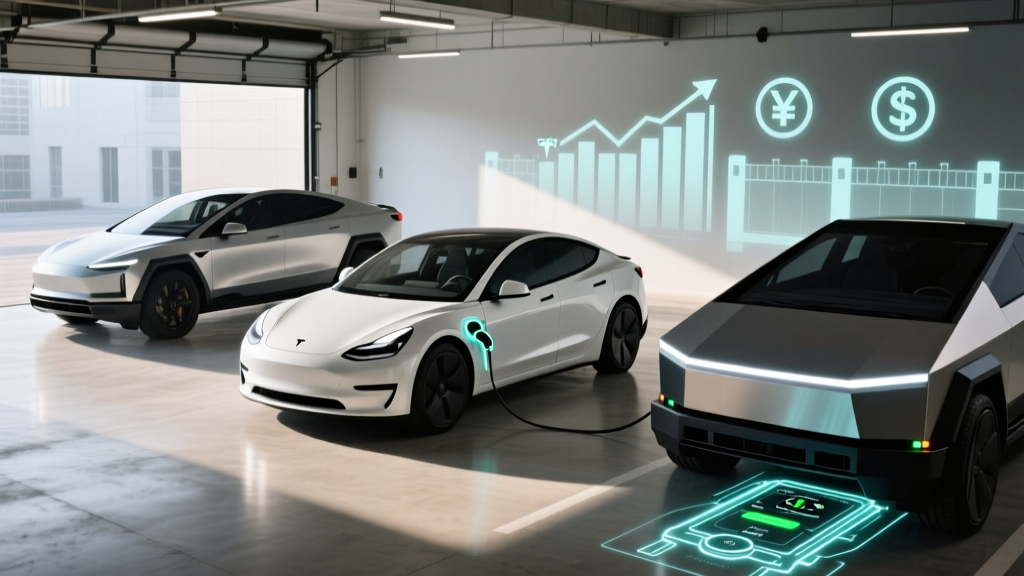
The practical impact: Tesla adjusted MSRP figures multiple times throughout 2025, with the Model Y Long Range AWD settling at approximately $47,990 (before destination) as of early 2026. This represents a roughly 4-6% increase from pre-tariff 2024 pricing, though Tesla has partially offset costs through manufacturing efficiencies and battery chemistry shifts.
| Trim Level | Base MSRP | As-Tested (Typical Options) | Est. Price After §30D Credit |
|---|---|---|---|
| Long Range RWD | $44,990 | $46,490 | $37,490 - $44,990* |
| Long Range AWD | $47,990 | $50,990 | $40,490 - $47,990* |
| Performance AWD | $52,490 | $55,990 | $44,990 - $52,490* |
*Price after credit depends on §30D eligibility. See tax credit section below for income caps and sourcing requirements.
Federal EV Tax Credit: §30D Eligibility in 2026
The question "Does the Tesla Model Y qualify for the federal EV tax credit?" requires a detailed answer because the IRS §30D rules have multiple eligibility gates that changed significantly under the Inflation Reduction Act and subsequent trade policy adjustments.
§30D Eligibility Checklist for Tesla Model Y (2026)
- MSRP Cap: Vehicle must have base MSRP ≤ $80,000 for SUVs (Model Y qualifies)
- Buyer Income Limits: Modified AGI must not exceed $150,000 (single), $225,000 (head of household), or $300,000 (joint filers)
- Battery Component Sourcing: Increasing percentage of battery components must be manufactured or assembled in North America (phased requirements through 2029)
- Critical Minerals: Increasing percentage of critical minerals must be sourced from US or FTA partners
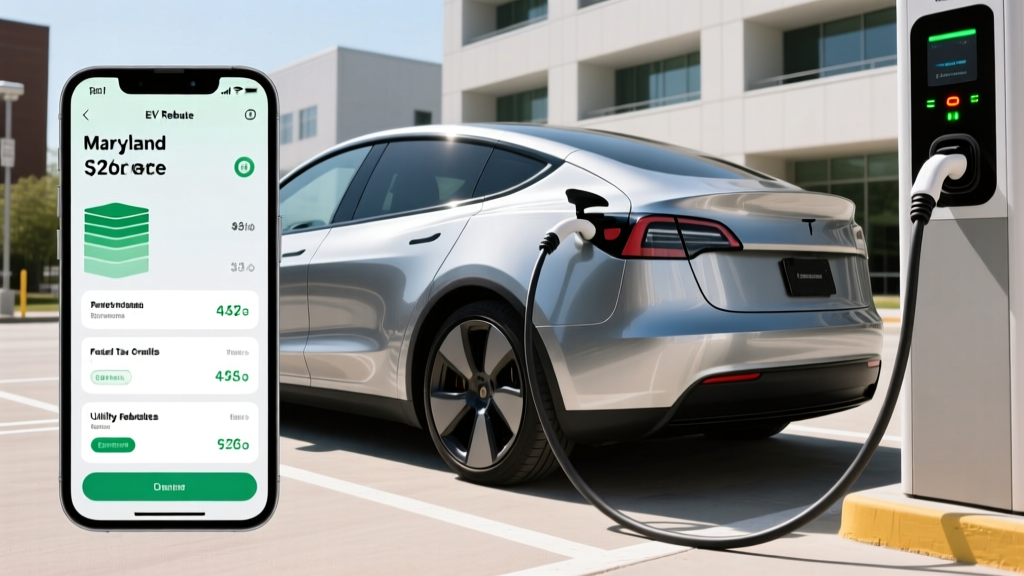
- Point-of-Sale Transfer: Eligible buyers can transfer credit to dealer for immediate price reduction at purchase
The tariff complication: Trump administration tariffs on Chinese-sourced battery materials created additional compliance complexity for the critical minerals requirement. Tesla shifted some supply chains to qualify, but buyers should verify current-year eligibility on fueleconomy.gov before purchase, as sourcing compliance can change quarterly.
Maximum credit amount: Up to $7,500 if both battery component and critical mineral requirements are met. Partial credit ($3,750) may apply if only one requirement is satisfied. As of 2026, Tesla Model Y variants with LFP (lithium iron phosphate) batteries face additional scrutiny due to Chinese LFP cell sourcing, while NMC (nickel manganese cobalt) variants from US suppliers have clearer eligibility.
2026 Tesla Model Y: Range, Battery & Efficiency Specs
Beyond the policy landscape, the Model Y remains one of the most capable electric SUVs on the market. Here's what the 2026 lineup delivers in real-world performance:
| Specification | Long Range RWD | Long Range AWD | Performance AWD |
|---|---|---|---|
| EPA Estimated Range | 330 miles | 310 miles | 285 miles |
| Battery Capacity (usable) | 75 kWh (NMC) | 75 kWh (NMC) | 75 kWh (NMC) |
| Efficiency (MPGe combined) | 123 MPGe | 117 MPGe | 111 MPGe |
| Energy Consumption | 27 kWh/100mi | 29 kWh/100mi | 30 kWh/100mi |
| 0-60 mph | 5.0 seconds | 4.8 seconds | 3.5 seconds |
| Horsepower | 295 hp | 384 hp | 456 hp |
| Drivetrain | Rear-Wheel Drive | Dual-Motor AWD | Dual-Motor AWD |
Real-World Range Expectations
EPA Sticker vs Reality: The EPA 310-mile rating for the Long Range AWD assumes mixed driving conditions. In real-world testing:
- Highway driving (70-75 mph): Expect 250-270 miles in moderate temperatures (60-80°F)
- Cold weather (below 32°F): Range drops 20-30%, yielding 220-250 miles even with preconditioning
- City driving with regen: Can exceed EPA estimate, reaching 320-340 miles in stop-and-go traffic
- Towing (up to 3,500 lbs): Range reduced by 40-50%, approximately 150-180 miles
Always plan charging stops conservatively—real-world range rarely matches the sticker in highway or cold-weather scenarios.
Charging Speed: DC Fast Charge & Home Level 2
Charging infrastructure access remains Tesla's strongest competitive advantage through the Supercharger network, though the company has opened select stations to non-Tesla EVs as of 2025-2026.
| Charging Method | Max Power | Charge Time (10-80%) | Miles Added per Hour |
|---|---|---|---|
| DC Fast Charge (V3 Supercharger) | 250 kW peak | ~18-22 minutes | ~1,000 miles/hour (peak) |
| DC Fast Charge (V4 Supercharger) | 350 kW peak* | ~15-18 minutes | ~1,200 miles/hour (peak) |
| Level 2 Home Charging (48A) | 11.5 kW | ~7 hours (0-100%) | ~44 miles/hour |
| Level 2 Home Charging (32A) | 7.7 kW | ~10 hours (0-100%) | ~29 miles/hour |
| Level 1 (120V outlet) | 1.4 kW | ~55 hours (0-100%) | ~3-4 miles/hour |
*V4 Supercharger availability limited to select corridors. Most Tesla Superchargers remain V3 (250 kW) as of 2026.
Charging curve reality: The 250 kW peak rate applies only between approximately 10-30% state of charge. Above 50%, charging speed tapers significantly—expect 100-150 kW sustained through 60%, then 50-80 kW through 80%. This is why the 10-80% metric matters more than peak kW claims.
Home charging recommendation: For daily use, a Level 2 home charger (Wall Connector or equivalent) on a 60-amp circuit delivers 44 miles of range per hour of charging. Most owners charge overnight and start each day with 200+ miles, eliminating range anxiety for typical commutes under 80 miles round-trip.
Interior Space, Cargo & Practical Features
The Model Y's crossover SUV form factor delivers practical cargo capacity that sedans like the Model 3 cannot match:
- Cargo volume (rear seats up): 30.2 cubic feet
- Cargo volume (rear seats folded): 72.1 cubic feet
- Front trunk (frunk): 4.1 cubic feet
- Rear legroom: 41.6 inches
- Front legroom: 41.8 inches
- Seating capacity: 5 passengers (optional 7-seat config available, third row best for children only)
Standout tech features:
- 15.4-inch center touchscreen with navigation, media, and vehicle controls
- Over-the-air software updates adding features post-purchase
- Autopilot basic (adaptive cruise + lane centering) included; Full Self-Driving (Supervised) available as $8,000 option or $99/month subscription
- HEPA air filtration with "Bioweapon Defense Mode"
- Sentry Mode dashcam recording when parked
- Phone-as-key with Bluetooth proximity unlock
Notable drawbacks:
- Minimalist interior lacks physical buttons—climate and mirror adjustments require touchscreen interaction
- No Apple CarPlay or Android Auto integration
- Rear visibility compromised by sloping roofline (backup camera essential)
- Build quality inconsistencies reported (panel gaps, paint defects) though improving in 2025-2026 models
- Insurance premiums 20-40% higher than comparable gas SUVs due to repair costs
Warranty Coverage & Long-Term Reliability
Tesla's warranty structure provides baseline coverage, though it trails some competitors in battery protection:
| Component | Coverage Period | Details |
|---|---|---|
| Basic Vehicle | 4 years / 50,000 miles | Bumper-to-bumper excluding wear items |
| Battery & Drive Unit | 8 years / 120,000 miles | Minimum 70% capacity retention |
| Restraint System | 5 years / 60,000 miles | Seatbelts and airbags |
| Corrosion | 12 years / unlimited miles | Body panel perforation only |
Battery degradation reality: Tesla's NMC batteries typically lose 5-10% capacity in the first 50,000 miles, then degrade more slowly. Most owners report 85-90% state of health after 100,000 miles based on community data. The 8-year/120,000-mile warranty guarantees at least 70% retention, which provides a safety net but allows significant capacity loss before coverage triggers.
Is the Tesla Model Y Worth Buying vs Competitors?
Decision Framework: Who Should Buy the Model Y?
Choose the Tesla Model Y if:
- You prioritize access to the Supercharger network for road trips (still the most reliable DC fast-charging infrastructure in 2026)
- You want over-the-air updates and cutting-edge software features
- You value cargo versatility and optional 7-seat configuration
- You can charge at home and have a typical daily commute under 80 miles
- You qualify for the full $7,500 federal tax credit (income and sourcing requirements met)
Consider competitors (Ford Mustang Mach-E, Hyundai Ioniq 5, Kia EV6) if:
- You prefer traditional dealership service and support over Tesla's service center model
- You want Apple CarPlay/Android Auto integration
- You prioritize interior luxury and physical controls over minimalist design
- You need faster DC charging (Ioniq 5/EV6 support 350 kW vs Tesla's 250 kW peak)
- You're concerned about Tesla's brand association with Elon Musk's public statements affecting resale value
Pros & Cons Summary
Pros
- Supercharger network access (17,000+ stations in North America)
- Strong efficiency: 117-123 MPGe combined
- Practical cargo space: 72 cu ft with seats folded
- Over-the-air updates add features post-purchase
- Strong performance: 3.5-5.0 second 0-60 times
- Comprehensive app integration and remote features
Cons
- Tariff-driven price increases (4-6% above 2024 levels)
- Tax credit eligibility complicated by battery sourcing rules
- No Apple CarPlay/Android Auto
- Minimalist interior frustrates users preferring physical controls
- Higher insurance premiums than gas SUVs
- Service center wait times can extend 2-4 weeks in some markets
- Brand controversy may affect long-term resale value
Frequently Asked Questions
How do Trump administration tariffs affect Tesla prices in 2026?
Trump-era tariffs on Chinese battery components and critical minerals increased Tesla's manufacturing costs, resulting in approximately 4-6% MSRP increases from 2024 to 2026. The Model Y Long Range AWD rose from ~$45,000 to ~$48,000. Tesla partially offset costs through manufacturing efficiencies, but buyers bear some tariff impact.
Does the Tesla Model Y qualify for the $7,500 federal EV tax credit?
Eligibility depends on multiple factors: buyer income (≤$150K single, ≤$300K joint), vehicle MSRP (≤$80K for SUVs), and battery component/critical mineral sourcing compliance. As of 2026, some Model Y variants qualify for the full $7,500, others for $3,750 partial credit, and some for none depending on battery chemistry and sourcing. Verify current eligibility on fueleconomy.gov before purchase.
What is the real-world range of the Tesla Model Y?
EPA ratings range from 285-330 miles depending on trim. Real-world highway driving at 70-75 mph yields 250-270 miles in moderate weather, dropping to 220-250 miles in cold weather (below 32°F). City driving with regenerative braking can exceed EPA estimates, reaching 320-340 miles. Always plan conservatively for road trips.
How fast does the Tesla Model Y charge?
At V3 Superchargers (250 kW peak), expect 10-80% in 18-22 minutes, though charging speed tapers significantly above 50% state of charge. Home Level 2 charging (48A, 11.5 kW) adds approximately 44 miles of range per hour, fully charging overnight in 7-8 hours.
Is the Tesla Model Y better than the Ford Mustang Mach-E or Hyundai Ioniq 5?
It depends on priorities. The Model Y wins on Supercharger network access and software features. The Mach-E offers more traditional dealership service and CarPlay integration. The Ioniq 5/EV6 provide faster 350 kW DC charging capability and more distinctive styling. Test-drive all three and compare total cost of ownership including insurance, charging access, and tax credit eligibility.
What are the biggest risks of buying a Tesla in 2026?
Key risks include: (1) tariff-driven price volatility making timing unpredictable, (2) tax credit eligibility changes due to shifting battery sourcing rules, (3) potential resale value impact from brand controversy, (4) service center capacity constraints in some markets, and (5) insurance premiums 20-40% higher than gas equivalents. Weigh these against the Supercharger advantage and software capabilities.
Sources: EPA fuel economy data from fueleconomy.gov, IRS tax credit rules from irs.gov, Tesla specifications from Tesla.com (2026 model year).