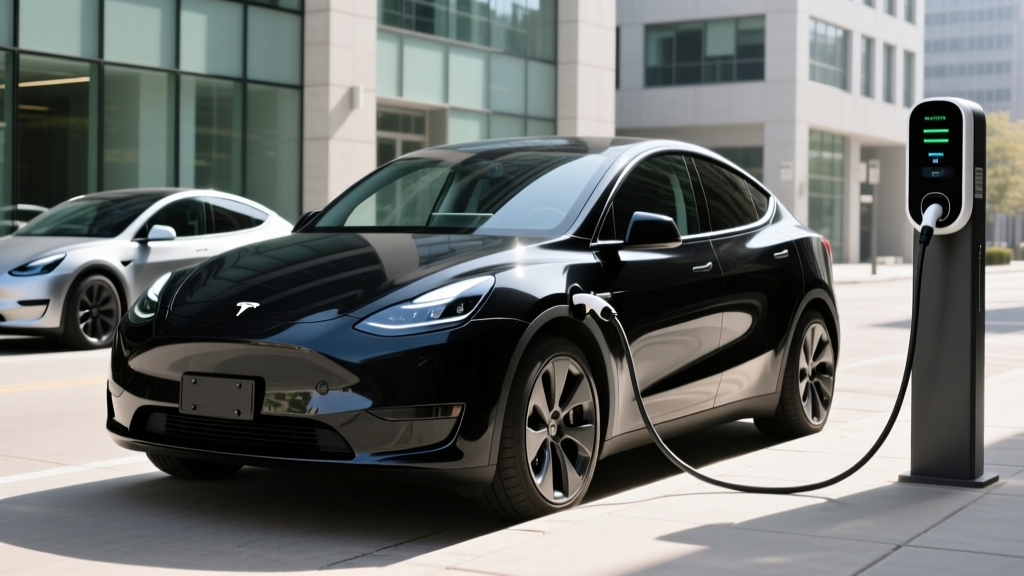
If you've seen headlines asking "did Trump ban Tesla production?" — the short answer is no. No U.S. president has banned Tesla from manufacturing vehicles, and as of 2026, Tesla's U.S. factories in Fremont, California, Austin, Texas, and its Nevada Gigafactory continue to operate at full capacity. In fact, the Trump administration's policies have at times favored domestic EV manufacturing through tariffs on Chinese imports and renegotiated trade terms. The rumor appears to stem from a mix of political noise, tariff disputes with China, and Elon Musk's polarizing public profile — not from any actual production ban.
What is real is the 2026 Tesla Model Y: a refreshed compact electric SUV that remains one of the best-selling EVs in America. Below, we break down exactly what you get — range, charging, pricing, tax credits, and how it stacks up against the Hyundai Ioniq 5, Ford Mustang Mach-E, and Chevrolet Equinox EV.
2026 Tesla Model Y: At-a-Glance Specs
| Spec | Long Range RWD | Long Range AWD | Performance |
|---|---|---|---|
| EPA Range | 320 mi | 308 mi | 277 mi |
| Battery (usable) | ~75 kWh (NMC) | ~75 kWh (NMC) | ~75 kWh (NMC) |
| MPGe (combined) | 122 MPGe | 116 MPGe | 110 MPGe |
| Efficiency | 28 kWh/100 mi | 29 kWh/100 mi | 31 kWh/100 mi |
| 0-60 mph | 5.8 sec | 4.8 sec | 3.5 sec |
| Horsepower | 295 hp | 384 hp | 456 hp |
| Drivetrain | RWD (single motor) | AWD (dual motor) | AWD (dual motor) |
| Peak DC Fast Charge | 250 kW | 250 kW | 250 kW |
| 10-80% DC Charge | ~25 min | ~25 min | ~25 min |
| Level 2 (11.5 kW) | ~37 mi/hr | ~37 mi/hr | ~37 mi/hr |
| Base MSRP | $44,990 | $47,990 | $52,490 |
Source: fueleconomy.gov and Tesla's official 2026 spec sheet. Specs reflect current Juniper-refresh production models.
Real-World Range: What the EPA Sticker Doesn't Tell You
Real-world expectation: ~265–290 mi on highway road trips (70–80 mph sustained); ~240–270 mi in sub-freezing winter conditions. City and stop-and-go driving with regen braking can push range close to or slightly above the EPA estimate.
The EPA combined rating of 320 miles for the Long Range RWD is among the best in the compact EV SUV segment. But as any seasoned EV owner knows, the sticker number is a blended average. On a 300-mile highway run at 75 mph in 45°F weather, expect to arrive with roughly 30–50 miles of buffer — meaning a charging stop is realistic around the 250–270 mile mark. In extreme cold (below 20°F), cabin heating and battery conditioning can knock another 10–15% off, dropping effective range to roughly 240 miles.
The Performance trim's 277-mile EPA rating reflects its stickier tires, sportier tuning, and heavier draw. If your commute is mostly suburban at moderate speeds, you'll see numbers close to EPA. If you're a lead-foot highway driver, budget conservatively.
Charging: Supercharger Network Advantage
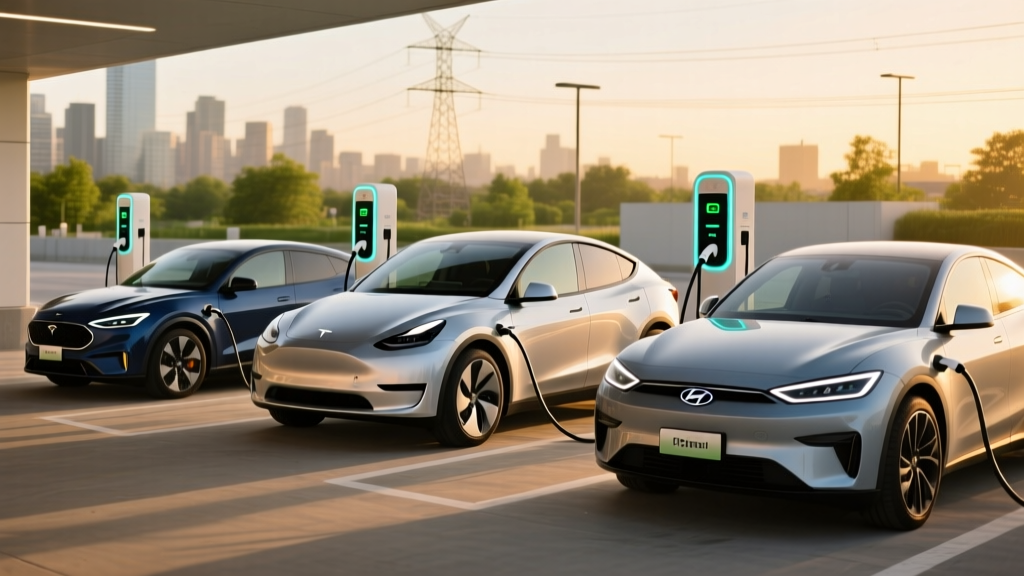
Tesla's 250 kW peak DC fast-charge capability on the Model Y is competitive but no longer class-leading — the Hyundai Ioniq 5 peaks at 350 kW on compatible chargers. However, Tesla's Supercharger network remains the gold standard for reliability and ease of use in 2026, with over 30,000 stalls across North America.
| Charging Method | Power | Miles Added per Hour | Notes |
|---|---|---|---|
| Level 1 (120V household) | ~1.4 kW | ~3–5 mi/hr | Emergency/trickle only |
| Level 2 (240V, 48A Wall Connector) | 11.5 kW | ~37 mi/hr | Full charge in ~7–8 hours |
| DC Fast (Tesla Supercharger V3/V4) | Up to 250 kW | Up to ~1,000 mi/hr (peak) | 10–80% in ~25 min |
| DC Fast (CCS adapter at EA/others) | Up to 150–250 kW | Varies by station | NACS native; CCS adapter included |
Charging-curve reality: The Model Y sustains peak 250 kW only between roughly 10–30% State of Charge (SoC). From 50–80%, the rate tapers to 80–120 kW. This means the advertised "25 minutes to 80%" assumes you arrive at a low SoC and the battery is preconditioned — which the car does automatically when you navigate to a Supercharger. At non-Tesla DC chargers, preconditioning may not engage automatically, so expect slower initial charge rates.
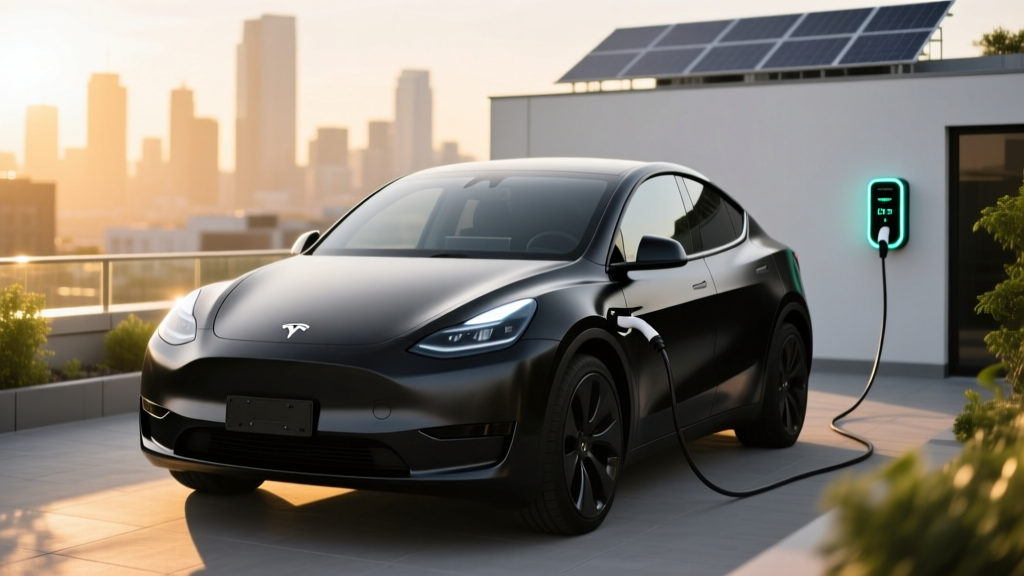
For home charging, Tesla's Wall Connector ($420) on a 60-amp circuit delivers 11.5 kW / 48 amps, adding about 37 miles of range per hour. Most owners charge overnight and start every morning at 80–90% SoC — making public fast charging a road-trip-only affair.
Pricing, Trims, and Federal Tax Credit Eligibility
| Trim | Base MSRP | Est. §30D Credit | Effective Price (if eligible) |
|---|---|---|---|
| Long Range RWD | $44,990 | Up to $7,500 | ~$37,490 |
| Long Range AWD | $47,990 | Up to $7,500 | ~$40,490 |
| Performance | $52,490 | Up to $7,500 | ~$44,990 |
Federal tax credit (IRS §30D) caveats for 2026: The $7,500 credit is not automatic. Per IRS guidelines, eligibility depends on:
- MSRP cap: SUVs must be priced at or below $80,000 — all Model Y trims qualify.
- Buyer income cap: Modified AGI must not exceed $150,000 (single), $225,000 (head of household), or $300,000 (joint filers).
- Battery sourcing: A percentage of critical minerals and battery components must be sourced from the U.S. or free-trade-agreement partners. Tesla has progressively shifted Model Y battery supply to meet these thresholds, but exact eligibility can change quarterly. Always verify on the IRS approved-vehicles list before purchasing.
- Point-of-sale transfer: As of 2024, buyers can transfer the credit to the dealer at purchase, reducing the out-of-pocket price immediately — rather than waiting for a tax refund.
Consult a tax professional to confirm your personal eligibility. State incentives (California's CVRP, Colorado's Innovative Motor Vehicle Credit, etc.) may stack on top but vary by jurisdiction.
Interior, Cargo, and Technology
The 2026 Model Y (post-Juniper refresh) features a more refined interior than earlier builds: ventilated front seats, ambient lighting, a rear-seat touchscreen, and improved sound insulation. The minimalist cabin remains a love-it-or-hate-it proposition — there are no physical buttons for climate or mirrors; everything routes through the 15.4-inch center display.
Cargo space: 30.2 cubic feet behind the second row (up from 26.6 in the pre-refresh model), expanding to 72.1 cu ft with the 60/40 rear seats folded. The front trunk (frunk) adds 4.1 cu ft — useful for charging cables or a small carry-on. Rear legroom measures 40.5 inches, competitive with the Ioniq 5 and slightly better than the Mach-E.
Tech highlights:
- Tesla's 15.4" touchscreen with native navigation, Spotify, Netflix, and YouTube (while parked)
- Autopilot standard (SAE Level 2): adaptive cruise + lane centering; driver must keep hands on wheel
- Full Self-Driving (Supervised) available as a $8,000 add-on or $99/month subscription — still Level 2, not autonomous
- Over-the-air updates, Sentry Mode dashcam recording, and phone-as-key
- Heat pump standard (efficient cabin heating in cold weather, reducing range loss vs. resistive heaters)
Performance and Driving Dynamics
The Long Range AWD's 4.8-second 0-60 mph time makes it genuinely quick for a family SUV, and the dual-motor AWD system provides confident traction in rain and light snow. The Performance trim drops that to 3.5 seconds — sports-car territory — with upgraded brakes, a lowered suspension, and 21-inch wheels.
Ride quality on the Juniper-refresh Model Y is noticeably improved over the 2023–2024 models: firmer damping, less crashiness over expansion joints, and reduced wind noise at highway speeds. The steering remains precise and direct, though some drivers find it overly heavy in Comfort mode. One-pedal driving via regenerative braking is strong enough to eliminate most friction-brake use in city driving.
Warranty and Long-Term Ownership
Tesla's warranty coverage for the 2026 Model Y:
- Basic vehicle: 4 years / 50,000 miles
- Battery & drive unit: 8 years / 120,000 miles (Long Range); 8 years / 100,000 miles (Performance)
- Battery degradation threshold: Tesla warrants that the battery will retain at least 70% of its original capacity during the warranty period
The Model Y uses NMC (nickel-manganese-cobalt) chemistry in its Long Range and Performance packs. NMC offers higher energy density than LFP (lithium iron phosphate), which is why these trims achieve 300+ mile ranges in a compact package. However, NMC cells degrade slightly faster than LFP over thousands of cycles. Based on fleet data from Tesla owners at 100,000+ miles, most Model Y packs retain 88–92% of original capacity at the five-year mark — well above the 70% warranty floor. Battery replacement, if ever needed out of warranty, currently runs $12,000–$16,000 at a Tesla Service Center.
Pros, Cons, and Who Should Buy the Model Y
Pros
- Best-in-class Supercharger network access (30,000+ stalls, highest uptime)
- 320-mi EPA range (LR RWD) is excellent for the segment
- Strong performance across all trims (3.5–5.8 sec 0-60)
- Over-the-air updates continuously add features
- Spacious cargo area (30.2 cu ft) and competitive rear legroom
- Heat pump standard for efficient cold-weather operation
Cons
- 250 kW peak DC charge rate trails Ioniq 5's 350 kW capability
- Buttonless interior frustrates some drivers (no physical volume knob, mirror controls via screen)
- FSD subscription cost ($99/mo) adds up for a Level 2 system
- No Apple CarPlay or Android Auto — Tesla's native UI only
- Insurance premiums run 15–25% higher than comparable gas SUVs
- NMC battery chemistry requires more careful SoC management than LFP (Tesla recommends daily charge to 80%, not 100%)
Who the 2026 Model Y suits best: The Model Y is ideal for households that want a do-it-all electric SUV — daily commuting, weekend road trips, and enough cargo room for family gear. The Long Range AWD at ~$40,490 (after the federal credit) is the sweet spot for most buyers. If you regularly drive 400+ mile road trips, the Supercharger network's reliability gives Tesla an edge over rivals relying on Electrify America or EVgo. If you prioritize ultra-fast DC charging or prefer Apple CarPlay, the Hyundai Ioniq 5 or Kia EV6 may be better fits.
Frequently Asked Questions
Did Trump ban Tesla production?
No. There is no executive order, legislation, or regulatory action that has banned Tesla from producing vehicles in the United States. Tesla's Fremont, Austin, and Nevada factories continue to operate normally in 2026. The rumor likely conflates political commentary around tariffs on Chinese-made EVs, trade disputes, and Elon Musk's public political involvement with actual manufacturing policy.
What is the real-world range of the 2026 Tesla Model Y?
The EPA rates the Long Range RWD at 320 miles combined. In real-world highway driving at 70–80 mph, expect 265–290 miles. In cold weather (below freezing), plan for 240–270 miles. City driving with regenerative braking can match or slightly exceed the EPA figure.
How fast does the Model Y charge at home and on the road?
At home on a Level 2 Tesla Wall Connector (11.5 kW / 48A), the Model Y adds ~37 miles of range per hour, reaching a full charge overnight in 7–8 hours. On DC fast chargers, it peaks at 250 kW and charges from 10–80% in approximately 25 minutes, with tapering above 50% SoC.
Does the 2026 Tesla Model Y qualify for the $7,500 federal tax credit?
It can, but eligibility depends on your income (AGI caps apply), the vehicle's MSRP (under $80,000 — all trims qualify), and battery-component/critical-mineral sourcing requirements under IRS §30D. Always check the current IRS approved-vehicle list and consult a tax professional before relying on the credit.
Is the Model Y worth buying over the Ioniq 5 or Mach-E?
If Supercharger access, real-world range, and Tesla's software ecosystem matter most, yes. If you prioritize faster DC charging (350 kW), Apple CarPlay, or a more conventional interior layout, the Hyundai Ioniq 5 is a strong alternative. The Ford Mustang Mach-E offers engaging driving dynamics but trails in range and charging speed.
Is Tesla Autopilot self-driving?
No. Autopilot and FSD (Supervised) are SAE Level 2 driver-assist systems. You must keep your hands on the wheel and eyes on the road at all times. The car does not drive itself. True self-driving (Level 4) is currently only available through geofenced robotaxi services like Waymo in select cities.