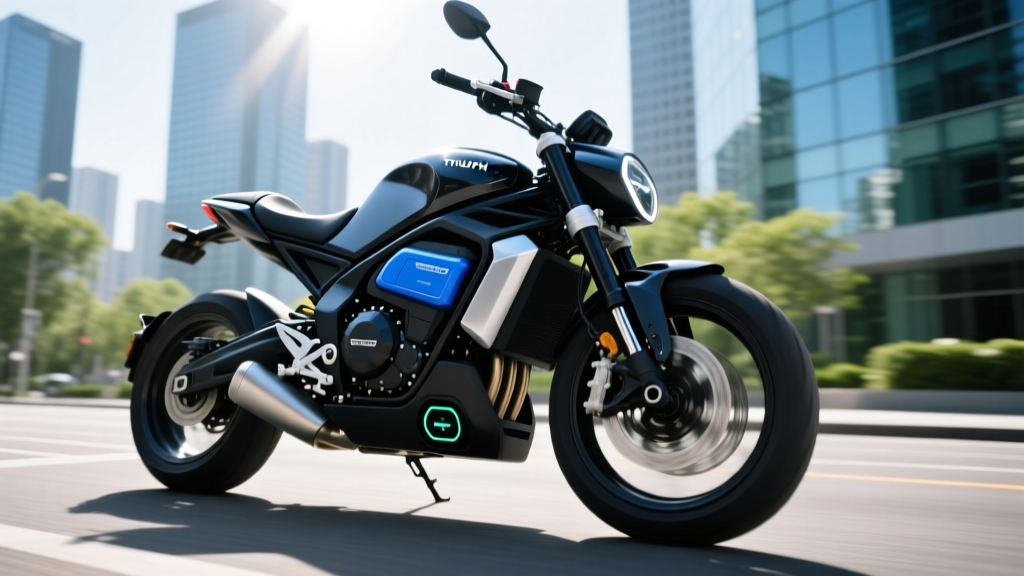
Quick Answer: As of early 2026, Triumph has not yet released a production electric motorcycle for sale. The brand's Project TE-1 electric powertrain prototype was completed in 2022 with a 130 kW (177 HP) motor and an estimated 100-mile range, but Triumph has not announced a specific model year or MSRP for a consumer bike. If you're researching Triumph electric motorcycles today, you're likely looking at a future purchase — not a current one. This guide covers what's known, what to expect, and how electric two-wheelers compare to both gas motorcycles and electric cars for practical daily use.
Triumph Motorcycles has been deliberate about its electrification timeline. While competitors like Zero Motorcycles, Energica, and LiveWire have production electric bikes on showroom floors, Triumph chose to invest in a multi-year R&D collaboration with Williams Advanced Engineering, Integral Powertrain, and the University of Warwick before committing to a retail product. For buyers researching Triumph electric motorcycles, understanding the TE-1 prototype data and the broader electric two-wheeler landscape is essential before making any purchase decision.
What We Know About the Triumph TE-1 Electric Platform
The TE-1 project concluded its testing phase in late 2022, and Triumph published detailed results that give us the clearest picture of what a production model might offer. Here are the confirmed prototype specifications:
| Specification | TE-1 Prototype Data |
|---|---|
| Motor Output | 130 kW (177 HP) peak |
| Battery Capacity | ~15 kWh (estimated usable) |
| Claimed Range | ~100 miles (combined cycle, not EPA-certified) |
| 0-60 mph (est.) | ~3.6 seconds |
| DC Fast Charge (0-80%) | ~20 minutes (claimed at peak rate) |
| Charge Port | CCS2 (prototype); production connector TBD |
| Weight (est.) | ~485 lbs (220 kg) |
| Production Status | Not announced — no MSRP or model year confirmed |
Triumph's CEO, Nick Bloor, stated that the TE-1 was a technology demonstrator and that any production motorcycle would benefit from further development. The brand has historically prioritized ride quality and brand identity over being first to market, which suggests a production bike — when it arrives — will likely refine these numbers rather than simply replicate them.
How Electric Motorcycles Compare to Gas Bikes: Real Numbers
Whether you're waiting for a Triumph electric motorcycle or considering a currently available electric bike from Zero or LiveWire, the comparison to a conventional gas motorcycle reveals meaningful trade-offs. Here's how a typical mid-range electric motorcycle stacks up against a comparable 650-900cc gas bike like the Triumph Street Triple or Yamaha MT-07:
| Metric | Electric Motorcycle (Typical 15 kWh) | Gas Motorcycle (750cc) |
|---|---|---|
| Purchase Price | $18,000–$23,000 | $9,500–$13,000 |
| Fuel/Energy Cost per Mile | $0.015–$0.03 (home charging at $0.14/kWh) | $0.06–$0.08 (at $4.00/gal, 45 MPG) |
| Annual Fuel/Energy (5,000 mi) | $75–$150 | $300–$400 |
| Maintenance per Year | $100–$200 (tires, brake fluid, chain) | $400–$700 (oil, filters, valves, chain) |
| Range per Fill/Charge | 80–120 miles real-world | 150–200 miles |
| Refuel/Recharge Time | 2–8 hours (Level 2); 20–40 min (DC fast) | 3–5 minutes |
| Insurance (annual avg) | $600–$1,100 | $400–$800 |
The data makes the trade-off clear: electric motorcycles cost significantly more upfront and sacrifice range and refueling speed, but they return substantial savings on fuel and maintenance over time. At 5,000 miles per year, an electric bike saves roughly $400–$600 annually on energy and maintenance — but it takes many years to recoup a $7,000–$10,000 purchase price gap.
5-Year Ownership Cost Breakdown
For buyers weighing whether to invest in an electric motorcycle now or wait for a Triumph production model, a five-year total cost of ownership (TCO) comparison provides clarity. The following assumes 5,000 miles/year, home charging access, and average U.S. electricity and fuel prices:
| Cost Category | Electric Motorcycle ($20K) | Gas Motorcycle ($11K) |
|---|---|---|
| Purchase Price | $20,000 | $11,000 |
| Federal Tax Credit (§30D) | $0 (motorcycles excluded as of 2026) | $0 |
| Energy/Fuel (5 years) | $550 | $1,750 |
| Maintenance (5 years) | $750 | $2,750 |
| Insurance (5 years) | $4,250 | $3,000 |
| Estimated Resale (Year 5) | -$8,000 | -$5,500 |
| Net 5-Year Cost | $17,550 | $13,000 |
Critical note on tax credits: The federal §30D Clean Vehicle Credit applies to four-wheeled vehicles (cars, trucks, SUVs) with specific MSRP, income, and battery-sourcing requirements as outlined by the IRS. Motorcycles — including electric motorcycles — do not currently qualify for this credit. Some states offer separate incentives for electric two-wheelers, but these vary widely and change frequently. Check your state's energy or transportation department for current programs.
Real-World Ownership Considerations for Electric Motorcycles
Before committing to any electric motorcycle — whether a current Zero SR/F or a future Triumph — these practical factors determine whether electric two-wheel ownership actually works for your situation:
Home Charging Access Is Non-Negotiable
Unlike electric cars, which can use the growing DC fast-charging network for road trips, electric motorcycles rely almost entirely on home or workplace charging. A standard 120V outlet (Level 1) adds roughly 5–8 miles of range per hour of charging — meaning a full recharge of a 15 kWh battery takes 10–15 hours. If you live in an apartment without dedicated parking and an outlet, electric motorcycle ownership becomes impractical. A 240V Level 2 setup (requiring a dedicated 20A circuit) cuts charge time to 3–4 hours but adds $500–$1,500 in electrician and equipment costs.
Climate and Range Reality
Electric motorcycle batteries, like EV car batteries, lose efficiency in cold weather. Expect 15–25% range reduction when riding in temperatures below 40°F. A bike rated at 100 miles may deliver only 75–85 miles in winter conditions. Highway riding at sustained 70+ mph speeds also reduces range significantly — often by 20–30% compared to city riding where regenerative braking recovers energy.
Public Charging Infrastructure Gap
The public DC fast-charging networks (Electrify America, EVgo, ChargePoint) are designed for four-wheeled vehicles. While some electric motorcycles can technically use CCS adapters, the physical infrastructure — cable weight, parking space design, connector height — is not motorcycle-friendly. Plan trips around your battery's real-world range rather than assuming you can top up on the road.
Common Misconceptions About Electric Motorcycles
| Myth | Fact |
|---|---|
| "Electric motorcycles qualify for the $7,500 federal tax credit." | The §30D credit applies only to four-wheeled clean vehicles. Motorcycles are excluded under current IRS rules. |
| "The battery will need expensive replacement within a few years." | Modern lithium-ion motorcycle batteries (NMC chemistry) are warrantied for 5 years with no mileage limit by manufacturers like Zero. Degradation is typically 10–15% over 5 years based on owner-reported data. |
| "Electric motorcycles are slow." | The TE-1 prototype hit 0-60 mph in ~3.6 seconds. The LiveWire ONE does it in 3.0 seconds. Instant electric torque outperforms most gas bikes off the line. |
| "I can charge at any public EV station." | Most public chargers are designed for cars. Motorcycle access is physically awkward and sometimes blocked by parked vehicles. Home charging is the primary strategy. |
| "Maintenance is zero." | Tires, brake fluid, suspension, and chain/belt maintenance still apply. What's eliminated: oil changes, valve adjustments, air filters, spark plugs, and clutch replacement. |
Decision Framework: Should You Wait for Triumph or Buy Now?
Choose to wait for a Triumph electric motorcycle if:
- You're a Triumph brand loyalist who values the marque's chassis tuning, ergonomics, and dealer network
- Your daily commute is under 60 miles round-trip and you have home charging
- You're not in a rush — Triumph has not committed to a production date, so this could be a 2027+ purchase
- You want a bike with refined ride quality over raw spec-sheet numbers
Choose a currently available electric motorcycle (Zero, LiveWire, Energica) if:
- You want to ride electric now and stop paying for gas
- Your commute is predictable and within the 80–120 mile real-world range envelope
- You have confirmed home charging access (garage or dedicated outlet)
- You're comfortable with a smaller dealer network and potentially lower resale value
Choose a gas motorcycle (or keep your current bike) if:
- You regularly ride 200+ miles in a day or take multi-day touring trips
- You lack reliable home charging access
- The $7,000–$12,000 price premium of electric doesn't justify the fuel savings at your annual mileage
- You ride in extreme cold frequently and need consistent range
What a First-Time Electric Motorcycle Buyer Should Know
If you've never owned an electric vehicle of any kind, the transition from gas to electric on two wheels involves a few specific adjustments:
kW vs. kWh — the essential distinction: Kilowatts (kW) measure power — how fast the motor can deliver energy or how fast the battery can charge. Kilowatt-hours (kWh) measure energy capacity — how much total energy the battery stores, which directly determines range. A 15 kWh battery with a 130 kW motor means the bike has substantial power but a modest energy tank. Think of kWh as your fuel tank size and kW as both your horsepower and your fill-up speed.
Regenerative braking changes your riding style: Electric motorcycles use regenerative braking to recapture energy when you decelerate. Most bikes offer adjustable regen levels. At maximum regen, you can ride with minimal use of the friction brakes — similar to one-pedal driving in an electric car. This extends range in city riding but requires adaptation, especially in wet conditions where you want predictable brake feel.
Insurance costs more: Electric motorcycles carry higher insurance premiums than comparable gas bikes, typically 30–50% more. This is driven by higher replacement part costs, specialized repair requirements, and the still-small data pool insurers use to assess risk. Get quotes before purchasing — the premium difference can erase some of the fuel savings.
Tire wear accelerates: The instant torque of electric motors puts more stress on rear tires. Expect 20–30% faster rear tire wear compared to a similar-power gas motorcycle. Budget for tire replacement every 5,000–8,000 miles rather than the 8,000–12,000 miles typical on gas bikes.
Frequently Asked Questions
When will Triumph release an electric motorcycle for sale?
Triumph has not announced a production date, model name, or MSRP for a consumer electric motorcycle. The TE-1 prototype completed testing in 2022, and the company has indicated that a production model is in development, but no timeline has been publicly confirmed as of early 2026. Industry analysts expect a reveal no earlier than late 2026 or 2027.
How much will a Triumph electric motorcycle cost?
No pricing has been announced. Based on the TE-1's prototype specifications (130 kW motor, ~15 kWh battery) and current market positioning of competitors, a production model would likely fall in the $18,000–$25,000 range before any incentives. For comparison, the Zero SR/F starts around $20,000 and the LiveWire ONE at approximately $22,000.
Do electric motorcycles qualify for any tax credits or incentives?
The federal §30D Clean Vehicle Credit does not apply to motorcycles. However, some states and local utilities offer rebates or incentives for electric two-wheelers. California, for example, has periodically offered rebates through the Clean Vehicle Rebate Project (CVRP). Check your state's official energy or transportation website for current programs, as these change annually.
What is the real-world range of current electric motorcycles?
Real-world range varies significantly by riding style and conditions. In mixed city/highway riding at moderate speeds (45–55 mph), expect 80–110 miles from a 14–17 kWh battery. Pure city riding with frequent regenerative braking can extend this to 120+ miles. Sustained highway riding at 70+ mph typically reduces range to 60–80 miles. Cold weather (below 40°F) further reduces range by 15–25%.
How long does it take to charge an electric motorcycle at home?
On a standard 120V household outlet (Level 1), a full charge of a 15 kWh battery takes approximately 10–15 hours. With a 240V Level 2 charger (requiring professional installation), charge time drops to 3–4 hours. Most riders charge overnight, similar to charging a phone, which works well for daily commuting within the bike's range.
Is an electric motorcycle practical for touring or long trips?
Not yet, for most riders. With 80–120 miles of real-world range and limited motorcycle-friendly public charging infrastructure, long-distance touring requires extensive route planning, long charging stops, and acceptance of a much shorter daily range than a gas bike can deliver. Electric motorcycles excel as commuters and weekend riders within their range envelope but are not yet viable replacements for gas touring bikes.
For the latest updates on Triumph's electric motorcycle program, monitor Triumph's official site and industry publications. For current electric motorcycle specifications and efficiency data, the EPA's fueleconomy.gov database includes some electric motorcycle entries. As always, verify tax credit and incentive eligibility through IRS.gov and your state's official resources before making a purchase decision.