Quick Verdict: Is the TrailSeeker EV Worth It?
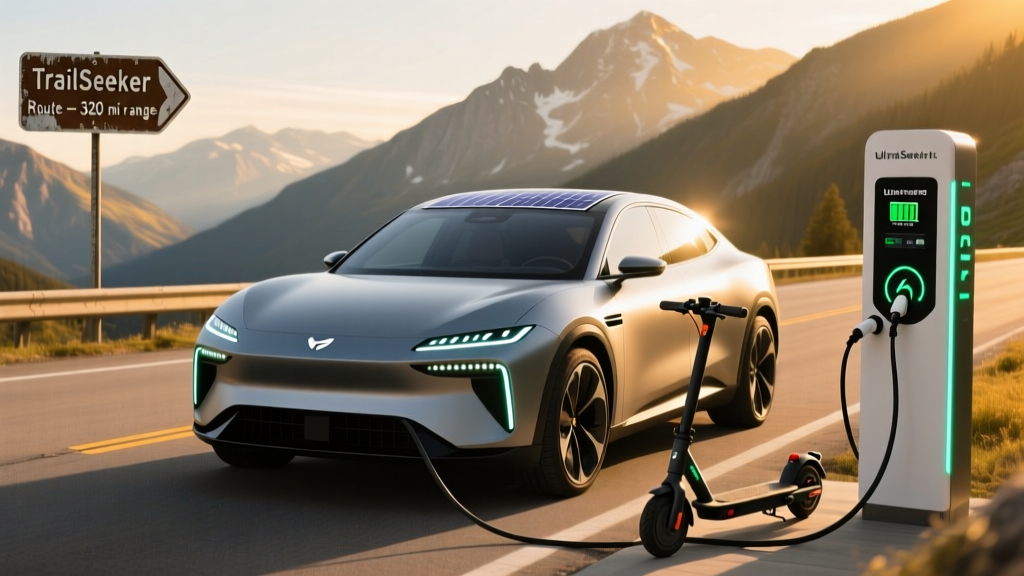
The 2026 TrailSeeker EV is a midsize electric crossover targeting outdoor-oriented buyers who need cargo space, all-weather capability, and enough range for weekend trips without constant charging stops. With an EPA-estimated 285 miles of range, a 78 kWh usable LFP battery, and a starting MSRP of $42,900, it occupies the sweet spot between affordable commuter EVs and premium electric SUVs.
Bottom line: The TrailSeeker EV makes sense if you drive 30–60 miles daily, have access to Level 2 home charging, and take 2–4 road trips per year under 300 miles each way. Expect real-world range of 240–260 miles on the highway in moderate weather, dropping to ~210 miles in sub-freezing conditions. If you regularly tow, drive 400+ miles between stops, or lack reliable charging access, a PHEV or hybrid SUV may serve you better.
TrailSeeker EV Specifications at a Glance
| Spec | Value |
|---|---|
| EPA Range | 285 miles |
| Real-World Highway Range | ~240–260 miles (moderate), ~210 miles (cold) |
| Battery Capacity (usable) | 78 kWh, LFP chemistry |
| DC Fast Charge (peak) | 175 kW (10–80% in ~28 min) |
| Level 2 Charge Rate | 11.5 kW (~37 miles/hour) |
| Horsepower | 295 hp (dual-motor AWD) |
| 0–60 mph | 5.8 seconds |
| MPGe (combined) | 108 MPGe |
| Cargo Volume | 33.5 cu ft (rear seats up), 71 cu ft (folded) |
| Towing Capacity | 2,500 lbs |
| Base MSRP (AWD) | $42,900 |
| Battery/Powertrain Warranty | 8 years / 100,000 miles |
Real-World Range: What the EPA Sticker Doesn't Tell You
The TrailSeeker's 285-mile EPA estimate assumes a mix of city and highway driving in moderate temperatures. In practice, your results will vary based on speed, climate, and terrain.
EPA: 285 miles | Real-world highway (65–70 mph, 70°F): ~245–260 miles | Cold weather (30°F, highway): ~200–215 miles | City/regen-heavy (50°F): ~275–290 miles
The LFP (lithium iron phosphate) chemistry helps here. LFP batteries tolerate repeated 100% charging better than NMC chemistries, meaning you can top off daily without the long-term degradation concerns that plague nickel-based packs. The trade-off is slightly lower energy density — hence the 78 kWh pack delivering 285 miles rather than 320+.
On a 300-mile road trip at highway speeds, plan one DC fast-charge stop. The TrailSeeker peaks at 175 kW but sustains that rate only up to roughly 50% state of charge (SoC), then tapers. Expect 10–80% in about 28 minutes at a functioning 180+ kW station, but 80–100% adds another 25+ minutes due to the charge curve taper. Preconditioning the battery via the nav-routed charging feature shaves 5–8 minutes off cold-weather sessions.
TrailSeeker EV vs. Gas SUV: The Cost Reality
Let's compare the TrailSeeker EV against a similarly equipped gas-powered midsize AWD crossover priced around $38,000, getting 26 MPG combined. This is the cross-shopping decision most buyers face.
| Factor | TrailSeeker EV ($42,900) | Gas AWD SUV ($38,000) |
|---|---|---|
| Purchase Price (before incentives) | $42,900 | $38,000 |
| Est. Federal Tax Credit (§30D) | Up to $7,500* | $0 |
| Effective Price After Credit | ~$35,400 | $38,000 |
| Fuel/Energy Cost (15,000 mi/yr) | ~$540/yr (home charging at $0.14/kWh) | ~$1,850/yr (gas at $3.40/gal, 26 MPG) |
| Annual Maintenance | ~$300 (cabin filter, tire rotation, fluid top-off) | ~$850 (oil, filters, brakes, belts) |
| 5-Year Total Fuel + Maintenance | ~$4,200 | ~$13,500 |
| Estimated Insurance (annual avg) | ~$1,650 | ~$1,350 |
*Tax credit eligibility depends on MSRP caps, buyer income limits, and battery-sourcing requirements under current IRS §30D rules. Verify at irs.gov or with a tax professional. Point-of-sale transfer is available through registered dealers.
The math is clear: if you qualify for the full credit and charge primarily at home, the TrailSeeker EV costs less to own over five years despite a higher sticker price. The break-even point versus the gas SUV is typically 2.5–3.5 years when factoring fuel and maintenance savings. However, EV insurance premiums run 15–25% higher on average — a real cost that buyers often overlook.
Home Charging and Installation: What It Actually Costs
Home Level 2 charging is where EV ownership either shines or stumbles. The TrailSeeker's 11.5 kW onboard charger means a full charge from empty takes roughly 7 hours on a 48-amp Level 2 station — perfectly suited for overnight replenishment.
| Item | Typical Cost Range |
|---|---|
| Level 2 Charger (48A, hardwired) | $400–$700 |
| Electrician Labor (240V/50A circuit run) | $600–$2,000 |
| Permit & Inspection | $100–$300 |
| Electrical Panel Upgrade (if needed, 200A) | $1,500–$3,500 |
| Total (no panel upgrade) | $1,100–$3,000 |
| Total (with panel upgrade) | $2,600–$6,500 |
If your home already has a 200-amp panel with spare capacity, expect to spend $1,100–$3,000 for a professional Level 2 installation. Older homes with 100-amp service may require a panel upgrade, pushing costs higher. Always get a licensed electrician's assessment before purchasing equipment — Energy.gov's home charging guide offers a solid pre-install checklist.
Without home charging, the TrailSeeker becomes significantly less convenient. Public DC fast charging costs roughly $0.35–$0.50/kWh depending on the network, raising your annual fuel cost to $1,200–$1,800 — narrowing the gap with gas. If you live in an apartment or lack a dedicated parking spot with outlet access, seriously evaluate public charging infrastructure near you before committing.
Common EV Misconceptions: TrailSeeker-Specific Facts
| Myth | Fact |
|---|---|
| "The battery will need replacement in 5 years" | The LFP pack carries an 8-year/100,000-mile warranty guaranteeing ≥70% capacity retention. Real-world LFP data from similar platforms shows ~10–12% degradation at 100,000 miles. |
| "You can't drive an EV in winter" | The TrailSeeker includes a heat pump for cabin heating, reducing cold-weather range loss to ~20–25% rather than the 30–40% seen in EVs without one. Expect ~210 miles at 30°F — enough for most daily needs. |
| "Charging takes too long for road trips" | A 10–80% DC fast charge takes ~28 minutes — roughly the time for a rest stop, food, and bathroom break. Plan one stop per 220–240 highway miles. |
| "EVs are worse for the environment because of battery mining" | Per EPA analysis, EVs produce fewer lifecycle emissions than gas cars in every US grid region, even accounting for battery manufacturing. The advantage grows as grids add renewables. |
| "The TrailSeeker qualifies for the full $7,500 tax credit" | Eligibility depends on your income (≤$150K single / $300K joint), the vehicle's MSRP (≤$80K for SUVs — it qualifies), and battery critical-mineral/sourcing compliance, which may shift annually. Verify current-year rules before purchasing. |
Who Should Buy the TrailSeeker EV — and Who Shouldn't
Choose the TrailSeeker EV if:
- You drive 30–80 miles daily and can charge at home overnight
- You take road trips under 300 miles one-way (or don't mind one charging stop)
- You want AWD capability for snow and light off-road use without the fuel cost of a body-on-frame SUV
- You plan to keep the vehicle 5+ years to maximize fuel/maintenance savings over the higher purchase price
- You value daily 100% charging without long-term battery health concerns (LFP advantage)
Look elsewhere if:
- You regularly tow over 2,500 lbs (towing cuts EV range by 30–50%)
- You drive 400+ miles between stops frequently and can't tolerate 25–30 minute charge breaks
- You lack access to home or workplace Level 2 charging
- You live in a region with sparse DC fast-charging infrastructure (check PlugShare or the network apps first)
- You need third-row seating — the TrailSeeker is strictly a two-row, five-passenger crossover
5-Year Ownership Cost Summary
| Category | TrailSeeker EV | Comparable Gas SUV |
|---|---|---|
| Purchase (after est. credit) | $35,400 | $38,000 |
| Fuel/Energy (5 years, home charging) | $2,700 | $9,250 |
| Maintenance (5 years) | $1,500 | $4,250 |
| Insurance (5 years, est.) | $8,250 | $6,750 |
| Home Charger Install | $2,000 | $0 |
| 5-Year Total Cost | ~$49,850 | ~$58,250 |
| Est. Resale Value (5yr) | ~$22,000 | ~$21,500 |
| Net 5-Year Cost | ~$27,850 | ~$36,750 |
Over five years, the TrailSeeker EV saves roughly $8,900 in net cost versus the gas alternative — assuming you qualify for the tax credit, charge at home, and drive 15,000 miles annually. The savings widen if gas prices rise and narrow if you rely heavily on expensive public DC charging or face higher-than-average insurance premiums. Consult fueleconomy.gov for personalized cost estimates based on your local electricity rates and driving profile.
Frequently Asked Questions
Does the TrailSeeker EV use NACS or CCS for charging?
The 2026 TrailSeeker EV ships with a NACS (Tesla-style) charge port, granting native access to Tesla Supercharger stations. A CCS adapter is included in the box for compatibility with Electrify America, EVgo, and other CCS networks. This dual-network flexibility is a significant advantage for road-trip charging reliability.
How does the LFP battery affect daily charging habits?
Unlike NMC batteries that benefit from staying between 20–80% SoC, LFP chemistry handles regular 100% charging well. TrailSeeker's battery management system actually recommends charging to 100% at least once per week for accurate SoC calibration. This makes it ideal for drivers who want maximum available range every morning without degradation anxiety.
What happens if I need to tow with the TrailSeeker EV?
The 2,500-lb tow rating covers small utility trailers, bike racks, or a light pop-up camper. However, towing reduces range by approximately 35–50% depending on trailer weight, aerodynamics, and speed. With a loaded 2,000-lb trailer at highway speeds, expect roughly 150–170 miles of range. Plan charge stops accordingly and avoid towing on routes with sparse charging.
Is the TrailSeeker EV eligible for state incentives too?
Potentially, yes — but state incentives vary widely and change frequently. Some states offer rebates of $1,000–$4,000 on top of the federal credit; others have no additional incentive. Check your state's energy office or environmental agency website for current programs, and note that some state rebates have income caps or require pre-purchase registration.
How does the TrailSeeker handle in snow and off-road conditions?
The dual-motor AWD system provides independent torque vectoring to each axle, with a dedicated "Terrain" drive mode that adjusts throttle response, regen, and traction control for loose surfaces. Ground clearance is 8.2 inches — adequate for forest service roads and snow-covered streets, but not for technical rock crawling. The heat pump and battery preconditioning maintain cabin comfort and charging speed in sub-freezing temperatures.