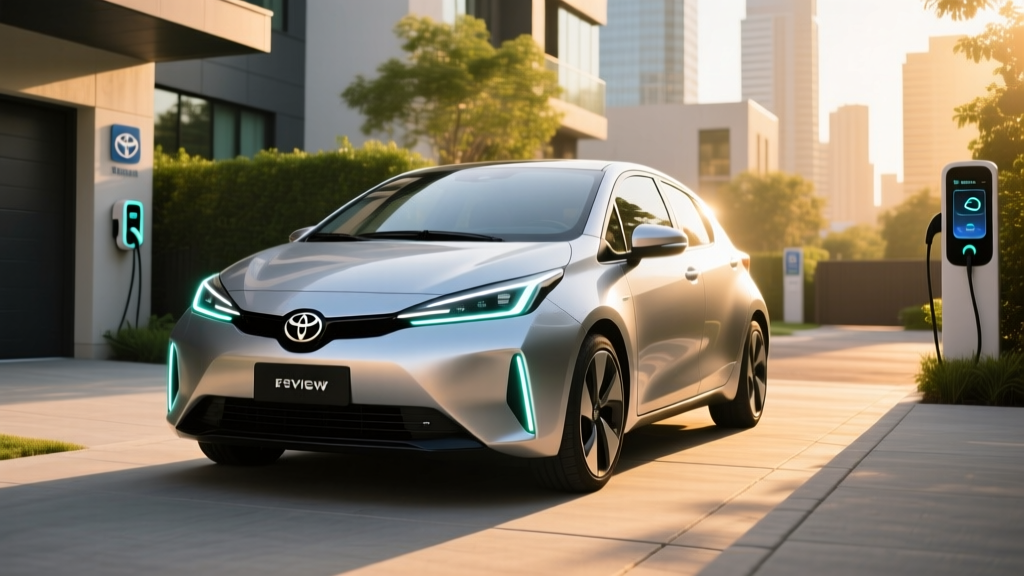
If you are searching for a Toyota Electric Yaris to buy in the United States in 2026, the direct answer is that Toyota does not currently sell a battery-electric Yaris in the U.S. market. The Yaris nameplate was discontinued for American buyers after the 2020 model year (which was a rebadged Mazda2). Globally, Toyota has introduced the Yaris Hybrid in Europe and other markets, and has announced broader EV ambitions through its bZ series, but a dedicated electric Yaris for North America remains unconfirmed.
The Bottom Line for U.S. Buyers
There is no Toyota Electric Yaris available for purchase in the U.S. as of 2026. Buyers seeking a subcompact electric vehicle from a mainstream brand should look at alternatives like the Chevrolet Bolt EV/EUV (if available in your model year), the Nissan Leaf, or consider a compact crossover EV like the Hyundai Kona Electric or the Volvo EX30. If you specifically want a Toyota, the bZ4X compact SUV is currently Toyota's only all-electric offering in the U.S., while the Prius and Prius Prime remain the brand's efficiency leaders.
Toyota's EV Strategy: Where Does a Small EV Fit?
Toyota has historically taken a multi-pathway approach to electrification, investing heavily in hybrids (HEVs), plug-in hybrids (PHEVs), hydrogen fuel cells, and battery electric vehicles (BEVs). The company has faced criticism from some EV advocates for moving more slowly on full battery-electric adoption compared to competitors, but Toyota's strategy has also proven financially successful — the Prius, RAV4 Hybrid, and RAV4 Prime have been massive sellers with proven reliability.
For the global market, Toyota has signaled plans to expand its EV lineup significantly by the late 2020s, including smaller, more affordable models. However, the U.S. market has seen a clear consumer shift toward crossovers and SUVs, which is where Toyota has concentrated its EV efforts (the bZ4X). A subcompact electric car like an "Electric Yaris" would face an uphill battle in the American market given current buyer preferences.
What Toyota Offers U.S. Buyers in 2026
- bZ4X — Compact electric SUV, ~252-mile EPA range (FWD), starting around $43,000 MSRP
- Prius — Hybrid hatchback, up to 57 MPG combined, starting ~$28,000 MSRP
- Prius Prime — Plug-in hybrid, ~44 miles electric-only range, ~52 MPG combined after battery depletion, starting ~$33,000 MSRP
- Corolla Hybrid — Hybrid sedan, ~50 MPG combined, starting ~$24,000 MSRP
EV vs. Hybrid vs. Gas: What Makes Sense for a Small-Car Buyer?
Since a Toyota Electric Yaris isn't an option, let's examine what the data says about choosing between a battery-electric subcompact, a hybrid like the Prius, and a conventional gas car for buyers who want an affordable, efficient daily driver.
| Vehicle Type | Example Model | Efficiency | Est. Annual Energy Cost | 5-Year Energy Cost |
|---|---|---|---|---|
| Subcompact EV (home charging) | Hyundai Kona Electric | 120 MPGe / 28 kWh/100mi | $630 (at $0.15/kWh) | $3,150 |
| Subcompact EV (public DC fast charging) | Hyundai Kona Electric | 120 MPGe / 28 kWh/100mi | $1,680 (at $0.40/kWh) | $8,400 |
| Hybrid (HEV) | Toyota Prius | 57 MPG combined | $920 (at $3.50/gal) | $4,600 |
| Gas Subcompact | Honda Civic (non-hybrid) | 35 MPG combined | $1,500 (at $3.50/gal) | $7,500 |
Sources: fueleconomy.gov, EIA average electricity and gas prices. Actual costs vary significantly by region, utility rate, and driving patterns.
The numbers make clear that home charging access is the single biggest variable in EV ownership economics. A subcompact EV charged primarily at home on a residential electricity rate can cut energy costs roughly in half compared to a Prius hybrid. But if you rely exclusively on public DC fast charging — which typically costs $0.30–$0.50 per kWh — the EV can actually cost more to fuel than a hybrid.
Real Costs of Small EV Ownership in 2026
Let's build out a realistic 5-year total cost of ownership (TCO) for a buyer considering a subcompact EV versus a Toyota Prius hybrid — the closest thing to what a "Toyota Electric Yaris" buyer would likely cross-shop.
| Cost Category | Subcompact EV (e.g., Kona Electric) | Toyota Prius (HEV) |
|---|---|---|
| Purchase Price (base MSRP) | $33,000 | $28,000 |
| Federal Tax Credit (§30D) | $0–$7,500 (eligibility varies) | $0 |
| Home Charger Install (Level 2) | $500–$2,000 | $0 |
| Energy Cost (5 years) | $3,150–$8,400 | $4,600 |
| Maintenance (5 years) | $1,500 (tires, cabin filter, wipers) | $3,000 (oil, filters, brakes, tires) |
| Insurance (5-year est.) | $7,500–$9,000 | $6,000–$7,500 |
| Estimated Depreciation | $12,000–$15,000 | $8,000–$10,000 |
| Approx. 5-Year Total | $36,650–$49,900 | $41,600–$45,100 |
Key takeaways from this breakdown:
- Tax credit eligibility is a game-swing factor. Under current IRS §30D rules, the federal EV credit of up to $7,500 has income caps ($150K single / $300K joint), MSRP caps ($55K for cars), and battery sourcing requirements that change annually. Not every EV qualifies for the full amount, and eligibility should be verified for the specific model year at purchase.
- Insurance tends to be higher for EVs — typically 15–25% more than comparable gas or hybrid models, due to higher repair costs and parts pricing.
- Maintenance is genuinely lower for EVs — no oil changes, fewer brake replacements (thanks to regenerative braking), and simpler drivetrains. But tire wear can be higher due to vehicle weight and instant torque.
- Depreciation remains a wildcard for EVs. Used EV values have been volatile, influenced by Tesla price cuts, rapidly improving new models, and battery health concerns among used buyers.
What First-Time EV Buyers Need to Know Before Purchasing
If you've been considering a small, affordable EV — whether hoping for a Toyota Electric Yaris or looking at available alternatives — here are the ownership realities that matter most.
Home Charging Is Non-Negotiable for Most Owners
Over 80% of EV charging happens at home. If you have a garage or dedicated parking spot with access to a 240V outlet (or the ability to have one installed), an EV is remarkably convenient — you start every morning with a "full tank." If you live in an apartment without charging access or park on the street, EV ownership becomes significantly more challenging and expensive.
A Level 2 home charger installation typically costs:
- Equipment: $300–$700 for a quality 32–48 amp charger (e.g., ChargePoint Home Flex, Emporia Vue)
- Electrician labor: $300–$1,500 depending on panel proximity and local rates
- Panel upgrade (if needed): $1,500–$3,000+ if your home has an older 100-amp panel
- Permit: $50–$200 depending on jurisdiction
Range: EPA Sticker vs. Real World
EPA range estimates are a useful baseline, but real-world range varies significantly based on conditions:
- Highway driving (75+ mph): Expect 15–25% less than EPA range due to aerodynamic drag
- Cold weather (below 32°F): Expect 20–40% range reduction, depending on severity and whether you use cabin heating. EVs with heat pumps (increasingly common) fare better.
- Charging curve taper: DC fast charging speeds peak at low state-of-charge and taper significantly above 80%. A "200 kW peak" charge rate is not sustained — expect a 10–80% charge to average roughly 60–70% of peak kW.
Battery Longevity and Warranty
Modern EV batteries (both NMC and LFP chemistries) are designed to last the life of the vehicle. Federal law mandates a minimum battery warranty of 8 years/100,000 miles, and most manufacturers warrant against degradation below 70% of original capacity during that period. Real-world data from high-mileage EVs shows typical degradation of 10–15% over 100,000–150,000 miles.
Common EV Myths vs. Facts
| Myth | Fact |
|---|---|
| "EV batteries need replacing every few years and cost $20,000." | EV batteries are warrantied for 8 years/100K miles minimum. Most degrade gradually (1–2% per year), and full replacements are rare. When needed, costs range $5,000–$15,000 depending on the vehicle, and are trending downward. |
| "EVs are worse for the environment because of battery manufacturing." | Lifecycle analyses consistently show EVs produce fewer total emissions than gas cars over their lifetime, even accounting for battery production. The break-even point is typically 1–2 years of driving, depending on the electricity grid mix. (EPA reference) |
| "The power grid can't handle everyone driving EVs." | Most EV charging occurs overnight during off-peak hours when grid capacity is underutilized. Widespread adoption will require grid upgrades, but at current adoption rates, this is manageable. Smart charging and V2G technology further ease demand. |
| "EVs don't have enough range for road trips." | Most modern EVs offer 230–350 miles of EPA range. With DC fast chargers adding 150–250 miles in 20–30 minutes, road trips are viable — though they require more planning than gas trips, especially in rural areas. |
| "Hybrids are just as good as EVs and less risky." | Hybrids eliminate range anxiety and charging concerns, making them excellent for buyers without home charging. But EVs offer lower operating costs (with home charging), less maintenance, zero tailpipe emissions, and a smoother, quieter driving experience. |
Decision Framework: Should You Buy an EV, Hybrid, or Wait?
If-Then Guide for Small-Car Buyers in 2026
- Choose a BEV (battery-electric vehicle) if: You have reliable home charging access, your daily commute is under 100 miles round-trip, you want the lowest operating costs, and you're comfortable planning longer road trips around charging stops.
- Choose a PHEV (plug-in hybrid) if: You have home charging, want 30–45 miles of electric-only range for daily commuting, but also want the flexibility of a gas engine for road trips without any charging planning. The Toyota Prius Prime is a strong option here.
- Choose an HEV (standard hybrid) if: You don't have home charging access, you want maximum fuel efficiency with zero lifestyle changes, or you frequently drive in areas with sparse charging infrastructure. The Toyota Prius remains the benchmark.
- Wait if: You specifically want an affordable subcompact EV from Toyota. Toyota's EV lineup is expected to expand in the coming years, and more budget-friendly options from various manufacturers are anticipated by 2027–2028. However, waiting always means forgoing current savings and incentives.
Frequently Asked Questions
Will Toyota ever make an electric Yaris for the U.S.?
Toyota has not announced a U.S.-market electric Yaris. The Yaris was discontinued in the U.S. after 2020 due to declining subcompact car sales. Toyota's U.S. EV strategy currently focuses on crossovers and SUVs (bZ4X, with more bZ models planned). If a small Toyota EV arrives, it would more likely be a crossover than a hatchback.
What's the closest thing to a Toyota Electric Yaris I can buy today?
The Toyota Prius Prime (PHEV) offers the closest experience: a small, efficient Toyota hatchback with ~44 miles of electric-only range for daily driving, plus a gas engine for longer trips. For a full EV, the Hyundai Kona Electric or Chevrolet Bolt EV (if available) are the closest subcompact electric alternatives in terms of size and price point.
Do I qualify for the $7,500 federal EV tax credit?
Eligibility depends on multiple factors under current IRS §30D rules: your adjusted gross income must be below $150,000 (single) or $300,000 (joint), the vehicle MSRP must be under $55,000 for cars (or $80,000 for SUVs/trucks), and the vehicle must meet battery component and critical mineral sourcing requirements that tighten annually. Always verify eligibility for the specific vehicle and model year before purchasing, ideally with a tax professional.
How much does it cost to install a home EV charger?
A typical Level 2 (240V) home charger installation costs $800–$2,500 total, including the charger unit ($300–$700), electrician labor ($300–$1,500), and permits ($50–$200). Costs increase to $2,500–$5,000+ if your electrical panel needs an upgrade from 100A to 200A service. Always get quotes from licensed electricians — never attempt DIY electrical work for EV charger installation.
Are EVs more expensive to insure?
Yes, typically 15–25% more than comparable gas vehicles, according to industry data. This is due to higher repair costs (specialized parts, battery protection requirements) and higher vehicle purchase prices. However, some insurers now offer EV-specific discounts. Always get insurance quotes before purchasing to factor this into your total cost calculation.