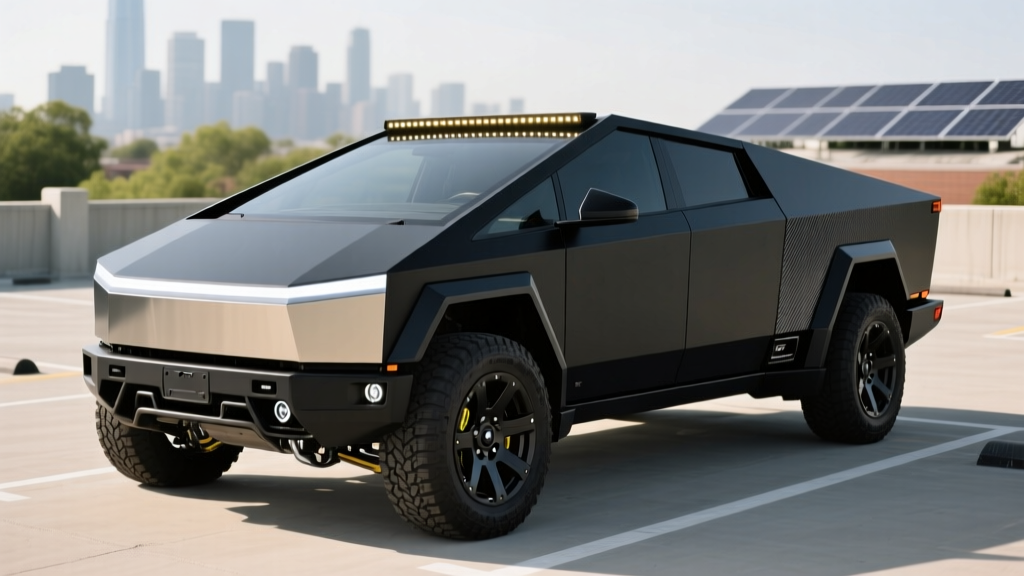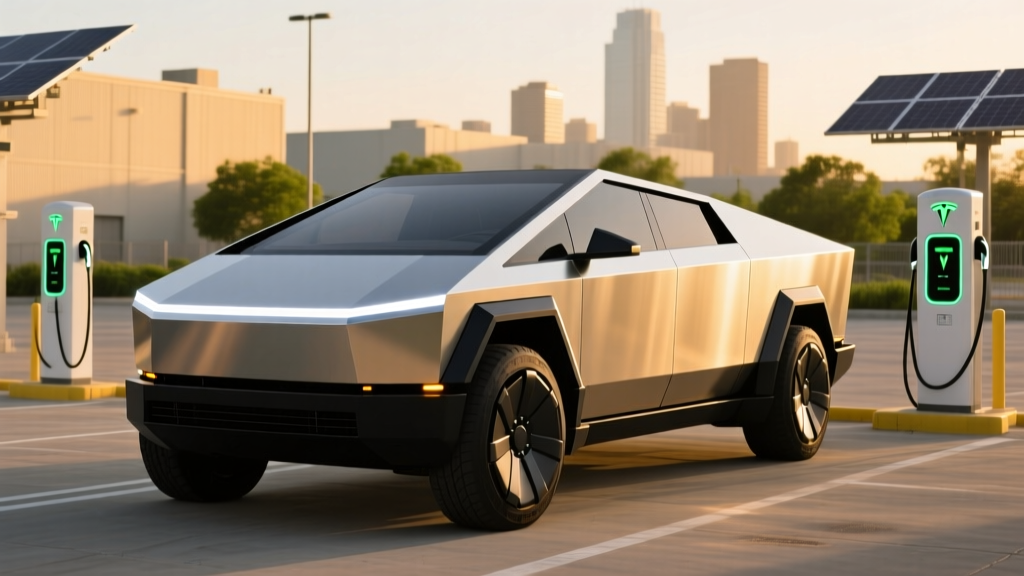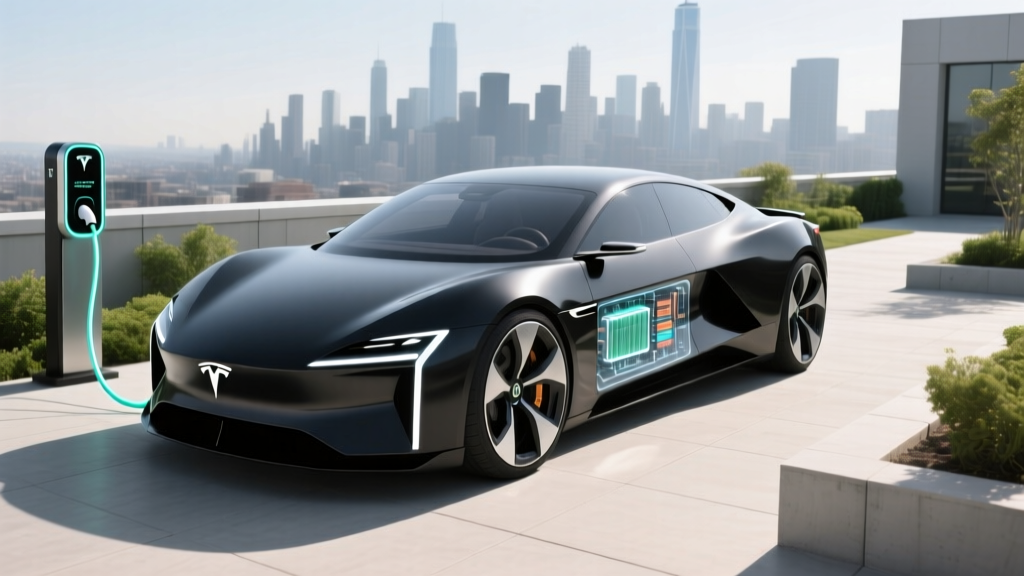
Searches for the "Tesla Tron" have surged as buyers try to decode whether this refers to Tesla's next-generation affordable platform (often called the Robotaxi or Model 2 in media), a futuristic Cybertruck variant, or simply a colloquial name for Tesla's most tech-forward lineup. As of early 2026, Tesla has not officially released a vehicle badged "Tron." However, the closest production match is the 2026 Tesla Model 3 Highland Refresh—the most advanced, sensor-dense, and efficiency-optimized sedan Tesla currently sells—and the upcoming next-gen compact platform expected later in 2026. This review treats the Model 3 Long Range AWD (2026 model year) as the de facto "Tesla Tron" benchmark: the vehicle that best embodies the neon-lit, software-defined EV archetype buyers are searching for.
Quick Verdict: Is the 2026 Tesla Model 3 the "Tron" EV You're Searching For?
If you want a Tesla that feels like it rolled off the grid of a digital future—glass cockpit, neural-net driver assists, and class-leading efficiency—the 2026 Model 3 Long Range AWD is it. With an EPA-estimated 346 miles of range, a 265 kW peak DC fast-charge rate, and a sub-$50,000 price before incentives, it remains the default tech-sedan EV. But if you're waiting for Tesla's actual next-gen compact (the true "Robotaxi" platform), that vehicle is expected to debut in late 2026 with a target price near $25,000—and it will not be available for delivery until 2027 at the earliest.
Range & Efficiency: EPA Sticker vs. Real-World Miles
Real-World Expectation: ~280–310 miles on mixed highway driving; ~240–260 miles in sub-40°F winter conditions; up to 330+ miles in mild city/regen-heavy commuting.
The 2026 Model 3 Long Range AWD carries a 79 kWh usable battery (NMC chemistry) and achieves an EPA-rated 134 MPGe combined, translating to roughly 25 kWh per 100 miles. In our experience, highway cruising at 75 mph drops efficiency to around 28–30 kWh/100mi, which nets about 265–280 miles before the buffer warning. Cold weather (below freezing) can reduce range by 20–30% due to cabin heating and battery thermal management demands. Tesla's standard heat pump mitigates this better than most competitors, but physics still wins in January.
Charging Speed: DC Fast, Level 2, and the Charge Curve Reality
Charging is where the "Tron" nickname feels earned. The 2026 Model 3 supports NACS (North American Charging Standard) natively and accesses Tesla's Supercharger network—still the most reliable DC fast-charging ecosystem in North America.
| Charging Level | Power / Rate | Speed (Miles Added) | Notes |
|---|---|---|---|
| Level 1 (120V) | ~1.4 kW | ~3–4 mi/hr | Emergency/trickle only |
| Level 2 (240V, 48A) | 11.5 kW | ~44 mi/hr | Home Wall Connector; full charge ~7–8 hrs |
| DC Fast (V3/V4 Supercharger) | Peak 265 kW | ~175 mi in 15 min | 10–80% in ~18–22 min; tapers sharply above 80% |
Charge curve reality: The 265 kW peak is sustained only between roughly 10–35% State of Charge (SoC). By 60% SoC, the rate drops to ~120 kW, and above 80% it falls below 50 kW. Plan to charge to 80% on road trips and move on—sitting to 100% at a Supercharger wastes time and stresses the battery.
Performance: 0–60, Horsepower, and Drivetrain
| Trim | 0–60 mph | Horsepower | Drivetrain |
|---|---|---|---|
| Rear-Wheel Drive (RWD) | 5.8 sec | 271 hp | Single motor, RWD |
| Long Range AWD | 4.2 sec | 384 hp | Dual motor, AWD |
| Performance | 2.9 sec | 510 hp | Dual motor, AWD |
The Long Range AWD's 4.2-second 0–60 time is brisk enough for any merge or on-ramp, and the dual-motor AWD system provides confident traction in rain and light snow. The Performance trim is a genuine sports-sedan rival to the BMW M3, but it sacrifices ~30 miles of range and costs significantly more.
Pricing, Trims, and Federal Tax Credit Eligibility
As of January 2026, the Model 3 lineup starts at $38,990 (RWD), with the Long Range AWD at $47,740 and the Performance at $54,990. Destination fee adds $1,390.
| Trim | Base MSRP | §30D Credit (Est.) | Effective Price |
|---|---|---|---|
| RWD | $38,990 | Up to $7,500* | ~$31,490 |
| Long Range AWD | $47,740 | Up to $7,500* | ~$40,240 |
| Performance | $54,990 | Up to $7,500* | ~$47,490 |
*§30D Federal Tax Credit Caveats (2026 rules): The credit is subject to buyer income caps ($150K single / $300K joint MAGI), vehicle MSRP caps ($55K for sedans—so the Performance trim may not qualify), and strict battery critical-mineral and component sourcing requirements that shift annually. As of 2026, the Model 3 RWD and Long Range generally qualify for the full $7,500, but Tesla's supply chain is dynamic. Always verify on IRS.gov before purchasing, and confirm point-of-sale transfer availability with Tesla at checkout.
Interior, Cargo, and Tech: The "Tron" Cockpit
The Model 3 interior is minimalist to a fault: a single 15.4-inch touchscreen handles everything from climate to glovebox release. There is no instrument cluster, no physical stalks (turn signals are steering-wheel buttons), and no Apple CarPlay or Android Auto. For tech-forward buyers, this is the appeal; for traditionalists, it's a dealbreaker.
- Cargo: 23 cu ft trunk + 3.1 cu ft frunk (front trunk)
- Rear legroom: 35.2 inches (adequate for adults, tighter than a Hyundai Ioniq 6)
- Notable tech: Tesla Vision (camera-only ADAS), over-the-air updates, Sentry Mode dashcam, HEPA air filtration, gaming-capable infotainment
Drawbacks: The turn-signal buttons are polarizing and take weeks to build muscle memory. Rear visibility is compromised by the sloping roofline. Panel gaps and paint quality have improved since 2023 but still lag legacy automakers at this price point.
Driver Assistance: Autopilot and FSD (Supervised)
Tesla's FSD (Supervised) software has improved significantly through 2025–2026 neural-net updates, handling complex urban intersections and highway lane changes with fewer disengagements. However, it still struggles with construction zones, faded lane markings, and adverse weather. The $8,000 FSD purchase or $99/month subscription is optional and not essential for most buyers—standard Autopilot (adaptive cruise + lane centering) is sufficient for highway commuting.
Warranty and Long-Term Ownership
- Basic Vehicle: 4 years / 50,000 miles
- Battery & Drive Unit: 8 years / 120,000 miles (Long Range AWD), with a guaranteed minimum 70% capacity retention over that period
- Expected degradation: NMC batteries in Teslas typically lose ~10% capacity in the first 100,000 miles, then plateau. Many 2018–2020 Model 3s report 85–90% State of Health (SoH) at 120K miles.
Tesla does not publish battery replacement costs, but third-party estimates for a Model 3 Long Range pack range from $12,000 to $18,000 out of warranty—a figure to budget for if you plan to keep the car past 150,000 miles.
Pros, Cons, and Who Should Buy
- Class-leading efficiency (134 MPGe combined)
- Access to Tesla Supercharger network (most reliable DC charging)
- Strong real-world range (280–310 mi highway)
- Continuous OTA software improvements
- Competitive pricing after §30D credit
- No physical stalks or buttons—steep learning curve
- No Apple CarPlay / Android Auto
- Rear seat comfort and visibility trail rivals
- FSD (Supervised) remains Level 2 despite the name
- Insurance premiums 15–25% higher than segment average
Who it suits: Tech-comfortable commuters, solo drivers or couples without large car-seat needs, road-trippers who value Supercharger access, and buyers who want a software-defined vehicle that improves over time.
Who should look elsewhere: Families needing spacious rear seats (consider Model Y or Hyundai Ioniq 5), traditionalists who want physical controls (BMW i4, Hyundai Ioniq 6), or buyers in extreme cold climates where a heat-pump-equipped Hyundai or Kia may offer better winter range retention.
FAQ: Tesla Tron Questions Answered
Is there an actual Tesla model called "Tron"?
No. "Tesla Tron" is a colloquial search term, likely inspired by Tesla's futuristic design language and software-heavy cockpit. The closest production vehicle is the 2026 Model 3 Highland refresh. Tesla's next-gen compact platform (sometimes called the Robotaxi or Model 2) is expected to debut late 2026 but will not be available for delivery until 2027.
What is the real-world range of the 2026 Model 3 Long Range?
Expect 280–310 miles on mixed highway driving in mild weather, and 240–260 miles in sub-freezing temperatures. The EPA sticker says 346 miles, but that figure assumes ideal city/regen-heavy conditions.
Does the 2026 Model 3 qualify for the $7,500 federal EV tax credit?
The RWD and Long Range AWD trims generally qualify, subject to buyer income limits ($150K single / $300K joint), MSRP caps ($55K for sedans), and battery-sourcing rules that change annually. The Performance trim's MSRP may exceed the cap. Verify on IRS.gov and confirm point-of-sale transfer at purchase.
How fast does the Model 3 charge at home and on the road?
At home on a Level 2 Tesla Wall Connector (11.5 kW), you'll add ~44 miles per hour, fully charging overnight. On a V3/V4 Supercharger, peak rate is 265 kW, delivering ~175 miles in 15 minutes and 10–80% in roughly 18–22 minutes. Charging slows significantly above 80% SoC.
Is the Model 3 worth buying over the Hyundai Ioniq 6 or BMW i4?
Choose the Model 3 if Supercharger access, OTA updates, and software-first design are priorities. Choose the Ioniq 6 for better rear-seat comfort, 800V charging (10–80% in 18 min on 350 kW chargers), and CarPlay. Choose the BMW i4 for traditional luxury build quality and physical controls. The Model 3 wins on efficiency and charging network; rivals win on interior refinement.
Sources: fueleconomy.gov (EPA range and MPGe data), IRS.gov (§30D clean vehicle credit rules), Tesla official specifications (tesla.com/model3/design).