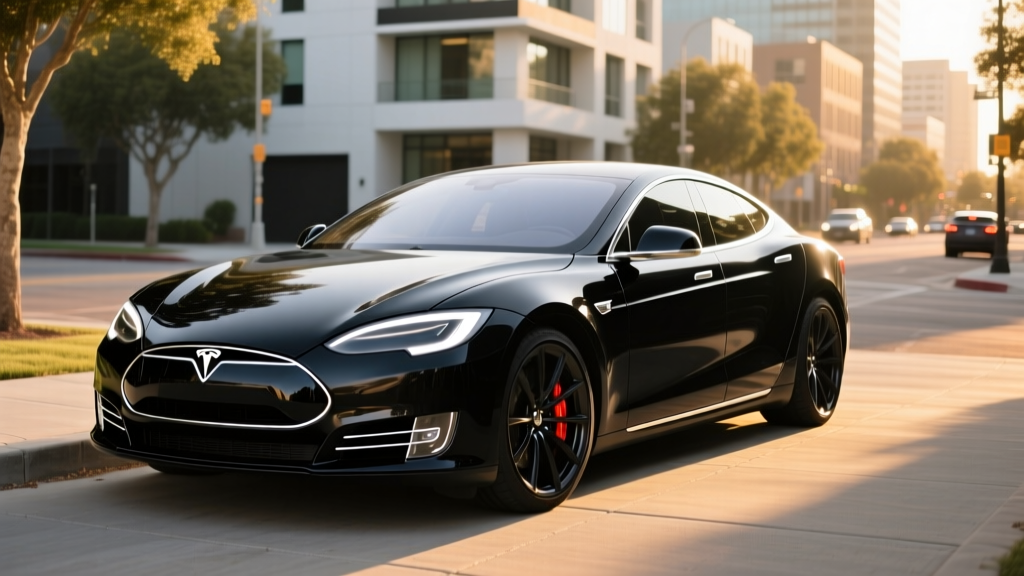
If you've been holding out for a flagship Tesla sedan or SUV, time has officially run out. In April 2026, Tesla confirmed it would stop producing the Model S and Model X, ending a 14-year run for the sedan and an 11-year run for the SUV. The Fremont factory lines that built these vehicles are being retooled for Tesla's next-generation robotics and Optimus manufacturing, according to the company's Q1 2026 earnings call.
But here's the thing: dealerships and Tesla's own inventory still have remaining 2025 and early-2026 model-year units. For the right buyer, these final-run vehicles represent a unique opportunity — and a unique risk. This guide breaks down the final specifications, real-world ownership data, and whether a leftover Model S or Model X is worth your money in 2026.
Final Specs at a Glance: 2025–2026 Model S and Model X
Before we get into the ownership calculus, here are the hard numbers for the last production versions of both vehicles. These figures reflect the final Long Range and Plaid trims sold before the production halt.
| Spec | Model S Long Range | Model S Plaid | Model X Long Range | Model X Plaid |
|---|---|---|---|---|
| EPA Range | 402 mi | 359 mi | 335 mi | 320 mi |
| Battery (usable) | ~95 kWh (NMC) | ~95 kWh (NMC) | ~95 kWh (NMC) | ~95 kWh (NMC) |
| Drivetrain | Dual-Motor AWD | Tri-Motor AWD | Dual-Motor AWD | Tri-Motor AWD |
| Horsepower | 670 hp | 1,020 hp | 670 hp | 1,020 hp |
| 0–60 mph | 3.1 sec | 1.99 sec | 3.8 sec | 2.5 sec |
| Peak DC Charge Rate | 250 kW | 250 kW | 250 kW | 250 kW |
| 10–80% DCFC Time | ~30 min | ~30 min | ~31 min | ~31 min |
| Level 2 Charge Rate | 11.5 kW (44 mi/hr) | 11.5 kW (44 mi/hr) | 11.5 kW (36 mi/hr) | 11.5 kW (36 mi/hr) |
| MPGe (combined) | 120 MPGe | 116 MPGe | 109 MPGe | 103 MPGe |
| Efficiency | 28 kWh/100mi | 29 kWh/100mi | 31 kWh/100mi | 33 kWh/100mi |
| Cargo (behind 2nd row) | 28 cu ft | 28 cu ft | 37.1 cu ft | 37.1 cu ft |
| Cargo (total, seats folded) | 79.3 cu ft | 79.3 cu ft | 85.7 cu ft | 85.7 cu ft |
| Rear Legroom | 40.9 in | 40.9 in | 40.9 in | 40.9 in |
| Towing Capacity | N/A | N/A | 5,000 lbs | 5,000 lbs |
| Base MSRP (final) | $74,990 | $89,990 | $79,990 | $94,990 |
Sources: fueleconomy.gov, Tesla Model S and Tesla Model X order pages (final listings).
Real-World Range: What the EPA Sticker Doesn't Tell You
Model S Long Range — EPA 402 mi: Expect ~310–340 mi on mixed highway driving at 70–75 mph. In cold weather (below 32°F), plan for 260–290 mi. The Model S's heat pump helps, but physics still wins in deep winter.
Model S Plaid — EPA 359 mi: Real-world highway drops to ~270–300 mi, especially if you use the performance the Plaid was built for. Cold weather: ~230–260 mi.
Model X Long Range — EPA 335 mi: The SUV's higher drag coefficient and weight mean ~265–290 mi highway. Cold weather: ~220–250 mi.
Model X Plaid — EPA 320 mi: Expect ~250–275 mi highway; ~210–240 mi in freezing temperatures.
The Model S Long Range's 402-mile EPA rating was, at launch, the highest of any production EV. It remains among the top in 2026, rivaled only by the Lucid Air Grand Touring (516 mi EPA). But EPA ratings assume a specific mix of city and highway driving at moderate speeds and temperatures. If your commute is 90% highway at 80 mph through a Midwestern winter, that 402 becomes closer to 260.
One underappreciated advantage: the Model S and X's large 95 kWh (usable) NMC battery packs mean that even at 65% usable real-world range, you're still looking at 260+ miles — enough for most road-trip legs between Supercharger stops.
Charging Speed: 250 kW Peak, But Mind the Curve
| Charging Level | Power / Rate | Miles Added per Hour | Notes |
|---|---|---|---|
| Level 1 (120V) | ~1.4 kW | ~4 mi/hr | Emergency/trickle only |
| Level 2 (240V, 48A) | 11.5 kW | 44 mi/hr (S) / 36 mi/hr (X) | Full charge overnight in ~8–9 hours |
| DC Fast (Supercharger V3) | Peak 250 kW | ~200 mi in 15 min (peak) | 10–80% in ~30 min; tapers sharply above 80% |
| DC Fast (Supercharger V4) | Peak 250 kW* | Same as V3 for these models | *Vehicle-limited to 250 kW despite V4's higher capability |
The 250 kW peak charge rate was competitive when Tesla introduced it, but by 2026 standards, it's mid-pack. The Hyundai Ioniq 5 and Kia EV6 can peak at 350 kW on 800V architectures; the Lucid Air accepts up to 300+ kW. The Model S and X use a 400V electrical architecture, which caps their charge rate regardless of the station's capability.
The charge curve matters more than peak kW. In real-world Supercharger testing, the Model S Long Range holds near 250 kW only between roughly 10–25% state of charge. From 25–50%, it tapers to ~180 kW. From 50–80%, it drops further to ~100–120 kW. Above 80%, charging slows dramatically — plan on an extra 15–20 minutes if you need to charge past 80% for a long leg.
For home charging, the onboard 11.5 kW charger is solid. A full 0–100% charge on a 48-amp Level 2 circuit takes about 8.5 hours for the Model S and roughly 9 hours for the Model X. Most owners will arrive home at 30–40% SoC and wake up at 80–90%, which is the recommended daily charge limit for NMC batteries anyway.
Pricing, Tax Credits, and the Discontinuation Discount
Here's where the discontinuation creates real complexity for buyers. The final MSRPs are steep — but Tesla and dealers have been discounting remaining inventory.
| Trim | Final MSRP | Typical Discount (mid-2026) | §30D Federal Credit | Effective Price |
|---|---|---|---|---|
| Model S Long Range | $74,990 | $3,000–$7,000 | $0 (MSRP cap exceeded*) | ~$68,000–$72,000 |
| Model S Plaid | $89,990 | $5,000–$10,000 | $0 | ~$80,000–$85,000 |
| Model X Long Range | $79,990 | $3,000–$8,000 | $0 (MSRP cap exceeded*) | ~$72,000–$77,000 |
| Model X Plaid | $94,990 | $5,000–$12,000 | $0 | ~$83,000–$90,000 |
*Federal tax credit ineligibility: Under IRS §30D rules, the new-vehicle EV tax credit has an MSRP cap of $55,000 for sedans and $80,000 for SUVs/vans/pickups. The Model S (a sedan) at $74,990 far exceeds the $55,000 limit. The Model X (classified as an SUV) at $79,990 sits just under the $80,000 cap — but the Long Range trim with any options pushes it over, and additional buyer income limits ($150K single / $300K joint AGI) and critical-mineral/battery-sourcing requirements further restrict eligibility. In practice, virtually no new Model S or X buyer qualifies for the $7,500 federal credit in 2026. See the IRS §30D guidance for full eligibility rules.
However, if you're considering a used Model S or X, the separate Used Clean Vehicle Credit (§25E) offers up to $4,000 on vehicles priced at $25,000 or less — which opens up older 2018–2021 examples for budget-minded buyers.
Technology, Interior, and What Still Holds Up
The final-generation Model S and X received their last significant refresh in 2021, and while the platform is over a decade old, several technology features remain genuinely impressive in 2026:
- 17-inch center touchscreen with a 22-speaker, 960-watt audio system — still among the best in any EV at any price
- Yoke steering wheel (standard on Plaid, optional on Long Range) — polarizing but functional for screen visibility
- Rear-seat 8-inch touchscreen with climate and media controls
- HEPA air filtration (Bioweapon Defense Mode) — legitimately best-in-class cabin air quality
- Over-the-air updates — Tesla continues to push software updates to these vehicles, though priority has shifted to newer models
- Supercharger network access — still the most reliable DC fast-charging network in North America, now open to NACS-equipped non-Tesla EVs as well
What hasn't aged well:
- The minimalist interior feels sparse compared to the Lucid Air, Mercedes EQS, or BMW iX at similar prices
- No Apple CarPlay or Android Auto — Tesla's proprietary infotainment only
- Build quality on final-production units remains inconsistent; panel gaps and trim rattles are documented owner complaints
- The instrument cluster is a small secondary screen, not a proper driver-focused display
- Autopilot (standard) is a competent Level 2 ADAS. Full Self-Driving (Supervised) remains a Level 2 system requiring constant driver attention — it is not autonomous driving, despite the name
SAE Automation Level Reminder: Tesla Autopilot and FSD (Supervised) are SAE Level 2 driver-assistance systems. The driver must remain fully engaged, hands on or near the wheel, eyes on the road. Only robotaxi services like Waymo (operating in Phoenix, San Francisco, and Los Angeles) qualify as Level 4. Do not treat any Tesla system as self-driving.
Warranty, Long-Term Support, and the Discontinuation Risk
Tesla's warranty coverage for the final Model S and X:
- Basic Vehicle: 4 years / 50,000 miles
- Battery & Drive Unit: 8 years / 150,000 miles (Long Range), 8 years / 150,000 miles (Plaid) — with a minimum 70% battery capacity retention guarantee over the warranty period
The 8-year/150,000-mile battery warranty is strong and comparable to competitors. Tesla's NMC chemistry in these packs has shown moderate degradation in real-world use — most owners report 8–12% range loss over the first 100,000 miles, which is within the warranty threshold.
The discontinuation question: Tesla is legally obligated to honor warranty claims and provide parts for a reasonable period after production ends. Under U.S. law, manufacturers typically support parts for 10+ years. Tesla's parts supply chain for the Model S/X shares many components with the Model 3/Y (electronics, some suspension parts, interior hardware), which helps long-term availability. However, unique body panels, the air suspension system, and the Plaid tri-motor rear drive unit could become harder to source 8–10 years out.
If you're buying a final-run Model S or X, the key risk isn't the warranty period — it's what happens in years 9 through 15, when out-of-warranty repairs on a discontinued platform can be expensive and slow.
Pros and Cons: The Honest Scorecard
Pros
- Class-leading EPA range (Model S LR at 402 mi)
- Supercharger network access — still the gold standard for road trips
- Brutal performance, especially Plaid (1.99s 0–60)
- Strong 8-yr/150,000-mi battery warranty
- Spacious cargo area with front trunk (frunk)
- Over-the-air updates continue
- Discounted inventory pricing in 2026
- Best-in-class HEPA cabin air filtration
Cons
- Discontinued — long-term parts and resale uncertainty
- No federal tax credit eligibility (MSRP too high)
- 250 kW peak DC charge rate trails 800V competitors (350 kW)
- Interior quality and design feel dated vs. Lucid, Mercedes, BMW
- No Apple CarPlay / Android Auto
- Yoke steering is divisive and not universally preferred
- FSD (Supervised) is Level 2 only — not self-driving
- Aging platform design (last major refresh: 2021)
Should You Buy a Remaining Model S or X — or Look Elsewhere?
Buy a remaining Model S if:
- You want the longest-range EV sedan available without stepping up to a $125K+ Lucid Air Grand Touring
- You road-trip frequently and value Supercharger network reliability
- You can secure a $5,000–$7,000 discount off the final MSRP
- You plan to own the vehicle within the 8-year warranty window
Buy a remaining Model X if:
- You need 3-row seating (the Model X seats up to 7; few EVs offer this)
- You need 5,000-lb towing in an electric SUV
- Falcon-wing rear doors genuinely help your use case (tight garage parking, loading child seats)
Look elsewhere if:
- You want the latest EV platform tech (800V charging, modern interior)
- Long-term resale value and parts availability worry you
- You qualify for the $7,500 federal tax credit and want to use it — the Model S/X won't help
- You prefer Apple CarPlay or a more luxurious cabin at this price point
Key competitors to cross-shop:
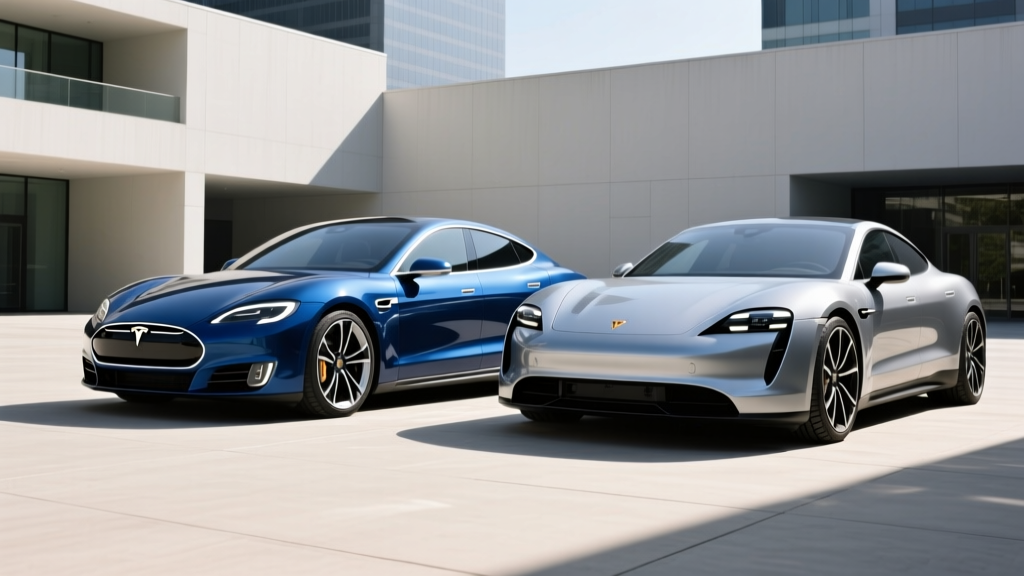
- Lucid Air Pure / Touring ($69,900–$87,400): Superior range (up to 516 mi), faster 300+ kW charging, more luxurious interior — but no Supercharger access (CCS/NACS adapter required)
- BMW i5 / i7 ($67,000–$120,000): Far better build quality and interior; less range and slower charging
- Mercedes EQS Sedan ($104,400+): Luxury benchmark but poor efficiency and steep depreciation
- Rivian R1S ($79,900+): If you need a 3-row electric SUV, the R1S is a fresher platform with better off-road capability, though less range
- Kia EV9 ($54,900+): 3-row SUV at a much lower price, with 800V fast charging — but ~230–304 mi range
Frequently Asked Questions
What is the real-world range of the Tesla Model S and Model X?
The Model S Long Range delivers an EPA-estimated 402 miles, but expect 310–340 miles in real-world highway driving and 260–290 miles in cold weather. The Model X Long Range (EPA 335 mi) returns roughly 265–290 miles highway and 220–250 miles in freezing conditions. Plaid variants lose 10–15% more due to higher power output and wider tires.
How fast do the Model S and Model X charge?
Both vehicles peak at 250 kW on a Tesla V3 or V4 Supercharger, achieving a 10–80% charge in approximately 30 minutes. However, the 400V architecture means peak rate is sustained only briefly (10–25% SoC), with significant tapering above 50%. At home on a 48-amp Level 2 charger (11.5 kW), a full charge takes about 8.5–9 hours, adding roughly 44 miles of range per hour in the Model S and 36 miles per hour in the Model X.
Does the Tesla Model S or Model X qualify for the federal EV tax credit?
Effectively, no. Under IRS §30D rules, the new-vehicle credit has an MSRP cap of $55,000 for sedans and $80,000 for SUVs. The Model S at $74,990 exceeds the sedan cap. The Model X at $79,990 technically fits the SUV cap, but adding any options pushes it over, and buyer income limits ($300K joint / $150K single AGI) plus critical-mineral battery-sourcing requirements eliminate most buyers. Check the IRS Clean Vehicle Credit page for current rules.
Is it risky to buy a discontinued EV?
Moderately. Tesla must honor the 8-year/150,000-mile battery and drive-unit warranty, and many components overlap with the still-in-production Model 3 and Y. The risk is out-of-warranty repairs in years 9–15, particularly for unique parts like body panels, air suspension, and the Plaid tri-motor assembly. Resale values may also decline faster than continuing-production models. That said, Tesla's OTA software support is expected to continue for years.
Is Tesla Autopilot or FSD self-driving?
No. Both Autopilot and Full Self-Driving (Supervised) are SAE Level 2 driver-assistance systems. They can handle lane centering, adaptive cruise control, and some supervised city/highway navigation, but the driver must remain fully attentive at all times. These are not autonomous systems. Tesla's FSD package costs $8,000 (one-time) or $99/month as of 2026, and its value depends heavily on your tolerance for an evolving beta feature.
Should I buy a Model S/X or a Lucid Air?
If maximum range, faster charging, and interior luxury are your priorities, the Lucid Air Touring ($87,400, 425 mi EPA) is the stronger vehicle. If Supercharger network reliability, proven long-term software support, and a lower effective price (with discounts) matter more, a remaining Model S Long Range is still compelling. The Model X has no direct Lucid competitor, so if you need a 3-row electric SUV with 5,000-lb towing, the Model X (or Rivian R1S) are your main options.
Will Tesla continue to service the Model S and Model X?
Yes, for the foreseeable future. Tesla's service network will continue to support these vehicles under warranty and beyond. However, as the fleet ages and parts specific to the S/X platform become less prioritized, expect longer wait times for body repairs and unique components compared to the high-volume Model 3/Y.
The Bottom Line
Tesla stopping the Model S and Model X marks the end of the vehicles that proved EVs could be fast, luxurious, and practical. The final-production versions remain excellent machines — the Model S Long Range's 402-mile EPA range is still near the top of the EV market, and the Supercharger network remains the most reliable road-trip infrastructure available.
But buying a discontinued vehicle requires clear-eyed cost-benefit analysis. If you can secure a meaningful discount ($5,000+), plan to own within the warranty window, and value range and charging infrastructure above all else, a remaining Model S or X can be a smart buy. If you want the latest platform technology, federal tax credit eligibility, or long-term resale confidence, competitors like the Lucid Air, BMW i5, or Rivian R1S may serve you better.
The Model S and X built the EV market we have today. Whether they deserve a spot in your garage is a question only the final spec sheet — and your discount negotiation — can answer.