What Do Tesla Specials Actually Mean in 2026?
If you've been tracking Tesla's pricing, you've likely noticed the term "Tesla specials" surfacing in forums, deal-tracking threads, and even Tesla's own inventory pages. Unlike traditional automakers that offer dealer-negotiated rebates or manufacturer-to-dealer incentives, Tesla operates on a direct-to-consumer model with no haggling. So what exactly constitutes a "Tesla special" today?
In 2026, Tesla specials typically refer to a combination of:
- Price reductions on new inventory — Tesla periodically adjusts MSRPs on Model 3 and Model Y trims, sometimes by thousands of dollars within a single quarter.
- Inventory vehicle discounts — Existing stock (vehicles already built and sitting at delivery centers) often carries markdowns of $1,000–$3,000 off the custom-order price.
- Referral and loyalty credits — Tesla occasionally reactivates referral programs granting Supercharging miles or direct price discounts to both referrer and buyer.
- Lease specials — Limited-time lease offers on Model 3 and Model Y with reduced money factors or capitalized cost reductions.
- Federal and state incentive stacking — The IRS §30D clean vehicle credit, now available as a point-of-sale transfer, effectively reduces the out-of-pocket cost at delivery.
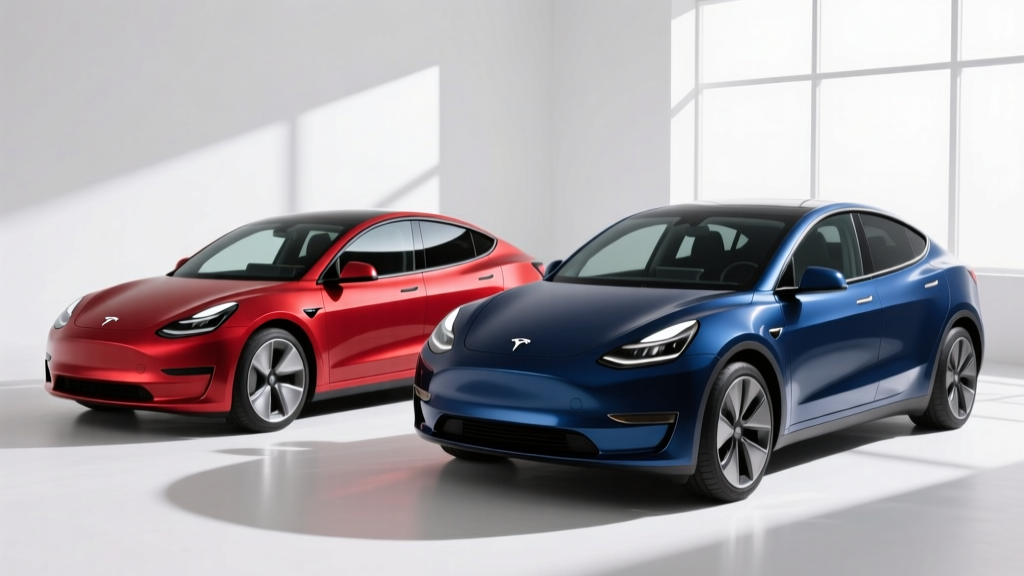
This guide breaks down the two vehicles most commonly featured in Tesla specials — the refreshed Model 3 and the updated Model Y — with exact specs, real-world range data, charging performance, and a clear-eyed look at whether the current pricing represents genuine value.
2026 Tesla Model 3: Specs, Range, and Real-World Performance
The refreshed Model 3 (internally codenamed "Highland") continues into the 2026 model year with meaningful improvements in ride comfort, cabin noise reduction, and interior materials. It remains Tesla's entry point and the vehicle most frequently featured in Tesla specials.
| Spec | RWD (Base) | Long Range AWD | Performance |
|---|---|---|---|
| EPA Range | 272 mi | 341 mi | 315 mi |
| Battery (usable) | ~57.5 kWh (LFP) | ~75 kWh (NMC) | ~75 kWh (NMC) |
| MPGe (combined) | 132 MPGe | 132 MPGe | 125 MPGe |
| kWh/100 mi | 25 | 25 | 27 |
| 0-60 mph | 5.8 sec | 4.2 sec | 2.9 sec |
| Horsepower | 283 hp | 346 hp | 510 hp |
| Drivetrain | RWD (single motor) | AWD (dual motor) | AWD (dual motor) |
| Base MSRP | $38,990 | $47,740 | $54,990 |
Source: EPA / fueleconomy.gov, Tesla spec sheets. Pricing reflects early 2026 MSRP before destination fees.
EPA sticker: 341 miles. In real-world highway driving at 70–75 mph with mild temperatures, expect approximately 280–305 miles before needing to charge. In freezing conditions (below 30°F), range drops an additional 15–25%, putting realistic winter range at roughly 230–260 miles. The Model 3's heat pump helps mitigate cabin energy draw, but battery chemistry still suffers in cold weather. For city-heavy commuters using regenerative braking, real-world range can meet or slightly exceed the EPA figure.
2026 Tesla Model Y: Family-Sized Utility With Frequent Specials
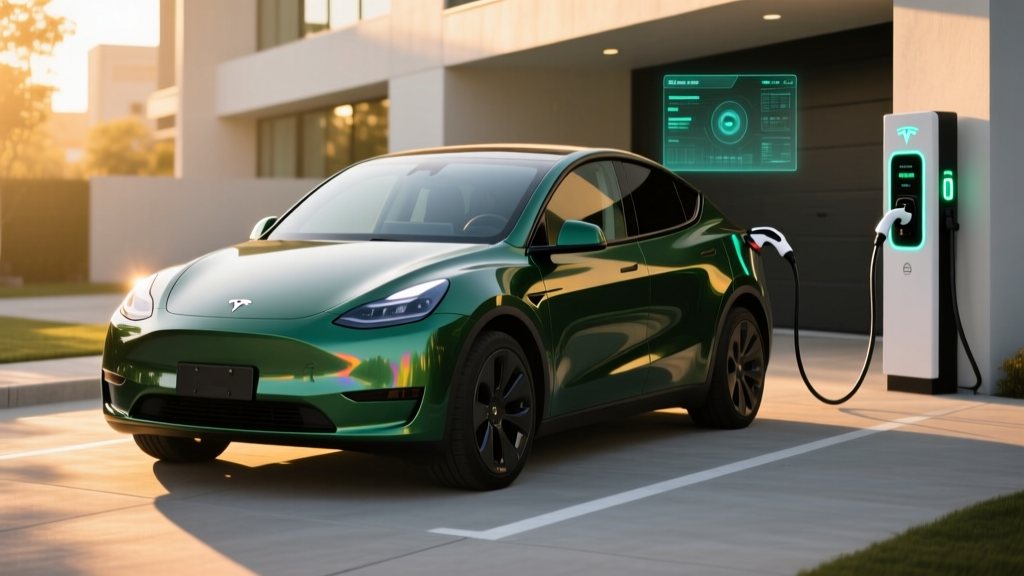
The Model Y remains the best-selling EV in the United States and the vehicle most likely to appear in Tesla specials targeting families and crossover shoppers. The 2025 "Juniper" refresh carried forward into 2026 with a redesigned interior, ventilated front seats, a rear touchscreen for passengers, and improved suspension tuning.
| Spec | RWD (Base) | Long Range AWD | Performance |
|---|---|---|---|
| EPA Range | 260 mi | 320 mi | 293 mi |
| Battery (usable) | ~57.5 kWh (LFP) | ~75 kWh (NMC) | ~75 kWh (NMC) |
| MPGe (combined) | 127 MPGe | 122 MPGe | 115 MPGe |
| kWh/100 mi | 26 | 28 | 29 |
| 0-60 mph | 6.6 sec | 4.8 sec | 3.5 sec |
| Horsepower | 295 hp | 384 hp | 456 hp |
| Drivetrain | RWD (single motor) | AWD (dual motor) | AWD (dual motor) |
| Base MSRP | $44,990 | $49,990 | $54,990 |
Source: EPA / fueleconomy.gov, Tesla press materials. Prices exclude $1,390 destination fee.
Charging Speed: DC Fast Charging and Home Level 2
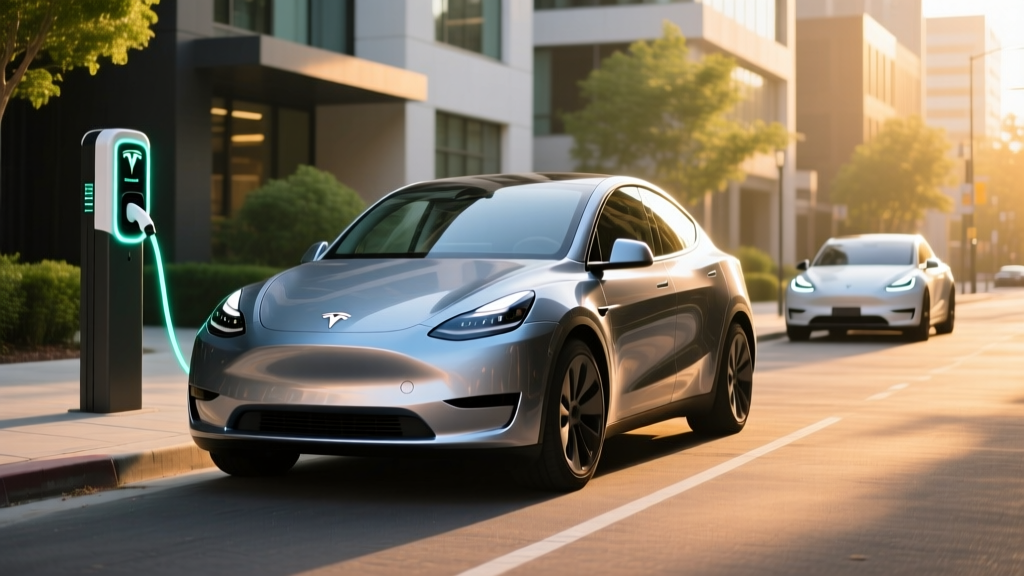
Charging speed is the most practical spec an EV buyer should scrutinize — more than 0-60 times or horsepower, it determines your road-trip viability and daily convenience. Both the Model 3 and Model Y share Tesla's charging architecture.
| Charging Level | Rate | Speed / Time |
|---|---|---|
| Level 1 (120V household) | ~1.4 kW | ~3–4 miles per hour |
| Level 2 (240V home / Wall Connector) | ~11.5 kW (max onboard) | ~35–44 miles per hour |
| DC Fast Charge (V3 Supercharger) | Peak 250 kW | 10–80% in ~25 min (Long Range AWD) |
| DC Fast Charge (V4 Supercharger) | Peak 250 kW (current vehicles) | Same as V3; future vehicles may exceed |
Charging curve reality check: Tesla's 250 kW peak rate is not sustained. The Model 3 and Model Y Long Range (NMC batteries) hit peak charge rate only at low states of charge (roughly 10–20% SoC) and begin tapering significantly above 50%. Expect an average rate closer to 120–150 kW across the full 10–80% session. The base RWD trims with LFP batteries charge slightly slower at peak (~170 kW) but tolerate regular 100% charging without degradation concerns — a significant daily-use advantage.
Connector note: All 2026 Tesla vehicles use the NACS (North American Charging Standard) connector natively. With Ford, GM, Rivian, and most other manufacturers now adopting NACS, Tesla's Supercharger network is effectively becoming the universal standard. Non-Tesla vehicles can access Superchargers via adapter, though Tesla owners still enjoy seamless plug-and-charge integration.
Federal Tax Credit and Tesla Specials: The §30D Breakdown
The IRS §30D Clean Vehicle Credit remains a critical factor in Tesla's effective pricing. Here's how it applies to the 2026 lineup:
- Model 3 RWD: Eligible for up to $7,500 in 2026, subject to battery sourcing requirements and buyer income caps. MSRP well under the $55,000 sedan cap.
- Model 3 Long Range / Performance: Eligibility varies by battery-sourcing compliance. Check the current IRS qualified vehicles list before purchase.
- Model Y (all trims): Generally eligible for up to $7,500, as the Model Y falls under the $80,000 SUV/van/truck MSRP cap. Battery-sourcing rules remain the gating factor.
| Requirement | Threshold |
|---|---|
| Buyer AGI (single) | ≤ $150,000 |
| Buyer AGI (head of household) | ≤ $225,000 |
| Buyer AGI (married filing jointly) | ≤ $300,000 |
| MSRP cap — sedans | ≤ $55,000 |
| MSRP cap — SUVs/trucks/vans | ≤ $80,000 |
| Battery component sourcing | North America assembly required; critical minerals threshold increases annually |
| Point-of-sale transfer | Available — credit applied at delivery, reducing out-of-pocket cost |
Source: IRS.gov §30D. Rules subject to change — always verify at purchase time.
A Model 3 RWD at $38,990 with a full $7,500 point-of-sale credit drops to roughly $31,490 before destination and fees. A Model Y Long Range AWD at $49,990 with the full credit lands near $42,490. These are among the most compelling prices in the EV market for the range and tech offered — which is why Tesla specials on these trims generate significant buyer interest.
Cargo, Interior Space, and Daily Practicality
For buyers weighing a Tesla special against competitors like the Hyundai Ioniq 5, Ford Mustang Mach-E, or Chevrolet Equinox EV, interior dimensions matter.
Model 3:
- Rear legroom: 35.3 inches (adequate for adults, tight for taller passengers)
- Cargo (rear trunk + frunk): 23 cu ft total
- Front trunk (frunk): 3.1 cu ft — fits a laptop bag or charging cables
Model Y:
- Rear legroom: 40.5 inches (genuinely comfortable for adults)
- Cargo behind rear seats: 30 cu ft
- Cargo with rear seats folded: 72 cu ft
- Front trunk (frunk): 4.1 cu ft
- Optional 7-seat configuration (third row best suited for small children)
Tech, Driver Assistance, and the FSD Reality
Every 2026 Tesla ships with a 15.4-inch center touchscreen, over-the-air updates, and Tesla's Basic Autopilot (adaptive cruise + lane centering) as standard equipment. Enhanced Autopilot ($6,000) adds automatic lane changes, Navigate on Autopilot, and Summon. Full Self-Driving (Supervised) remains at $8,000 or $99/month subscription.
Tesla's Full Self-Driving (Supervised) is an SAE Level 2 driver-assistance system. It requires continuous driver supervision — your hands must remain near the wheel, your eyes on the road, and you are legally responsible for the vehicle at all times. It is not an autonomous driving system. Only SAE Level 4 services like Waymo operate without a human driver. Tesla's FSD naming has drawn scrutiny from NHTSA and consumer advocates. Budget accordingly and set expectations appropriately.
Standout tech features:
- Superior Supercharger network — over 25,000 stalls in North America with best-in-class reliability
- Over-the-air updates that add features post-purchase (suspension tuning, efficiency improvements, entertainment)
- Sentry Mode and Dashcam (uses vehicle cameras for security recording)
- Phone-as-key with seamless app integration
- Dog Mode, Camp Mode, and bioweapon defense mode (HEPA filtration)
Notable drawbacks:
- No traditional instrument cluster — all information lives on the center screen
- No Apple CarPlay or Android Auto (Tesla's proprietary system only)
- Turn signal stalks removed in the refreshed Model 3 — signals now on the steering wheel rim (controversial among owners)
- Minimalist interior polarizes buyers who prefer physical buttons and knobs
Pros, Cons, and Who Should Buy
Pros
- Best-in-class Supercharger network access
- Industry-leading software and OTA updates
- Competitive pricing after §30D credit
- Strong efficiency (low kWh/mi)
- LFP battery option allows daily 100% charging
- Excellent resale value relative to EV segment
Cons
- No CarPlay/Android Auto
- Turn signal button relocation (Model 3 Highland)
- FSD costs extra and remains Level 2
- Rear-seat comfort in Model 3 is average for the class
- Insurance premiums tend to be above segment average
- Repair costs and wait times can be high post-collision
Decision Framework — Who Is This For?
Choose the Model 3 if: You're a commuter or couple prioritizing efficiency, tech-forward features, and the lowest cost-per-mile in the Tesla lineup. The RWD trim with LFP battery is ideal if you can charge at home and want a low-maintenance daily driver under $32K (after credit).
Choose the Model Y if: You need genuine family utility — rear-seat space for car seats, cargo room for strollers and groceries, and optional all-weather AWD confidence. The Long Range AWD is the sweet spot for road-trippers who want 300+ real-world miles between stops.
Look elsewhere if: You require Apple CarPlay, prefer physical controls, or need a truck bed (consider the Cybertruck or Rivian R1T). If luxury materials and ride isolation are top priorities, the BMW i4 or Mercedes EQB may suit better at higher price points.
Warranty and Battery Longevity
Tesla's warranty structure is competitive within the EV segment:
- Basic vehicle warranty: 4 years / 50,000 miles
- Battery & drive unit (Model 3 RWD / LFP): 8 years / 100,000 miles, minimum 70% capacity retention
- Battery & drive unit (Long Range / Performance): 8 years / 120,000 miles, minimum 70% capacity retention
Degradation reality: Real-world data from Tesla fleet reports and third-party aggregators show NMC batteries typically lose 5–8% capacity over the first 100,000 miles, with degradation slowing significantly after the initial break-in period. LFP batteries show slightly more linear degradation but are rated for more charge cycles (3,000+ vs ~1,500 for NMC), making them excellent for high-mileage drivers who charge to 100% daily.
Frequently Asked Questions
What is the real-world range of a Tesla Model 3 or Model Y?
Expect roughly 80–90% of EPA range in mixed highway driving at moderate temperatures. The Model 3 Long Range (341 mi EPA) delivers about 280–305 miles in practice. The Model Y Long Range (320 mi EPA) yields approximately 260–290 miles. In freezing weather, subtract another 15–25% from those figures.
How fast does a Tesla charge at home and on the road?
On a 240V Level 2 home charger (Tesla Wall Connector or equivalent at 48 amps), both vehicles add roughly 35–44 miles of range per hour — an overnight charge easily replenishes daily driving. On a V3 Supercharger at 250 kW peak, the Long Range models charge from 10–80% in about 25 minutes, though the actual rate tapers significantly above 50% SoC.
How much does a Tesla cost after the federal tax credit?
With the full $7,500 §30D credit applied at point of sale, a 2026 Model 3 RWD can cost as little as ~$31,490 before fees, and a Model Y Long Range AWD can land near ~$42,490. Eligibility depends on your income, the vehicle's MSRP classification, and battery-sourcing compliance — verify current status on IRS.gov before ordering.
Does the Tesla Model 3 or Model Y qualify for the federal EV tax credit?
Generally, yes — both models typically qualify for up to $7,500 under §30D in 2026. The Model 3 qualifies under the $55,000 sedan cap, and the Model Y under the $80,000 SUV cap. Buyer income limits apply ($150K single / $300K married filing jointly). Battery component and critical mineral sourcing requirements must also be met — Tesla's eligibility status has fluctuated in prior years, so confirm at purchase.
Is a Tesla worth buying versus competitors in 2026?
If Supercharger access, software quality, and resale value matter most, Tesla still holds an edge. If you prioritize interior luxury, CarPlay, or physical controls, the Hyundai Ioniq 5, BMW i4, or Ford Mustang Mach-E are strong alternatives. Pricing after tax credits often puts Tesla ahead on pure value, but test-drive the competition — the minimalist interior isn't for everyone.
Are Tesla specials worth waiting for?
Tesla's price adjustments are unpredictable and not advertised like traditional dealer incentives. If you see an inventory vehicle with a meaningful discount at a delivery center near you and the specs match your needs, it's generally worth taking. Waiting for a future price cut carries opportunity cost — and Tesla has raised prices just as often as it has cut them.