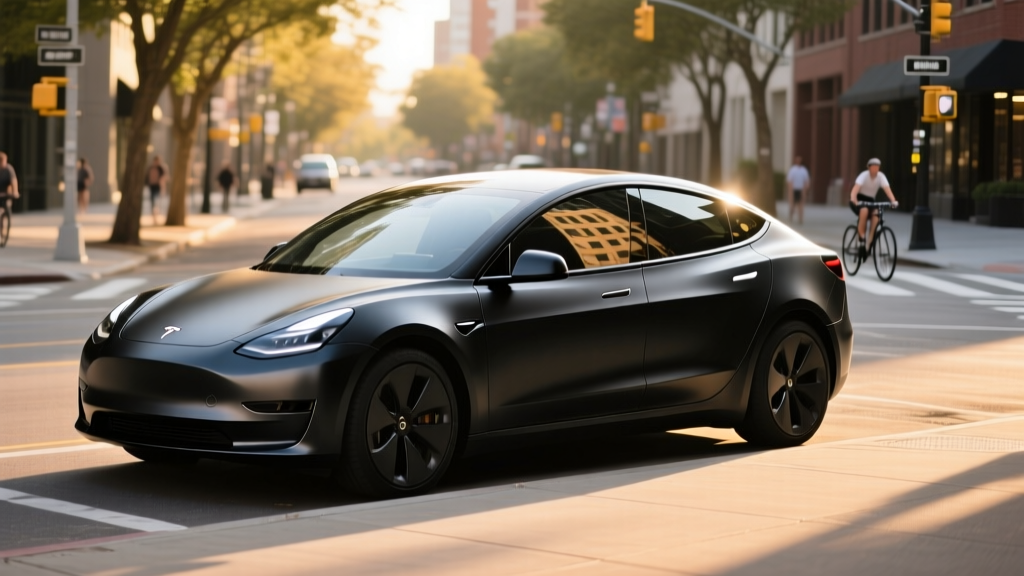
If you've been following Tesla's product roadmap, you've likely encountered rumors of a sub-$30,000 compact electric vehicle. Often referred to in enthusiast circles as the Tesla Slate — though Tesla has not officially confirmed this nameplate — this proposed smaller, more affordable EV has generated significant search interest. As of early 2026, however, Tesla has not officially announced, priced, or released a vehicle called the "Slate."
What we do know comes from Tesla's investor presentations, earnings calls, and supply-chain reporting: Tesla has repeatedly signaled intent to launch a next-generation, lower-cost platform aimed at high-volume production. This article synthesizes every credible data point available about Tesla's upcoming compact EV, clearly labeling what is confirmed, what is estimated, and what remains speculative. We'll also benchmark it against real, purchasable competitors so you can plan your next move.
What Is the Tesla Slate? Decoding Tesla's Compact EV Plans
Tesla CEO Elon Musk has referenced a smaller, more affordable Tesla model in multiple earnings calls and public appearances. The internal project has been associated with Tesla's "next-generation platform" — a manufacturing architecture designed to cut production costs roughly in half compared to the Model 3/Y platform. Industry analysts and media have variously called it the "Model 2," "Tesla Compact," or colloquially, the "Slate."
The concept: a compact electric vehicle — likely a hatchback or small crossover — with a target starting price around $25,000, aimed at mass-market buyers who find the Model 3 (starting around $38,990 in 2026) still out of reach. Tesla's stated goal is to produce this vehicle at volumes far exceeding current Model 3/Y output, leveraging advanced unboxed manufacturing processes.
What Tesla Has Confirmed (vs. What's Speculative)
| Detail | Status | Source |
|---|---|---|
| Next-gen lower-cost platform in development | Confirmed (investor presentations) | Tesla Q2 2024–2025 earnings calls |
| Target ~50% production cost reduction vs. Model 3/Y | Confirmed goal | Tesla Investor Day 2023 |
| "Model 2" or "Slate" nameplate | Unconfirmed — no official name announced | Industry speculation |
| $25,000 starting MSRP | Widely reported target, not locked | Multiple earnings call references |
| Production timeline (2025–2026) | Delayed/uncertain — reports suggest 2026+ at earliest | Reuters, Bloomberg supply-chain reporting |
| Specific range, battery, or performance specs | Not disclosed | — |
Projected Specs: What a Tesla Compact EV Could Offer
While Tesla hasn't published a spec sheet, we can make educated projections based on the company's existing technology trajectory, battery chemistry trends, and what competing compact EVs deliver. The following table represents analyst-consensus estimates — not official figures.
| Specification | Estimated / Projected | Basis |
|---|---|---|
| EPA Range | ~250–300 miles | Comparable to Chevrolet Equinox EV, Hyundai Kona Electric |
| Battery Capacity | ~50–60 kWh (usable) | Smaller platform, cost-optimized pack |
| Battery Chemistry | LFP (lithium iron phosphate) likely | Tesla already uses LFP in Model 3 RWD; lower cost, cobalt-free |
| DC Fast Charge (peak) | ~150–175 kW | Consistent with Tesla's current LFP charge curves |
| 10–80% Charge Time | ~25–30 minutes (est.) | Based on current Model 3 LFP charging behavior |
| Level 2 Home Charging | ~11.5 kW / ~44 mi/hr | Standard Tesla onboard charger spec |
| 0–60 mph | ~5.5–6.5 seconds (RWD est.) | Single-motor, efficiency-focused |
| Horsepower | ~200–250 HP (est.) | Single rear motor, similar to base Model 3 |
| Drivetrain | RWD standard; AWD possible later | Cost optimization favors RWD |
| MPGe (combined, est.) | ~120–135 MPGe | Tesla's efficiency leadership; lighter, smaller vehicle |
| Starting MSRP | ~$25,000 (target) | Tesla public statements; subject to change |
Real-World Range Expectations: Beyond the EPA Sticker
EPA Estimated: ~250–300 miles (projected, not confirmed)
Real-World Highway (70 mph, moderate climate): ~210–260 miles
Cold Weather (below 32°F, mixed driving): ~175–220 miles
City / Stop-and-Go (regen-heavy): ~270–310 miles
Even if Tesla achieves a 300-mile EPA rating, real-world conditions will compress that number. Highway driving at 75+ mph increases aerodynamic drag significantly — expect a 15–20% reduction versus the EPA combined figure. Cold weather is particularly impactful on LFP chemistry; Tesla's heat pump (standard on current models) mitigates this, but LFP packs still lose more range in freezing temperatures than NMC equivalents.
For urban commuters with home charging, the projected 250+ mile range is more than sufficient for a full week of driving between charges. Road-trippers should plan charging stops every 180–220 miles in mixed highway conditions — easily manageable on Tesla's Supercharger network.
Charging: Supercharger Access and Home Setup
One of the strongest arguments for any Tesla vehicle is access to the Tesla Supercharger network — widely regarded as the most reliable DC fast-charging infrastructure in North America. As of 2026, the Supercharger network includes over 25,000 stalls in the U.S. alone, and Tesla vehicles plug in natively without adapters (NACS connector).
Projected Charging Speeds
| Charging Method | Power (kW) | Miles Added per Hour | Notes |
|---|---|---|---|
| Level 1 (120V household) | ~1.4 kW | ~5 mi/hr | Emergency/trickle only |
| Level 2 (240V home, 48A) | ~11.5 kW | ~44 mi/hr | Full charge overnight (~6–7 hrs) |
| DC Fast Charge (Supercharger) | ~150–175 kW peak | ~600–700 mi/hr (at peak) | 10–80% in ~25–30 min (est.) |
Charging curve reality: Peak kW rates are sustained only between roughly 10–50% state of charge. Above 60%, charging speed tapers significantly — a characteristic of LFP chemistry. Plan for the bulk of your DC fast-charging session to occur in the first 20 minutes, with the final 20% (60–80%) taking an additional 10–15 minutes. For daily use, Tesla recommends charging LFP packs to 100% at least once per week to maintain battery calibration.
Home Charging Installation Costs
Installing a Level 2 home charger (Tesla Wall Connector, ~$475 for the unit) typically costs between $500–$2,500 total, depending on your electrical panel's capacity and the distance from panel to garage. If your home requires a panel upgrade (from 100A to 200A service), add $1,500–$3,000. A licensed electrician should evaluate your setup before purchase.
Pricing, Tax Credits, and Ownership Economics
The projected ~$25,000 starting price is the headline number, but actual out-of-pocket cost depends on trim selection, destination fees, and — critically — federal tax credit eligibility.
Federal EV Tax Credit (§30D) Eligibility
Under current IRS §30D rules, a new clean vehicle may qualify for up to $7,500 in federal tax credits, but eligibility is gated by multiple requirements:
- MSRP Cap: Sedans/hatchbacks must have an MSRP ≤ $55,000; SUVs/trucks ≤ $80,000. A ~$25,000 Tesla compact would clear this easily.
- Buyer Income Cap: Modified AGI must not exceed $150,000 (single), $225,000 (head of household), or $300,000 (joint filers).
- Battery Sourcing: Critical minerals and battery components must meet escalating domestic-content and free-trade-agreement thresholds that tighten annually through 2029. This is the most uncertain variable for any Tesla compact model.
- Point-of-Sale Transfer: As of 2024+, buyers can transfer the credit to the dealer at purchase, reducing the upfront price directly rather than waiting for a tax refund.
Bottom line: If the Tesla compact qualifies for the full $7,500 credit, the effective price could drop to approximately $17,500 — a transformative price point for an EV. However, battery-sourcing rules are the wildcard; consult the fueleconomy.gov tax credit tracker and a tax professional before assuming eligibility.
| Scenario | Est. MSRP | Fed. Credit | Effective Price |
|---|---|---|---|
| Base RWD (no credit) | $25,000 | $0 | $25,000 |
| Base RWD (full §30D credit) | $25,000 | −$7,500 | $17,500 |
| Long Range / AWD (est.) | $30,000–$32,000 | −$7,500 | $22,500–$24,500 |
Tech, Interior, and Driver Assistance
Based on Tesla's current design philosophy, a compact Tesla would likely feature:
- Minimalist interior with a single central touchscreen (likely 15-inch) controlling all vehicle functions — no instrument cluster, consistent with Model 3 Highland refresh.
- Tesla Autopilot (SAE Level 2) standard, including adaptive cruise control, lane centering, and automatic emergency braking. Full Self-Driving (Supervised) would likely be an optional add-on (~$8,000 or subscription).
- Over-the-air updates for continuous feature additions and performance improvements.
- Projected cargo space: ~18–22 cu ft (hatchback configuration, estimated), suitable for groceries and luggage but less than a Model Y's 30 cu ft.
- Projected rear legroom: ~34–36 inches — adequate for adults on shorter trips, tighter than Model 3's 35.3 inches.
How the Tesla Compact Compares to Current Rivals
While we wait for Tesla to officially unveil its compact EV, here's how the projected specs stack up against currently purchasable competitors in the affordable compact EV segment:
| Spec | Tesla Compact (Est.) | Chevy Equinox EV 2LT | Hyundai Kona Electric | Nissan LEAF SV+ |
|---|---|---|---|---|
| EPA Range | ~250–300 mi | 319 mi | 261 mi | 212 mi |
| Battery | ~50–60 kWh (LFP est.) | 85 kWh (NMC) | 64.8 kWh (NMC) | 60 kWh (NMC) |
| DC Fast Charge | ~150–175 kW | 150 kW | 100 kW | 100 kW (CHAdeMO) |
| Starting MSRP | ~$25,000 | ~$33,000 | ~$32,975 | ~$36,000 (discontinued) |
| Tax Credit (§30D) | Likely eligible (est.) | Up to $7,500 | Up to $7,500 | Up to $7,500 |
| Charging Network | Native Supercharger (NACS) | NACS (via adapter/native) | CCS (NACS adapter avail.) | CHAdeMO (limited) |
The Tesla compact's primary projected advantage is price. At ~$25,000, it would undercut every current competitor by $7,000–$11,000 before incentives. The Supercharger network advantage is also significant for road-trip usability. However, competitors like the Equinox EV already offer more confirmed range and cargo space today.
Pros and Cons (Projected)
- Sub-$25,000 price point could be the most affordable new EV in the U.S.
- Native Tesla Supercharger network access (NACS)
- Tesla's industry-leading energy efficiency (kWh/100mi)
- LFP battery: durable, cobalt-free, 100% charge-friendly
- Over-the-air updates and Tesla software ecosystem
- Strong projected resale value (Tesla brand)
- Not yet announced or available — timeline uncertain
- Compact size means less cargo and rear-seat room than Model Y
- LFP cold-weather range loss could be significant (~20–30%)
- Minimalist interior not universally loved (no physical buttons)
- Autopilot/FSD adds substantial cost if desired
- Insurance costs for Teslas tend to run above segment average
Who Should Wait for the Tesla Slate — and Who Should Buy Now?
Wait for the Tesla compact if:
- Your budget is firmly under $30,000 and you want a new EV (not used)
- You're a primarily urban/suburban commuter with home charging access
- Supercharger network access is a priority for occasional road trips
- You can comfortably wait 12–24 months for availability
- You need a vehicle within the next 3–6 months
- You need more than ~20 cu ft of cargo space regularly
- You live in a very cold climate and want NMC chemistry for better winter range
- You want confirmed specs, warranty details, and immediate test drives
Warranty and Longevity (Projected)
Tesla's current battery and drive-unit warranty on the Model 3 RWD (which also uses LFP) is 8 years / 100,000 miles (whichever comes first), with a guarantee of at least 70% capacity retention over that period. It's reasonable to expect a similar warranty structure on a compact Tesla model, though this is not confirmed.
LFP batteries generally exhibit slower degradation than NMC — research from various battery labs suggests LFP packs can retain 90%+ capacity after 1,000 charge cycles. For a 250-mile-range vehicle, that translates to roughly 250,000 miles before significant degradation — well beyond typical ownership periods.
Frequently Asked Questions
Is the Tesla Slate officially announced?
No. As of early 2026, Tesla has not officially announced a vehicle named "Slate." The company has confirmed a next-generation, lower-cost platform is in development, but no nameplate, final specs, pricing, or release date have been published. All specifications discussed in this article are estimates based on industry analysis.
What will the Tesla compact EV cost?
Tesla has referenced a target starting price of approximately $25,000, though this is not confirmed and could change based on battery costs, tariff environment, and production decisions. With the full $7,500 federal tax credit (if eligible), the effective price could approach $17,500.
Will the Tesla compact qualify for the $7,500 federal tax credit?
It's too early to confirm. Eligibility under IRS §30D depends on battery component sourcing, critical mineral origin, buyer income, and MSRP caps — all of which are evaluated on a per-model, per-year basis. A $25,000 MSRP clears the price cap, but battery sourcing is the uncertain variable. Check fueleconomy.gov closer to launch for confirmed eligibility.
How does the Tesla compact compare to the Model 3?
The compact would be smaller, less powerful, and less expensive than the Model 3 (which starts around $38,990 in 2026). Expect less rear-seat legroom, less cargo space, and a slightly shorter range — but a significantly lower entry price. Think of it as Tesla's answer to the Chevrolet Bolt and Hyundai Kona Electric segments.
Should I wait for the Tesla compact or buy a competitor now?
If you need a vehicle within months, buy now — the Equinox EV, Kona Electric, and Volvo EX30 are all available and well-reviewed. If you can wait 1–2 years and want the lowest possible price with Supercharger access, holding out for Tesla's compact may pay off. Just know that production timelines for new Tesla models have historically slipped.
What battery chemistry will the Tesla compact use?
Industry consensus strongly points to LFP (lithium iron phosphate), which Tesla already uses in the base Model 3. LFP offers lower cost, longer cycle life, and no cobalt — but trades off energy density and cold-weather performance compared to NMC.