Why Tesla's Norway Sales Collapsed in 2026 — and Why US Buyers Should Care
Norway has long been Tesla's strongest market per capita, a bellwether for global EV adoption trends. But in early 2026, headlines declared a "Tesla sales collapse in Norway" as the brand's market share fell sharply from its 2023–2024 highs. For US shoppers cross-researching the Model Y and Model 3, the question is practical: does this signal a product problem, or is it a market-specific shift that leaves Tesla's value proposition intact stateside?
The short answer: Norway's drop reflects intense new competition from Chinese OEMs (BYD, NIO, XPeng), the end of Norway's VAT exemption on EVs over 500,000 NOK, and natural fleet-refresh cycles — not a fundamental Tesla product failure. The 2026 Model Y Juniper refresh and updated Model 3 Highland remain among the most efficient, best-charging EVs in their classes for American buyers. Below, we break down the Norway data, then deliver the full US-spec review of the vehicles at the center of the story.
What Actually Happened: Norway's 2026 EV Market Shift
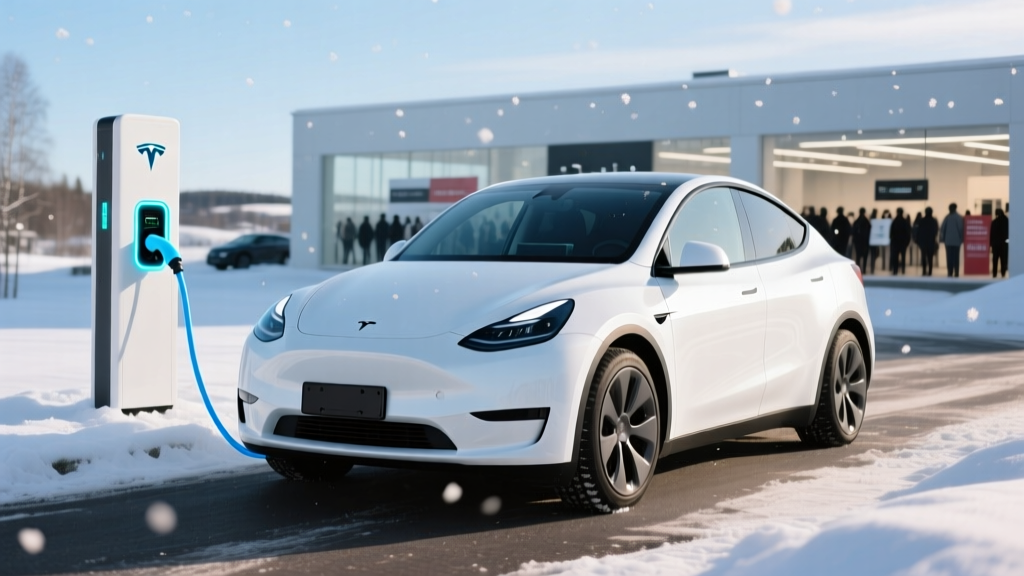
Norway's EV share of new car sales remains above 90%, but Tesla's slice of that pie has contracted. In Q1 2026, Tesla's Norwegian registrations dropped roughly 40–50% year-over-year, according to the Norwegian Road Federation (OFV). Several forces converged:
- Chinese competition: BYD's Seal, Atto 3, and Tang gained significant share, undercutting Tesla on price while matching range and build quality.
- VAT policy change: Norway introduced a 25% VAT on EVs priced above 500,000 NOK (~$47,000 USD) starting in 2023, compounding over time to erode Tesla's premium-trim advantage.
- Fleet saturation: Norway's early-adopter wave has already purchased; replacement cycles favor newer entrants offering novelty.
- Service & brand perception: Tesla's service-center wait times and panel-gap complaints, amplified in a small, vocal market, dented word-of-mouth referrals.
For US buyers, the takeaway is not panic — it's context. Norway's policy and competitive landscape is unique. The American market still offers Tesla a Supercharger network advantage, §30D tax-credit eligibility on certain trims, and pricing that undercuts most rivals in the midsize electric SUV and sedan segments.
2026 Tesla Model Y Juniper: Full US-Spec Review
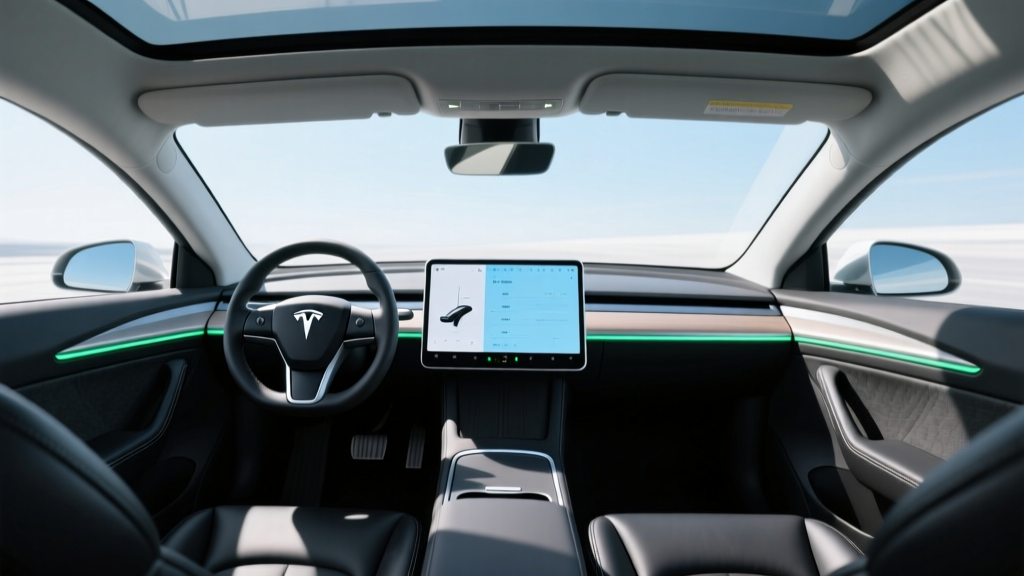
The 2026 Model Y (Juniper refresh, launched in the US in early 2025) carries updated styling, a ventilated-seat option, ambient lighting, rear touchscreen, and improved suspension tuning. It remains Tesla's volume leader and the vehicle most affected by the Norway headlines.
| Spec | Long Range AWD | Performance |
|---|---|---|
| EPA Range | 320 miles | 293 miles |
| Battery (usable) | ~75 kWh, NMC | ~75 kWh, NMC |
| Drivetrain | Dual Motor AWD | Dual Motor AWD |
| Horsepower | 384 hp | 456 hp |
| 0–60 mph | 4.8 sec | 3.5 sec |
| Peak DC Fast Charge | 250 kW | 250 kW |
| 10–80% DC Time | ~27 min | ~27 min |
| Level 2 Home Rate | 11.5 kW (~44 mi/hr) | 11.5 kW (~44 mi/hr) |
| Efficiency | 122 MPGe / 28 kWh/100mi | 111 MPGe / 30 kWh/100mi |
| Cargo (rear up / folded) | 30.2 / 72.1 cu ft | 30.2 / 72.1 cu ft |
| Base MSRP | $44,990 | $48,990 |
| Battery Warranty | 8 yr / 120,000 mi | 8 yr / 120,000 mi |
Charging Speed & Network
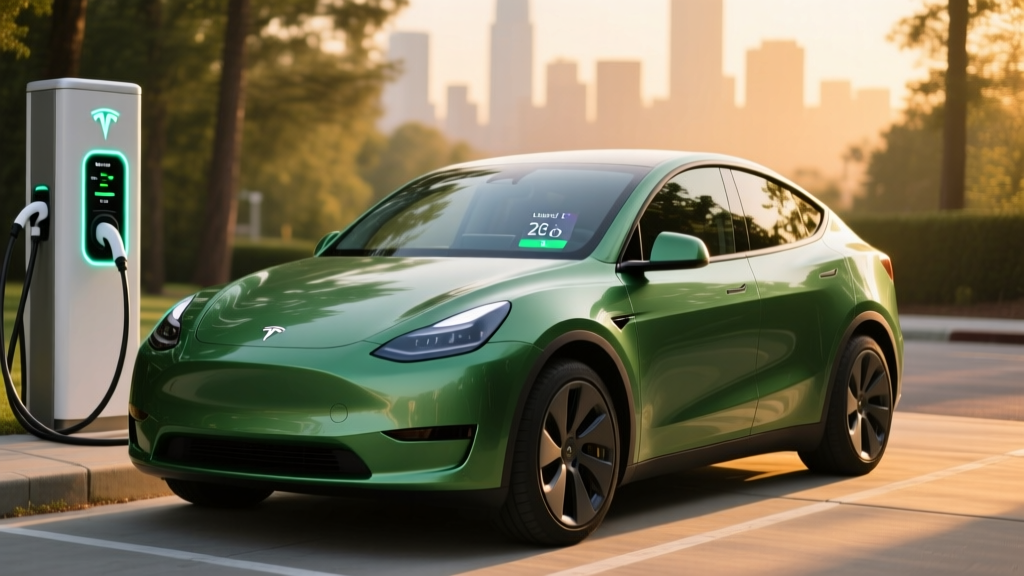
The Model Y peaks at 250 kW on V3 Superchargers, adding roughly 200 miles in 15 minutes under ideal battery-preconditioned conditions. The charge curve tapers significantly above 80% SoC — a 10–80% session takes ~27 minutes, but 80–100% adds another 20+ minutes. For road trips, plan to charge to 80% and move on.
At home on an 11.5 kW Level 2 Wall Connector (48A circuit, 60A breaker), you gain ~44 miles per hour of charging — a full overnight replenishment from 20% SoC. The NACS connector is native, granting access to the full Supercharger network without adapters. (Competitors on CCS require a NACS adapter for Supercharger access, which Tesla now sells but adds a friction point.)
2026 Tesla Model 3 Highland: The Sedan Still Holding Ground
The refreshed Model 3 (Highland) continues as the most efficient EV sedan in its price bracket. While the Norway sales collapse hit Model Y hardest, the Model 3 faces even stiffer Chinese competition globally — yet remains a compelling US buy thanks to pricing and efficiency.
| Spec | RWD | Long Range AWD | Performance |
|---|---|---|---|
| EPA Range | 272 mi | 341 mi | 315 mi |
| Battery | ~57.5 kWh, LFP | ~75 kWh, NMC | ~75 kWh, NMC |
| 0–60 mph | 5.8 sec | 4.2 sec | 2.9 sec |
| HP | 271 | 346 | 510 |
| Base MSRP | $38,990 | $44,990 | $49,990 |
The base RWD trim uses an LFP (lithium iron phosphate) battery — lower energy density than NMC, meaning shorter range, but with superior cycle life, no cobalt, and the ability to charge routinely to 100% without degradation concerns. For daily commuters who charge at home nightly, LFP is arguably the better chemistry. Long Range and Performance trims use NMC for maximum range and power.
Pricing, Tax Credits, and Total Cost
The federal §30D EV tax credit remains a decisive factor, but eligibility is nuanced. As of 2026, the credit is up to $7,500 and can be transferred at point-of-sale as a down-payment reduction — but only if the buyer meets income caps, the vehicle meets MSRP caps, and the battery satisfies critical-mineral and component-sourcing thresholds set by the IRS.
| Model / Trim | MSRP | MSRP Cap (§30D) | Estimated Credit | Effective Price |
|---|---|---|---|---|
| Model 3 RWD | $38,990 | $55,000 (sedan) | $7,500 (if sourcing qualifies) | ~$31,490 |
| Model 3 LR AWD | $44,990 | $55,000 (sedan) | $3,750–$7,500* | ~$37,490–$41,240 |
| Model Y LR AWD | $44,990 | $80,000 (SUV) | $3,750–$7,500* | ~$37,490–$41,240 |
| Model Y Perf. | $48,990 | $80,000 (SUV) | $3,750–$7,500* | ~$41,490–$45,240 |
*Credit amount depends on the percentage of critical minerals and battery components meeting US/FTA-country sourcing requirements, which shifts annually. Verify current eligibility at IRS.gov Clean Vehicle Credits. Income caps: $150K single / $300K joint MAGI.
On total cost of ownership, Tesla still leads most rivals in efficiency (kWh/100mi) and benefits from the lowest-cost public charging via Superchargers (~$0.25–$0.35/kWh vs $0.48–$0.60 on Electrify America). Insurance remains a headwind: Tesla premiums average 15–30% above segment peers due to repair-cost data.
Competitor Check: Model Y vs Hyundai Ioniq 5 vs Ford Mustang Mach-E
The Norway collapse was driven largely by BYD, which has minimal US presence. American buyers face different alternatives:
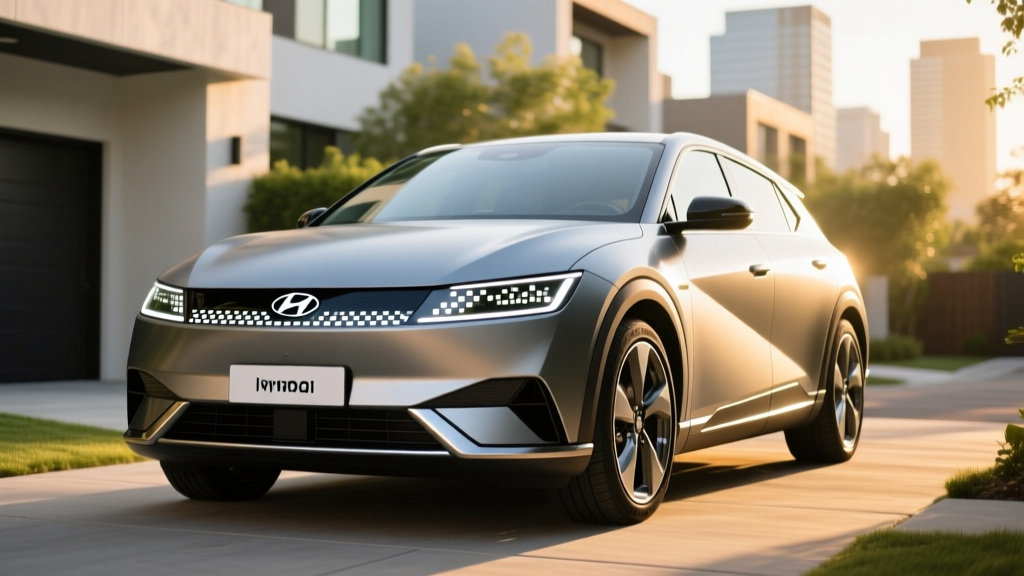
- Hyundai Ioniq 5: 800V architecture enables 10–80% in ~18 min (vs Tesla's ~27 min). NACS adapter now included. Slightly less cargo space. Eligible for $7,500 credit on US-built trims.
- Ford Mustang Mach-E: Competitive range (320 mi extended), NACS adapter included. Heavier, less efficient. Build quality praised.
- Kia EV6: Shares Ioniq 5's 800V platform. Sportier styling, similar charging speed.
Tesla's enduring advantages: Supercharger reliability (consistently >95% uptime vs ~70–80% for CCS networks per J.D. Power studies), OTA update cadence, and the lowest kWh/100mi in class. Disadvantages: aging interior materials on base trims, no Apple CarPlay/Android Auto, and service-center capacity strain in some metros.
Pros
- Class-leading efficiency (28 kWh/100mi LR)
- Native NACS — no adapter for Superchargers
- Over-the-air updates add features post-purchase
- LFP option on Model 3 RWD for longevity
- Spacious cargo area (72.1 cu ft Model Y)
Cons
- No Apple CarPlay / Android Auto
- Higher insurance premiums than peers
- Service wait times in some regions
- Base interior materials feel dated vs Hyundai/Kia
- FSD (Supervised) remains Level 2 — driver must stay engaged
Autopilot and FSD: Setting the Record Straight
FSD (Supervised) has improved markedly with the v13 neural-net stack, handling complex urban intersections and highway merges more smoothly. It remains an $8,000 add-on or $99/month subscription — a cost that should be weighed against the reality that it reduces fatigue but does not eliminate driver responsibility. NHTSA continues to monitor Tesla's ADAS incident data; buyers should review the latest NHTSA reports before purchasing.
Who Should Still Buy a Tesla in 2026?
- You road-trip frequently and want the most reliable DC fast-charging network
- You need class-leading cargo space for family gear
- You value OTA feature updates and software-first design
- You want the most efficient EV sedan under $45K
- You commute daily and can charge at home (LFP RWD ideal)
- You need Apple CarPlay or physical controls
- You want the fastest 10–80% charging (Hyundai/Kia 800V wins)
- Local Tesla service capacity is poor in your area
Frequently Asked Questions
What caused the Tesla sales collapse in Norway in 2026?
A combination of new Chinese EV competitors (BYD, NIO, XPeng), Norway's VAT on EVs over ~$47K, and natural market saturation after a decade of Tesla dominance. It reflects Norway's unique policy and competitive environment, not a global Tesla product failure.
Does the 2026 Model Y qualify for the $7,500 federal tax credit?
It can, but eligibility depends on your MAGI (≤$300K joint / $150K single), the vehicle's MSRP (≤$80K for SUVs — Model Y qualifies), and whether Tesla's battery sourcing meets the annual critical-mineral and component thresholds set by the IRS. Verify at IRS.gov before purchase.
What is the real-world range of the 2026 Model Y Long Range?
EPA-rated 320 miles. Real-world highway driving at 70 mph yields ~270–290 miles in mild weather, dropping to ~230–250 miles in freezing temperatures. City driving with regenerative braking can exceed the EPA figure.
How fast does the 2026 Model Y charge?
Peak 250 kW on V3 Superchargers, 10–80% in ~27 minutes. At home on an 11.5 kW Level 2 charger, it adds ~44 miles per hour. Expect 200 miles added in 15 minutes under optimal preconditioned conditions.
Is a Tesla still worth buying vs Hyundai Ioniq 5 or Ford Mach-E?
Yes, if Supercharger network reliability and efficiency are priorities. If fastest DC charging speed matters most, the Ioniq 5's 800V architecture (~18 min 10–80%) wins. For interior refinement, the Mach-E and Ioniq 5 edge ahead. For software and OTA updates, Tesla leads.
What's the battery warranty on a 2026 Tesla?
8 years or 120,000 miles (whichever comes first), with a guaranteed minimum 70% capacity retention over that period. LFP batteries (Model 3 RWD) historically show slower degradation than NMC.