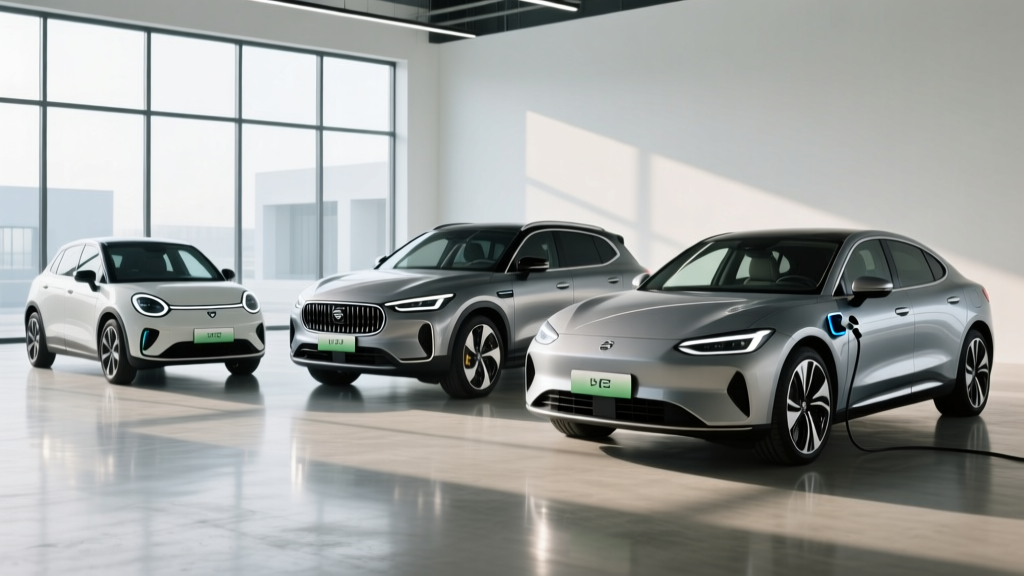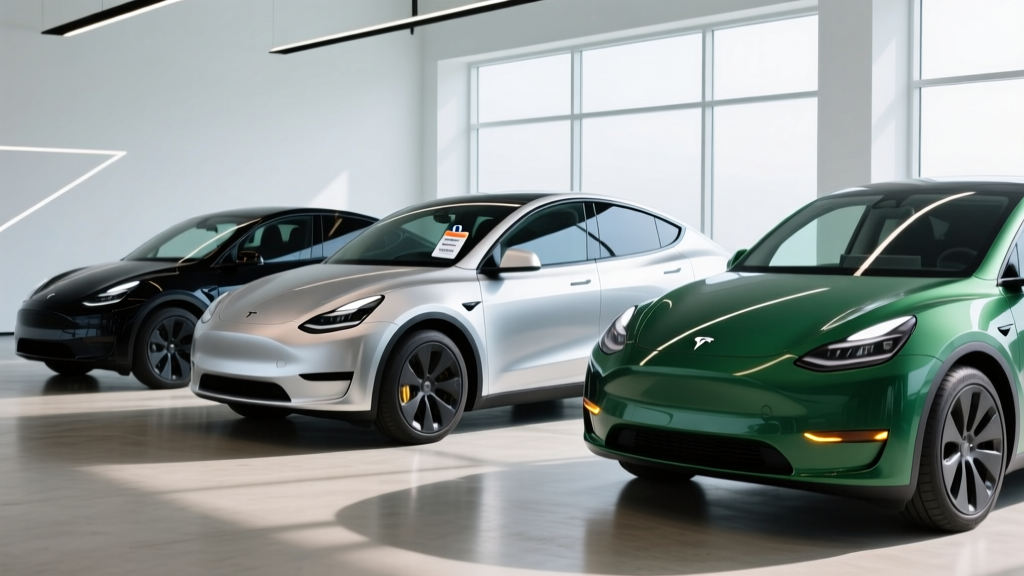
If you live in Rocklin, California, and are considering a Tesla, you sit in one of the most EV-friendly microclimates in the country. Sacramento County's mild winters mean minimal cold-weather range loss, and California's ZEV incentives stack on top of federal credits. But Tesla's 2026 lineup has shifted — prices, battery chemistries, and tax-credit eligibility all differ by model and trim. This guide breaks down exactly what Rocklin buyers need to know before visiting the nearest showroom in Roseville or ordering online.
Which Tesla Models Can Rocklin Buyers Actually Get in 2026?
Tesla's current production lineup for US buyers includes four models. The Cybertruck remains niche and fleet-focused, so we'll concentrate on the volume sellers most relevant to Rocklin families and commuters: Model 3, Model Y, Model S, and Model X. Below is a side-by-side spec comparison using the most common trims.
| Spec | Model 3 RWD | Model 3 Long Range AWD | Model Y Long Range AWD | Model S LR | Model X LR |
|---|---|---|---|---|---|
| EPA Range | 272 mi | 341 mi | 320 mi | 402 mi | 335 mi |
| Battery (usable) | ~60 kWh (LFP) | ~79 kWh (NMC) | ~79 kWh (NMC) | ~95 kWh (NMC) | ~95 kWh (NMC) |
| Peak DC Charge | 170 kW | 250 kW | 250 kW | 250 kW | 250 kW |
| 10–80% DC Time | ~28 min | ~22 min | ~22 min | ~25 min | ~28 min |
| 0–60 mph | 5.8 s | 4.2 s | 4.8 s | 3.1 s | 3.8 s |
| Horsepower | 271 hp | 346 hp | 384 hp | 670 hp | 670 hp |
| Base MSRP | $38,990 | $45,990 | $48,990 | $79,990 | $84,990 |
Sources: fueleconomy.gov, Tesla.com specs (2026 model year). Pricing excludes destination fee.
Real-World Range Around Rocklin and the Sacramento Valley
EPA Sticker vs. Reality: The Model 3 Long Range's 341-mile EPA rating is one of the most accurate on the market — Tesla's thermal management and heat pump keep real-world numbers close. Expect 310–325 miles on mixed Sacramento-area driving (city + I-80 highway). Sustained 80 mph highway runs toward Tahoe drop that to ~270–285 miles. Cold weather above 4,000 ft elevation in winter can shave another 10–15%, but Rocklin's valley-floor winters rarely dip below 35°F, keeping range loss minimal compared to Midwest owners.
The base Model 3 RWD (272 mi EPA) uses an LFP (lithium iron phosphate) battery. LFP cells tolerate regular 100% charging without degradation concerns — Tesla recommends daily full charges for this trim. That effectively gives you the full 272 miles every morning, which is more than enough for the typical Rocklin commute to Roseville, Folsom, or downtown Sacramento (round trips of 30–70 miles).
Charging at Home and on the Road
Rocklin homes are predominantly single-family with attached garages, making Level 2 home charging straightforward. A 48-amp Wall Connector on a NEMA 14-50 outlet or hardwired 60A circuit delivers roughly 44 miles of range per hour of charging — more than enough to replenish a full day's driving overnight.
| Charging Level | Power | Miles Added/Hour | Notes |
|---|---|---|---|
| Level 1 (120V) | ~1.4 kW | 3–5 mi/hr | Emergency only; 20+ hr full charge |
| Level 2 (240V/48A) | 11.5 kW | ~44 mi/hr | Recommended home setup; ~7 hr full charge |
| DC Fast (Supercharger V3) | Up to 250 kW | ~1,000 mi/hr peak | Tapers above 50% SoC; 10–80% in ~22 min (LR) |
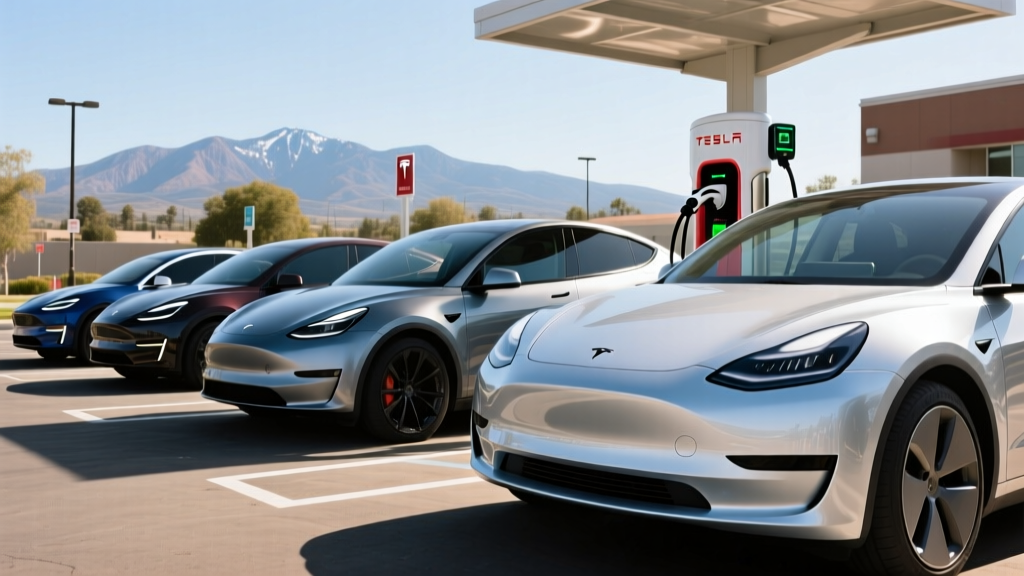
For public fast charging, the nearest Tesla Supercharger stations are in Roseville (Galleria), Sacramento (Arden Fair area), and along I-80 toward Auburn. V3 Superchargers peak at 250 kW, but real-world sessions average closer to 100–130 kW across the full 10–80% session due to the charge curve taper. Plan for roughly 20–25 minutes at a Supercharger stop on a road trip to Reno or the Bay Area.
Pricing, Tax Credits, and What Rocklin Buyers Actually Pay
The federal EV tax credit under IRS §30D remains a major factor in 2026, but eligibility is model-specific. Here's where Tesla's lineup stands:
| Model/Trim | MSRP | Federal Credit | Effective Price |
|---|---|---|---|
| Model 3 RWD | $38,990 | $7,500 (point-of-sale) | ~$31,490 |
| Model 3 Long Range AWD | $45,990 | $7,500 (point-of-sale) | ~$38,490 |
| Model Y Long Range AWD | $48,990 | $7,500 (point-of-sale) | ~$41,490 |
| Model S Long Range | $79,990 | $0 (exceeds MSRP cap) | $79,990 |
| Model X Long Range | $84,990 | $0 (exceeds MSRP cap) | $84,990 |
Key caveats: The §30D credit requires buyer income below $150,000 (single) or $300,000 (joint), vehicle MSRP under $55,000 for sedans or $80,000 for SUVs/trucks, and battery components meeting critical-mineral and North American sourcing thresholds. Model S exceeds the sedan MSRP cap; Model X sits right at the SUV cap — verify current-year sourcing compliance on Tesla's website before ordering, as these rules tighten annually. The credit is now available as a point-of-sale transfer, meaning the dealer (or Tesla) deducts it at purchase rather than waiting for a tax refund.
California's Clean Fuel Rebate (up to $1,000 for income-qualified buyers) and potential SMUD or PG&E off-peak charging incentives can further reduce effective cost. Check the California Energy Commission for current state incentive availability.
Efficiency, Cargo, and Daily Practicality
The Model 3 Long Rate achieves roughly 130 MPGe combined (26 kWh/100 mi), making it one of the most efficient EVs in its class. At Rocklin's average residential electricity rate of ~$0.18/kWh (PG&E or SMUD), a full home charge costs roughly $14 — compared to $50+ for equivalent gasoline miles in a 25 MPG sedan.
Cargo space is where the Model Y pulls ahead for families. The Model 3 trunk offers 23 cu ft (plus a small frunk), while the Model Y provides up to 76 cu ft with rear seats folded — enough for Costco runs, camping gear, or a double stroller without fuss. Rear legroom in both is adequate at ~35 inches, but taller passengers will prefer the Model Y's higher roofline and more upright seating.
Tech, Driver Assistance, and What You Should Know
SAE Level 2 — Not Self-Driving: Tesla's Autopilot and optional FSD (Supervised) are SAE Level 2 driver-assistance systems. You must keep your hands on the wheel and eyes on the road at all times. These systems do not replace an attentive driver. True driverless (Level 4) service in California is currently limited to Waymo in select urban zones.
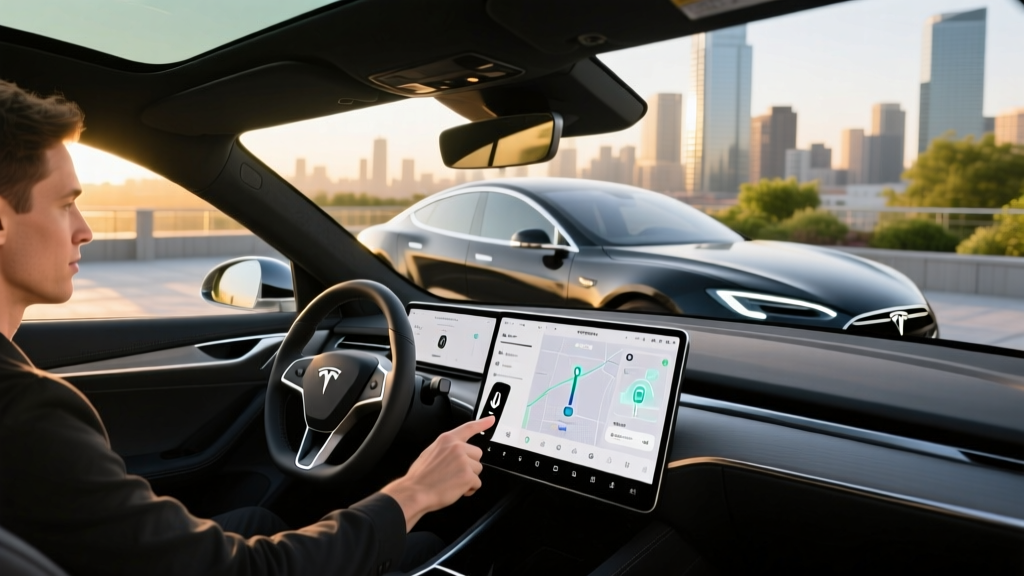
Every Tesla ships with a 15.4-inch center touchscreen handling navigation, climate, media, and vehicle settings. There's no traditional instrument cluster — speed and range appear in the upper corner of the main screen. The phone-as-key system works reliably, and over-the-air updates regularly add features (and occasionally remove them). Sentry Mode, dashcam recording, and Dog Mode remain standout utility features for Rocklin owners who park at trailheads or leave pets briefly during errands.
The biggest drawback? Build-quality variance. Panel gaps, paint imperfections, and wind noise remain more common on Tesla than on legacy automakers. Inspect your vehicle carefully at delivery and don't hesitate to request service corrections within the first 30 days.
Pros and Cons for Rocklin Buyers
Pros
- Supercharger network is the most reliable public DC charging option for road trips on I-80 and I-5
- LFP battery on Model 3 RWD allows daily 100% charging — no range babysitting
- Best-in-class efficiency (kWh/100 mi) translates to lower monthly energy cost
- Strong resale value relative to most EV competitors
- Heat pump standard on all trims — efficient cabin heating in Sierra foothill winters
Cons
- No physical instrument cluster or stalks — learning curve for new EV adopters
- Model S/X priced out of federal tax credit eligibility
- Insurance premiums run 15–25% higher than comparable gas sedans (get quotes before buying)
- Service center wait times in Sacramento can stretch weeks for non-urgent repairs
- Build quality inconsistency — inspect carefully at delivery
Who Should Buy a Tesla in Rocklin?
Choose Model 3 RWD if: You're a single commuter driving under 80 miles daily, want the lowest entry price (~$31,500 after credit), and have reliable home charging.
Choose Model 3 Long Range if: You commute to the Bay Area or Tahoe regularly and want 340+ miles of buffer without charging stops.
Choose Model Y Long Range if: You have a family, need cargo flexibility, and want AWD traction for Sierra snow trips — it's the best all-rounder for Rocklin households.
Consider Model S/X only if: You specifically need 400-mile range (Model S) or falcon-wing doors and three rows (Model X) and the $80K+ price without a federal credit doesn't deter you.
Frequently Asked Questions
What is the real-world range of a Tesla around Rocklin?
Model 3 Long Range delivers ~310–325 miles on mixed local driving. Highway-only trips at 75–80 mph reduce that to ~270–285 miles. Rocklin's mild winters mean cold-weather range loss is typically under 5%, far less than EV owners in colder states experience.
How fast does a Tesla charge at home in Rocklin?
With a Tesla Wall Connector on a 48-amp/240V circuit, expect ~44 miles of range per hour. A full charge from 10% takes roughly 7 hours for Long Range models — easily done overnight. Installation costs range from $800–$2,000 depending on your panel capacity and garage wiring distance.
Does the Tesla Model Y qualify for the $7,500 federal tax credit?
Yes, the Model Y Long Range AWD qualifies for the full $7,500 §30D credit as a point-of-sale reduction in 2026, provided the buyer meets income caps ($150K single / $300K joint) and the vehicle's battery sourcing meets current-year critical-mineral requirements. Verify on Tesla's checkout page before ordering.
Is Tesla worth buying vs. Hyundai Ioniq 5 or Ford Mustang Mach-E?
Tesla wins on charging network reliability (Superchargers), software integration, and efficiency. The Ioniq 5 offers faster 800V charging (10–80% in ~18 min) and a more conventional interior. The Mach-E provides a more traditional driving feel. For Rocklin buyers who road-trip frequently, Tesla's Supercharger advantage remains significant.
What's the battery warranty on a 2026 Tesla?
All Tesla models carry an 8-year/100,000-mile battery and drive unit warranty (120,000 miles for Model S/X Long Range). The warranty covers capacity loss below 70% of original capacity — a threshold most owners never reach based on current degradation data showing ~90% retention at 150,000 miles.