For over a decade, the Tesla Roadster has existed more as a promise than a product. First teased in 2017 with headline-grabbing claims — a sub-2-second 0-60 time, 620 miles of range, and a top speed over 250 mph — Elon Musk's flagship sports car has endured repeated delays. As of early 2026, Tesla has finally begun limited production of the next-generation Roadster, with customer deliveries expected to ramp through the year. But at an estimated base price near $200,000, the question for prospective buyers shifts from "when" to "is it actually worth it?"
This review examines the Tesla Roadster's confirmed and preliminary specifications, real-world usability, ownership economics, and how it stacks up against hypercar rivals and Tesla's own lineup. We'll separate marketing bravado from engineering reality and help you determine whether the Roadster delivers genuine value or simply expensive bragging rights.
Quick Verdict: Who Is the Roadster Actually For?
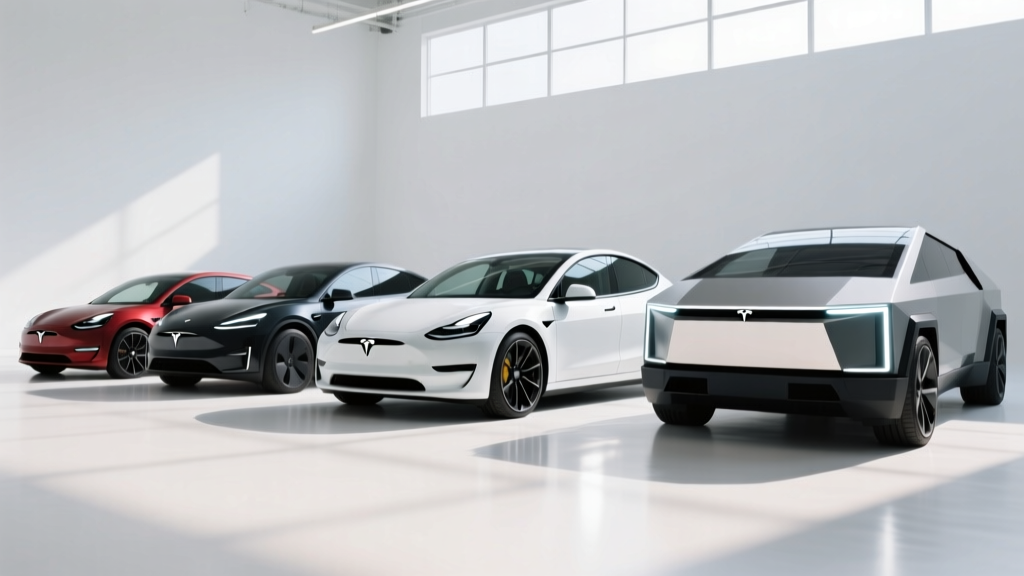
The Tesla Roadster is not a practical daily driver, a family hauler, or even a conventional sports car. It's a low-volume halo vehicle designed to showcase the upper limits of electric powertrain performance. If you're a collector, an enthusiast with significant disposable income, or someone who wants the fastest-accelerating production car ever built, the Roadster occupies a category of one. For everyone else — including most Tesla loyalists — a Model S Plaid delivers 90% of the thrill at a third of the price.
Choose the Tesla Roadster if: You want record-breaking acceleration, 600+ mile range in a two-door, and exclusivity that no Porsche or Rimac can match at this price point.
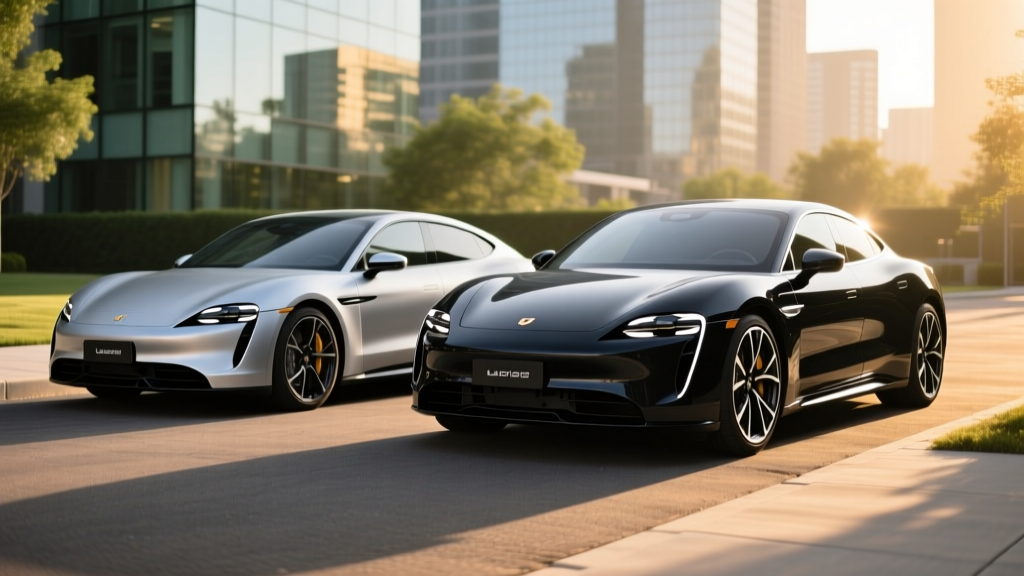
Choose a Model S Plaid or Taycan Turbo GT instead if: You need rear seats, daily practicality, established service infrastructure, or want to spend under $150,000.
Range, Battery, and Efficiency: The 620-Mile Claim
Tesla has targeted a 620-mile EPA-estimated range since the Roadster's 2017 unveiling — a figure that would make it the longest-range production EV ever sold. Achieving this requires a massive battery pack. While Tesla has not published the exact usable capacity, industry analysis and Tesla's own hints point to a 200 kWh pack, likely using a next-generation 4680-cell NMC (nickel manganese cobalt) chemistry optimized for both energy density and discharge rate.
EPA Estimated Range: 620 miles (preliminary, pending final EPA certification)
Real-World Expectation: Expect 480–540 miles in mixed driving at moderate speeds. At sustained 80+ mph highway cruising, anticipate 400–450 miles due to aerodynamic drag scaling with the square of velocity. In cold weather (below 32°F), range may drop 20–30%, yielding roughly 350–420 miles depending on cabin heating demands and battery preconditioning.
For context, the Lucid Air Grand Touring currently holds the production EV range crown at 516 miles EPA. If Tesla certifies the Roadster at 620 miles, it would leapfrog Lucid by over 100 miles — a significant engineering achievement, though one that comes with trade-offs in weight, cost, and charging time.
Efficiency will likely land around 130–140 MPGe combined (roughly 24–26 kWh/100mi), respectable for a 4,400+ lb vehicle with this level of performance but far from the efficiency of lighter EVs like the Model 3.
Charging Speed: The 200 kWh Problem
A 200 kWh battery is a double-edged sword: enormous range, but enormous charging requirements. Tesla has indicated the Roadster will support peak DC fast-charging rates up to 350 kW on V4 Superchargers, though sustained rates will taper significantly as the pack fills.
| Charging Level | Power / Rate | Estimated Time / Range Added |
|---|---|---|
| Level 1 (120V) | ~1.4 kW | ~3–4 miles per hour |
| Level 2 (240V, 48A) | 11.5 kW | ~30–34 miles per hour; full charge in ~18–20 hours |
| DC Fast Charge (V4 Supercharger) | Peak 350 kW | 10–80% in approximately 30–35 minutes |
The charge curve matters here. Expect peak 350 kW rates only between roughly 10–30% state of charge (SoC), tapering to 200–250 kW through 50%, and dropping further above 80%. A 10–80% session will add approximately 430 miles of range — enough for most road trips with a single 30-minute stop.
For home charging, owners should plan on a dedicated 60A circuit with a Tesla Wall Connector to achieve 11.5 kW. Overnight charging from 20% to full will take roughly 14 hours — fine for daily top-ups but something to plan for on long trip turnaround days.
Performance: The Fastest Production Car Ever Built?
This is the Roadster's raison d'être. Tesla claims a 1.9-second 0-60 mph time (with rollout subtracted), a top speed exceeding 250 mph, and a quarter-mile time under 9 seconds. These figures would make the Roadster the quickest accelerating production car in history, surpassing the Rimac Nevera (1.85s with rollout) and crushing any internal-combustion hypercar.
| Specification | Tesla Roadster (2026 Preliminary) |
|---|---|
| 0–60 mph | 1.9 seconds (with rollout) |
| Top Speed | 250+ mph |
| Horsepower | ~1,000+ hp (tri-motor AWD) |
| Drivetrain | Tri-motor AWD (1 front, 2 rear) |
| Battery Capacity | ~200 kWh (NMC, 4680 cells) |
| EPA Range | 620 miles (preliminary) |
| Peak DC Charge Rate | 350 kW |
| 10–80% DC Charge | ~30–35 minutes |
| Base MSRP | ~$200,000 (estimated) |
| Body Style | 2+2 coupe, removable glass roof |
The tri-motor layout — one front, two rear — enables torque vectoring across the rear axle, critical for managing 1,000+ horsepower without excessive wheelspin. Tesla's "SpaceX package" (an optional $50,000 add-on originally teased with cold-gas thrusters) may offer additional track-focused performance, though details remain sparse and regulatory approval for road-use thrusters is uncertain.
Interior, Tech, and Practicality
The Roadster is a 2+2 coupe, meaning two small rear seats suitable for children or cargo overflow — not adults on any trip longer than a grocery run. Front legroom should be generous given the car's long wheelbase, but headroom may be tight with the low roofline, especially for drivers over 6'2".
Cargo space is minimal. Expect a small rear trunk area around 5–7 cubic feet and a modest frunk (front trunk) of roughly 3–4 cubic feet — enough for two carry-on bags and a charging cable, not a weekend's worth of luggage for four.
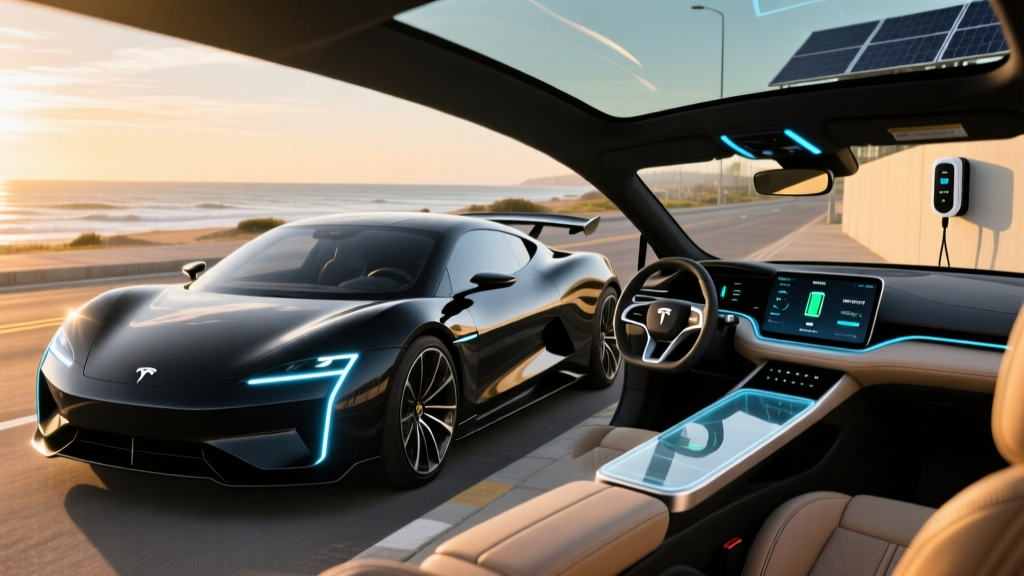
Technology will mirror Tesla's latest hardware: a 17-inch center touchscreen running Tesla's current software suite, a minimalist yoke or round steering wheel (buyer's choice), and Tesla's full camera suite enabling Autopilot and Full Self-Driving (Supervised). Note that FSD remains an SAE Level 2 driver-assistance system — the driver must remain fully engaged at all times. This is not autonomous driving.
Notable tech features include:
- Over-the-air updates continuously adding features
- Tesla's latest HW5 AI processor for Autopilot/FSD
- Configurable regen braking and torque-vectoring profiles
- Removable glass roof panel stored in the trunk
- Track Mode with adjustable stability control and cooling
Drawbacks include the absence of Apple CarPlay/Android Auto (Tesla's walled-garden infotainment), limited rear visibility due to the sloping roofline, and likely firm ride quality given the performance-tuned suspension.
Pricing, Tax Credits, and Ownership Cost
The Tesla Roadster was originally announced with a $200,000 base price and a $250,000 "Founders Series" for the first 1,000 units (already sold out, requiring full payment upfront). Current estimates place the 2026 base model at approximately $200,000 before options, with the SpaceX package adding roughly $50,000.
| Cost Factor | Amount |
|---|---|
| Base MSRP (estimated) | $200,000 |
| Founders Series (first 1,000) | $250,000 (sold out) |
| SpaceX Package (optional) | +~$50,000 |
| Federal §30D Tax Credit | $0 — exceeds MSRP cap |
| Estimated Annual Insurance | $5,000–$9,000 |
| Annual Electricity (12,000 mi) | ~$650–$900 |
Federal tax credit eligibility: The Roadster does not qualify for the IRS §30D clean vehicle credit. The §30D credit caps eligible vehicles at $55,000 MSRP for sedans/coupes — the Roadster's ~$200,000 price disqualifies it entirely. State-level incentives (such as California's CVRP or utility rebates) may offer minor offsets, but these are typically $1,000–$5,000 and vary by jurisdiction. Consult a tax professional for your specific situation.
Ownership costs beyond purchase price are significant. Insurance for a 1,000+ hp hypercar will run $5,000–$9,000 annually depending on your driving record and state. Maintenance will be lower than a combustion hypercar (no oil changes, fewer brake replacements thanks to regen), but tire replacement for high-performance rubber could cost $2,000–$3,500 per set, and you'll go through them quickly with this much torque.
Warranty and Long-Term Battery Outlook
Tesla has not published Roadster-specific warranty terms, but based on the Model S/X precedent, expect:
- Basic Vehicle Warranty: 4 years / 50,000 miles
- Battery & Drive Unit Warranty: 8 years / 150,000 miles, with minimum 70% capacity retention
The 200 kWh NMC pack will experience typical lithium-ion degradation — expect roughly 5–8% capacity loss over the first 100,000 miles, with the curve flattening thereafter. Tesla's thermal management system is among the best in the industry, and 4680 cells have shown promising longevity in early Model Y deployments. A full battery replacement out of warranty, however, would likely cost $25,000–$40,000 given the pack's enormous capacity.
How the Roadster Compares to Rivals
| Vehicle | 0–60 mph | Range (EPA) | Price | Seats |
|---|---|---|---|---|
| Tesla Roadster (2026) | 1.9s | 620 mi (prelim.) | ~$200,000 | 2+2 |
| Rimac Nevera | 1.85s | ~340 mi (WLTP) | $2,200,000 | 2 |
| Porsche Taycan Turbo GT | 2.1s | 269 mi | $230,000 | 4 |
| Tesla Model S Plaid | 1.99s | 396 mi | $89,990 | 5 |
| Lucid Air Sapphire | 1.89s | 427 mi | $249,000 | 5 |
The Roadster's value proposition becomes clearer in this context: it offers Nevera-rivaling acceleration at one-tenth the price, double the range of any competitor, and the practicality (such as it is) of two rear seats. The Model S Plaid is the obvious internal cross-shop — it's nearly as quick, seats five, has a proven service network, and costs $110,000 less. The Roadster trades practicality for exclusivity, style, and that 620-mile range figure.
Pros and Cons
Pros
- Record-breaking 1.9-second 0–60 mph acceleration
- 620-mile range eliminates virtually all range anxiety
- 350 kW DC fast charging on Tesla's Supercharger network
- Fraction of the cost of a Rimac Nevera with comparable performance
- Removable glass roof adds open-air experience
- Full Tesla software suite with OTA updates
Cons
- $200,000+ price with no federal tax credit eligibility
- 2+2 seating is impractical for adults in rear seats
- Minimal cargo space (~8–11 cu ft combined)
- Extremely high insurance costs ($5K–$9K/year)
- Unproven long-term reliability for a low-volume halo car
- Tesla service centers may lack capacity for specialized Roadster repairs
- Years of delays raise questions about final production spec vs. promises
Frequently Asked Questions
What is the real-world range of the Tesla Roadster?
Tesla targets a 620-mile EPA rating, but real-world highway driving at 75–85 mph will likely yield 400–450 miles. In cold weather, expect 350–420 miles. This still far exceeds any production EV on the market.
How fast does the Roadster charge?
On a V4 Supercharger, the Roadster peaks at 350 kW and should achieve a 10–80% charge in approximately 30–35 minutes. At home on a 48A Level 2 Tesla Wall Connector (11.5 kW), a full charge takes roughly 18–20 hours from empty.
Does the Tesla Roadster qualify for the federal EV tax credit?
No. The IRS §30D credit caps eligible coupes/sedans at $55,000 MSRP. The Roadster's ~$200,000 price makes it ineligible. State incentives may apply — check your local DMV and utility programs.
Is the Roadster worth buying vs. a Model S Plaid?
For pure performance-per-dollar, the Model S Plaid at $89,990 is the better value — it's only 0.1 seconds slower to 60 mph and seats five. The Roadster is for buyers who want exclusivity, the longest EV range available, and a two-door sports car silhouette. It's a collector's item, not a rational purchase.
When will the Tesla Roadster actually be available?
Tesla began limited production in late 2025, with customer deliveries expected throughout 2026. Reservation holders (who placed $50,000 deposits years ago) are being fulfilled first. New orders face an uncertain wait time.
What is the battery warranty?
Based on Tesla's precedent for Model S/X, expect 8 years / 150,000 miles with a minimum 70% capacity retention guarantee. Final Roadster-specific terms have not been published as of this writing.
Final Assessment: The Value Question
The Tesla Roadster's value depends entirely on your frame of reference. Compared to the $2.2 million Rimac Nevera, it's a relative bargain offering similar acceleration and vastly more range. Compared to Tesla's own Model S Plaid — which delivers 1,020 hp, a 1.99-second 0-60, and 396 miles of range for $89,990 — the Roadster's $200,000+ price demands a $110,000 premium for two fewer doors, two fewer seats, and 224 additional miles of range.
For collectors and enthusiasts who want the ultimate expression of electric performance and can absorb the depreciation risk of a first-year, low-volume halo car, the Roadster offers something no competitor can match: 620 miles of range, sub-2-second acceleration, and Tesla's charging infrastructure — all in a package costing a fraction of European hypercar money.
For everyone else, the honest answer is that a Model S Plaid, Lucid Air Sapphire, or Porsche Taycan Turbo GT delivers most of the experience with greater practicality, established reliability, and lower financial risk. The Roadster is an engineering showcase and a statement piece. Its value is real — but only for the buyers who measure value in superlatives, not spreadsheets.