Understanding Your Tesla's Real-World Range
When preparing your Tesla for extended road trips, the EPA-estimated range is just the starting point. For the 2026 Model Y Long Range AWD, the EPA rates it at 330 miles on a full charge. However, real-world highway driving at 70-75 mph typically yields 260-280 miles, while cold weather (below 40°F) can reduce range by 20-30%, dropping effective range to 200-230 miles.
The Model Y uses a 75 kWh usable battery pack (NMC chemistry in Long Range trims, LFP in Standard Range). NMC offers higher energy density for maximum range, while LFP provides longer cycle life and can be charged to 100% regularly without degradation concerns. Understanding your battery chemistry helps optimize charging strategy.
Charging Speed: DC Fast Charging and Home Setup
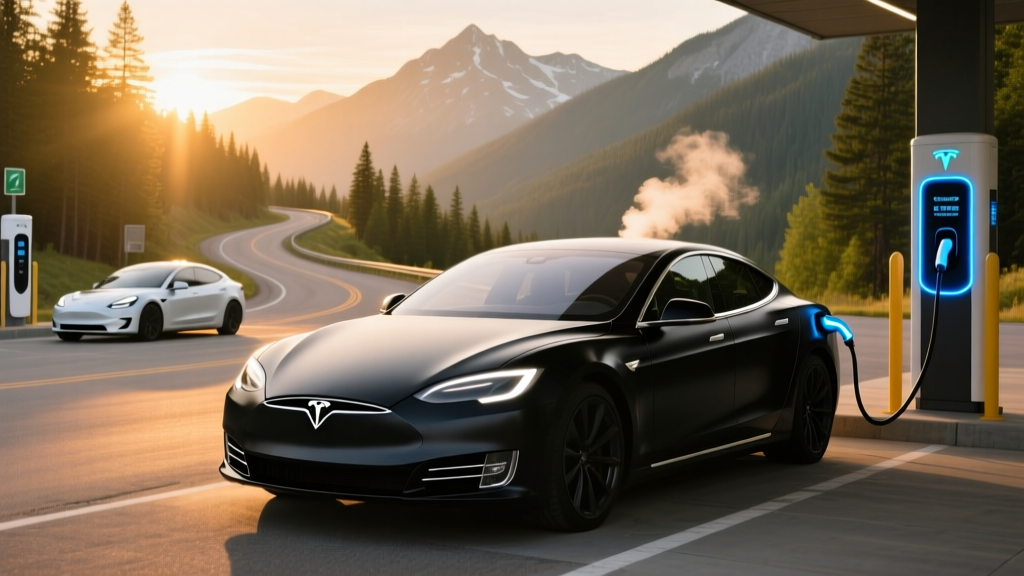
Road trip efficiency depends heavily on DC fast-charging performance. The 2026 Model Y Long Range peaks at 250 kW on V3 Superchargers, adding up to 200 miles in 15 minutes under ideal conditions. However, the charging curve tapers significantly above 80% state of charge (SoC).
| Charging Method | Power (kW) | Miles Added/Hour | 10-80% Time |
|---|---|---|---|
| Tesla V3 Supercharger | 250 kW peak | ~1,000 mi/hr peak | ~25 minutes |
| Tesla V4 Supercharger | 350 kW peak | ~1,200 mi/hr peak | ~20 minutes |
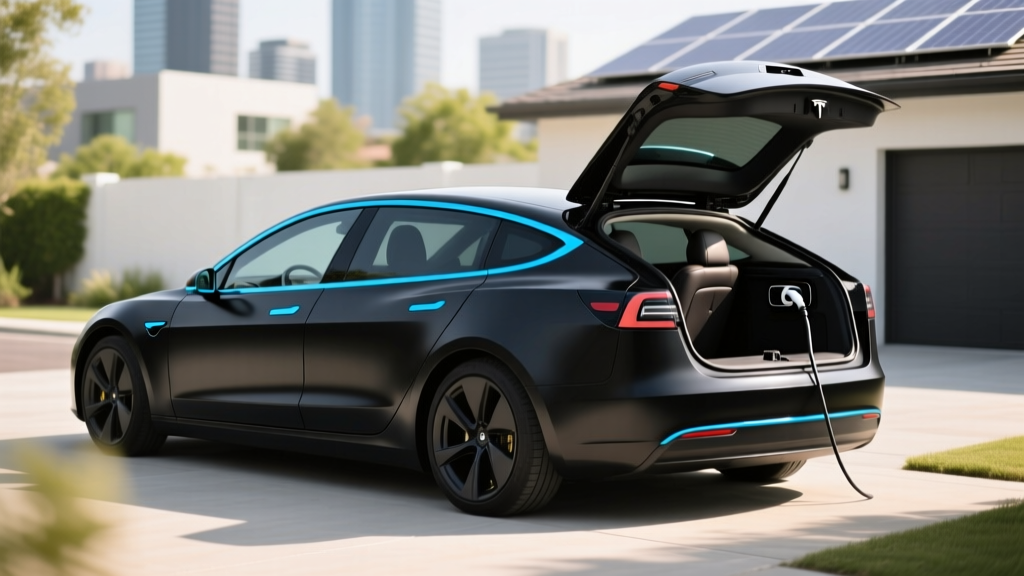
| Home Level 2 (48A) | 11.5 kW | ~44 mi/hr | ~7 hours |
| Home Level 2 (32A) | 7.7 kW | ~30 mi/hr | ~10 hours |
The charging curve reality: you'll see 250 kW only between 10-30% SoC, dropping to 150 kW by 50%, and 75 kW by 80%. This is why Tesla's navigation recommends charging to 80% at Superchargers—going to 100% adds minimal range but significant time.
Performance and Efficiency Metrics
The 2026 Model Y Long Range AWD delivers 384 horsepower and a 4.8-second 0-60 mph time. Its dual-motor all-wheel-drive system provides excellent traction in adverse weather, crucial for road trips through mountain passes or winter conditions.
| Specification | Model Y Long Range AWD | Model Y Performance |
|---|---|---|
| EPA Range | 330 miles | 303 miles |
| Battery (usable) | 75 kWh (NMC) | 75 kWh (NMC) |
| 0-60 mph | 4.8 sec | 3.5 sec |
| Horsepower | 384 hp | 456 hp |
| MPGe (combined) | 122 MPGe | 111 MPGe |
| Efficiency | 28 kWh/100mi | 30 kWh/100mi |
| Max DC Charge | 250 kW | 250 kW |
Efficiency varies by driving style and conditions. At 65 mph on flat terrain, expect 26-27 kWh/100mi (129-133 MPGe). Aggressive acceleration, high speeds, and roof cargo boxes increase consumption significantly.
Pricing and Federal Tax Credit Eligibility
The 2026 Model Y Long Range AWD starts at $48,990 MSRP, while the Performance trim begins at $53,990. Both fall under the $80,000 SUV MSRP cap for the federal tax credit under IRS §30D rules.
| Trim | Base MSRP | As-Tested (with options) | Federal Credit Eligibility |
|---|---|---|---|
| Long Range AWD | $48,990 | $52,000-$55,000 | Up to $7,500* |
| Performance | $53,990 | $57,000-$61,000 | Up to $7,500* |
*Tax Credit Caveats: The full $7,500 credit requires meeting critical mineral and battery component sourcing requirements (which Tesla's US-built vehicles largely satisfy as of 2026). Income caps apply: $300,000 joint filers, $225,000 head of household, $150,000 single. The credit can now be transferred at point-of-sale, reducing your purchase price directly. Always verify current eligibility at IRS.gov and consult a tax professional.
Cargo Space, Comfort, and Road Trip Practicality
The Model Y offers 30.2 cubic feet of cargo space behind the second row (76.2 cu ft with seats folded), plus a 4.1 cu ft frunk. This accommodates luggage for a family of four on week-long trips, though the sloping roofline limits tall items.
Legroom measures 41.8 inches front and 38.4 inches rear—adequate for adults on long drives. The panoramic glass roof creates an airy feel but can increase cabin heat in summer; the included tint helps, though aftermarket ceramic tint improves comfort further.
Warranty Coverage and Long-Term Reliability
Tesla provides an 8-year/120,000-mile battery and drive unit warranty for the Model Y Long Range, with a minimum 70% capacity retention threshold. The basic vehicle warranty covers 4 years/50,000 miles.
Real-world battery degradation data shows most Teslas retain 90%+ capacity after 100,000 miles when following best practices: avoiding frequent 100% charges (except for LFP batteries), minimizing DC fast charging when possible, and keeping SoC between 20-80% for daily use.
Driver Assistance and Technology Features
All 2026 Teslas include basic Autopilot (SAE Level 2) with traffic-aware cruise control and autosteer. Full Self-Driving (Supervised) adds $8,000 or $99/month and includes automatic lane changes, Navigate on Autopilot, and traffic light/stop sign recognition.
For road trips, Navigate on Autopilot handles highway interchanges and on/off ramps smoothly, reducing driver fatigue on 8+ hour drives. However, it requires constant supervision and performs poorly in construction zones, heavy rain, or poorly marked roads.
Who Should Buy the Tesla Model Y for Road Trips?
Ideal for: Tech-savvy families who take 4-6 road trips per year, value the Supercharger network's reliability, and have home charging access. The Model Y excels for 300-600 mile trips where Supercharger spacing (typically 150-200 miles) aligns with natural rest stops.
Consider alternatives if: You frequently tow (the Model Y's 3,500-lb capacity is modest), regularly drive in extreme cold without garage parking, or take trips through rural areas with sparse Supercharger coverage. The Ford Mustang Mach-E or Hyundai Ioniq 5 offer competitive range with CCS charging flexibility.
Pros and Cons for Road Trip Use
Pros
- Extensive, reliable Supercharger network (17,000+ stalls in North America)
- Fast 250 kW DC charging with excellent charge curve management
- Over-the-air updates continuously improve efficiency and features
- Excellent cargo versatility with frunk + rear storage
- Strong regenerative braking reduces brake wear on mountain descents
- Heat pump standard (maintains efficiency in cold weather)
Cons
- Limited to Tesla Supercharger network (no CCS without adapter)
- Touchscreen-only controls can be distracting while driving
- No Apple CarPlay/Android Auto integration
- Rear visibility compromised by sloping roofline
- FSD subscription adds significant cost for marginal benefit
- Insurance costs 20-40% higher than comparable gas vehicles
Frequently Asked Questions
What is the real-world range of the Tesla Model Y on road trips?
Expect 260-280 miles at highway speeds (70-75 mph) in moderate weather. In cold conditions (below 40°F), plan for 200-230 miles. Always add a 20% buffer for unexpected detours or charging station issues.
How fast does the Model Y charge on road trips?
On V3 Superchargers, 10-80% takes about 25 minutes. V4 Superchargers reduce this to ~20 minutes. Plan 20-30 minute stops every 200-250 miles for optimal efficiency.
How much does a Tesla Model Y cost after tax credits?
With the full $7,500 federal credit, the Long Range AWD effectively costs $41,490. However, eligibility depends on income limits, battery sourcing requirements, and MSRP caps. State incentives may provide additional savings—check fueleconomy.gov for current programs.
Is the Model Y worth buying vs competitors for road trips?
The Model Y's Supercharger network advantage is significant for frequent road trippers. However, the Ford Mustang Mach-E Extended Range (320 mi EPA) and Hyundai Ioniq 5 Long Range (320 mi EPA) offer competitive range with broader CCS charging access. Choose Tesla if network reliability is paramount; consider competitors if you value charging flexibility or prefer traditional controls.
Does the Tesla Model Y qualify for the federal EV tax credit?
Yes, as of 2026, the Model Y qualifies for up to $7,500 under §30D, subject to income caps ($300K joint/$150K single) and battery sourcing requirements. Tesla's US manufacturing largely satisfies these rules. Verify eligibility at purchase, as requirements evolve annually.
Should I buy the NMC or LFP battery version?
Choose NMC (Long Range) for maximum range and road trip flexibility. Choose LFP (Standard Range) if you prioritize battery longevity, plan to keep the vehicle 8+ years, and can charge to 100% regularly without degradation concerns. LFP also costs ~$5,000 less upfront.
For authoritative range and efficiency data, consult fueleconomy.gov. For safety ratings, check NHTSA.gov and IIHS.org.