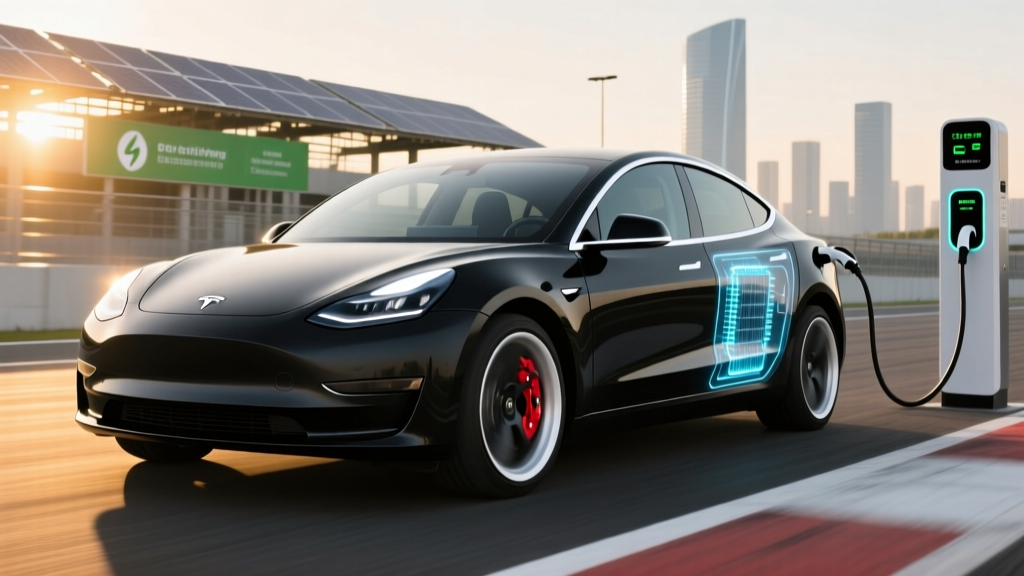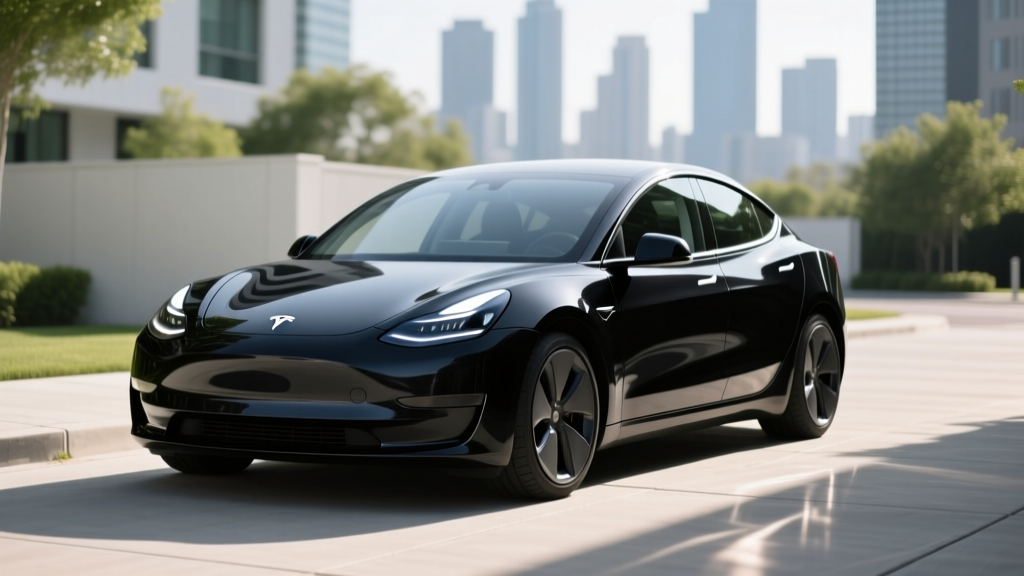
Tesla rarely does traditional dealership incentives, but the automaker's approach to pricing, federal tax credits, and periodic referral perks can amount to thousands in savings if you know where to look. If you're researching Tesla promotions right now, this guide breaks down the current 2026 Model 3 lineup — the vehicle most buyers are considering — with exact range figures, charging speeds, tax-credit eligibility, and how it stacks up against competitors like the Hyundai IONIQ 6 and BMW i4.
2026 Tesla Model 3 at a Glance: Specs That Matter
Before we get into current promotions and pricing strategy, here's the hard data buyers need. The 2026 Model 3 continues with the "Highland" refresh architecture introduced for the 2024 model year, carrying updated styling, improved cabin materials, and the same efficient powertrain lineup.
| Specification | Model 3 RWD | Model 3 Long Range AWD | Model 3 Performance |
|---|---|---|---|
| Base MSRP | $38,990 | $45,990 | $52,990 |
| EPA Range | 341 miles | 363 miles | 315 miles |
| Battery (usable) | ~60 kWh (LFP) | ~75 kWh (NMC) | ~75 kWh (NMC) |
| Drivetrain | Rear-Wheel Drive | Dual-Motor AWD | Dual-Motor AWD |
| Horsepower | 271 hp | 346 hp | 510 hp |
| 0–60 mph | 5.8 sec | 4.2 sec | 2.9 sec |
| Max DC Fast Charge | 170 kW | 250 kW | 250 kW |
| 10–80% DCFC Time | ~25 min | ~22 min | ~22 min |
| Level 2 Home Rate | 11.5 kW (~44 mi/hr) | 11.5 kW (~44 mi/hr) | 11.5 kW (~44 mi/hr) |
| MPGe (combined) | 132 MPGe | 125 MPGe | 113 MPGe |
| kWh/100 mi | 25 kWh | 27 kWh | 30 kWh |
| Battery Warranty | 8 yr / 100,000 mi | 8 yr / 120,000 mi | 8 yr / 120,000 mi |
Source: fueleconomy.gov and Tesla Model 3 design page.
Real-World Range: What to Actually Expect
EPA Sticker: 341 mi (RWD) / 363 mi (Long Range) / 315 mi (Performance)
Real-World Highway (70 mph, mild weather): ~275–300 mi (RWD) / ~290–320 mi (Long Range)
Cold Weather (below 32°F, mixed driving): Expect 20–30% reduction — roughly 240–270 mi for the RWD, 255–290 mi for Long Range.
Why the gap? The EPA test cycle includes significant low-speed and city driving where regenerative braking recovers energy. Sustained highway speeds above 65 mph increase aerodynamic drag substantially, and cold temperatures reduce battery chemical efficiency while increasing cabin-heating demand. The Model 3's heat pump helps mitigate winter losses compared to older resistive-heater EVs, but physics still applies.
The base RWD model uses a lithium iron phosphate (LFP) battery, which Tesla recommends charging to 100% regularly — a meaningful advantage for daily commuters who want full usable range every morning. The Long Range and Performance trims use nickel manganese cobalt (NMC) chemistry, which offers higher energy density but benefits from staying between 20–80% for daily use to maximize long-term battery health.
Charging Speed: Home and DC Fast Charging
Charging speed is where trim selection matters significantly. The RWD's 170 kW peak DC rate is adequate for road trips but noticeably slower than the Long Range and Performance's 250 kW peak.
| Charging Level | Power | Miles Added per Hour | Best For |
|---|---|---|---|
| Level 1 (120V outlet) | ~1.4 kW | ~4–5 mi/hr | Emergency/overnight trickle |
| Level 2 (240V home) | 11.5 kW | ~44 mi/hr | Daily home charging |
| DC Fast (RWD peak) | 170 kW | ~680 mi/hr (peak) | Road trips, 10–80% in ~25 min |
| DC Fast (LR/Perf peak) | 250 kW | ~1,000 mi/hr (peak) | Road trips, 10–80% in ~22 min |
Charging curve reality check: The 250 kW peak on Long Range and Performance trims is sustained only between roughly 10–30% State of Charge. Above 50%, the rate tapers progressively — you'll see ~150 kW around 60% and ~60 kW near 80%. The published 10–80% time of ~22 minutes accounts for this taper. If you're planning road-trip stops, expect 20–25 minutes at a Supercharger for a meaningful charge, not the "15 minutes" marketing sometimes implies.
For home Level 2 charging, a Tesla Wall Connector ($420) on a 60-amp circuit delivers the full 11.5 kW (48 amps continuous). Most owners wake up to a full battery every morning with this setup. Installation typically costs $800–$2,000 depending on panel proximity and whether your electrical panel needs an upgrade to 200 amps.
Tesla Promotions Right Now: Pricing, Credits, and Savings
Tesla doesn't use dealer incentives or cash-back rebates the way legacy automakers do. Instead, savings come from three sources: direct MSRPs that Tesla adjusts periodically, the federal §30D tax credit, and occasional referral or inventory deals.
Current 2026 Pricing by Trim
| Trim | Base MSRP | Destination | Est. §30D Credit | Effective Price* |
|---|---|---|---|---|
| Model 3 RWD | $38,990 | $1,390 | Up to $7,500 | ~$32,880 |
| Model 3 Long Range AWD | $45,990 | $1,390 | Up to $7,500 | ~$39,880 |
| Model 3 Performance | $52,990 | $1,390 | Up to $7,500 | ~$46,880 |
*Effective price assumes full §30D credit eligibility. Your actual credit depends on income, battery sourcing, and tax liability. See eligibility details below.
Federal §30D Tax Credit Eligibility
As of 2026, the IRS §30D clean vehicle credit offers up to $7,500, split into two halves:
- $3,750 — Battery Components: A percentage of battery components must be manufactured or assembled in North America (threshold increases annually).
- $3,750 — Critical Minerals: A percentage of critical minerals must be sourced from the U.S. or free-trade-agreement partners.
- MSRP Cap: Sedans like the Model 3 must have an MSRP at or below $55,000. The RWD and Long Range qualify; the Performance trim at $52,990 + destination clears the cap, but adding premium paint, FSD, or wheels can push it over.
- Buyer Income Cap: Modified adjusted gross income must not exceed $150,000 (single), $225,000 (head of household), or $300,000 (joint filing).
- Point-of-Sale Transfer: Since 2024, you can transfer the credit to the dealer (Tesla) at purchase, reducing your out-of-pocket cost directly rather than waiting for a tax refund.
Current Tesla-specific promotion patterns: Tesla periodically offers discounted Supercharging miles, referral credits (typically $500–$1,000 off when using an owner's referral link), or reduced pricing on existing inventory vehicles. Check Tesla's inventory page for demo or loaner vehicles priced below MSRP. These "existing inventory" deals are the closest thing Tesla offers to traditional promotions and can save $1,000–$4,000 on lightly used units.
Interior, Cargo, and Tech: What You Live With
The Highland-refreshed Model 3 interior is a meaningful step up from pre-2024 models. Ventilated front seats, ambient lighting, a rear passenger touchscreen, and improved sound insulation make the cabin genuinely competitive with the BMW i4 and Hyundai IONIQ 6.
- Cargo volume: 23 cu ft (rear trunk + frunk combined)
- Front legroom: 42.7 inches
- Rear legroom: 35.2 inches — adequate for adults on shorter trips, tight for tall passengers on long drives
- Infotainment: 15.4-inch center touchscreen running Tesla's proprietary OS — no Apple CarPlay or Android Auto
- Driver assist: Basic Autopilot (adaptive cruise + lane centering) is standard; FSD (Supervised) is a $8,000 option or $99/month subscription
Important — FSD is Level 2, not self-driving: Tesla's Full Self-Driving (Supervised) system is an SAE Level 2 driver-assistance feature. You must keep your hands on the wheel and eyes on the road at all times. The vehicle can handle highway lane changes, navigate on-ramps, and respond to traffic lights under supervision, but it does not replace an attentive driver. True Level 4 driverless operation is currently limited to geofenced robotaxi services like Waymo.
Pros, Cons, and Who Should Buy
Pros
- Best-in-class Supercharger network access — the most reliable DC fast-charging ecosystem in the U.S.
- LFP battery on RWD allows daily 100% charging with minimal degradation concern
- Industry-leading efficiency (25 kWh/100 mi on RWD) means lower electricity costs per mile
- Over-the-air updates continuously add features post-purchase
- Strong resale value relative to most EV competitors
- Point-of-sale tax credit transfer reduces upfront cost
Cons
- No Apple CarPlay or Android Auto — Tesla's ecosystem is closed
- Rear seat legroom is tighter than Hyundai IONIQ 6 and BMW i4 Gran Coupe
- FSD (Supervised) costs $8,000 and remains a Level 2 system — questionable value for most buyers
- RWD trim's 170 kW peak charge rate is slower than competitors like the IONIQ 6 (350 kW peak on 800V architecture)
- Turn-signal buttons on the steering wheel (no stalk) take adjustment
- Insurance premiums are above average for the segment
Who This EV Suits Best
Ideal buyer: Daily commuters covering 30–80 miles round-trip who have home Level 2 charging access and value the Supercharger network for road trips. The RWD trim at ~$33,000 after the tax credit is one of the most cost-efficient premium EVs available. Tech-forward buyers who prefer Tesla's minimalist interface and OTA update cadence will feel at home.
Look elsewhere if: You regularly carry rear-seat adults (the IONIQ 6 or a Model Y offers more space), you want CarPlay integration, or you need towing capability (the Model 3 is not rated for towing).
How the Model 3 Compares to Key Rivals
The $35,000–$55,000 electric sedan segment is competitive. Here's how the Model 3 stacks up against the two most common cross-shops:
| Metric | 2026 Tesla Model 3 LR | 2026 Hyundai IONIQ 6 SE LR | 2026 BMW i4 eDrive40 |
|---|---|---|---|
| Price (after credit) | ~$39,880 | ~$38,500 | ~$52,000 |
| EPA Range | 363 mi | 361 mi | 307 mi |
| Peak DC Charge | 250 kW | 350 kW (800V) | 205 kW |
| 10–80% Time | ~22 min | ~18 min | ~31 min |
| MPGe (combined) | 125 | 140 | 109 |
| Charging Network | Supercharger (native) | NACS adapter for SC; EA/CCS native | EA/CCS native; NACS adapter |
The IONIQ 6 charges faster thanks to its 800-volt architecture and edges out the Model 3 in efficiency. The BMW i4 offers a more traditional luxury interior and driving dynamics but at a significant price premium with less range. The Model 3's advantage remains the Supercharger network — while competitors now have NACS adapters for Supercharger access, Tesla's native integration (plug-and-charge without adapters, in-navigation battery preconditioning) still delivers the most seamless road-trip experience.
Frequently Asked Questions
What Tesla promotions are available right now in 2026?
Tesla doesn't run traditional dealer incentives. Current savings come from the federal §30D tax credit (up to $7,500, transferable at point of sale), referral credits ($500–$1,000 when ordering through an existing owner's link), and periodically discounted inventory/demo vehicles listed on Tesla's website. Tesla also occasionally includes free Supercharging miles or discounted FSD subscriptions as limited-time offers.
Does the 2026 Tesla Model 3 qualify for the full $7,500 federal tax credit?
It depends. The Model 3 RWD and Long Range trims (under the $55,000 sedan MSRP cap) are eligible for up to $7,500 if you meet income requirements (under $150K single / $300K joint) and the battery meets the critical-mineral and component-sourcing thresholds. Tesla's battery sourcing has historically qualified for the full credit, but the IRS updates qualifying vehicle lists periodically — always verify at fueleconomy.gov before purchasing.
How much does a Tesla Model 3 cost to charge per month?
At the U.S. average electricity rate of ~$0.17/kWh and an RWD efficiency of 25 kWh/100 mi, driving 1,000 miles per month costs roughly $42.50 in electricity. That compares to ~$110–$130 per month in gasoline for a comparable 30 MPG sedan at $3.40/gallon. Home charging is dramatically cheaper than public DC fast charging, which averages $0.35–$0.48/kWh at Superchargers.
Is the Model 3 RWD LFP battery a concern for longevity?
LFP (lithium iron phosphate) batteries actually have a longer cycle life than NMC chemistry — typically 3,000+ full cycles before significant degradation versus ~1,500–2,000 for NMC. Real-world data shows LFP Model 3s retaining 90%+ capacity after 100,000 miles. The trade-off is lower energy density (hence the shorter range vs. Long Range) and reduced performance in extreme cold. The 8-year/100,000-mile battery warranty covers degradation below 70% capacity.
Should I buy a Model 3 or wait for the next refresh?
The current Highland-generation Model 3 (introduced 2024) is mid-cycle and unlikely to receive a major redesign before 2027–2028. Tesla makes running changes (new colors, minor hardware tweaks) rather than traditional model-year overhauls. If the current specs and pricing work for your needs, there's no strong reason to wait — and the §30D credit's sourcing requirements could tighten in future years.
Tax credit rules and Tesla pricing are subject to change. Verify current eligibility at irs.gov and confirm vehicle pricing at tesla.com before ordering.