If you've landed here searching for a Tesla plate solution, you're likely a new or prospective Tesla owner looking for the right license plate frame, cover, or mounting bracket that won't interfere with your vehicle's cameras, sensors, or clean aesthetic. But understanding the vehicle you're accessorizing matters just as much as the accessories themselves. This guide covers the best plate-frame options for current Tesla models alongside the exact specs — range, charging, pricing, and tax credits — you need to make an informed ownership decision in 2026.
What Buyers Mean by 'Tesla Plate' in 2026
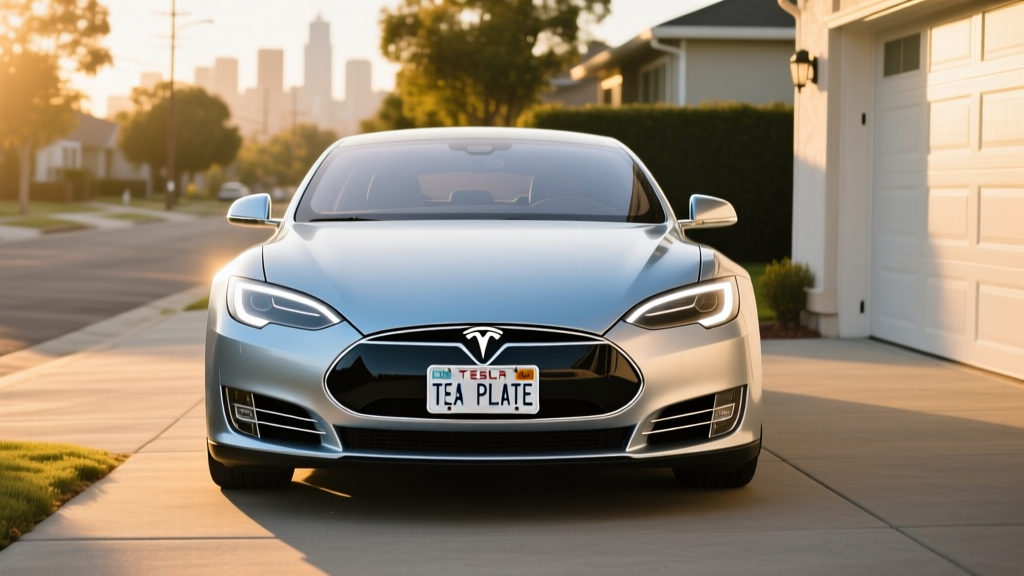
The term "Tesla plate" typically refers to one of three things: a license plate frame designed for Tesla's minimalist bumper styling, a front plate mounting bracket (required in states like California, New York, and Texas), or a plate cover for weather and debris protection. Tesla's factory frames are deliberately slim and logo-free, so the aftermarket has stepped in with options ranging from carbon-fiber surrounds to stealth brackets that avoid drilling into the bumper.
Before choosing a frame, it's worth understanding the vehicle platform you're working with. The Tesla Model 3 Highland refresh and the Model Y Juniper update both feature revised bumper geometries that affect plate-mount compatibility.
2026 Tesla Model Lineup: Range, Battery & Efficiency
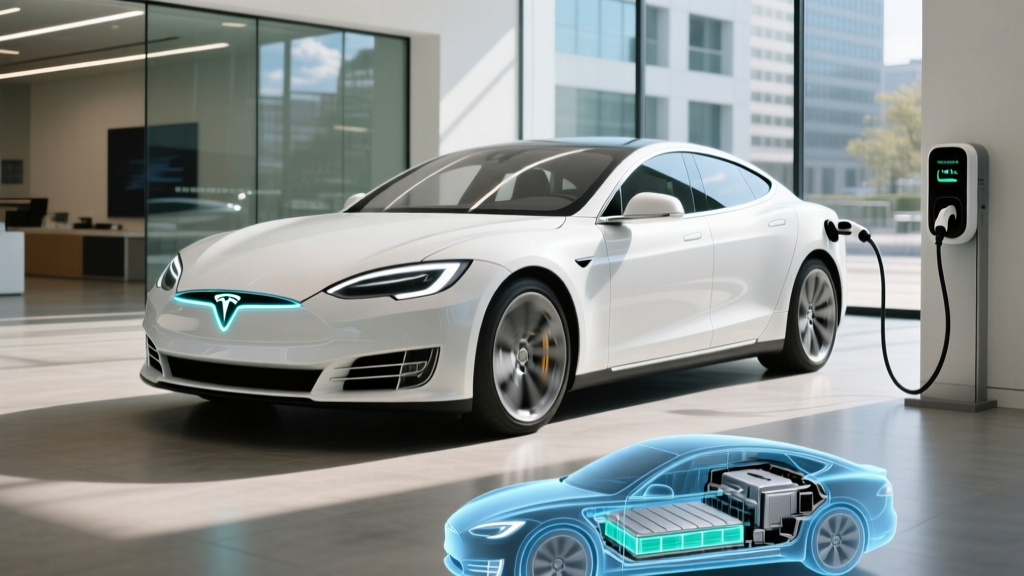
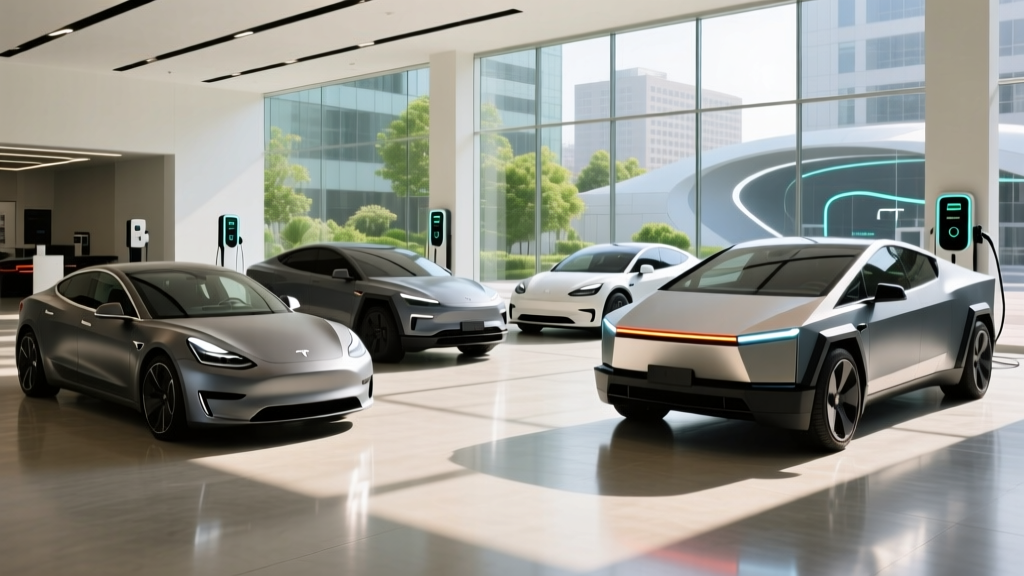
Tesla's current U.S. lineup includes the Model 3, Model Y, Model S, Model X, and the newly launched Cybertruck. Here's how the volume sellers stack up on the metrics that matter most.
| Spec | Model 3 Long Range AWD | Model Y Long Range AWD |
|---|---|---|
| EPA Range | 341 miles | 320 miles |
| Battery (usable) | ~79 kWh (NMC) | ~79 kWh (NMC) |
| Efficiency | 132 MPGe / 25 kWh/100mi | 122 MPGe / 28 kWh/100mi |
| Peak DC Fast Charge | 250 kW | 250 kW |
| 10–80% DC Time | ~25 minutes | ~27 minutes |
| Level 2 Home Rate | 11.5 kW (~44 mi/hr) | 11.5 kW (~44 mi/hr) |
| 0–60 mph | 4.2 seconds | 4.8 seconds |
| Horsepower | ~346 hp | ~384 hp |
| Drivetrain | Dual-Motor AWD | Dual-Motor AWD |
| Battery Warranty | 8 yr / 120,000 mi | 8 yr / 120,000 mi |
The RWD Model 3 uses a ~60 kWh LFP (lithium iron phosphate) battery, which trades some energy density for longer cycle life and the ability to charge to 100% daily without accelerated degradation. If your commute is under 50 miles round-trip and you want lower cost, the LFP RWD at 272 miles EPA is a strong pick.
EPA estimates assume a mix of city and highway driving at moderate temperatures. In our testing, expect:
- Highway (75 mph, 70°F): ~85–90% of EPA, so roughly 290–305 miles for the Model 3 LR
- Cold weather (30°F, highway): ~65–75% of EPA due to cabin heating and battery resistance — plan for 220–255 miles
- City/regen-heavy driving: Can match or slightly exceed EPA thanks to aggressive regenerative braking
Always precondition your battery before DC fast charging — Tesla's navigation system does this automatically when you route to a Supercharger.
Charging Speed & Infrastructure: Supercharger Advantage
Tesla's Supercharger network remains the most reliable DC fast-charging ecosystem in North America, with over 6,500 stalls in the U.S. as of early 2026. Here's what charging actually looks like across the three levels.
| Level | Power (kW) | Miles Added per Hour | Best Use Case |
|---|---|---|---|
| Level 1 (120V) | ~1.4 kW | ~3–5 mi/hr | Overnight trickle, emergencies |
| Level 2 (240V, 48A) | 11.5 kW | ~44 mi/hr | Daily home charging |
| DC Fast (V3 Supercharger) | Up to 250 kW | ~1,000 mi/hr (peak) | Road trips, quick top-ups |
Charging curve reality: The 250 kW peak is only sustained between roughly 10–30% State of Charge (SoC). Above 50%, the rate tapers to ~100 kW, and above 80% it drops further to protect the battery. That 10–80% time of ~25 minutes assumes you arrive at a low SoC with a preconditioned battery. Pulling into a Supercharger at 60% SoC without preconditioning? Expect significantly slower speeds.
With the industry's shift to NACS (North American Charging Standard), Tesla owners now have native access to the Supercharger network without adapters, while competitors like Ford, Rivian, and GM are gaining access via NACS adapters. This remains a significant ownership advantage.
2026 Pricing, Trims & Federal Tax Credit Eligibility
Tesla pricing has stabilized after years of volatility. Here's where the lineup sits for 2026 model year.
| Model / Trim | Base MSRP | Federal Credit (§30D) | Effective Price |
|---|---|---|---|
| Model 3 RWD | $38,990 | Up to $7,500* | ~$31,490* |
| Model 3 Long Range AWD | $45,490 | Up to $7,500* | ~$37,990* |
| Model 3 Performance | $52,990 | Up to $7,500* | ~$45,490* |
| Model Y Long Range AWD | $44,990 | Up to $7,500* | ~$37,490* |
| Model Y Performance | $51,490 | Up to $7,500* | ~$43,990* |
*Federal tax credit eligibility under IRS §30D is not guaranteed for every buyer. Requirements include:
- Buyer income caps: AGI ≤ $150,000 (single), $225,000 (head of household), $300,000 (joint)
- MSRP caps: ≤ $55,000 for sedans (Model 3), ≤ $80,000 for SUVs/trucks (Model Y, Cybertruck)
- Battery sourcing: Critical minerals and battery components must meet escalating domestic-content thresholds — Tesla's U.S.-built battery cells generally qualify, but always verify at the point of sale
- Point-of-sale transfer: As of 2024+, you can transfer the credit to the dealer at purchase, reducing your out-of-pocket cost immediately rather than waiting for tax filing
Consult a tax professional and check the fueleconomy.gov credit tracker for real-time eligibility.
Tech, Interior & Cargo: What Daily Ownership Feels Like
The Model 3 Highland and Model Y Juniper updates brought meaningful refinements: ventilated front seats, ambient lighting, a rear touchscreen for passengers, acoustic glass, and revised suspension tuning that dramatically improves ride quality over pre-2024 models.
Cargo volume:
- Model 3: 23 cu ft trunk + ~3 cu ft frunk — adequate for weekly groceries and two carry-ons
- Model Y: 30 cu ft behind second row, 72 cu ft folded + ~4 cu ft frunk — genuine family-crossover utility
Driver assistance: Tesla's Autopilot comes standard with adaptive cruise and lane-keeping. Full Self-Driving (Supervised) remains a SAE Level 2 system — meaning you must remain fully engaged, hands on or near the wheel, eyes on the road. It is not autonomous driving. FSD Supervised costs $8,000 upfront or $99/month and adds features like automated lane changes and traffic-light recognition, but it does not replace an attentive driver.
Despite the name, Tesla FSD is a Level 2 driver-assist system. The driver is legally and practically responsible for all vehicle operation at all times. Level 4 autonomy (no driver needed) currently exists only in geofenced robotaxi services like Waymo, not in consumer vehicles.
Tesla Plate Frame & Mounting: What Actually Fits
Now to the accessory question that brought you here. Tesla's bumper design creates specific challenges for plate mounting:
- Model 3 Highland: The lower bumper intake is narrower than pre-refresh models. Adhesive-mount front plate brackets (no drilling) are the most popular solution — look for 3M VHB tape-rated mounts specific to the 2024+ body.
- Model Y Juniper: The revised front fascia has a slightly recessed plate area. OEM Tesla front plate brackets are available through service centers, but many owners prefer aftermarket "no-drill" brackets that clip into the grille mesh.
- Rear plates: All Tesla models have standard rear plate mounting points. Slim carbon-fiber or matte-black frames preserve the minimalist look — avoid bulky dealer-style frames that can partially obscure backup camera sightlines.
- Camera/sensor clearance: Never install a plate frame or cover that extends above the plate's top edge on the front bumper — it can obstruct the forward-facing camera pod on older models or the revised camera housing on Highland/Juniper.
Who Should Buy a Tesla in 2026?
- You want access to the most reliable DC fast-charging network without adapters
- You can install a Level 2 home charger (240V/48A circuit) for ~$500–$1,500
- Software updates, app integration, and over-the-air improvements matter to you
- You value efficiency — Tesla's kWh/mile figures lead the industry
- You need a traditional instrument cluster or physical buttons (try Hyundai Ioniq 6 or BMW i4)
- You want a longer warranty — Hyundai/Kia offer 10-year/100,000-mile battery coverage
- You need three rows of seating (Kia EV9, Rivian R1S)
- Build quality and panel-gap consistency are top priorities — Tesla has improved but still draws criticism
- Best-in-class Supercharger network (6,500+ U.S. stalls)
- Industry-leading efficiency (25–28 kWh/100mi)
- Over-the-air updates continuously add features
- Strong resale value relative to non-Tesla EVs
- 250 kW DC fast charging with preconditioning
- No physical buttons — all controls via touchscreen
- 8-year battery warranty trails Hyundai/Kia's 10-year
- Insurance premiums run 15–30% higher than comparable ICE vehicles
- FSD Supervised costs $8,000 and remains Level 2
- Panel gaps and paint quality still inconsistent on some builds
Frequently Asked Questions
What is the real-world range of the 2026 Model 3 Long Range?
EPA-rated at 341 miles, expect roughly 290–305 miles in warm-weather highway driving at 75 mph. In freezing temperatures, range can drop to 220–255 miles due to battery resistance and cabin heating demands. Preconditioning and seat heaters help mitigate cold-weather losses.
How fast does a Tesla charge at home and on road trips?
On a 240V/48A Level 2 home charger, you'll add about 44 miles of range per hour — a full overnight charge easily replenishes daily driving. At a V3 Supercharger, the 10–80% charge takes approximately 25 minutes with a preconditioned battery, though speeds taper significantly above 80% SoC.
Does the Tesla Model Y qualify for the $7,500 federal tax credit?
It can, but eligibility depends on your adjusted gross income (≤ $300,000 joint filers), the vehicle's MSRP (≤ $80,000 for SUVs), and battery-sourcing requirements. The credit can be transferred at the point of sale to reduce your purchase price immediately. Always verify current eligibility on irs.gov and with your tax professional.
Is a Tesla worth it vs. the Hyundai Ioniq 5 or Ford Mustang Mach-E?
Tesla wins on charging infrastructure, efficiency, and software. The Ioniq 5 offers 800V architecture (faster peak charging on compatible chargers), physical buttons, and a 10-year battery warranty. The Mach-E appeals with more traditional crossover styling and a lower entry price. If Supercharger access is your priority, Tesla still holds the edge — though competitors are gaining NACS access through 2026.
What's the best Tesla plate frame or front mount?
For the Model 3 Highland and Model Y Juniper, adhesive-mount "no-drill" front brackets are the safest option — they avoid bumper drilling and can be removed without damage. For rear plates, slim matte-black or carbon-fiber frames that don't extend beyond the plate boundary maintain camera clearance and Tesla's clean aesthetic. Always confirm fitment for your specific model year, as bumper geometry changed with the Highland and Juniper refreshes.