Tesla Arrives in the Philippines: What Buyers Actually Get in 2026
Since officially launching in the Philippine market, Tesla has reshaped the premium EV conversation in Southeast Asia. Filipino buyers now have direct access to the Tesla Model 3 and Tesla Model Y — the two vehicles that account for the vast majority of global Tesla deliveries. But buying a Tesla in the Philippines involves a different calculus than buying one in the United States: pricing reflects import duties, charging infrastructure is still maturing outside Metro Manila, and U.S. federal tax credits don't apply to Philippine-registered vehicles.
This guide breaks down the 2026 Tesla Philippines lineup with the exact numbers that matter — EPA-verified range, battery chemistry, DC fast-charge speeds, real-world efficiency, and total ownership cost — so you can decide whether a Tesla makes sense on Philippine roads.
2026 Tesla Model 3: The Philippine Sedan Benchmark
The refreshed Model 3 (internally called "Highland") continues into the 2026 model year with minor software and efficiency tweaks. It remains Tesla's entry point and the most affordable way into the Supercharger network in the Philippines.
| Spec | RWD (Standard) | Long Range AWD | Performance |
|---|---|---|---|
| EPA Range | 272 mi (438 km) | 341 mi (549 km) | 315 mi (507 km) |
| Battery (usable) | ~57.5 kWh (LFP) | ~75 kWh (NMC) | ~75 kWh (NMC) |
| Motor / Drivetrain | Single RWD, 271 hp | Dual AWD, 346 hp | Dual AWD, 510 hp |
| 0–60 mph | 5.8 sec | 4.2 sec | 2.9 sec |
| Efficiency (MPGe) | 132 MPGe (25 kWh/100mi) | 134 MPGe (25 kWh/100mi) | 121 MPGe (28 kWh/100mi) |
| Max DC Fast Charge | 170 kW | 250 kW | 250 kW |
| 10–80% DC Time | ~28 min | ~22 min | ~22 min |
| Level 2 Home Rate | 11.5 kW (~44 mi/hr) | 11.5 kW (~44 mi/hr) | 11.5 kW (~44 mi/hr) |
| Cargo Volume | 23 cu ft (trunk + frunk combined) | ||
| Rear Legroom | 35.3 in | ||
| Battery Warranty | 8 yr / 120,000 mi (193,000 km), ≥70% retention | ||
2026 Tesla Model Y: The Philippine Family Crossover
The Model Y is the more practical choice for Filipino families, offering substantially more cargo space and available seven-seat configuration. It shares its platform with the Model 3 but rides higher and hauls more.
| Spec | RWD | Long Range AWD | Performance |
|---|---|---|---|
| EPA Range | 260 mi (418 km) | 310 mi (499 km) | 285 mi (459 km) |
| Battery (usable) | ~57.5 kWh (LFP) | ~75 kWh (NMC) | ~75 kWh (NMC) |
| Motor / Drivetrain | Single RWD, 295 hp | Dual AWD, 384 hp | Dual AWD, 510 hp |
| 0–60 mph | 6.6 sec | 4.8 sec | 3.5 sec |
| Efficiency (MPGe) | 123 MPGe (27 kWh/100mi) | 122 MPGe (28 kWh/100mi) | 115 MPGe (30 kWh/100mi) |
| Max DC Fast Charge | 170 kW | 250 kW | 250 kW |
| 10–80% DC Time | ~28 min | ~22 min | ~22 min |
| Level 2 Home Rate | 11.5 kW (~37 mi/hr) | 11.5 kW (~37 mi/hr) | 11.5 kW (~37 mi/hr) |
| Cargo Volume | 76 cu ft (rear seats folded, incl. frunk) | ||
| Rear Legroom | 41.6 in | ||
| Battery Warranty | 8 yr / 120,000 mi (193,000 km), ≥70% retention | ||
Charging in the Philippines: Superchargers, Home Setup, and CCS
Tesla's Supercharger network in the Philippines has expanded since market entry, with stations strategically placed in Metro Manila, along SLEX to Laguna, and key routes toward Pampanga and Batangas. However, coverage outside Luzon remains limited as of early 2026.
| Level | Power | Speed (Model 3 LR) | Availability |
|---|---|---|---|
| Level 1 (standard outlet) | ~1.4 kW (120V) / ~2.3 kW (220V PH) | ~5–9 mi/hr | Any household outlet; very slow |
| Level 2 (Tesla Wall Connector) | 11.5 kW (single-phase PH) | ~44 mi/hr | Home install; requires dedicated 50A circuit |
| DC Fast (Supercharger V3) | Up to 250 kW | 10–80% in ~22 min | Tesla Supercharger stations in PH |
| DC Fast (CCS2 third-party) | 50–180 kW typical | 10–80% in 25–45 min | Growing PH public networks; adapter required for older Teslas |
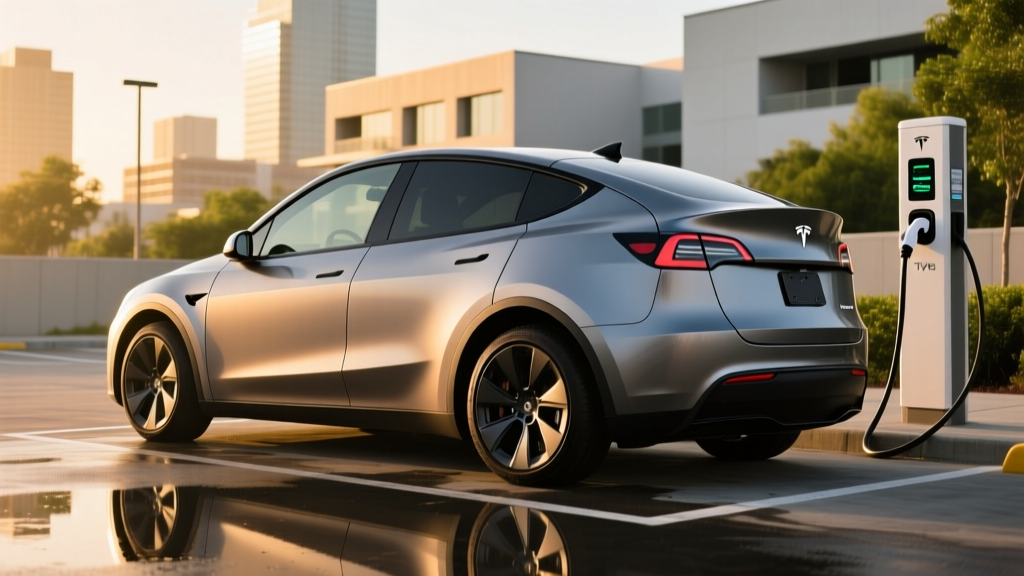
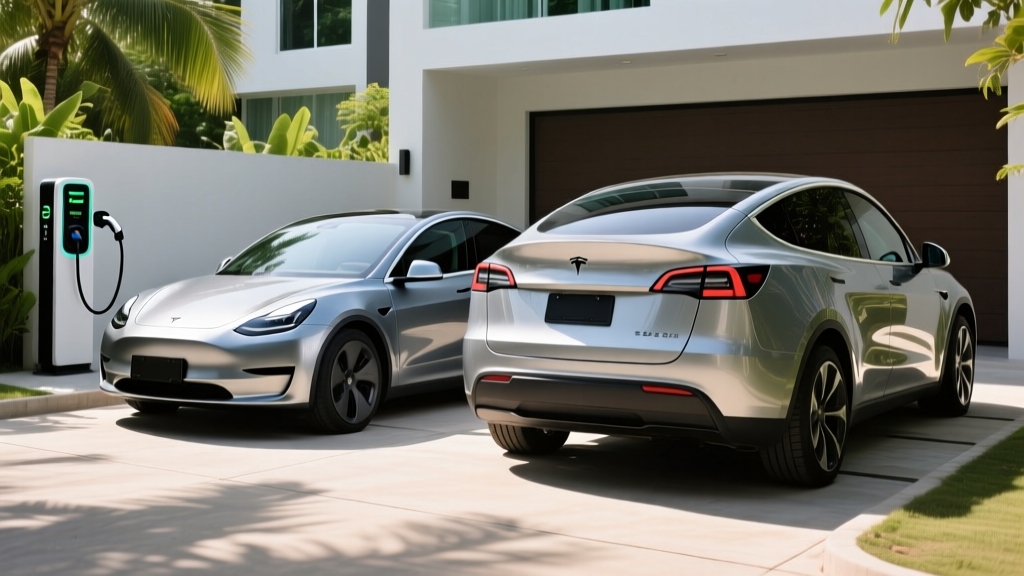
Home charging reality: Most Philippine homes have single-phase 230V service. A Tesla Wall Connector on a dedicated 50A circuit delivers up to 11.5 kW — enough to fully recharge a Model 3 RWD overnight in roughly 6 hours. Installation cost varies widely: expect ₱30,000–₱80,000 for a straightforward install, but older homes may require a panel upgrade (₱50,000–₱150,000+). Always hire a licensed Filipino electrician familiar with EV loads.
Charging curve reality: The 250 kW peak rate on Long Range and Performance trims is only sustained between roughly 10–30% State of Charge (SoC). Above 50%, the rate tapers significantly — by 80%, you're typically seeing 40–60 kW. This means the advertised 10–80% time of ~22 minutes is accurate, but an 80–100% top-off can add another 25–30 minutes. For road trips, plan stops around the 10–80% window to minimize charging time.
Tesla Philippines Pricing: What You'll Actually Pay
Tesla's Philippine pricing includes import duties, VAT, and shipping. Unlike the U.S. market, Philippine buyers cannot claim the IRS §30D federal EV tax credit — that credit is exclusively for U.S. taxpayers purchasing vehicles for use in the United States, subject to MSRP caps ($55,000 for sedans, $80,000 for SUVs/vans/trucks), buyer income limits ($150K single / $300K joint), and battery critical-mineral sourcing requirements (IRS §30D rules).
However, Philippine buyers benefit from Executive Order No. 486, which reduces import tariffs on certain electric vehicles to 0% (subject to eligibility and program duration). Additionally, EVs are exempt from the number-coding scheme in Metro Manila under the EVIDA law (RA 11697) — a significant daily convenience benefit.
| Model / Trim | Estimated Price (₱) | U.S. MSRP Reference | PH Tax Credit |
|---|---|---|---|
| Model 3 RWD | ~₱2,398,000 | $38,990 | None (PH buyer) |
| Model 3 Long Range AWD | ~₱2,888,000 | $47,740 | None (PH buyer) |
| Model 3 Performance | ~₱3,398,000 | $54,990 | None (PH buyer) |
| Model Y RWD | ~₱2,498,000 | $44,990 | None (PH buyer) |
| Model Y Long Range AWD | ~₱2,998,000 | $49,990 | None (PH buyer) |
| Model Y Performance | ~₱3,598,000 | $54,990 | None (PH buyer) |
Prices are estimates based on Tesla's Philippine ordering portal and may vary with currency fluctuation, destination charges, and optional paint/wheel/interior upgrades. FSD (Supervised) adds approximately $8,000 (₱450,000+) to any trim.
Tech, Autopilot, and the Philippine Driving Experience
Every 2026 Tesla sold in the Philippines includes Basic Autopilot — a Level 2 driver-assistance system providing adaptive cruise control and lane-keeping on marked roads. Tesla's optional FSD (Supervised) adds automated lane changes, traffic-light recognition, and city-street navigation, but it remains a SAE Level 2 system: the driver must maintain full attention and hands-on-wheel readiness at all times.
Philippine-specific tech considerations:
- Navigation: Tesla's built-in maps cover Philippine roads, but real-time traffic data accuracy outside Metro Manila can lag behind Waze, which many Filipino drivers prefer via phone mount.
- Ground clearance: Model 3 offers 5.5 inches; Model Y offers 6.6 inches. Flooding during typhoon season remains a concern — Tesla does not publish a wading depth rating, and submerging the battery pack risks catastrophic damage not covered by warranty.
- Infotainment: The 15.4-inch center screen handles all vehicle controls (no physical instrument cluster). Spotify, YouTube, and Netflix are built in for parked entertainment. No Apple CarPlay or Android Auto — a dealbreaker for some buyers accustomed to phone-mirroring.
- Over-the-air updates: Tesla pushes regular software updates in the Philippines, adding features and refining efficiency — a genuine advantage over legacy competitors.
Tesla vs. Competitors in the Philippine EV Market
The Philippine EV market in 2026 includes growing competition from Chinese and Korean brands. Here's how the Tesla Model Y Long Range stacks up:
| Attribute | Tesla Model Y LR | BYD Atto 3 | Hyundai Ioniq 5 LR |
|---|---|---|---|
| EPA/WLTP Range | 310 mi EPA (499 km) | ~420 km WLTP | 303 mi EPA (488 km) |
| Battery | 75 kWh NMC | 60.5 kWh LFP (Blade) | 77.4 kWh NMC |
| DC Fast Charge (peak) | 250 kW | 88 kW | 233 kW |
| 10–80% Time | ~22 min | ~42 min | ~18 min |
| Charging Network | Tesla Supercharger (PH) | Third-party CCS only | Third-party CCS only |
| Cargo (rear folded) | 76 cu ft | ~48 cu ft | 59 cu ft |
| Est. PH Price | ~₱2,998,000 | ~₱1,890,000 | ~₱2,800,000 |
Key takeaway: Tesla's Supercharger network and superior DC charge speeds are its strongest competitive moat in the Philippines. The BYD Atto 3 undercuts on price significantly but charges at less than half the speed. The Ioniq 5 is a close competitor on tech and charging but lacks a proprietary network.
Ownership Costs: Electricity, Maintenance, and Insurance
One of the strongest arguments for a Tesla in the Philippines is operating cost. With Meralco residential rates averaging ₱12–₱14 per kWh in 2026, a full Model 3 Long Range charge (75 kWh) costs roughly ₱900–₱1,050 — yielding a per-kilometer cost of approximately ₱1.65–₱1.92. A comparable gasoline sedan burning fuel at ₱70/liter and achieving 10 km/L costs ₱7.00/km — roughly 4x more expensive per kilometer.
Maintenance: Teslas require no oil changes, no spark plugs, and minimal brake wear (regenerative braking handles most deceleration). Annual service typically involves cabin air filter replacement, tire rotation, and fluid top-offs — budget ₱15,000–₱25,000/year versus ₱40,000–₱80,000 for a comparable BMW or Mercedes.
Insurance: Comprehensive EV insurance in the Philippines remains more expensive than for ICE equivalents — expect 20–40% higher premiums due to battery replacement cost risk and limited local body-shop expertise. Budget ₱80,000–₱140,000/year for comprehensive coverage on a Model Y.
Battery longevity: Tesla's LFP batteries (RWD trims) are rated for 3,000+ full charge cycles with minimal degradation. NMC batteries (Long Range/Performance) typically retain 90%+ capacity at 100,000 miles based on fleet data. The 8-year/120,000-mile warranty covers capacity below 70% — and per fueleconomy.gov, real-world degradation data from high-mileage Tesla fleets supports long-term durability.
Pros — Tesla in the Philippines
- Supercharger network growing across Luzon
- Industry-leading DC fast-charge speeds (250 kW)
- Lowest per-km operating cost in the premium segment
- OTA software updates add features post-purchase
- Exempt from Metro Manila number coding (EVIDA law)
- Best-in-class cargo space (Model Y)
- Strong resale value relative to Chinese EV competitors
Cons — Tesla in the Philippines
- No U.S. federal tax credit for PH-registered purchases
- Limited Supercharger coverage outside Luzon
- No Apple CarPlay / Android Auto
- Flood risk — no published wading depth rating
- Higher insurance premiums than ICE equivalents
- Limited authorized service centers outside Metro Manila
- FSD (Supervised) is expensive and still requires full driver attention
Who Should Buy a Tesla in the Philippines?
Choose the Tesla Model 3 if: You commute within Metro Manila or nearby provinces, want the lowest entry price, don't need cargo space, and value efficiency above all else. The RWD trim with LFP battery is ideal for daily city driving with home charging.
Choose the Tesla Model Y if: You need family seating for 5 (or optional 7), regularly haul cargo, take weekend road trips to Baguio or Batangas, and want AWD capability for mountain roads. The Long Range AWD is the best all-around Philippine spec.
Consider a competitor if: You live outside Luzon where Supercharger coverage is sparse, you need Apple CarPlay, your budget is under ₱2 million (look at BYD), or you need proven flood-wading capability.
Frequently Asked Questions
What is the real-world range of a Tesla in the Philippines?
In tropical Philippine conditions (heavy traffic, constant AC, flat terrain), expect 85–92% of EPA-rated range in city driving and 80–88% on expressways at 100+ km/h. The Model 3 Long Range delivers roughly 280–310 real-world miles; the Model Y Long Range yields 250–275 miles. Heat causes less range loss than cold weather, but sustained high-speed driving is the primary range killer.
How fast does a Tesla charge at home and on the road in the Philippines?
At home on a Level 2 Tesla Wall Connector (11.5 kW), a Model 3 Long Range gains ~44 miles of range per hour — a full charge takes about 7 hours from empty. On Tesla Superchargers in the Philippines, Long Range and Performance trims peak at 250 kW, achieving a 10–80% charge in approximately 22 minutes. The RWD (LFP) trims peak at 170 kW, taking ~28 minutes for the same window.
Do Philippine Tesla buyers qualify for the U.S. federal EV tax credit?
No. The IRS §30D Clean Vehicle Credit is only available to U.S. taxpayers who purchase a qualifying vehicle for primary use in the United States. Philippine residents registering their Tesla in the Philippines are not eligible. However, Philippine buyers may benefit from the EVIDA law's tax incentives and number-coding exemption — consult a local tax professional for current eligibility.
Is Tesla's Autopilot self-driving on Philippine roads?
No. Tesla Autopilot and the optional FSD (Supervised) are SAE Level 2 driver-assistance systems. They provide steering and speed assistance on marked roads but require the driver to remain fully attentive with hands on the wheel. Philippine road conditions — unpredictable jeepney stops, unmarked lanes, pedestrians on expressways — demand constant driver vigilance. Tesla's system is an aid, not a replacement for an engaged driver.
How does Tesla service work in the Philippines?
Tesla operates service centers in Metro Manila, with mobile Ranger service available for minor repairs in select areas. Major collision or battery work may require transport to the nearest authorized facility. Service appointment wait times can stretch 2–4 weeks for non-urgent work. Parts availability has improved since market launch but still lags behind established brands with local dealer networks.
Is a Tesla worth buying in the Philippines vs. a BYD or Hyundai?
If charging speed and network access are priorities, Tesla remains the strongest choice — the Supercharger network and 250 kW DC capability have no local rival. If budget is the primary concern, the BYD Atto 3 at ~₱1.89M offers solid range and value. The Hyundai Ioniq 5 competes closely on tech and charges nearly as fast but relies on third-party chargers. For a comprehensive comparison, see the EPA fuel economy comparison tool.