Why Palo Alto Still Matters to Every Model Y Buyer
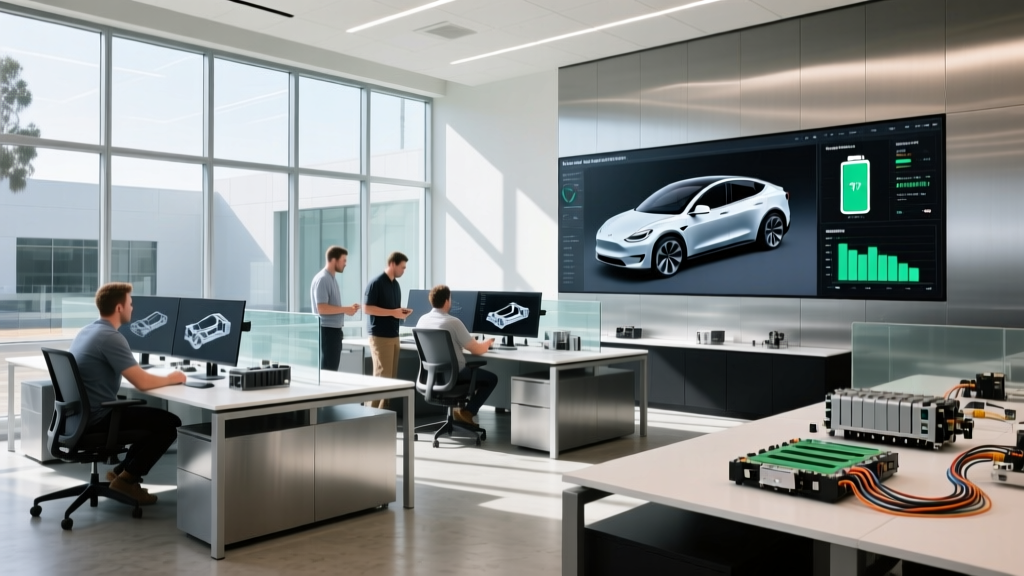
Before a single Model Y rolls off the line at Giga Texas or Giga Shanghai, its software, driver-assistance neural networks, and powertrain calibration trace back to the tesla motors palo alto office — the engineering campus at 1501 Page Mill Road where Tesla's core vehicle software, Autopilot/FSD teams, and energy-product engineers have operated since 2009. For buyers, that matters: the Palo Alto campus is where over-the-air updates originate, where efficiency gains are validated, and where the 2026 Model Y "Juniper" refresh was largely finalized.
This review evaluates the 2026 Tesla Model Y through the lens of what that engineering hub actually delivers to owners: real-world range honesty, charging speed you can bank on, and a tax-credit picture that's more nuanced than the headlines suggest.
2026 Model Y Core Specifications
| Attribute | Long Range AWD | Performance AWD | RWD (Standard) |
|---|---|---|---|
| EPA Range | 320 mi | 295 mi | 300 mi |
| Battery (usable) | ~78 kWh, NMC | ~78 kWh, NMC | ~60 kWh, LFP |
| Peak DC Fast Charge | 250 kW | 250 kW | 175 kW |
| 10–80% DCFC Time | ~25 min | ~25 min | ~30 min |
| Level 2 Rate (11.5 kW) | ~37 mi/hr | ~37 mi/hr | ~30 mi/hr |
| 0–60 mph | 4.8 sec | 3.5 sec | 6.6 sec |
| Horsepower | ~384 hp | ~456 hp | ~295 hp |
| Drivetrain | Dual-motor AWD | Dual-motor AWD | RWD |
| EPA Efficiency | 122 MPGe (28 kWh/100mi) | 111 MPGe | 128 MPGe |
| Cargo (rear up / folded) | 30 / 72 cu ft | 30 / 72 cu ft | 30 / 72 cu ft |
| Base MSRP | $48,990 | $53,990 | $44,990 |
Sources: fueleconomy.gov, Tesla.com configurator (2026 model year).
Real-World Range: What the EPA Sticker Doesn't Tell You
Expect ~265–285 mi on sustained 70–80 mph highway runs in mild weather. In sub-30°F winters, plan for 220–245 mi unless you precondition at a Supercharger. City/regen-heavy driving can exceed EPA, occasionally hitting 330+ mi in stop-and-go 50°F conditions.
The Palo Alto powertrain team's efficiency work shows in the Model Y's 28 kWh/100mi figure — best-in-class among compact electric SUVs. But physics still wins on the highway. Aerodynamic drag rises with the square of speed, and the Model Y's 0.23 Cd can't fully offset 80-mph cruising. Cold weather adds cabin-heating load (the heat pump helps, but isn't free) and raises internal battery resistance, temporarily reducing regen effectiveness.
For road-trippers, the practical planning number is ~250 usable miles between stops in mixed conditions, which aligns perfectly with Tesla's Supercharger spacing on most US corridors.
Charging Speed and the Supercharger Advantage
| Level | Power | Miles Added | Typical Use |
|---|---|---|---|
| Level 1 (120V) | ~1.4 kW | ~4 mi/hr | Emergency / overnight trickle |
| Level 2 (240V, 48A) | 11.5 kW | ~37 mi/hr | Home Wall Connector |
| DC Fast (V3 Supercharger) | Peak 250 kW | ~180 mi in 15 min | Road trips |
| DC Fast (V4 Supercharger) | Peak 250 kW | Similar; better sustained curve | Newer corridors |
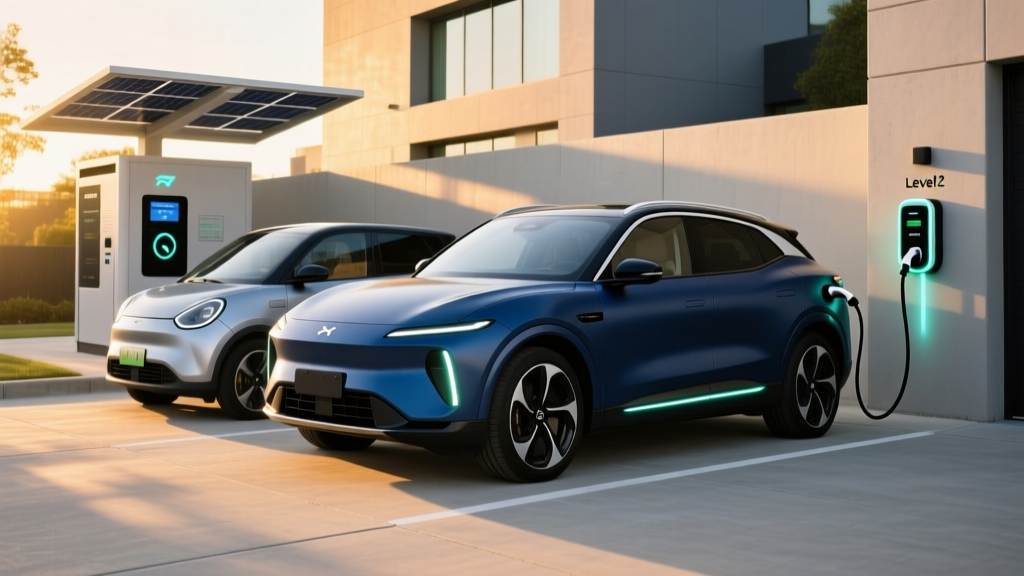
The critical detail Palo Alto's charging team has optimized is the charge curve, not just peak kW. The Long Range Model Y sustains roughly 200+ kW from 10–45% SoC, then tapers progressively. You'll see 250 kW only briefly near the low end. This is why 10–80% takes ~25 minutes rather than the ~19 minutes a flat 250 kW would suggest.
With the Model Y's factory NACS connector, you get native access to 20,000+ Tesla Superchargers plus, via the opened network, most major non-Tesla chargers without an adapter. For Long Range trims, preconditioning the battery (automatic when navigating to a Supercharger) can shave 5–8 minutes off a cold-weather session.
Pricing, Trims, and the Federal Tax Credit Reality
| Trim | MSRP | Est. After-Credit | Credit Eligibility |
|---|---|---|---|
| RWD (LFP) | $44,990 | ~$37,490 | Partial ($3,750) — critical minerals sourcing |
| Long Range AWD | $48,990 | ~$41,490 | Partial to full ($3,750–$7,500) — varies by build month |
| Performance AWD | $53,990 | ~$46,490 | Partial ($3,750) — MSRP under SUV cap, sourcing-dependent |
The IRS §30D rules impose three hard gates: buyer AGI caps ($150k single / $300k joint), vehicle MSRP cap ($80,000 for SUVs — all Model Y trims clear this), and battery component/critical-mineral sourcing thresholds that tighten annually. For 2026, the critical-minerals requirement is 80%, which has periodically reduced the Model Y to the $3,750 partial credit depending on build date and supply-chain shifts. Always verify on the fueleconomy.gov credit lookup for your specific VIN before purchase, and note the credit can now be transferred at point of sale to reduce the purchase price directly.
Driving, Tech, and Daily Ownership
Acceleration is brisk across the board, but the Long Range AWD's 4.8-second 0–60 is the sweet spot — fast enough to merge confidently without the insurance premium spike the Performance trim often triggers. The Juniper refresh brought a quieter cabin (acoustic glass, revised suspension bushings), ventilated front seats, and a rear touchscreen for passengers.
On the Autopilot/FSD front, a critical clarification:
Palo Alto's FSD team has made meaningful progress on urban handling, but real-world behavior still requires active supervision — construction zones, unprotected lefts, and adverse weather remain edge cases. Basic Autopilot (lane-keep + TACC) remains excellent for highway commuting and is included standard.
Pros, Cons, and the Competition
- Best-in-class efficiency (28 kWh/100mi)
- Native NACS + Supercharger network access
- Class-leading cargo volume (72 cu ft)
- Continuous OTA improvements
- Strong resale value relative to EV peers
- FSD subscription ($99/mo) adds cost for Level 2 assist
- Ride quality firm on 20" wheels
- No Apple CarPlay / Android Auto
- Panel gaps still trail legacy OEMs
- Insurance costs above segment average
Versus the Hyundai Ioniq 5, Ford Mustang Mach-E, and BMW iX3, the Model Y's decisive edge is charging infrastructure. If your routine includes regular road trips outside major metros, the Supercharger network remains materially more reliable than third-party CCS networks — though the gap is narrowing as Electrify America and EVgo modernize.
Who Should Buy the 2026 Model Y
Consider the RWD if: you live in mild climates, mostly drive under 40 miles daily, and want the lowest entry price with LFP's longer cycle life.
Look at competitors if: you prioritize ride comfort over efficiency, want Apple CarPlay, or prefer a traditional dealer service experience.
Warranty and Long-Term Battery Outlook
Tesla covers the Model Y battery and drive units for 8 years / 120,000 miles (Long Range/Performance) or 8 years / 100,000 miles (RWD), with a contractual minimum 70% capacity retention. Real-world fleet data from Recurrent and Tesla's own impact reports show NMC packs averaging ~10–12% degradation at 100,000 miles when charged predominantly to 80–90%. The LFP pack in the RWD trim tolerates regular 100% charges and typically shows less measurable degradation — a genuine ownership advantage for high-mileage commuters.
Frequently Asked Questions
What is the real-world range of the 2026 Model Y?
Plan for 265–285 miles highway in mild weather, dropping to 220–245 miles in sub-30°F conditions. City driving with regen often exceeds the 320-mile EPA sticker.
How fast does the Model Y charge at home and on the road?
At home on a 48A Level 2 Wall Connector, expect ~37 miles of range per hour (~8–9 hours for a full charge). On a V3/V4 Supercharger, 10–80% takes roughly 25 minutes, adding about 180 miles in 15 minutes.
Does the 2026 Model Y qualify for the full $7,500 federal tax credit?
Eligibility varies by trim and build month due to critical-mineral sourcing thresholds. Most 2026 Model Y builds qualify for at least $3,750, with some periods hitting $7,500. Verify your VIN on fueleconomy.gov before signing. Income and MSRP caps also apply.
Is the Model Y worth buying vs the Ioniq 5 or Mach-E?
If Supercharger access and efficiency are your top priorities, yes. If you value ride comfort, CarPlay, or dealer service, the Ioniq 5 or Mach-E may suit you better.
What are the biggest ownership costs to budget for?
Insurance (typically $1,800–$2,600/yr depending on state and age), home charger installation ($800–$2,200 one-time), and optional FSD subscription ($99/mo). Electricity cost averages $0.04–$0.06 per mile at home vs $0.12–$0.18/mile at public DC chargers.
How long will the battery last?
Tesla designs packs for 300,000–500,000 miles. Most owners will trade the vehicle before the battery needs replacement. Warranty guarantees 70% retention at 120,000 miles.