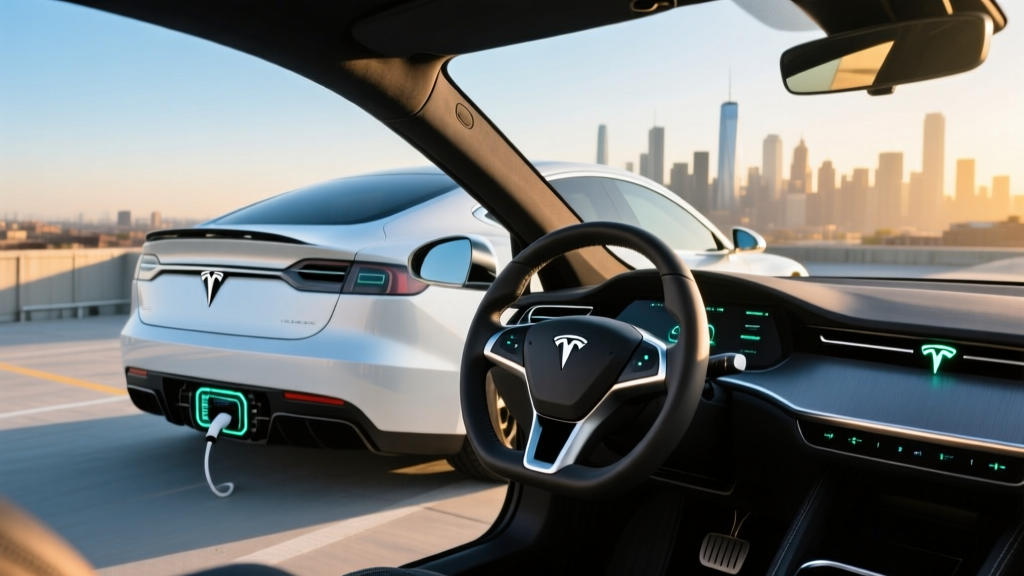
The phrase "Tesla NHTSA deadline extension" has been circulating among current and prospective Tesla owners in early 2026, and for good reason. The National Highway Traffic Safety Administration granted Tesla additional time to complete a software-based remedy tied to its Autopilot driver-monitoring system — a recall that touches a significant portion of the Model 3 fleet. If you're shopping for a 2026 Tesla Model 3 or already own one, understanding what this extension means for your vehicle's safety systems, software updates, and long-term ownership is essential.
But beyond the regulatory headlines, the 2026 Tesla Model 3 remains one of the most efficient, tech-forward, and widely adopted electric sedans on the market. Below, we break down the NHTSA situation, then deliver the full buyer's-guide treatment: real-world range, charging speeds, pricing after federal tax credits, and how the refreshed Model 3 stacks up against the Hyundai Ioniq 6 and BMW i4.
The Tesla NHTSA Deadline Extension Explained
In late 2025, NHTSA opened a recall inquiry into Tesla's Autopilot driver-engagement monitoring, specifically whether the camera-based attention system adequately ensures the driver remains engaged during Level 2 assisted driving. Tesla issued an over-the-air (OTA) software update as a remedy, but the volume of affected vehicles and the complexity of validating the fix led NHTSA to grant a deadline extension into 2026 for full fleet compliance.
For buyers, here's what matters: the remedy is delivered via OTA update — no service center visit required. If you're purchasing a new 2026 Model 3, the updated software is already baked in from the factory. If you own a 2024–2025 Model 3, ensure your vehicle has accepted the latest firmware (version 2026.x or later). The extension simply means Tesla has more time to verify compliance across older vehicles, not that the vehicles are unsafe to drive in the interim.
2026 Tesla Model 3: Specs at a Glance
| Spec | Long Range RWD | Long Range AWD | Performance |
|---|---|---|---|
| EPA Range | 363 mi | 341 mi | 315 mi |
| Battery (usable) | ~75 kWh (NMC) | ~75 kWh (NMC) | ~75 kWh (NMC) |
| Drivetrain | RWD, single motor | AWD, dual motor | AWD, dual motor |
| Horsepower | 271 hp | 346 hp | 510 hp |
| 0–60 mph | 5.8 sec | 4.2 sec | 2.9 sec |
| Max DC Charge Rate | 250 kW | 250 kW | 250 kW |
| 10–80% DC Time | ~25 min | ~25 min | ~25 min |
| MPGe (combined) | 132 MPGe | 121 MPGe | 113 MPGe |
| Base MSRP | $44,130 | $49,130 | $55,130 |
Source: fueleconomy.gov and Tesla specifications. Prices exclude destination fee.
Real-World Range: What the EPA Sticker Doesn't Tell You
Tesla's NMC (nickel manganese cobalt) battery chemistry provides strong energy density, which is why the Model 3 achieves over 4 mi/kWh efficiency — among the best in its class. However, NMC cells are more sensitive to extreme temperatures than LFP (lithium iron phosphate) chemistry. Tesla's heat pump, standard on the refreshed Model 3, mitigates cold-weather losses significantly compared to earlier generations, but physics still applies: sub-freezing commutes will cost you range.
For the Performance trim, the lower 315-mile EPA rating reflects stickier tires, a sportier suspension tune, and more aggressive power delivery. Real-world highway range for the Performance model typically lands around 260–280 miles in moderate weather.
Charging Speed: DC Fast Charging and Home Level 2
| Charging Level | Power | Speed | Notes |
|---|---|---|---|
| Level 1 (120V) | ~1.4 kW | ~3–4 mi/hr | Emergency/trickle only |
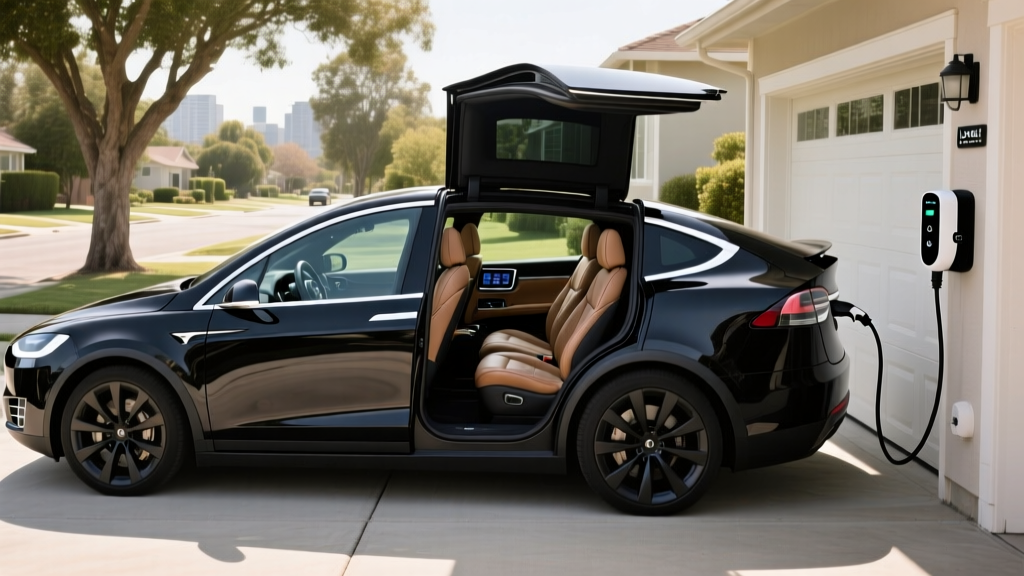
| Level 2 (240V, 48A) | 11.5 kW | ~37 mi/hr | Home Wall Connector; full charge in ~8 hrs |
| DC Fast Charge | Peak 250 kW | 10–80% in ~25 min | Sustained rate tapers above 60% SoC |
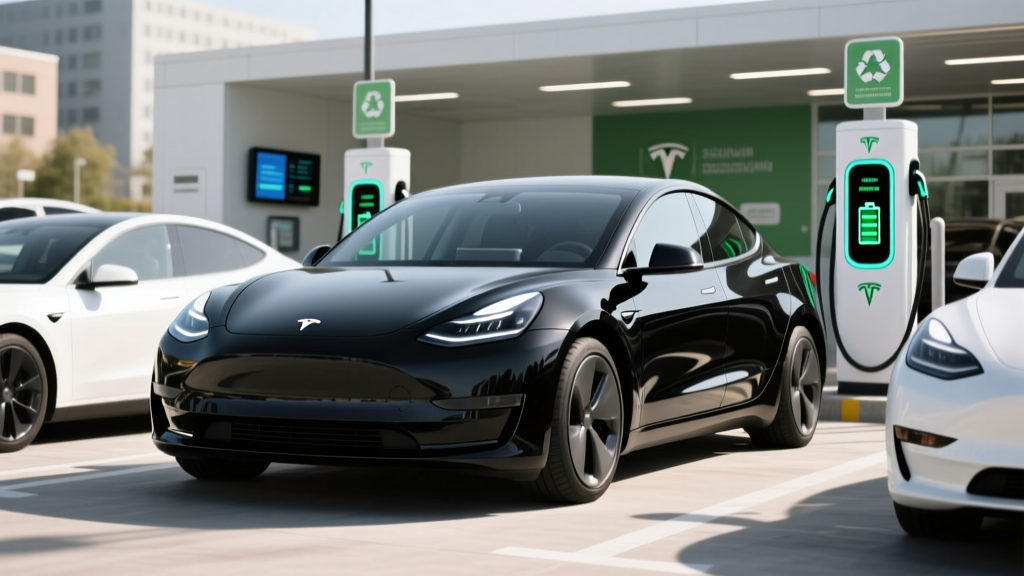
The Model 3's 250 kW peak DC charge rate on V3 Superchargers is strong, but the charge curve matters more than the headline number. In practice, the Model 3 sustains ~170–200 kW from 10–50% SoC, then tapers progressively. If you arrive at a Supercharger with preconditioning enabled (the car navigates to a charger and warms the battery automatically), you'll hit peak rate quickly. Without preconditioning — say, at a non-Tesla CCS station via adapter — expect slower initial ramp-up.
Tesla now ships all new vehicles with a NACS (North American Charging Standard) port natively. For older CCS-equipped public chargers, Tesla sells a CCS adapter. Access to the Tesla Supercharger network remains a major competitive advantage, with over 25,000 stalls in North America and industry-leading uptime reliability.
Pricing, Trims, and Federal Tax Credit Eligibility
| Trim | MSRP | Est. §30D Credit | Effective Price |
|---|---|---|---|
| Long Range RWD | $44,130 | Up to $7,500 | ~$36,630 |
| Long Range AWD | $49,130 | Up to $7,500 | ~$41,630 |
| Performance | $55,130 | Up to $7,500 | ~$47,630 |
Credit amounts depend on meeting all IRS §30D requirements. See checklist below. Point-of-sale transfer is available for 2026, reducing your out-of-pocket at the dealer.
- MSRP cap: Sedans must be ≤ $55,000. The Long Range RWD and AWD qualify; the Performance trim at $55,130 may exceed the cap — confirm with your dealer.
- Income cap: Modified AGI ≤ $150,000 (single), $225,000 (head of household), $300,000 (joint).
- Battery sourcing: Critical minerals and battery components must meet phased-in domestic/free-trade-partner thresholds for 2026. Tesla's supply chain has progressively shifted, but exact eligibility can vary by production batch.
- Point-of-sale transfer: You can transfer the credit to the dealer at purchase, reducing your down payment rather than waiting for a tax refund.
For the latest rules, consult IRS.gov §30D guidance or speak with a tax professional before finalizing your purchase.
Interior, Cargo, and Technology
The refreshed Model 3 interior is a meaningful step up from the pre-2024 cabin. Ventilated front seats, ambient lighting, a rear-seat touchscreen, and improved sound deadening address the most common owner complaints. The minimalist approach remains: a single 15.4-inch center display handles navigation, media, climate, and vehicle settings. No instrument cluster, no stalks — turn signals are on the steering wheel rim.
Cargo volume: 23.1 cu ft trunk + 3.1 cu ft frunk = 26.2 cu ft total. Rear legroom measures 35.3 inches — adequate for adults on shorter trips but tighter than a Hyundai Ioniq 6 (37.4 in) or BMW i4 (36.0 in).
Standout tech:
- Tesla's 15.4-inch touchscreen with responsive, phone-like UI
- OTA software updates that add features post-purchase
- Autopilot standard; FSD (Supervised) available as a $8,000 option or $99/month subscription
- Sentry Mode dashcam recording, Dog Mode climate, and Theater Mode for streaming while parked
- Vehicle-to-load (V2L) capability via the 12V system for low-draw accessories
Notable drawbacks:
- Turn-signal buttons on the steering wheel are divisive and take adaptation
- No Apple CarPlay or Android Auto — Tesla's ecosystem only
- Rear visibility is compromised by the sloping roofline; reliance on the backup camera is heavy
- Ride quality on the Performance trim is firm over broken pavement
Pros and Cons
- Class-leading efficiency (132 MPGe combined, LR RWD)
- Supercharger network access with native NACS
- 363-mile EPA range on Long Range RWD
- Best-in-class OTA update cadence
- Strong resale value relative to EV peers
- Performance trim may exceed $55K MSRP credit cap
- Steering-wheel turn signals require adaptation
- Rear seat legroom trails key competitors
- No Apple CarPlay / Android Auto support
- FSD (Supervised) remains Level 2 — not autonomous
How the Model 3 Compares: Ioniq 6 and BMW i4
| Attribute | 2026 Tesla Model 3 LR | 2026 Hyundai Ioniq 6 SEL | 2026 BMW i4 eDrive40 |
|---|---|---|---|
| EPA Range | 363 mi | 361 mi | 307 mi |
| Max DC Charge | 250 kW | 235 kW | 205 kW |
| 10–80% Time | ~25 min | ~18 min | ~31 min |
| 0–60 mph | 5.8 sec | 6.1 sec | 5.5 sec |
| Rear Legroom | 35.3 in | 37.4 in | 36.0 in |
| Starting MSRP | $44,130 | $42,715 | $57,900 |
| Charging Network | Supercharger (native) | NACS adapter needed | CCS/NACS adapter |
The Ioniq 6 offers slightly faster 10–80% charging (thanks to its 800V architecture) and more rear-seat room, at a lower starting price. The BMW i4 delivers premium build quality and traditional luxury ergonomics but costs significantly more and offers less range. The Model 3's edge remains the Supercharger ecosystem, OTA improvement trajectory, and Tesla's efficiency-per-kWh advantage.
Warranty and Battery Longevity
Tesla covers the Model 3 with:
- Basic vehicle: 4 years / 50,000 miles
- Battery & drive unit: 8 years / 100,000 miles (Long Range); 8 years / 120,000 miles (Performance)
- Capacity retention threshold: 70% during the warranty period
Tesla's NMC battery packs have demonstrated strong longevity in fleet data. Most Model 3 owners report 5–8% degradation at 50,000 miles, with the curve flattening significantly thereafter. For maximum lifespan, Tesla recommends daily charging to 80–90% for NMC chemistry and only charging to 100% when needed for long trips — unlike LFP packs, which tolerate regular 100% charges.
Who Should Buy the 2026 Model 3?
Choose the Model 3 Long Range AWD if: You live in a region with snow or rain and need dual-motor traction without sacrificing too much range. The $5,000 premium is worthwhile for all-weather confidence.
Choose the Model 3 Performance if: You want a sub-3-second 0–60 sedan and don't mind the firmer ride and potential tax-credit ineligibility due to the MSRP cap.
Look elsewhere if: Rear-seat passenger comfort is a priority (Ioniq 6), you want Apple CarPlay, or you prefer a traditional luxury badge and dealer experience (BMW i4).
Frequently Asked Questions
What is the real-world range of the 2026 Tesla Model 3?
The Long Range RWD achieves 363 miles EPA. In real-world highway driving at 70–75 mph, expect ~290–310 miles. Cold weather (below 30°F) can reduce range to ~250–280 miles. City driving with regenerative braking returns results closer to the EPA sticker.
How fast does the Model 3 charge on DC fast chargers and at home?
On a V3 Supercharger (250 kW peak), the Model 3 charges from 10–80% in approximately 25 minutes with battery preconditioning. At home on a Level 2 Tesla Wall Connector (11.5 kW / 48A), you gain roughly 37 miles per hour of charging, reaching a full charge overnight in about 8 hours.
Does the 2026 Model 3 qualify for the $7,500 federal EV tax credit?
The Long Range RWD ($44,130) and Long Range AWD ($49,130) fall under the $55,000 MSRP sedan cap and are potentially eligible for up to $7,500 under IRS §30D, subject to buyer income limits and battery-sourcing requirements. The Performance trim at $55,130 may exceed the cap — verify with your dealer and consult IRS guidance.
What does the Tesla NHTSA deadline extension mean for my purchase?
The extension relates to an Autopilot driver-monitoring recall remedy. New 2026 Model 3 vehicles ship with the updated software already installed. If you're buying used or own a 2024–2025 model, ensure your vehicle has received the latest OTA update. The extension does not indicate a safety defect in the vehicle's structural or electrical systems.
Is the Tesla Model 3 worth buying vs. the Hyundai Ioniq 6?
The Model 3 wins on Supercharger network access, OTA software evolution, and efficiency (132 MPGe vs. 140 MPGe for Ioniq 6 SE — though the Ioniq 6 charges faster on 800V infrastructure). The Ioniq 6 offers more rear legroom and a lower starting price. If charging-network reliability is your top priority, Tesla still leads. If rear-seat comfort and value matter more, test-drive both.
Is Tesla Autopilot or FSD actually self-driving?
No. Both Autopilot and Full Self-Driving (Supervised) are SAE Level 2 driver-assistance systems. You must remain attentive, monitor the road, and be prepared to take control instantly. Tesla's camera-based attention monitoring has been updated as part of the NHTSA recall remedy to more rigorously enforce driver engagement.