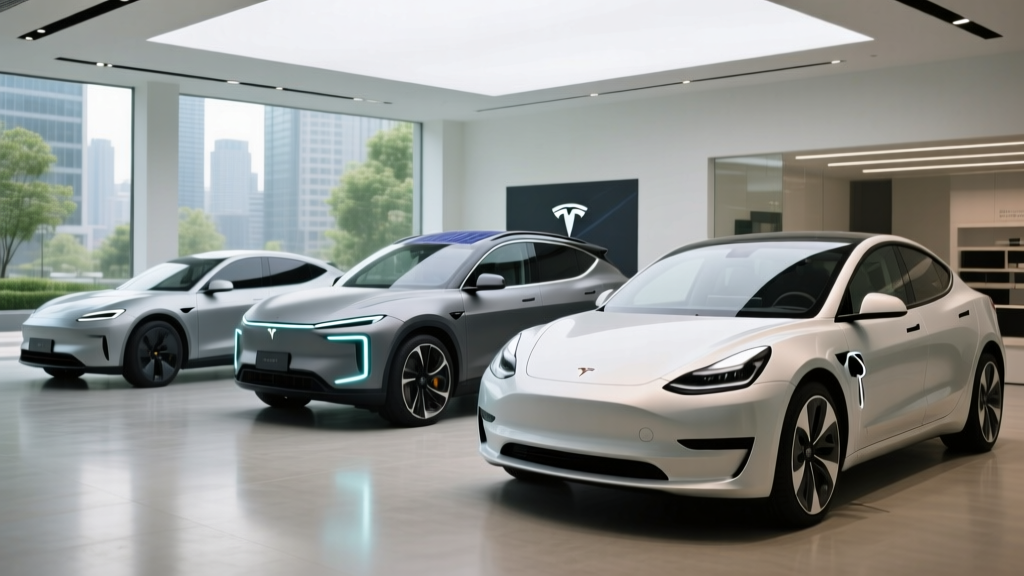
If you have been searching for Tesla new models coming to showrooms, 2026 is the year the lineup finally expands beyond the S/3/X/Y quartet that has carried the brand for half a decade. Between a heavily refreshed Model Y, a long-teased next-generation compact built on a new platform, and the slow-ramp production of the Tesla Semi, there is a lot to unpack — and a lot of marketing noise to cut through.
This guide separates what is actually on sale or in confirmed production from what remains announced or speculative. We will cover EPA-estimated range where published, battery chemistry and capacity, real-world charging behavior, pricing, and the evolving federal tax credit picture under IRS §30D rules for 2026.
Refreshed Model Y (Juniper): The Volume Play
The biggest near-term addition is not an entirely new vehicle but a comprehensive refresh of Tesla's best-selling car globally. Internally codenamed "Juniper," the updated Model Y began deliveries in select markets in early 2025 and rolled into U.S. showrooms through mid-2025 as a 2025/2026 model-year vehicle. If you are shopping today, this is the most relevant "new" Tesla you can actually buy.
| Spec | Long Range AWD | Performance (est.) |
|---|---|---|
| EPA Range | 320 miles | 295 miles |
| Battery (usable) | ~75 kWh, NMC | ~75 kWh, NMC |
| Drivetrain | Dual-motor AWD | Dual-motor AWD |
| 0-60 mph | 4.8 sec | 3.5 sec |
| Horsepower | ~384 hp | ~456 hp |
| Peak DC Charge | 250 kW | 250 kW |
| 10-80% DC Time | ~27 min | ~27 min |
| Level 2 Rate | 11.5 kW (~44 mi/hr) | 11.5 kW (~44 mi/hr) |
| MPGe (combined) | 111 MPGe | 103 MPGe |
| Cargo (rear seats up) | 30.2 cu ft | 30.2 cu ft |
| Cargo (seats folded) | 72.1 cu ft | 72.1 cu ft |
| Base MSRP | $46,630 | $52,130 |
What Actually Changed
The Juniper refresh brought a redesigned front fascia with a full-width light bar (echoing the Cybertruck), a rear light bar, acoustic glass for noticeably quieter cabin noise, ventilated front seats, ambient lighting, a rear-seat touchscreen, and a revised suspension tune that softens the ride over broken pavement. The powertrain is largely carried over, which means charging speeds remain at the proven 250 kW peak on V3 Superchargers.
The interior materials have improved meaningfully — softer-touch surfaces, tighter panel gaps — though the minimalist single-screen philosophy remains. If you have been waiting for Tesla to address the "cheap interior" criticism, Juniper is the closest they have come.
Next-Generation Compact: The $25,000 Tesla (Announced)
This is the vehicle most people mean when they search for Tesla new models coming. Tesla has confirmed a smaller, more affordable vehicle built on a new "next-gen" platform that unifies manufacturing techniques from the Model Y and Cybertruck lines. Elon Musk referenced production beginning in late 2025 or 2026 during multiple earnings calls, but as of early 2026, this vehicle is not yet available for purchase in the U.S.
Estimated Specifications (Preliminary)
- Target base price: ~$25,000-$30,000 MSRP (before incentives)
- EPA range (target): ~250 miles
- Battery: ~50-55 kWh, likely LFP chemistry for cost reduction
- Drivetrain: Single-motor RWD base, AWD possible on higher trims
- Charging: Expected 170-200 kW peak DC; NACS connector standard
- Form factor: Compact hatchback / crossover, smaller than Model Y
The significance of LFP (lithium iron phosphate) chemistry here cannot be overstated. LFP batteries are cheaper to produce, have longer cycle life, and tolerate regular 100% charging without degradation concerns — a major advantage for daily drivers who want to charge to full every night. The trade-off is lower energy density, meaning the pack must be physically larger or the range lower for the same weight. For a compact commuter car, this is an acceptable engineering trade.
Tesla Semi: The Long-Game Commercial EV
The Semi has been in limited production since late 2022, with PepsiCo as the lead customer. For 2026, Tesla is ramping output at its Nevada factory, but this remains a Class 8 commercial vehicle — not a consumer pickup. If you are a fleet operator or logistics planner, the Semi matters. If you are a retail buyer, it does not belong on your shopping list.
- EPA-estimated range: 500 miles (loaded, 80,000 lb GCW)
- Battery: Estimated ~900 kWh, NMC
- Charging: Up to 1 MW (Megacharger network required); ~70% in 30 minutes
- Price: ~$250,000-$290,000 (fleet pricing)
Charging Reality Across the 2026 Tesla Lineup
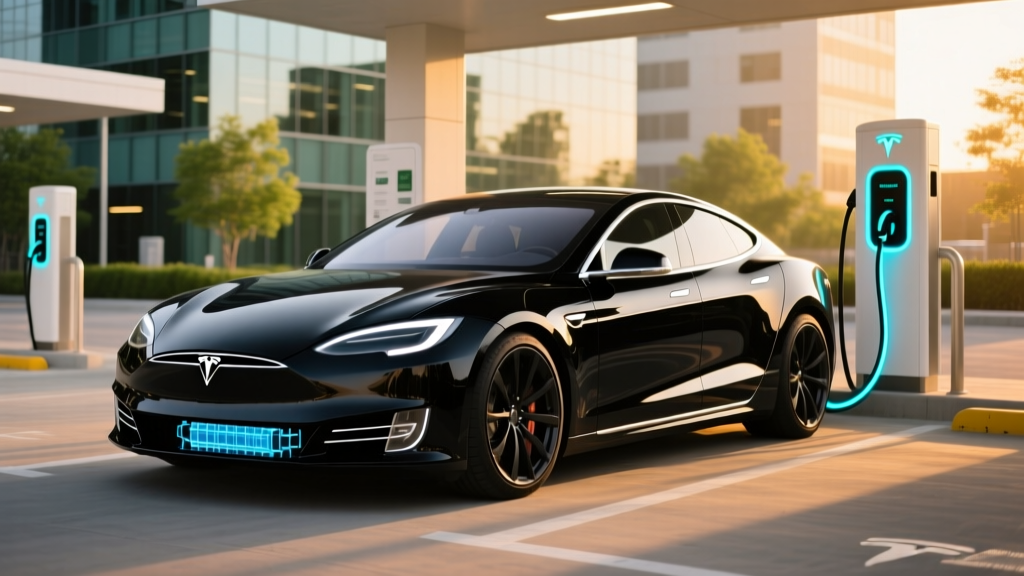
Tesla's Supercharger network remains the strongest DC fast-charging ecosystem in North America, with over 6,000 V3 (250 kW) and a growing number of V4 stalls. Here is what charging actually looks like in practice:
| Level | Power | Miles Added | Notes |
|---|---|---|---|
| Level 1 (120V) | ~1.4 kW | ~4-5 mi/hr | Emergency/trickle only |
| Level 2 (240V home) | 11.5 kW | ~44 mi/hr | Full overnight charge in ~7-8 hrs |
| V3 Supercharger | 250 kW peak | ~180 mi in 15 min | Peak only below 30% SoC; tapers above 60% |
| V4 Supercharger | Up to 350 kW | Model Y limited to 250 kW intake | Future vehicles may use higher rate |
The critical detail most buyers miss: peak kW is not sustained kW. A Model Y hitting 250 kW at 10% state of charge will taper to ~150 kW by 50% and ~75 kW by 80%. The 10-80% time of ~27 minutes reflects this curve. If you routinely charge from 20-90%, add another 10-12 minutes for the final 10% above 80%.
Tax Credit Eligibility: The §30D Picture for 2026
Federal tax credit rules under IRS §30D remain complex and subject to battery-sourcing and critical-mineral requirements that shift annually. Here is where Tesla models stand for 2026:
- Model Y (all trims): Qualifies for up to $7,500, subject to buyer income caps ($150K single / $300K joint AGI) and the $80,000 MSRP cap for SUVs. Base and Long Range trims fall under the cap; heavily optioned Performance builds may approach it.
- Model 3: Up to $7,500; $55,000 MSRP cap for sedans applies.
- Model S / Model X: Exceed MSRP caps — not eligible for the new-vehicle credit.
- Next-gen compact (when available): Strong candidate for full $7,500 given its sub-$35,000 target price, though battery sourcing compliance will depend on Tesla's supply chain at launch.
Since January 2024, buyers can transfer the credit to the dealer as a point-of-sale rebate, reducing the purchase price at delivery rather than waiting for a tax refund. This effectively functions as an instant discount if you qualify.
State and local incentives vary widely and are not covered here. Consult the DOE Alternative Fuels Data Center and a tax professional for your specific situation.
Who Should Buy Which Tesla in 2026?
Choose the Model 3 Highland if: You want a more engaging sedan with slightly better efficiency (122 MPGe combined) and a lower starting price (~$40,000). Better for commuters and couples without large cargo needs.
Wait for the next-gen compact if: Your budget is under $30,000, your daily driving is under 50 miles, and you want a smaller city-friendly EV. Only viable if you can wait for mid-to-late 2026 production and confirmed EPA numbers.
Look outside Tesla if: You want a three-row SUV (Kia EV9), a truck (Ford F-150 Lightning, Rivian R1T), or a luxury sedan with a traditional interior layout (Lucid Air, BMW i5).
Pros and Cons: The Honest Assessment
Pros
- Supercharger network remains the most reliable DC fast-charging ecosystem in North America
- Industry-leading efficiency (kWh/100mi) across the lineup
- Over-the-air updates continuously add features post-purchase
- Juniper refresh meaningfully improves ride quality and cabin noise
- Strong resale value relative to most EV competitors
- Point-of-sale tax credit transfer simplifies purchasing
Cons
- Single-screen interface requires menu diving for basic climate and mirror controls
- No Apple CarPlay or Android Auto — Tesla's ecosystem is closed
- FSD (Supervised) remains a Level 2 driver-assist system requiring full driver engagement, despite the "Full Self-Driving" name
- Panel gap consistency improved but still trails legacy luxury automakers
- Service center wait times remain long in many metro areas
- Next-gen compact specs remain unconfirmed — risky to plan around
Frequently Asked Questions
What is the real-world range of the 2026 Tesla Model Y?
The EPA rates the Long Range AWD at 320 miles. In real-world highway driving at 70-75 mph in mild weather, expect 265-280 miles. In winter cold (below 30°F), plan for 210-240 miles on a full charge. The onboard heat pump reduces but does not eliminate cold-weather range loss.
How fast does the refreshed Model Y charge?
Peak DC fast-charging rate is 250 kW on V3 Superchargers, achieving a 10-80% charge in approximately 27 minutes. At home on a Level 2 (240V, 48A) charger, the Model Y adds roughly 44 miles of range per hour, meaning a full overnight charge from 10% takes about 7-8 hours.
Does the Model Y qualify for the $7,500 federal tax credit?
Yes, the Model Y qualifies for up to $7,500 under IRS §30D, provided the buyer meets income limits ($150K single / $300K joint modified AGI) and the vehicle MSRP stays under the $80,000 SUV cap. The credit can be transferred to the dealer at point of sale. Battery sourcing requirements apply and can change — verify current eligibility on fueleconomy.gov before purchasing.
When will the $25,000 Tesla compact be available?
Tesla has indicated production could begin in late 2025 or 2026, but no firm U.S. on-sale date has been confirmed. EPA range, final pricing, and tax credit eligibility will not be known until the vehicle enters production and receives certification. Treat any pre-order or reservation timeline as preliminary.
Is Tesla's FSD actually self-driving?
No. Full Self-Driving (Supervised) is an SAE Level 2 driver-assistance system. The driver must remain fully attentive, keep hands on the wheel (or demonstrate engagement), and be prepared to take over at any moment. It is not autonomous. Only Level 4 services like Waymo operate without a human driver, and those are limited to specific geofenced areas in select cities.
How does the Model Y compare to the Hyundai Ioniq 5 or Ford Mustang Mach-E?
The Model Y wins on Supercharger network access and efficiency. The Ioniq 5 offers faster peak charging (up to 350 kW on 800V architecture, 10-80% in ~18 minutes) and a more conventional interior with physical buttons. The Mach-E offers a more engaging driving feel and Ford's BlueCruise hands-free highway driving. All three are strong choices — the decision often comes down to charging access in your region and interior preference.
What is the battery warranty on the 2026 Model Y?
Tesla covers the battery and drive unit for 8 years or 120,000 miles (whichever comes first) on the Long Range AWD, with a minimum 70% capacity retention guaranteed over that period. This is competitive with the industry standard of 8 years / 100,000 miles.
Bottom Line: What to Do Right Now
If you need an EV today and the Model Y fits your life, the Juniper refresh is a genuinely improved vehicle worth test-driving. The range, efficiency, and Supercharger access remain best-in-class for the segment.
If you are budget-constrained and hoping for the next-gen compact, set a calendar reminder for mid-2026 to check for official EPA numbers and pricing — but have a backup plan. The used EV market, the Chevrolet Equinox EV, and the Nissan LEAF (if still in production) offer sub-$35,000 options now.
What is not changing: Tesla's Supercharger network, software ecosystem, and efficiency engineering remain real advantages. What is changing: the competition has closed the gap on range, charging speed, and interior quality. The days of Tesla being the only serious EV option are long over, and that is good for buyers.