Tesla's dominance in the EV market has created a robust used car ecosystem, but understanding Tesla models used car value depreciation requires more than just looking at sticker prices. As of 2026, Tesla's resale values have stabilized after the volatility of 2023-2024, when aggressive price cuts on new models triggered cascading drops in used inventory. This guide breaks down real-world depreciation curves, battery longevity data, and whether a used Tesla still makes financial sense compared to competitors.
Tesla Depreciation Trends: What the Data Shows
According to iSeeCars analysis, Tesla vehicles historically depreciate between 40-55% over five years, but this varies significantly by model and market conditions. The Model 3 and Model Y—the volume sellers—have held value better than the premium Model S and X, primarily due to stronger demand in the used market and lower absolute price points.
Key depreciation factors for Tesla models:
- Battery health transparency: Tesla's battery management system provides State of Health (SoH) data, reducing buyer uncertainty
- Over-the-air updates: Continuous software improvements can add features post-purchase, supporting resale value
- Supercharger network access: Even after opening to other brands, Tesla's charging infrastructure remains a value driver
- Price volatility: New Tesla price cuts directly impact used values—buyers should monitor Tesla's pricing page before purchasing
Model-by-Model Depreciation Analysis
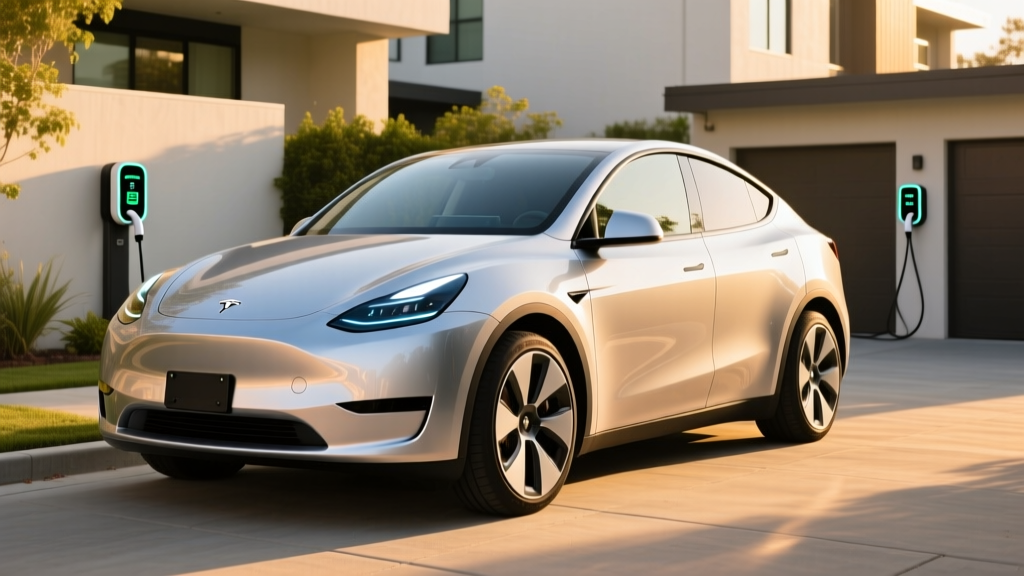
Used Tesla Model 3 (2021-2024)
| Specification | 2021-2024 Model 3 Long Range AWD |
|---|---|
| EPA Range | 346-358 miles (varies by year) |
| Real-World Range | 280-310 miles highway; 250-270 miles in cold weather |
| Battery Capacity | 82 kWh usable (NMC chemistry, Panasonic cells) |
| Max DC Fast Charge | 250 kW peak, 10-80% in ~25 minutes |
| Level 2 Home Charging | 11.5 kW, ~44 miles per hour |
| 0-60 mph | 4.2 seconds |
| Horsepower | 346 hp (dual motor) |
| Efficiency | 134 MPGe combined / 25 kWh/100mi |
| Cargo Volume | 23 cu ft (rear trunk + frunk) |
| Battery Warranty | 8 years/120,000 miles, 70% capacity retention |
Depreciation trajectory: A 2022 Model 3 Long Range with ~30,000 miles trades between $28,000-$32,000 in early 2026, representing 45-50% depreciation from its original ~$55,000 MSRP. This is better than luxury sedans like the BMW i4 (55-60% depreciation) but worse than the Toyota Camry Hybrid (35-40%).
Used Tesla Model Y (2021-2024)
| Specification | 2021-2024 Model Y Long Range AWD |
|---|---|
| EPA Range | 303-330 miles |
| Real-World Range | 250-280 miles highway; 220-240 miles cold weather |
| Battery Capacity | 82 kWh usable (NMC, Panasonic/4680 cells in later models) |
| Max DC Fast Charge | 250 kW peak, 10-80% in ~27 minutes |
| Level 2 Home Charging | 11.5 kW, ~44 miles per hour |
| 0-60 mph | 4.8 seconds |
| Horsepower | 384 hp (dual motor) |
| Efficiency | 122 MPGe combined / 28 kWh/100mi |
| Cargo Volume | 76 cu ft (rear seats folded) + 4 cu ft frunk |
| Battery Warranty | 8 years/120,000 miles, 70% capacity retention |
Depreciation trajectory: The Model Y's SUV practicality has kept demand strong. A 2022 Long Range with ~35,000 miles sells for $32,000-$37,000, or 45-50% depreciation. This compares favorably to the Ford Mustang Mach-E (50-55%) and Hyundai Ioniq 5 (48-52%).
Used Tesla Model S (2021-2024 Refresh)
| Specification | 2021-2024 Model S Long Range |
|---|---|
| EPA Range | 405 miles |
| Real-World Range | 330-360 miles highway; 290-320 miles cold weather |
| Battery Capacity | 100 kWh usable (NMC, Panasonic) |
| Max DC Fast Charge | 250 kW peak, 10-80% in ~30 minutes |
| Level 2 Home Charging | 11.5 kW, ~41 miles per hour |
| 0-60 mph | 3.1 seconds |
| Horsepower | 670 hp (dual motor) |
| Efficiency | 120 MPGe combined / 28 kWh/100mi |
| Cargo Volume | 28 cu ft trunk + 5 cu ft frunk |
| Battery Warranty | 8 years/150,000 miles, 70% capacity retention |
Depreciation trajectory: Luxury sedans depreciate faster, and the Model S is no exception. A 2022 Long Range with ~25,000 miles trades at $55,000-$62,000, representing 50-55% depreciation from its ~$110,000 MSRP. This mirrors the Porsche Taycan (52-58%) but is steeper than the Lucid Air (45-50% due to lower initial volumes).
Used Tesla Model X (2021-2024 Refresh)
| Specification | 2021-2024 Model X Long Range |
|---|---|
| EPA Range | 348 miles |
| Real-World Range | 280-310 miles highway; 250-270 miles cold weather |
| Battery Capacity | 100 kWh usable (NMC, Panasonic) |
| Max DC Fast Charge | 250 kW peak, 10-80% in ~32 minutes |
| Level 2 Home Charging | 11.5 kW, ~36 miles per hour |
| 0-60 mph | 3.8 seconds |
| Horsepower | 670 hp (dual motor) |
| Efficiency | 102 MPGe combined / 33 kWh/100mi |
| Cargo Volume | 88 cu ft (seats folded) + 7 cu ft frunk |
| Battery Warranty | 8 years/150,000 miles, 70% capacity retention |
| Towing Capacity | 5,000 lbs |
Depreciation trajectory: The Model X's high MSRP and niche appeal (falcon-wing doors, three-row seating) lead to steep depreciation. A 2022 Long Range with ~30,000 miles sells for $58,000-$65,000, or 52-58% off its ~$120,000 original price. This is comparable to the Rivian R1S (48-53%) but worse than the more affordable Kia EV9 (40-45% projected).
Battery Longevity: The Critical Used EV Factor
Tesla's battery degradation data, compiled from owner reports and Tesla's Impact Reports, shows that Model 3/Y batteries retain approximately 85-90% capacity after 100,000 miles. The larger Model S/X packs show similar retention rates, though they have higher absolute capacity to begin with.
Key battery considerations for used Tesla buyers:
- Chemistry matters: Most 2021-2024 Teslas use NMC (nickel-manganese-cobalt) chemistry, which offers high energy density but slightly faster degradation than LFP (lithium iron phosphate). Tesla introduced LFP batteries in Standard Range Model 3s starting in 2021—these show minimal degradation but have lower range.
- Warranty transferability: Tesla's 8-year battery warranty transfers to subsequent owners, providing protection against premature failure.
- State of Health (SoH) access: Third-party apps like Tessie or Teslamate can read battery health data via the Tesla API, giving buyers confidence in used purchases.
- Replacement cost: If a battery fails out of warranty, replacement costs $12,000-$18,000 depending on model—a significant but rare expense.
Charging Infrastructure: A Depreciation Advantage
| Charging Level | Speed | Miles Added Per Hour | Typical Use Case |
|---|---|---|---|
| Level 1 (120V) | 1-2 kW | 3-6 miles | Emergency/overnight trickle |
| Level 2 (240V, 48A) | 11.5 kW | 36-44 miles | Home/workplace daily charging |
| DC Fast (Tesla Supercharger) | 250 kW peak | ~1,000 miles/hour (peak) | Road trips, 10-80% in 25-32 min |
Tesla's Supercharger network remains a key value proposition for used buyers. Even as Tesla opens the network to other EVs via NACS adapters, Tesla owners still benefit from seamless plug-and-charge integration and superior reliability (99.9% uptime per Tesla's data).
For home charging, most used Tesla buyers install a Tesla Wall Connector ($475) or use a third-party Level 2 charger with a J1772-to-Tesla adapter. Installation costs range from $500-$2,000 depending on electrical panel capacity and distance from the panel to the garage.
Federal Tax Credit: Does It Apply to Used Teslas?
The IRS §30D tax credit applies only to new EVs, but the §25E Used Clean Vehicle Credit offers up to $4,000 (or 30% of the sale price, whichever is lower) for qualifying used EVs. Here's what you need to know:
| Requirement | §25E Used EV Credit Rules |
|---|---|
| Maximum Credit | $4,000 or 30% of sale price (whichever is lower) |
| Vehicle Price Cap | $25,000 maximum sale price |
| Vehicle Age | At least 2 model years old (2024 or older in 2026) |
| Buyer Income Limits | $75,000 single / $112,500 head of household / $150,000 joint |
| Dealer Requirement | Must purchase from a licensed dealer (private sales excluded) |
| Point-of-Sale | Credit can be transferred to dealer for immediate price reduction |
Practical impact: A 2022 Model 3 priced at $24,500 would qualify for the full $4,000 credit (assuming income eligibility), bringing the effective price to $20,500. However, most used Teslas exceed the $25,000 cap, limiting credit availability to higher-mileage or older examples.
Tesla vs. Competitors: Depreciation Comparison
Tesla Model 3/Y Advantages
- Strong Supercharger network integration
- Over-the-air updates add features post-purchase
- Transparent battery health data
- Lower maintenance costs (no oil changes, minimal brake wear)
- High efficiency (25-28 kWh/100mi) reduces charging costs
Tesla Model 3/Y Drawbacks
- Minimalist interior lacks physical controls
- No Apple CarPlay/Android Auto
- Build quality inconsistencies (panel gaps, paint)
- FSD (Full Self-Driving) is Level 2, not autonomous—requires driver attention
- Insurance premiums 15-25% higher than comparable gas cars
Competitor comparison:
- Hyundai Ioniq 5: Depreciates 48-52% over 5 years; offers 800V fast charging and more spacious interior, but lacks Tesla's charging network
- Ford Mustang Mach-E: Depreciates 50-55%; more conventional SUV styling but lower efficiency and slower charging
- BMW i4: Depreciates 55-60%; premium interior and driving dynamics but higher maintenance costs
Who Should Buy a Used Tesla?
Ideal buyers:
- Home chargers: Owners with garage/driveway access who can install Level 2 charging and avoid public charging costs
- Tech-forward commuters: Drivers who value over-the-air updates, app integration, and Autopilot for highway driving
- Cost-conscious EV adopters: Buyers who want EV benefits (low fuel/maintenance costs) without new-car premiums
- Road trip enthusiasts: Drivers who frequently travel on routes well-served by Superchargers
Buyers who should look elsewhere:
- Apartment dwellers without charging access: Public charging costs ($0.30-$0.50/kWh) erode EV savings
- Traditional interface preferences: Drivers who want physical buttons, Apple CarPlay, or conventional instrument clusters
- Towing-heavy users: Model Y's 3,500-lb capacity and Model X's 5,000-lb capacity trail the Rivian R1T (11,000 lbs) or F-150 Lightning (10,000 lbs)
FAQ: Tesla Used Car Value Questions
What is the real-world range of a used Tesla Model 3?
Expect 280-310 miles on highway road trips at 70 mph, and 250-270 miles in freezing temperatures. The EPA's 358-mile estimate assumes ideal city/suburban driving at moderate speeds.
How fast does a used Tesla charge at home and on road trips?
At home on a 240V Level 2 charger (11.5 kW), a Model 3/Y adds ~44 miles per hour, fully charging overnight. On Tesla Superchargers, peak speeds reach 250 kW, adding 10-80% in 25-32 minutes depending on battery temperature and state of charge.
How much does a used Tesla cost after tax credits?
Most used Teslas exceed the §25E credit's $25,000 price cap. However, a 2021-2022 Model 3 Standard Range Plus priced under $25,000 could qualify for up to $4,000 off (income limits apply). Check IRS guidelines for current rules.
Is a used Tesla worth buying vs. a new Hyundai Ioniq 5 or Ford Mach-E?
A used Model 3/Y offers better value if you prioritize charging network access, efficiency, and software features. Choose the Ioniq 5 for faster 800V charging and a more spacious interior, or the Mach-E for conventional SUV styling and Ford dealer service.
What are the biggest pros and cons of buying a used Tesla?
Pros: Low maintenance costs, Supercharger access, over-the-air updates, strong efficiency, transparent battery health data.
Cons: Minimalist interior, no Apple CarPlay, higher insurance costs, potential build quality issues, FSD requires constant driver attention.
Does a used Tesla qualify for any federal tax credits?
The §25E Used Clean Vehicle Credit offers up to $4,000 for EVs priced under $25,000, purchased from dealers, with buyer income limits ($75K single/$150K joint). Most used Teslas exceed the price cap, but high-mileage 2021-2022 Model 3s may qualify.
How long will a used Tesla battery last?
Tesla's data shows batteries retain 85-90% capacity after 100,000 miles. The 8-year/120,000-mile (Model 3/Y) or 8-year/150,000-mile (Model S/X) warranty transfers to subsequent owners, covering premature failures. Replacement costs $12,000-$18,000 if needed out of warranty.
Final Verdict: Are Used Teslas a Smart Buy in 2026?
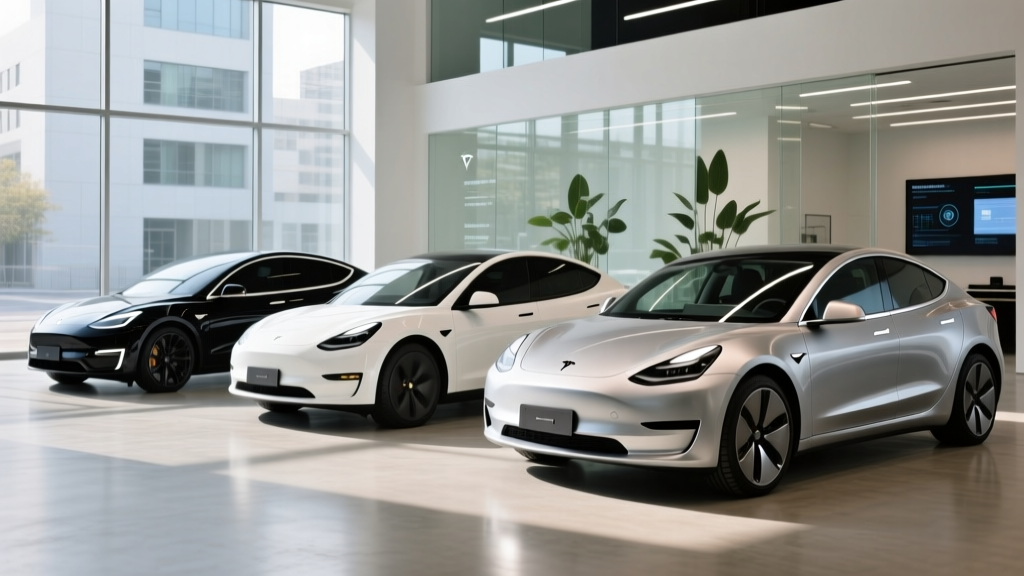
Tesla models used car value depreciation has stabilized, making 2021-2024 examples attractive for buyers who can charge at home and value the Supercharger network. The Model 3 and Y offer the best depreciation resistance, while the S and X provide luxury-car performance at steep discounts.
However, used Tesla buyers should budget for higher insurance premiums, potential out-of-warranty repair costs (suspension, 12V battery), and the reality that Tesla's minimalist interface isn't for everyone. For buyers prioritizing charging convenience, efficiency, and tech features, a used Tesla remains a compelling choice—but always verify battery health and compare against newer competitors like the Ioniq 5 and Mach-E before committing.