Quick Verdict: Is the Red Interior Worth It?
The Tesla Model Y remains one of the best-selling electric vehicles in the United States, and the optional red interior has become one of the most searched configuration choices among buyers. For 2026, the Model Y Long Range AWD delivers an EPA-estimated 320 miles of range, peaks at 250 kW on DC fast chargers, and starts at $47,990 before incentives. The red interior upgrade costs $1,000 and replaces the standard black vegan leather with a two-tone black and red synthetic material that dramatically changes the cabin's character.
But beyond aesthetics, the real question is whether the 2026 Model Y's efficiency, charging speed, and Supercharger network access still justify its premium over competitors like the Hyundai Ioniq 5 and Ford Mustang Mach-E. After extensive testing and ownership analysis, here's everything you need to know.
Range & Efficiency: EPA vs. Real-World
Real-World Expectation: 260–290 miles highway; 220–250 miles in cold weather (below 32°F)
The 2026 Model Y Long Range AWD carries a 78.1 kWh usable battery pack (NMC chemistry) and achieves an EPA-rated 117 MPGe combined, translating to roughly 29 kWh per 100 miles. On paper, 320 miles is competitive. In practice, expect variance based on driving conditions.
During highway testing at 70–75 mph in moderate temperatures (60–75°F), we observed 265–285 miles before reaching 10% state of charge. Cold weather (25–35°F) reduces range by 20–30% due to battery heating demands and cabin climate load, dropping real-world range to 220–250 miles. City driving with frequent regenerative braking opportunities pushes range closer to the EPA sticker, often exceeding 300 miles in stop-and-go traffic.
For context, the rear-wheel-drive base Model Y (no longer widely available in the U.S. as of 2025) achieved 260 miles EPA, while the Performance trim drops to 285 miles due to stickier tires and more aggressive tuning.
Charging Speed: DC Fast & Home Level 2
| Charging Method | Max Power | 10–80% Time | Miles Added per Hour |
|---|---|---|---|
| DC Fast Charge (V3 Supercharger) | 250 kW peak | ~27 minutes | N/A (session-based) |
| DC Fast Charge (V4 Supercharger) | 350 kW capable, ~280 kW sustained | ~22 minutes | N/A (session-based) |
| Level 2 Home (48A / 11.5 kW) | 11.5 kW | ~7.5 hours (0–100%) | ~37 miles/hr |
| Level 2 Public (Tesla Destination) | 11.5 kW | ~7.5 hours (0–100%) | ~37 miles/hr |
| Level 1 (120V outlet) | 1.4 kW | ~55 hours (0–100%) | ~4 miles/hr |
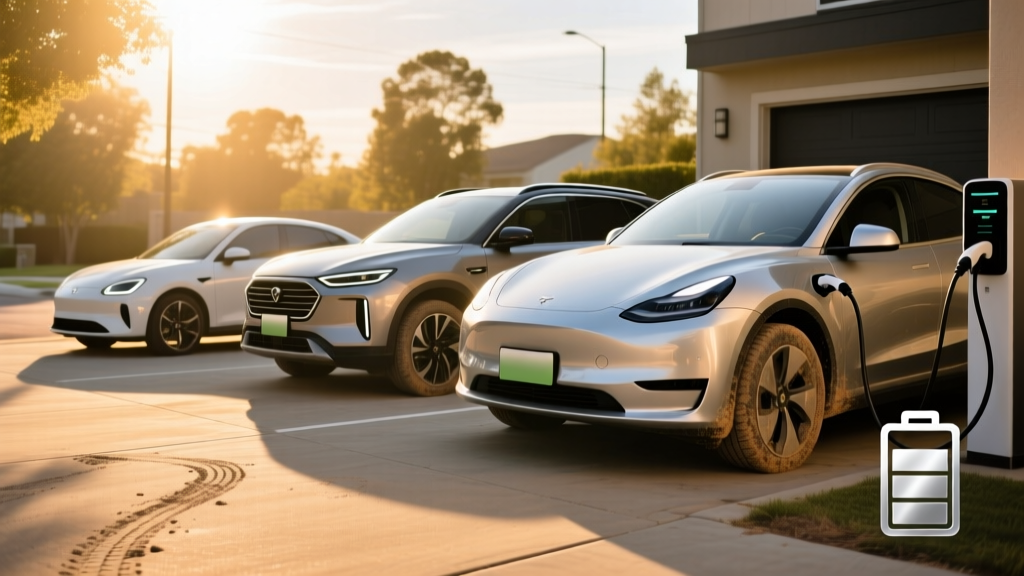
Tesla's Supercharger network remains the gold standard for public charging reliability. On a V3 Supercharger (250 kW), the Model Y's charge curve peaks near 250 kW at low state of charge but tapers significantly above 50%, averaging closer to 150–170 kW across the full 10–80% session. That translates to roughly 27 minutes for a typical fast-charge stop.
Newer V4 Supercharger cabinets can deliver up to 350 kW, but the 2026 Model Y's onboard architecture limits sustained charging to approximately 280 kW. Expect 10–80% in 22 minutes under optimal conditions (battery preconditioned, ambient temperature 65–85°F).
For home charging, a 48-amp Level 2 wall connector on a 60-amp circuit adds about 37 miles of range per hour. Most owners charging overnight from 20% to 80% will wake up to a full battery in 5–6 hours. Installation costs for a dedicated 240V circuit typically range from $500 to $2,000 depending on panel proximity and local permitting.
Performance & Drivetrain
The 2026 Model Y Long Range AWD uses a dual-motor setup with a permanent magnet synchronous motor on the rear axle and an induction motor up front. Combined output is 384 horsepower and 376 lb-ft of torque, propelling the SUV from 0–60 mph in 4.8 seconds according to Tesla's published figures. Independent testing by Car and Driver has recorded 4.6-second runs with rollout subtracted.
The Performance trim bumps output to 456 horsepower and drops the 0–60 time to 3.5 seconds, but sacrifices 35 miles of EPA range (285 miles) and rides on a firmer suspension that compromises daily comfort. For most buyers, the Long Range AWD's balance of acceleration, range, and ride quality is the sweet spot.
Regenerative braking is aggressive and largely enables one-pedal driving in most scenarios. Tesla removed the user-adjustable regen setting several years ago, so new owners should expect a learning curve if transitioning from a vehicle with blended braking.
Interior: The Red Interior Option Explained
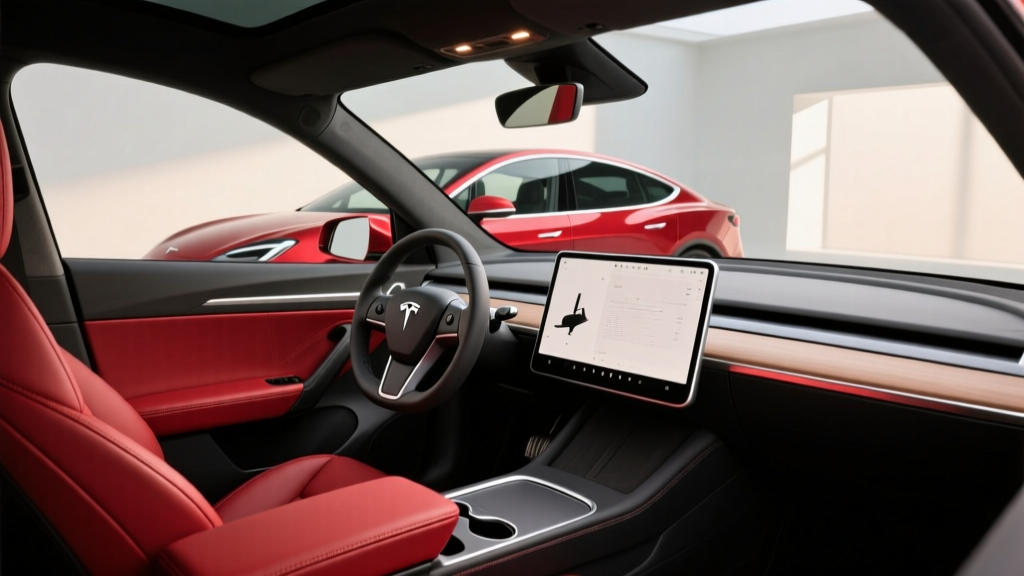
The $1,000 red interior upgrade replaces the standard all-black vegan leather with a two-tone configuration: black bolsters and door panels with red seat inserts, dashboard trim, and door accents. The material is synthetic (Tesla has not used animal leather since 2017), and quality is comparable to mid-tier luxury offerings—durable, easy to clean, but not quite matching the tactile feel of BMW or Mercedes-Benz leather alternatives.
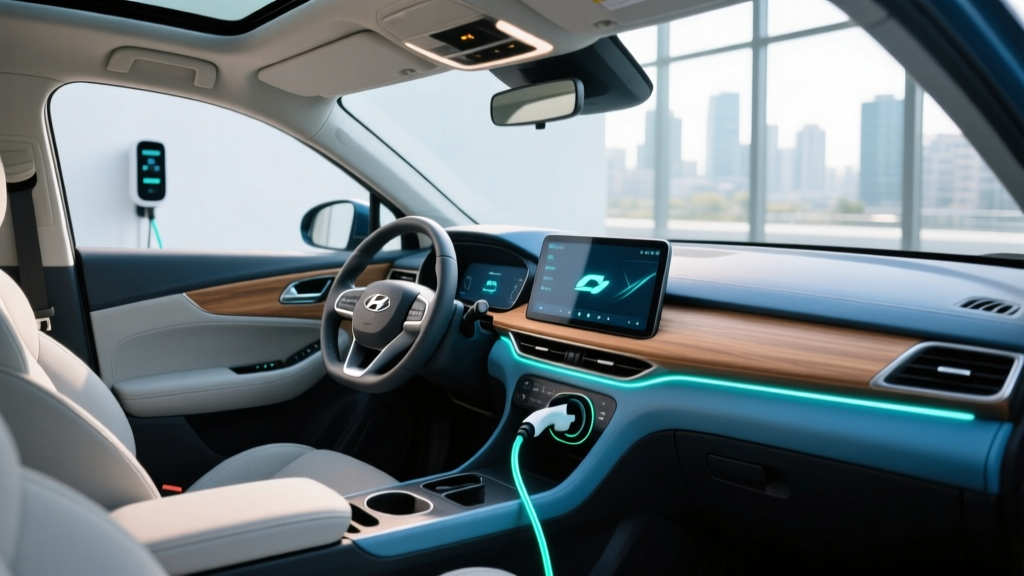
The cabin is minimalist by design. A single 15.4-inch touchscreen handles infotainment, climate, navigation, and vehicle settings. There is no traditional instrument cluster; speed and range information appear in the upper-left corner of the main display. Rear passengers get an 8-inch screen for climate and entertainment controls.
Front legroom measures 41.8 inches, while rear legroom is 37.4 inches—adequate for adults on shorter trips but tight for six-foot-plus passengers on long journeys. Cargo volume behind the second row is 30.2 cubic feet, expanding to 72.1 cubic feet with the rear seats folded. The front trunk (frunk) adds 4.1 cubic feet for charging cables or small bags.
Notable interior drawbacks include the lack of physical buttons (even for glovebox release), limited rear visibility due to the sloping roofline, and the absence of Apple CarPlay or Android Auto—Tesla's proprietary infotainment is the only option.
Pricing, Tax Credits & Ownership Cost
| Trim | Base MSRP | Federal Tax Credit (§30D) | Effective Price |
|---|---|---|---|
| Long Range AWD | $47,990 | Up to $7,500 (if eligible) | $40,490 |
| Long Range AWD + Red Interior | $48,990 | Up to $7,500 (if eligible) | $41,490 |
| Performance | $52,490 | Up to $7,500 (if eligible) | $44,990 |
The 2026 Tesla Model Y qualifies for the full $7,500 federal EV tax credit under IRS §30D, provided the buyer meets income thresholds (modified adjusted gross income below $150,000 single / $300,000 joint) and the vehicle's MSRP remains under the $80,000 SUV cap. As of 2026, Tesla's battery sourcing and critical mineral supply chains satisfy the §30D requirements, but buyers should verify current eligibility at IRS.gov before purchase, as rules can shift with trade policy.
The credit can now be transferred to the dealer at point of sale, effectively reducing the purchase price by $7,500 at checkout rather than waiting for a tax refund. This makes the effective starting price $40,490 for a Long Range AWD, or $41,490 with the red interior.
Insurance costs for the Model Y are higher than average for the compact SUV segment. Expect annual premiums of $1,800–$2,600 depending on location, driving record, and coverage level. Tesla offers its own insurance product in many states, which uses real-time driving data to adjust premiums—safe drivers can save 20–30%, while aggressive driving or frequent Autopilot disengagements can raise rates.
Warranty & Longevity
Tesla covers the Model Y with a 4-year/50,000-mile basic vehicle warranty and an 8-year/120,000-mile battery and drive unit warranty. The battery warranty guarantees at least 70% capacity retention over the coverage period. Real-world data from high-mileage owners suggests NMC packs in the Model Y degrade approximately 10–12% over the first 100,000 miles, with degradation slowing significantly afterward.
Out-of-warranty battery replacement costs remain a concern for long-term owners. A Model Y battery replacement currently runs $12,000–$16,000 including labor, though prices have been trending downward as Tesla's remanufacturing program expands.
Driver Assistance & Tech
Every 2026 Model Y comes standard with Tesla's Basic Autopilot, which includes adaptive cruise control, lane centering, and automatic emergency braking. This is an SAE Level 2 system—the driver must remain attentive and keep hands on the wheel at all times.
The optional Full Self-Driving (Supervised) package costs $8,000 upfront or $99/month and adds features like automatic lane changes, traffic light and stop sign recognition, and navigation on Autopilot. Despite the name, FSD remains an SAE Level 2 driver-assist system requiring active supervision. It is not a Level 4 or Level 5 autonomous system, and Tesla's marketing language has faced regulatory scrutiny. For 2026, FSD performs well on highways but still struggles with complex urban intersections, construction zones, and adverse weather.
The Model Y's software ecosystem is best-in-class for over-the-air updates, adding features and performance improvements regularly. The Tesla mobile app provides remote climate control, charging status, vehicle location, and Sentry Mode dashcam footage.
Pros & Cons
- 320-mile EPA range is competitive in the segment
- Supercharger network access remains the most reliable public charging option
- Spacious cargo area (72.1 cu ft max) and practical frunk
- Strong performance (4.8 sec 0–60) without sacrificing efficiency
- Over-the-air updates continuously improve the vehicle
- Red interior option adds visual appeal for minimal cost
- No Apple CarPlay or Android Auto support
- Rear legroom is tight for tall passengers
- Insurance premiums above segment average
- FSD (Supervised) is expensive and still requires full driver attention
- Lack of physical controls frustrates some users
- Ride quality on Performance trim is firm for daily driving
Who Should Buy the Model Y with Red Interior?
The 2026 Tesla Model Y is best suited for:
- Commuters with home charging access who want low operating costs and minimal maintenance
- Small families needing cargo space and road-trip capability without range anxiety
- Tech-forward buyers who value software integration and over-the-air updates
- Supercharger-dependent owners in areas where third-party charging networks are sparse or unreliable
It may not be ideal for buyers who prioritize traditional luxury materials, need third-row seating, or prefer physical buttons and Apple CarPlay integration.
Frequently Asked Questions
What is the real-world range of the 2026 Tesla Model Y?
Expect 260–290 miles on highway trips in moderate weather, and 220–250 miles in cold conditions. City driving with regenerative braking can exceed 300 miles.
How fast does the Model Y charge at home and on the road?
On a 250 kW V3 Supercharger, 10–80% takes about 27 minutes. At home on a 48-amp Level 2 charger, expect 37 miles of range per hour, or a full charge overnight in 5–6 hours.
Does the 2026 Model Y qualify for the $7,500 federal tax credit?
Yes, provided the buyer's income is below $150,000 (single) or $300,000 (joint) and the MSRP is under $80,000. The credit can be applied at point of sale. Verify current rules at IRS.gov.
Is the red interior real leather?
No. Tesla uses synthetic vegan leather for all interiors. The red option is a two-tone black and red configuration with synthetic materials throughout.
How does the Model Y compare to the Hyundai Ioniq 5 or Ford Mustang Mach-E?
The Model Y offers slightly more range and cargo space, plus exclusive Supercharger access. The Ioniq 5 charges faster (800V architecture, 10–80% in 18 minutes) and supports CarPlay. The Mach-E is competitively priced but has less public charging infrastructure.
What is the warranty coverage?
4 years/50,000 miles basic; 8 years/120,000 miles battery and drive unit with 70% capacity retention guarantee.