Quick Verdict: The Benchmark EV Still Sets the Bar—With Caveats
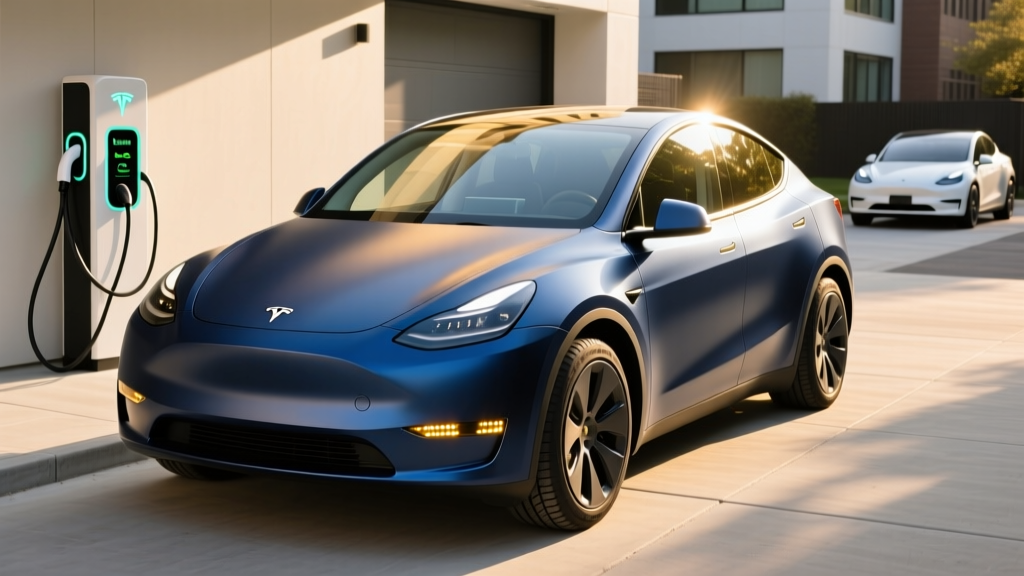
The 2026 Tesla Model Y Long Range AWD remains the default recommendation for buyers entering the EV space. With an EPA-estimated 320 miles of range, access to the largest fast-charging network in North America, and a starting MSRP of $44,990 before incentives, it occupies a sweet spot few rivals can match on paper. But ownership reality involves nuances the sticker doesn't reveal—particularly around car insurance Tesla premiums, real-world range in cold climates, and the shifting landscape of federal tax credits.
This review breaks down every spec that matters, contextualizes the numbers with real-world driving data, and addresses the insurance costs that catch many first-time Tesla buyers off guard.
| Spec | Value |
|---|---|
| EPA Range | 320 miles |
| Battery (usable) | ~78 kWh, NMC chemistry |
| Peak DC Fast Charge | 250 kW |
| 10–80% DC Charge Time | ~25 minutes |
| Level 2 Home Charge Rate | 11.5 kW (~44 mi/hr) |
| 0–60 mph | 4.8 seconds |
| Horsepower | 384 hp (dual motor) |
| Drivetrain | AWD (dual motor) |
| MPGe (combined) | 122 MPGe |
| Efficiency | 28 kWh/100 mi |
| Cargo (rear seats up) | 30.2 cu ft |
| Cargo (rear seats folded) | 72.0 cu ft |
| Rear Legroom | 41.6 inches |
| Battery Warranty | 8 yr / 120,000 mi |
| Base MSRP | $44,990 |
Range and Efficiency: EPA vs. the Real World
The 2026 Model Y Long Range AWD carries an EPA-estimated 320 miles on a full charge. That figure is derived from a combined city/highway test cycle and represents moderate-temperature, mixed-driving conditions.
Expect 270–290 miles on highway road trips at 70–75 mph in mild weather. In freezing temperatures (below 32°F), range can drop to 230–260 miles due to battery resistance and cabin heating demands. City driving with frequent regenerative braking can push range above the EPA estimate, sometimes reaching 330+ miles in stop-and-go traffic at moderate temperatures.
The Model Y's efficiency of 28 kWh per 100 miles (122 MPGe combined) is among the best in the compact electric SUV segment. Tesla's heat pump, standard on all trims, recovers waste heat from the powertrain to warm the cabin—reducing the range penalty of winter driving compared to resistive-heater EVs. Still, physics wins: any EV loses 15–30% of its range in sustained sub-freezing conditions, and the Model Y is no exception.
Charging: 250 kW Peaks, Supercharger Network, and Home Setup
Tesla's charging ecosystem remains its strongest competitive advantage in 2026. The Model Y supports peak DC fast charging at 250 kW on V3 Superchargers, though sustained rates taper significantly above 50% state of charge—a characteristic of all lithium-ion batteries managed by a battery management system (BMS) prioritizing longevity.
| Charging Level | Power / Rate | Miles Added per Hour |
|---|---|---|
| Level 1 (120V household) | ~1.4 kW | ~4–5 mi/hr |
| Level 2 (240V, 48A home charger) | 11.5 kW | ~44 mi/hr |
| DC Fast Charge (V3 Supercharger) | Peak 250 kW | 10–80% in ~25 min |
| DC Fast Charge (V4 Supercharger) | Peak 250 kW (vehicle-limited) | 10–80% in ~25 min |
The 10–80% charge time of approximately 25 minutes is competitive but not class-leading—vehicles on 800V architectures (Hyundai Ioniq 5, Kia EV6) can achieve 10–80% in roughly 18 minutes at 350 kW chargers. Tesla's 400V architecture caps peak throughput at 250 kW, meaning you won't see faster charging even at higher-rated stations.
For home charging, Tesla's Wall Connector at 48 amps delivers 11.5 kW, replenishing a depleted battery in roughly 7–8 hours overnight. Installation typically requires a 60-amp dedicated circuit; budget $800–$2,000 for a licensed electrician depending on panel proximity and local permit costs. If your electrical panel is at capacity (common in older homes), a panel upgrade to 200A can add $1,500–$3,000.
A critical note on connector compatibility: the 2026 Model Y ships with the NACS (North American Charging Standard) port natively. This means direct access to Tesla Superchargers without an adapter. For non-Tesla CCS stations, a NACS-to-CCS adapter is required—Tesla sells one for approximately $175.
Performance and Driving Dynamics
The Long Range AWD pairs dual permanent-magnet motors producing a combined 384 horsepower. The 0–60 mph sprint takes 4.8 seconds—quick enough to merge confidently onto any highway and overtake without hesitation. The Performance trim (MSRP $51,490) drops that to 3.5 seconds with 510 hp, but at the cost of roughly 15 miles of EPA range.
Ride quality has improved in the latest generation with revised suspension tuning, though the Model Y still transmits more road imperfections than comfort-oriented rivals like the Hyundai Ioniq 5. The low center of gravity (battery pack under the floor) keeps body roll minimal in corners, and the steering is precise if somewhat numb—typical of electric power steering systems optimized for efficiency over feedback.
Regenerative braking is aggressive by default, enabling genuine one-pedal driving in most scenarios. The friction brakes rarely engage in daily use, which extends pad life considerably—a maintenance savings EV owners often overlook.
Interior, Tech, and Cargo Practicality
The Model Y's cabin is minimalist to a fault. A single 15.4-inch touchscreen handles all infotainment, climate, and vehicle settings—there are no physical buttons or a traditional instrument cluster. This approach polarizes: some buyers love the clean aesthetic, others find it distracting to adjust climate controls through a menu while driving.
Notable tech features include:
- Autopilot (standard): Adaptive cruise control and lane-centering on highways. This is a SAE Level 2 driver-assist system—you must keep your hands on the wheel and eyes on the road at all times.
- Full Self-Driving (Supervised) ($8,000 option or $99/month): Adds automatic lane changes, traffic-light recognition, and Navigate on Autopilot. Despite the name, this remains Level 2. The driver is responsible for all vehicle operation.
- Over-the-air updates: Tesla routinely pushes software improvements that can add features, optimize range, or improve charging speeds post-purchase.
- Sentry Mode: Uses external cameras to record activity around the parked vehicle—useful in tight urban parking but drains roughly 1 mile of range per hour of active monitoring.
Cargo space is generous: 30.2 cubic feet behind the second row and 72.0 cubic feet with seats folded. The front trunk (frunk) adds 4.1 cubic feet for charging cables or a small bag. Rear legroom of 41.6 inches comfortably fits adults on longer trips, though the panoramic glass roof can make the cabin feel warm in direct summer sunlight despite UV tinting.
- No physical buttons or stalks—turn signals are on the steering wheel rim (2025+ refresh), which requires adaptation
- Ride firmness on rough pavement, especially with 20-inch wheels
- Panel gap inconsistency still reported by some owners
- No Apple CarPlay or Android Auto—Tesla's native system is the only option
Pricing, Tax Credits, and What You'll Actually Pay
The 2026 Model Y lineup starts at $44,990 for the Long Range AWD. The Performance trim sits at $51,490. Both fall under the IRS §30D MSRP cap of $80,000 for SUVs, but eligibility for the full $7,500 federal tax credit depends on several factors that change frequently.
| Trim | MSRP | Est. Federal Credit | Effective Price |
|---|---|---|---|
| Long Range AWD | $44,990 | $3,750 – $7,500* | $37,490 – $41,240 |
| Performance AWD | $51,490 | $3,750 – $7,500* | $43,990 – $47,740 |
*Credit amount depends on battery-component and critical-mineral sourcing requirements under current IRS §30D rules. As of early 2026, Tesla vehicles typically qualify for at least $3,750, with the full $7,500 available when sourcing thresholds are met. Buyer income caps also apply: $300,000 joint / $150,000 single modified AGI. The credit can now be transferred to the dealer at point of sale, reducing your purchase price directly. Always verify current eligibility on IRS.gov before purchasing.
State incentives vary widely—California's CVRP, Colorado's $5,000 credit, and various utility rebates can stack on top of the federal credit. Check your state's energy office for current programs.
Car Insurance for Tesla: What Owners Actually Pay
This is where many first-time Tesla buyers encounter sticker shock. Car insurance Tesla premiums are consistently higher than the compact SUV average, and understanding why helps you budget accurately and potentially reduce costs.
According to industry data, the average annual premium for a 2026 Model Y ranges from $2,400 to $3,800 depending on your state, driving record, age, and coverage level. That compares to roughly $1,600–$2,200 for a comparably priced gas SUV like the Toyota RAV4.
Why the premium?
- Repair costs: Tesla's unibody construction uses aluminum and high-strength steel. Even minor collision damage can require sensor recalibration, camera replacement, and specialized body-shop labor. Fewer certified repair centers mean higher labor rates.
- Parts availability: Tesla controls its parts supply chain tightly. Wait times for body panels, glass, and sensor arrays can extend repair duration, increasing rental-car claims.
- Vehicle performance: The Model Y's 4.8-second 0–60 time places it in a higher-risk performance category for insurers.
- Total-loss thresholds: Battery packs represent a significant portion of vehicle value. Insurers may total a vehicle rather than risk battery repair liability, increasing claim severity.
Tesla Insurance, available in most states, uses real-time driving data (via the Tesla app) to calculate monthly premiums. Safe drivers with low mileage and minimal hard-braking events can see rates 15–25% below traditional carriers. However, aggressive driving or frequent Autopilot disengagements can push rates higher. It's worth getting quotes from Tesla Insurance alongside GEICO, Progressive, and State Farm before delivery day.
Warranty and Long-Term Ownership
Tesla covers the Model Y with:
- Basic vehicle warranty: 4 years / 50,000 miles
- Battery and drive unit warranty: 8 years / 120,000 miles (Long Range), with a guaranteed minimum 70% capacity retention over that period
The NMC battery in the Long Range model has demonstrated strong longevity in fleet data. Most Model Y batteries retain 90%+ capacity at 100,000 miles based on aggregated owner reports. Tesla's battery management system enforces charge limits and thermal conditioning to minimize degradation—avoid routinely charging to 100% for daily use (set the limit to 80–90%) and the pack should outlast the vehicle's economic life.
Out-of-warranty battery replacement, should it become necessary after 8 years, currently costs between $12,000 and $16,000 including labor at Tesla Service Centers. Third-party EV battery specialists are emerging as a lower-cost alternative, though availability varies by region.
Pros, Cons, and Who Should Buy the Model Y
- 320-mile EPA range covers most road trips with one charge stop
- Supercharger network: 6,000+ stalls in North America with reliable uptime
- Class-leading efficiency (28 kWh/100 mi) keeps charging costs low
- Over-the-air updates add features post-purchase
- Strong cargo versatility (72 cu ft + frunk)
- Qualifies for federal tax credit (verify current amount)
- Car insurance Tesla premiums run $800–$1,600/yr above average
- Minimalist interior lacks physical controls; no CarPlay/Android Auto
- 250 kW peak charge rate trails 800V competitors at 350 kW stations
- Ride firmness on rough roads, especially with larger wheels
- Service center wait times can stretch weeks in high-volume metro areas
- FSD (Supervised) remains Level 2 despite the "self-driving" branding
- Daily commuters with home charging: 320 miles means charging 2–3 times per week at most, and Level 2 home charging handles overnight replenishment effortlessly.
- Small families needing cargo flexibility: 72 cu ft with seats folded handles strollers, groceries, and weekend camping gear. Rear legroom fits child seats without front-passenger compromise.
- Road trippers who value charging infrastructure: Supercharger density along major interstate corridors (I-5, I-80, I-95) means 20–25 minute stops every 200–250 miles.
- Not ideal for: Budget-sensitive buyers who can't absorb higher insurance premiums, those who prefer traditional physical controls, or rural drivers far from Supercharger corridors.
Frequently Asked Questions
What is the real-world range of the 2026 Tesla Model Y?
The EPA rates it at 320 miles. In real-world highway driving at 70–75 mph in mild weather, expect 270–290 miles. In freezing temperatures, plan for 230–260 miles. City driving with regenerative braking can exceed the EPA estimate.
How fast does the Model Y charge at home and on the road?
At home on a 240V Level 2 charger (11.5 kW), you'll add roughly 44 miles per hour—a full overnight charge. On DC fast charging (V3 Supercharger at 250 kW peak), 10–80% takes about 25 minutes. Charging slows significantly above 80% as the BMS protects battery health.
How much does the Model Y cost after tax credits?
The Long Range AWD starts at $44,990. Depending on current IRS §30D sourcing rules, the federal credit ranges from $3,750 to $7,500, bringing the effective price to roughly $37,490–$41,240. Income caps apply ($300K joint / $150K single). Verify eligibility at IRS.gov and check your state for additional incentives.
Is the Model Y worth buying vs. competitors like the Ioniq 5 or EV6?
The Model Y wins on Supercharger network access, efficiency, cargo space, and software maturity. The Hyundai Ioniq 5 and Kia EV6 charge faster on 800V architecture (10–80% in ~18 min at 350 kW stations) and offer more traditional interiors with physical buttons. If charging speed and interior comfort are priorities, cross-shop both. If network reliability and range matter most, the Model Y retains the edge.
Why is car insurance for Tesla more expensive?
Higher repair costs (specialized aluminum body, sensor recalibration), limited certified body shops, performance classification, and expensive battery replacement all drive premiums above average. Expect $2,400–$3,800 annually. Tesla Insurance's real-time driving scoring can reduce rates for careful drivers by 15–25%.
Does the Model Y qualify for the federal EV tax credit?
Yes, it falls under the $80,000 SUV MSRP cap. However, the exact credit amount ($3,750 or $7,500) depends on battery-component and critical-mineral sourcing thresholds that change periodically. Buyer income caps also apply. The credit can be applied at point of sale as of 2024+ rules. Always confirm current eligibility on the IRS clean vehicle credit page before finalizing your purchase.