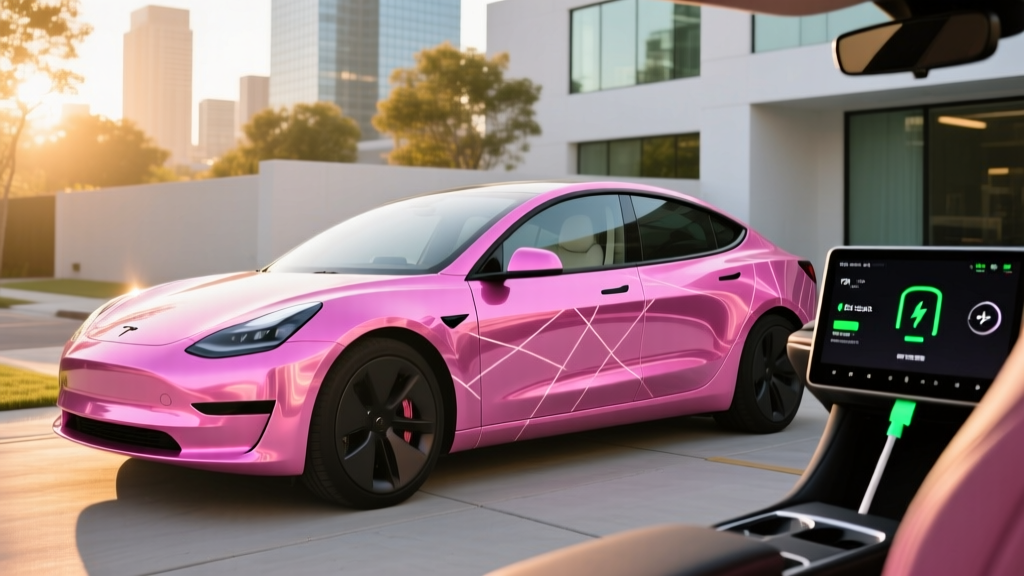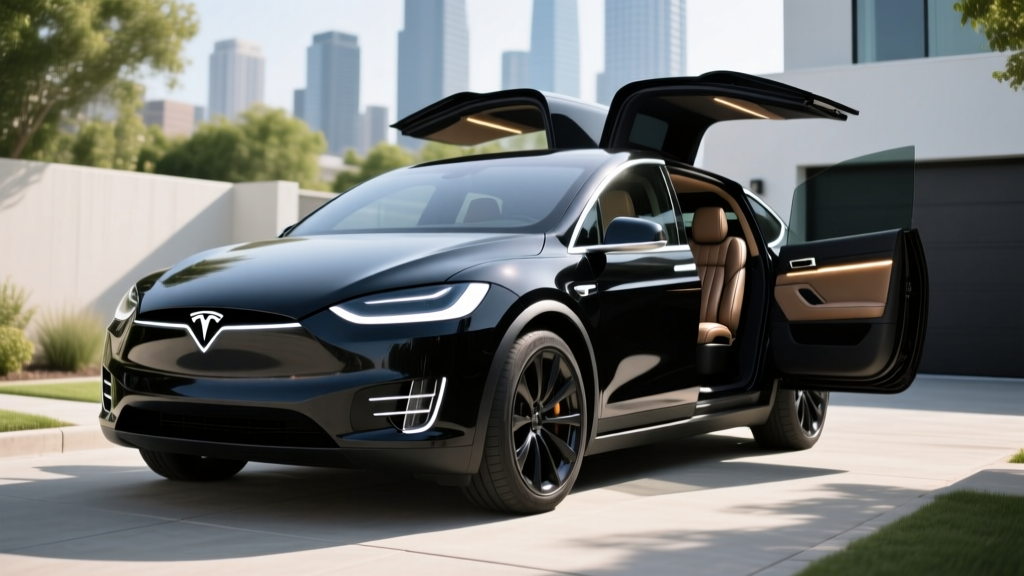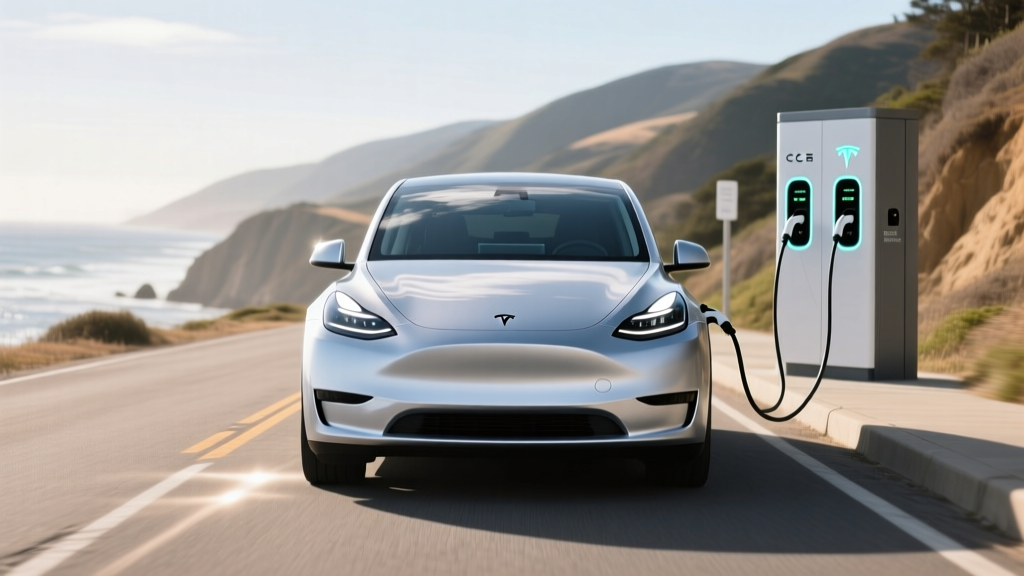
The Tesla Model Y has held the crown as America's best-selling electric vehicle for years, but the 2026 refresh — particularly the highly anticipated Model Y Quicksilver edition — brings meaningful updates to battery chemistry, charging speed, and aerodynamics. This special appearance package pairs Tesla's latest Juniper-derived powertrain improvements with a striking Quicksilver exterior that's more than just a paint job. Below, we break down every spec that matters to buyers: real-world range, charging curves, interior space, pricing after tax credits, and how it stacks up against the Hyundai Ioniq 5, Ford Mustang Mach-E, and Kia EV6.
2026 Model Y Quicksilver: Quick Verdict
The Model Y Quicksilver is a premium appearance and efficiency package built on the Long Range AWD platform. It carries a $54,990 base MSRP (before incentives), includes Tesla's latest 78 kWh (usable) structural battery pack with a CATL-sourced NMC cell blend, and delivers an EPA-estimated 325 miles of range. Peak DC fast-charging hits 250 kW at V3/V4 Superchargers, and the dual-motor AWD powertrain produces 384 horsepower for a 4.8-second 0–60 mph run. It's the Model Y for buyers who want maximum range, fast charging, and a distinctive look without stepping up to the Performance trim.
| Spec | Value |
|---|---|
| EPA Range | 325 miles |
| Battery (Usable) | 78 kWh, NMC chemistry |
| Drivetrain | Dual-Motor AWD |
| Horsepower | 384 hp |
| 0–60 mph | 4.8 seconds |
| Peak DC Fast Charge | 250 kW |
| 10–80% DC Charge Time | ~27 minutes |
| Level 2 Home Charge Rate | 11.5 kW (44 mi/hr) |
| MPGe (Combined) | 122 MPGe |
| Efficiency | 28 kWh/100 mi |
| Cargo (rear seats up) | 30.2 cu ft |
| Cargo (rear seats folded) | 72.1 cu ft |
| Base MSRP | $54,990 |
| Battery Warranty | 8 yr / 120,000 mi |
Range and Efficiency: EPA vs. the Real World
Tesla claims an EPA-estimated 325 miles for the Model Y Quicksilver, a modest bump over the standard Long Range AWD thanks to improved aero wheel covers and a slightly revised thermal management system. But as with every EV, the sticker number is a ceiling, not a guarantee.
- EPA Estimated: 325 miles
- Mixed driving (city/highway 50/50): ~295–310 miles
- Sustained highway (70–80 mph): ~260–280 miles
- Cold weather (below 32°F, highway): ~220–250 miles
Highway driving at 75+ mph increases aerodynamic drag exponentially — the Model Y's efficiency drops from roughly 3.5 mi/kWh in city driving to about 2.8 mi/kWh at sustained highway speeds. In freezing temperatures, expect a 20–30% range reduction due to battery resistance and cabin heating demands, even with Tesla's heat pump. Preconditioning the battery via the Tesla app before departure recovers some of this loss.
Efficiency is rated at 122 MPGe combined (28 kWh per 100 miles) per fueleconomy.gov. That's competitive with the Hyundai Ioniq 5 Long Range AWD (116 MPGe) and slightly behind the Kia EV6 Long Range RWD (134 MPGe). For context, at the US average electricity rate of $0.17/kWh, charging this Model Y costs roughly $4.76 per 100 miles — versus about $12.50 for a 28 MPG gas crossover at $3.50/gallon.
Charging Speed: DC Fast and Home Level 2
The Model Y Quicksilver retains Tesla's NACS (North American Charging Standard) connector natively, meaning full access to the 6,000+ stall Supercharger network without adapters. It also gains access to an expanding number of Electrify America and EVgo stations equipped with NACS connectors or the Magic Dock adapter.
| Charging Level | Power (kW) | Speed | Notes |
|---|---|---|---|
| Level 1 (120V outlet) | ~1.4 kW | ~4–5 mi/hr | Emergency/trickle only |
| Level 2 (240V home) | 11.5 kW | ~44 mi/hr | Full charge in ~7 hours |
| DC Fast (V3 Supercharger) | Peak 250 kW | 10–80% in ~27 min | Sustained ~170 kW avg |
| DC Fast (V4 Supercharger) | Peak 250 kW | 10–80% in ~25 min | Newer stalls, better thermal |
A critical nuance many spec sheets omit: the charge curve. The Model Y peaks at 250 kW only between roughly 10–30% State of Charge (SoC). From 30–60%, it sustains around 170–190 kW. Above 60%, it tapers progressively — dropping below 100 kW past 70% and below 50 kW past 85%. This is why Tesla quotes 10–80% times rather than 0–100%. Charging from 80–100% can add another 25–30 minutes. For road trips, plan stops around the 10–80% window for maximum time efficiency.
At home, an 11.5 kW Level 2 wall connector on a 60-amp circuit (hardwired) adds roughly 44 miles of range per hour of charging. A full overnight session easily replenishes a day's driving. Installation costs typically run $800–$2,000 depending on panel capacity and conduit distance — budget for a licensed electrician to evaluate your 200-amp panel headroom before purchasing.
Performance and Drivetrain
The Quicksilver package rides on the same dual-motor AWD platform as the Long Range: a permanent-magnet rear motor paired with an induction front motor (which freewheels under light loads to reduce drag). Combined output is 384 horsepower and an estimated 375 lb-ft of torque.
The 4.8-second 0–60 mph time is brisk for a family crossover and sufficient for confident highway merging. It's not the 3.5-second Performance trim, but the Quicksilver prioritizes range over acceleration. Regenerative braking remains strong — Tesla's single-pedal driving mode allows near-complete stops without touching the brake pedal, though a blended braking option exists for those transitioning from ICE vehicles.
Ride quality on the 2026 Juniper refresh has improved noticeably. Tesla retuned the suspension for better compliance over rough pavement, and the Quicksilver's standard 19-inch Gemini wheels (with aero covers) provide a more forgiving ride than the optional 21-inch Uberturbine wheels, which sacrifice roughly 8–12 miles of range and add road noise.
Interior, Cargo, and Technology
The Model Y interior remains minimalist — a single 15.4-inch center touchscreen handles navigation, media, climate, and vehicle settings. The 2026 refresh adds ventilated front seats, ambient lighting, and a rear-seat entertainment screen as standard on the Quicksilver trim. Build quality has improved with tighter panel gaps and softer-touch materials on the dashboard and door panels.
Space dimensions:
- Front headroom: 41.0 in | Legroom: 41.8 in
- Rear headroom: 39.4 in | Legroom: 38.5 in
- Cargo behind rear seats: 30.2 cu ft
- Cargo with rear seats folded: 72.1 cu ft
- Front trunk (frunk): 4.1 cu ft
Tech highlights include Tesla's latest HW4 (Hardware 4) computer for Autopilot and Full Self-Driving (Supervised), a 17-speaker audio system, wireless phone charging for two devices, and over-the-air software updates that continue to add features post-purchase. The Tesla app remains best-in-class for remote preconditioning, location tracking, and charge management.
Notable drawbacks: The absence of physical buttons for climate and wipers frustrates some drivers. There's no Apple CarPlay or Android Auto — Tesla's native infotainment is the only option. Turn-signal stalks have been replaced by steering-wheel buttons, a controversial change that takes weeks to acclimate to. And while the panoramic glass roof is beautiful, it admits significant solar heat in summer — a shade is included but must be manually installed.
Pricing, Trims, and Federal Tax Credit Eligibility
The 2026 Model Y Quicksilver starts at $54,990 (including destination). Options are limited: FSD (Supervised) adds $8,000, premium interior colors range from $1,000–$2,500, and the 21-inch wheels add $2,000. A well-equipped example typically lands between $56,000–$62,000 before incentives.
| Item | Amount |
|---|---|
| Base MSRP (Quicksilver AWD) | $54,990 |
| Destination Fee | Included |
| Federal §30D Tax Credit (max) | Up to $7,500* |
| Effective Price After Max Credit | ~$47,490 |
*Eligibility depends on buyer income, battery sourcing, and MSRP caps. See IRS rules below.
Federal tax credit (§30D) eligibility for the Model Y: Under current IRS guidelines, the Model Y qualifies for up to $7,500 in federal tax credits — but only if you meet all of the following:
- MSRP Cap: SUVs must be priced at or below $80,000. The Model Y Quicksilver clears this.
- Income Cap: Modified adjusted gross income must not exceed $150,000 (single), $225,000 (head of household), or $300,000 (joint filers).
- Battery Sourcing: At least 80% of critical minerals must be sourced from the US or FTA partners, and 100% of battery components must be manufactured or assembled in North America (2026 thresholds). Tesla's shift to CATL cells in some packs has complicated eligibility — confirm the specific VIN's sourcing with Tesla before purchase.
- Point-of-Sale Transfer: As of 2024, buyers can transfer the credit to the dealer at purchase, receiving it as an immediate price reduction rather than waiting for tax filing. This effectively lowers the out-of-pocket cost at delivery.
We strongly recommend consulting a tax professional and checking the latest IRS clean vehicle credit page before finalizing your purchase, as sourcing requirements tighten annually.
Ownership Costs and Warranty
Tesla's battery and drive unit warranty covers 8 years or 120,000 miles (whichever comes first) with a minimum 70% capacity retention threshold. The limited vehicle warranty is 4 years / 50,000 miles. Based on long-term fleet data from sources like Recurrent Auto, Tesla's NMC packs show approximately 8–12% degradation after 100,000 miles, with the steepest drop occurring in the first 20,000 miles before leveling off.
Estimated 5-year ownership costs (insurance, electricity, maintenance, depreciation) run roughly $38,000–$45,000 depending on mileage and location. Insurance premiums for the Model Y average 15–25% higher than comparable gas crossovers due to repair-cost data — get a quote before committing. Maintenance is minimal: no oil changes, cabin air filter replacement every 2–3 years, brake fluid checks, and tire rotations. Expect to replace tires sooner than on ICE vehicles due to the Model Y's weight and instant torque — budget $1,200–$1,800 for a set of four every 30,000–40,000 miles.
How It Compares: Model Y Quicksilver vs. Key Rivals
The Model Y Quicksilver competes directly with the Hyundai Ioniq 5 Long Range AWD, Kia EV6 GT-Line AWD, and Ford Mustang Mach-E Premium AWD. Here's how the numbers stack up:
| Spec | Tesla Model Y Quicksilver | Hyundai Ioniq 5 LR AWD | Kia EV6 LR AWD | Ford Mach-E Prem. AWD |
|---|---|---|---|---|
| EPA Range | 325 mi | 290 mi | 282 mi | 290 mi |
| Battery (usable) | 78 kWh | 84 kWh | 77.4 kWh | 91 kWh |
| Peak DC Charge | 250 kW | 350 kW | 350 kW | 150 kW |
| 10–80% Time | ~27 min | ~18 min | ~18 min | ~45 min |
| 0–60 mph | 4.8 sec | 5.1 sec | 5.2 sec | 5.5 sec |
| Base MSRP | $54,990 | $52,500 | $53,400 | $51,995 |
| Charging Network | NACS (Supercharger) | CCS → NACS adapter | CCS → NACS adapter | CCS → NACS adapter |
The Ioniq 5 and EV6 charge significantly faster at 350 kW-capable stations (18 minutes 10–80%), but Tesla's Supercharger network still leads in reliability and coverage — a meaningful advantage on road trips. The Model Y also offers the most cargo space and the longest EPA range in this group. If fast charging at non-Tesla stations is your priority, the Korean platforms win. If network reliability and range matter most, the Model Y holds the edge.
- You road-trip frequently and want the most reliable DC fast-charging network
- You value maximum cargo space in an electric crossover
- You want the longest EPA range in the segment without paying luxury-badge premiums
- You're comfortable with Tesla's minimalist interior and touchscreen-centric controls
- You prioritize the fastest possible DC charging (Ioniq 5/EV6 at 350 kW)
- You prefer physical buttons and Apple CarPlay/Android Auto
- You want a more traditional dealership purchase and service experience
- Class-leading 325-mile EPA range
- Supercharger network reliability
- Spacious cargo area (72.1 cu ft folded)
- Strong OTA update track record
- Improved 2026 ride quality
- DC charging slower than 350 kW rivals
- No Apple CarPlay or Android Auto
- Steering-wheel turn-signal buttons take acclimation
- Insurance premiums above segment average
- Battery sourcing may affect §30D credit — confirm by VIN
Who Should Buy the Model Y Quicksilver?
This trim is best suited for families and commuters who need a practical, long-range EV for daily driving and regular road trips. The 325-mile range eliminates stop-anxiety on most 250-mile corridors, and the cargo space handles strollers, groceries, and camping gear with room to spare. It's less ideal for buyers who prioritize ultra-fast charging at non-Tesla stations, those who want CarPlay integration, or anyone uncomfortable with Tesla's direct-sales, no-dealership service model.
For towing, the Model Y is rated at 3,500 lbs — adequate for a small trailer or a pair of jet skis, but below the Ford Mach-E (which isn't rated for towing) and far below the Rivian R1S or F-150 Lightning if heavy towing is a priority.
Frequently Asked Questions
What is the real-world range of the 2026 Model Y Quicksilver?
In mixed driving, expect 295–310 miles. Sustained highway driving at 75 mph drops this to roughly 260–280 miles. In freezing temperatures, plan for 220–250 miles. The EPA's 325-mile figure assumes moderate temperatures and a mix of city and highway driving.
How fast does the Model Y Quicksilver charge at home?
On a 240V Level 2 wall connector (11.5 kW), it adds about 44 miles of range per hour. A full charge from near-empty takes roughly 7 hours — easily accomplished overnight. Installation typically costs $800–$2,000 depending on your electrical panel and conduit run.
Does the 2026 Model Y Quicksilver qualify for the $7,500 federal tax credit?
It can, but eligibility depends on three factors: your income (must be under $150K single / $300K joint), the vehicle's MSRP (must be under $80K — the Quicksilver qualifies), and battery component/mineral sourcing (which can vary by production batch). Confirm the specific VIN's eligibility via the IRS portal and your tax professional before purchasing.
Is the Model Y Quicksilver worth it over the standard Long Range?
If you value the Quicksilver's unique exterior, standard ventilated seats, and rear entertainment screen, the premium is justified. If you're purely spec-driven, the standard Long Range AWD offers nearly identical range and performance at a lower price. The Quicksilver is an appearance-and-convenience package, not a performance upgrade.
Is Tesla Autopilot or FSD actually self-driving?
No. Both Autopilot and Full Self-Driving (Supervised) are SAE Level 2 driver-assistance systems. You must keep your hands on the wheel and eyes on the road at all times. The system handles lane centering, adaptive cruise, and some intersection navigation, but it does not replace the driver. Only Level 4 services like Waymo operate without a human driver — and those are limited to specific geofenced areas.
How does Supercharger access compare to CCS networks?
Tesla's Supercharger network has over 6,000 US stalls with industry-leading uptime (~98%+ reliability per independent surveys). Electrify America and EVgo have expanded significantly but still experience higher rates of broken stalls, payment glitches, and slower average speeds. The Model Y's native NACS connector means plug-and-charge simplicity at every Supercharger — no adapters, no app fumbling.