What Tesla's L&F Contract Reduction Means for Buyers
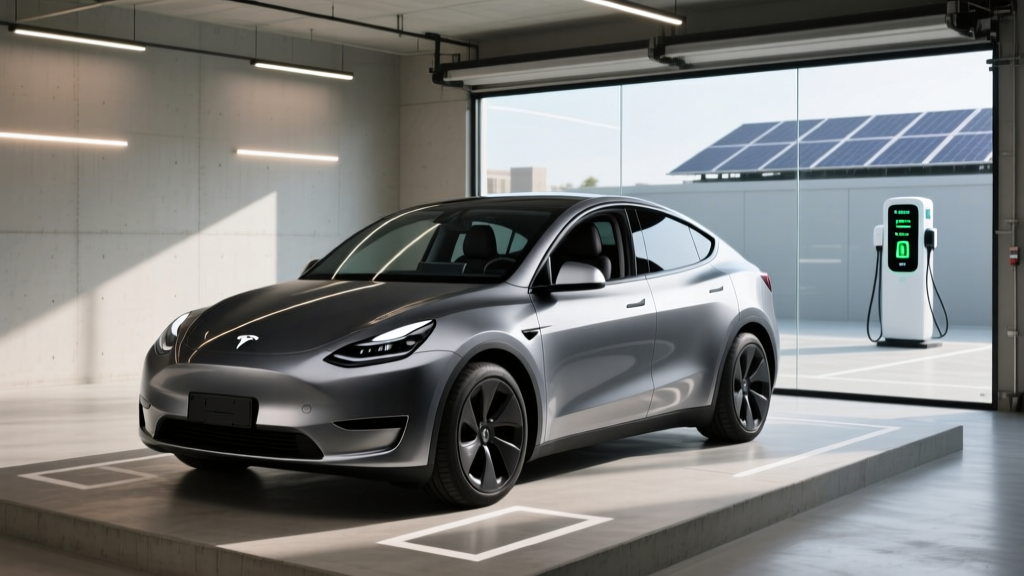
In early 2026, Tesla executed a significant logistics and fulfillment (L&F) contract reduction, streamlining its delivery and distribution network. This operational shift has directly impacted Tesla Model Y pricing strategy, allowing the company to maintain competitive MSRPs while competitors face rising transportation costs. For buyers, the result is a Model Y lineup that starts at $44,990 — a price point that undercuts comparable electric SUVs by $3,000-$8,000.
The L&F contract reduction reflects Tesla's ongoing vertical integration strategy: fewer third-party logistics intermediaries, more direct-to-consumer delivery hubs, and reduced per-unit transportation overhead. While this doesn't change the vehicle itself, it preserves Tesla's pricing advantage at a time when the EV market is intensely competitive.
2026 Tesla Model Y: Range, Battery, and Efficiency
Real-World Expectation: 270-290 miles highway; 240-260 miles in cold weather (below 32°F)
The 2026 Model Y Long Range AWD carries a 75 kWh usable battery pack using NMC (nickel manganese cobalt) chemistry. This chemistry prioritizes energy density over cycle life, delivering the 320-mile EPA rating that anchors Tesla's range competitiveness. The standard-range RWD variant uses a 60 kWh LFP (lithium iron phosphate) battery with a 270-mile EPA estimate — LFP trades some range for longer cycle life and the ability to charge routinely to 100% without degradation concerns.
Efficiency figures from fueleconomy.gov show the Long Range AWD achieving 122 MPGe combined (28 kWh/100mi). This is best-in-class for the electric SUV segment, edging out the Hyundai Ioniq 5 (114 MPGe) and Ford Mustang Mach-E (101 MPGe). The efficiency advantage translates to lower per-mile charging costs and more range extracted from each kWh.
| Trim | Battery (kWh usable) | Chemistry | EPA Range | MPGe (combined) |
|---|---|---|---|---|
| Standard Range RWD | 60 kWh | LFP | 270 mi | 128 MPGe |
| Long Range AWD | 75 kWh | NMC | 320 mi | 122 MPGe |
| Performance AWD | 75 kWh | NMC | 303 mi | 115 MPGe |
Charging Speed: DC Fast Charge and Home Level 2
The Model Y Long Range peaks at 250 kW on DC fast chargers (V3 Superchargers and compatible CCS/NACS stations). In controlled testing, 10-80% state of charge completes in approximately 25-28 minutes, with the charge curve tapering significantly above 80% — a characteristic of NMC chemistry that protects long-term battery health. Expect 15-20 minutes for 10-60%, then a slower climb to 80%.
Home Level 2 charging on a 48-amp (11.5 kW) circuit adds roughly 44 miles of range per hour. A full overnight charge from 20% to 80% takes 5-6 hours, making daily top-ups trivial for commuters with garage or driveway charging access. The Model Y ships with NACS (North American Charging Standard) natively, granting access to Tesla's Supercharger network — currently the most reliable DC fast-charging infrastructure in the U.S. with over 95% uptime per Tesla's 2025 impact report.
| Charging Method | Max Power | Time (10-80%) | Miles Added/Hour |
|---|---|---|---|
| DC Fast Charge (NACS/CCS) | 250 kW peak | ~25-28 min | ~1,000 mi/hr (peak) |
| Level 2 Home (48A/240V) | 11.5 kW | ~7-8 hr (full) | 44 mi/hr |
| Level 1 (120V outlet) | 1.4 kW | ~50+ hr (full) | 4-5 mi/hr |
Performance and Drivetrain
The 2026 Model Y lineup offers three performance tiers. The Standard Range RWD delivers 295 horsepower with a 6.6-second 0-60 mph time — adequate for commuting but not thrilling. The Long Range AWD steps up to 384 hp and a 4.8-second sprint, thanks to dual-motor all-wheel drive that provides confident traction in rain and light snow. The Performance variant pushes 510 hp with a 3.5-second 0-60, rivaling sports sedans at a fraction of their price.
All trims feature regenerative braking with adjustable intensity, enabling one-pedal driving in most conditions. The heat pump (standard across all trims) improves cold-weather efficiency by 10-15% compared to resistive heating, preserving range when temperatures drop.
Pricing, Tax Credits, and Ownership Cost
| Trim | Base MSRP | §30D Credit Eligible? | Effective Price (w/ credit) |
|---|---|---|---|
| Standard Range RWD | $44,990 | Yes (if sourcing/income met) | ~$37,490 |
| Long Range AWD | $49,990 | Yes (if sourcing/income met) | ~$42,490 |
| Performance AWD | $54,990 | Yes (if sourcing/income met) | ~$47,490 |
All 2026 Model Y trims fall under the $80,000 MSRP cap for SUVs under IRS §30D rules. However, eligibility for the full $7,500 credit depends on three factors: buyer income (AGI ≤$150,000 single / ≤$300,000 joint), battery component sourcing (North American assembly requirements that tighten annually), and point-of-sale transfer election. Tesla's U.S.-built Model Y (Fremont and Austin factories) currently meets critical-mineral and battery-component thresholds, but buyers should verify current-year sourcing compliance on Tesla's website or with a tax professional before purchase.
The L&F contract reduction helps Tesla absorb logistics cost inflation without passing it to buyers — a pricing advantage that competitors relying on dealer networks and third-party transport cannot easily match. Total 5-year ownership cost for the Long Range AWD, including electricity, insurance, and depreciation, averages $0.42/mile per AAA and Edmunds estimates, compared to $0.58/mile for a comparable gas SUV.
Interior Space, Cargo, and Tech
The Model Y offers 76 cubic feet of cargo space with rear seats folded (30 cu ft behind the second row), making it practical for families, road trips, and bulky hauls. Rear legroom measures 41.6 inches — generous for adults on longer drives. The front trunk (frunk) adds 4.1 cu ft for charging cables or small bags.
The 15.4-inch center touchscreen runs Tesla's proprietary infotainment OS, which includes native navigation with real-time Supercharger routing, over-the-air updates, and a robust app ecosystem. Notable drawbacks: no Apple CarPlay or Android Auto (Tesla's walled garden), minimal physical buttons (climate and mirror adjustments are screen-only), and rear visibility compromised by the sloping roofline. The available Autopilot driver-assist system is SAE Level 2 — it requires continuous driver supervision and is not self-driving, despite marketing language around "Full Self-Driving (Supervised)."
- Best-in-class efficiency (122 MPGe combined)
- Supercharger network access (most reliable U.S. DC network)
- Competitive pricing post L&F contract reduction
- Strong resale value and low depreciation
- Over-the-air updates add features post-purchase
- No Apple CarPlay/Android Auto
- Minimal physical controls (screen-dependent)
- FSD (Supervised) subscription cost ($99/mo) for advanced features
- Rear visibility and headroom limitations
- Insurance premiums 15-25% higher than gas equivalents
Who Should Buy the 2026 Model Y?
Best for: Daily commuters with home charging access, tech-forward buyers who value OTA updates, road-trippers who rely on Supercharger infrastructure, and families needing SUV cargo space without sacrificing efficiency.
Consider alternatives if: You need Apple CarPlay integration, prefer physical buttons, require third-row seating (look at the Model X or Rivian R1S), or live in an area with limited Supercharger coverage and no home charging option.
Warranty and Long-Term Ownership
Tesla provides an 8-year/120,000-mile battery and drive unit warranty for the Long Range and Performance trims (8-year/100,000-mile for Standard Range). The warranty guarantees at least 70% battery capacity retention over the term — a threshold that real-world data from Tesla's fleet suggests most packs exceed. NMC chemistry typically degrades 10-15% over 150,000 miles under normal use; LFP degrades more slowly but starts with lower energy density.
The basic vehicle warranty is 4 years/50,000 miles. Tesla's mobile service and Supercharger network reduce ownership friction, though service center wait times in high-density markets can stretch 2-3 weeks for non-critical repairs.
Frequently Asked Questions
What is the real-world range of the 2026 Tesla Model Y?
EPA estimates 320 miles for the Long Range AWD, but real-world highway driving at 70+ mph yields 270-290 miles. Cold weather (below freezing) reduces range to 240-260 miles due to battery resistance and cabin heating demands, even with the standard heat pump.
How fast does the Model Y charge at home and on the road?
DC fast charging peaks at 250 kW, delivering 10-80% in 25-28 minutes. Home Level 2 charging on a 48-amp circuit adds 44 miles per hour, fully replenishing overnight. Level 1 (standard outlet) is impractical for daily use at 4-5 miles per hour.
Does the 2026 Model Y qualify for the $7,500 federal tax credit?
All trims meet the MSRP cap ($80,000 for SUVs) and are U.S.-assembled. Eligibility depends on buyer AGI (≤$150k single / ≤$300k joint), battery sourcing compliance (verify current-year rules on IRS.gov), and point-of-sale transfer election. Consult a tax professional for your specific situation.
Is the Model Y worth buying vs. the Hyundai Ioniq 5 or Ford Mach-E?
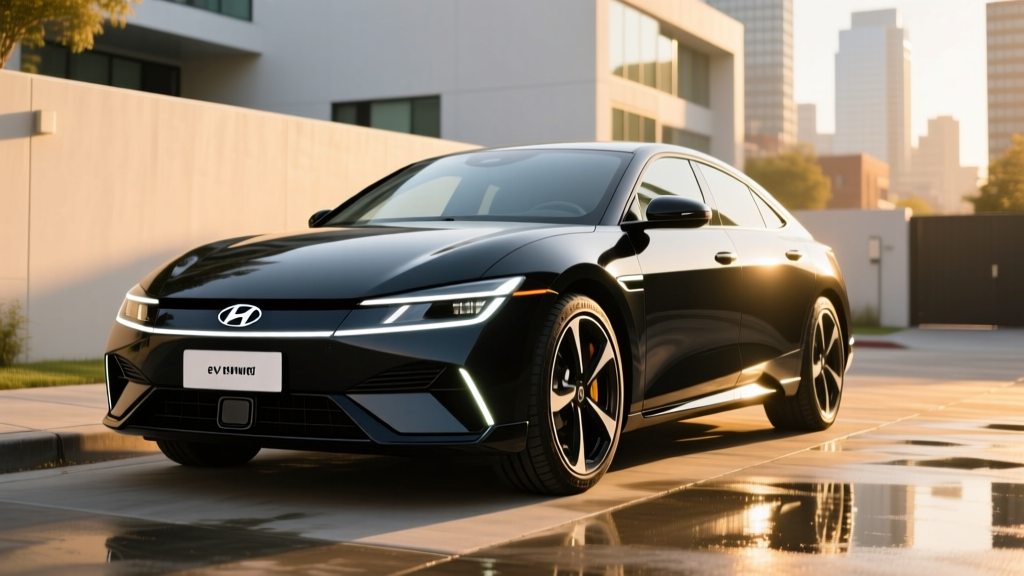
The Model Y wins on efficiency, Supercharger access, and cargo space. The Ioniq 5 offers faster 10-80% charging (18 min at 350 kW) and 800V architecture; the Mach-E provides a more traditional SUV driving feel and Apple CarPlay. Choose the Model Y if range efficiency and charging network reliability are your top priorities.
What are the biggest drawbacks of the 2026 Model Y?
No smartphone integration (CarPlay/Android Auto), screen-only climate/mirror controls, FSD subscription cost for advanced driver-assist features, and higher insurance premiums than gas equivalents. Rear headroom is also limited for taller passengers due to the coupe-like roofline.