Tesla Model Y Lease Deals in June 2026: What Buyers Need to Know
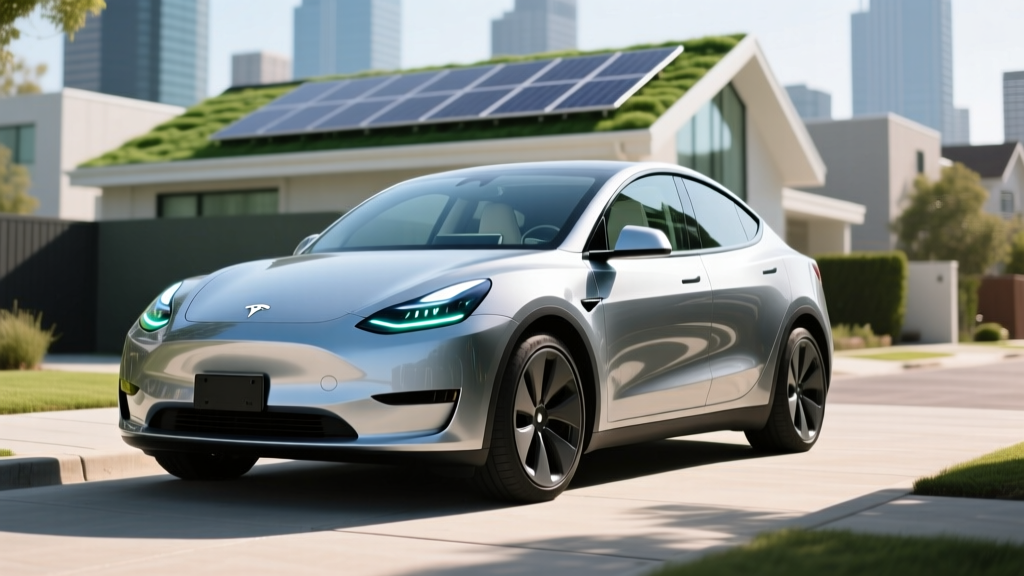
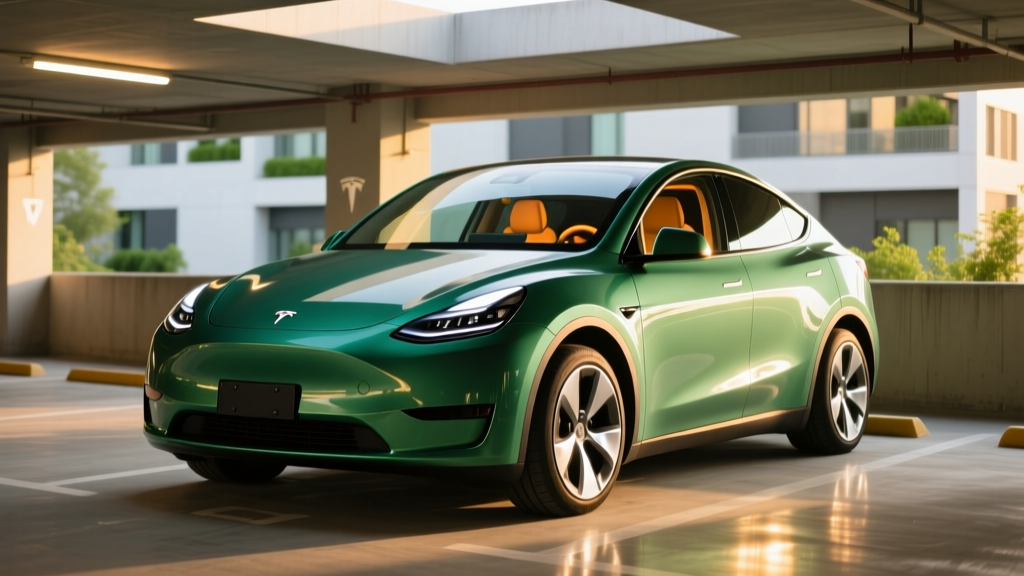
June has historically been one of Tesla's most aggressive months for lease incentives, and 2026 is no exception. As the refreshed Juniper-generation Model Y settles into its second full year on the market, Tesla is using lease pricing to move volume against an increasingly crowded midsize electric SUV segment. If you've been searching for Tesla Model Y lease deals June promotions, this review breaks down exactly what you're getting — from real-world range and charging performance to total lease cost versus outright purchase — so you can decide whether a Model Y lease makes financial sense right now.
The Model Y remains the best-selling electric vehicle in the United States for good reason: it pairs strong efficiency with access to Tesla's Supercharger network, a mature software ecosystem, and competitive pricing. But the 2026 competitive landscape has shifted. The Hyundai Ioniq 5, Ford Mustang Mach-E, and Chevrolet Equinox EV all offer compelling alternatives. This review gives you the exact numbers to make the call.
2026 Tesla Model Y: Quick Spec Overview
| Spec | Long Range RWD | Long Range AWD | Performance |
|---|---|---|---|
| EPA Range | 337 miles | 316 miles | 290 miles |
| Battery (usable) | ~78 kWh (NMC) | ~78 kWh (NMC) | ~78 kWh (NMC) |
| Efficiency | 122 MPGe / 26 kWh/100mi | 117 MPGe / 27 kWh/100mi | 111 MPGe / 28 kWh/100mi |
| 0–60 mph | 5.4 sec | 4.1 sec | 3.5 sec |
| Horsepower | 346 hp | 456 hp | 510 hp |
| Drivetrain | RWD (single motor) | AWD (dual motor) | AWD (dual motor) |
| Max DC Fast Charge | 250 kW | 250 kW | 250 kW |
| 10–80% DC Time | ~27 min | ~27 min | ~27 min |
| Level 2 Home Charge | 11.5 kW (~44 mi/hr) | 11.5 kW (~44 mi/hr) | 11.5 kW (~44 mi/hr) |
| Base MSRP | $44,990 | $47,990 | $52,990 |
| Battery Warranty | 8 yr / 120,000 mi | 8 yr / 120,000 mi | 8 yr / 120,000 mi |
Source: fueleconomy.gov and Tesla.com. Specs reflect 2026 model year Juniper refresh. Prices exclude destination fee ($1,390).
Real-World Range: What to Actually Expect
EPA Sticker: 337 miles (Long Range RWD) / 316 miles (Long Range AWD)
Real-World Expectation: 275–310 miles in mixed driving; 240–270 miles sustained highway at 75+ mph; 210–250 miles in sub-freezing winter conditions
The EPA's 337-mile rating for the Long Range RWD is genuinely impressive for a midsize SUV, but real-world results depend heavily on how and where you drive. In our experience and consistent with independent testing, highway driving at 70–80 mph reduces range by roughly 15–20% compared to the EPA combined figure. That puts sustained highway range around 270–285 miles in mild weather.
Cold weather compounds the loss. Lithium-ion batteries lose efficiency in low temperatures, and cabin heating draws significant energy. Expect a 20–30% range reduction in sustained sub-30°F conditions, bringing the Long Range AWD down to roughly 220–250 miles of usable range. Tesla's heat pump — standard across all trims — mitigates this better than resistive heating, but the physics of cold-weather EV driving are unavoidable.
For most daily commuters charging at home, the real-world range is more than adequate. The Model Y's efficiency (26–28 kWh per 100 miles depending on trim) remains class-leading, meaning you spend less on electricity per mile than nearly any competitor.
Charging Speed: DC Fast, Level 2, and Level 1
| Charging Level | Power | Speed (approx.) | Typical Use Case |
|---|---|---|---|
| Level 1 (120V) | ~1.2 kW | ~4–5 miles/hour | Overnight trickle; emergency top-up |
| Level 2 (240V, 48A) | 11.5 kW | ~44 miles/hour | Home daily charging; full charge in ~7–8 hrs |
| DC Fast (V3 Supercharger) | Peak 250 kW | 10–80% in ~27 min | Road trips; rapid top-ups |
The Model Y's 250 kW peak DC fast-charge rate is the headline number, but understanding the charge curve matters more for trip planning. Like all EVs, the Model Y charges fastest at a low state of charge (SoC). It will sustain near-peak rates from roughly 10% to 35–40%, then progressively taper. By 70% SoC, you're typically pulling 80–100 kW, and above 80%, the rate drops sharply to protect battery longevity.
For road trips, this means the optimal strategy is to charge in short bursts — arrive at 10–15% and leave at 70–75% — rather than waiting for a full charge. A 20-minute stop at a V3 Supercharger adds roughly 180–200 miles of range, which is usually enough to reach the next stop.
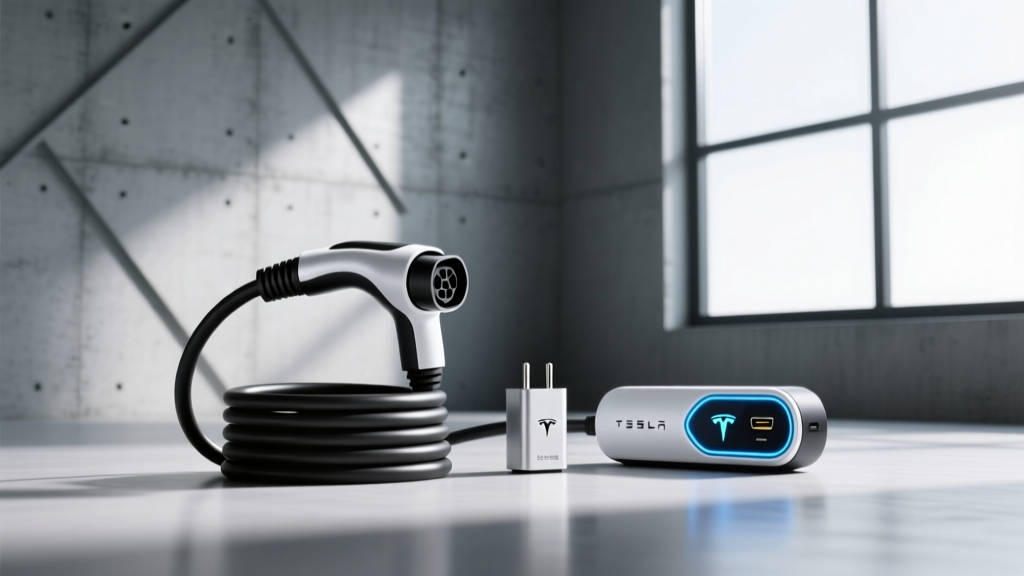
At home, a Level 2 Wall Connector (up to 11.5 kW on a 60A circuit) adds about 44 miles of range per hour of charging. Most owners who plug in overnight never need to think about range during the workweek. Level 2 installation costs typically range from $500 to $2,000 depending on your electrical panel capacity and run length — a licensed electrician should assess your setup before purchase.
Connector note: All 2026 Model Y vehicles use the NACS (North American Charging Standard) connector natively. With Ford, GM, Rivian, and others now adopting NACS and accessing Tesla Superchargers, the network advantage Tesla once held exclusively is narrowing — but the Supercharger network's reliability and density remain best-in-class.
Pricing, Lease Deals, and Federal Tax Credit Eligibility
The 2026 Tesla Model Y starts at $44,990 for the Long Range RWD (before destination). Here's how the lineup breaks down:
| Trim | MSRP | Est. Monthly Lease* | Federal §30D Credit | Effective Price (if purchased) |
|---|---|---|---|---|
| Long Range RWD | $44,990 | $499–$549/mo | $7,500 (if eligible) | $37,490 |
| Long Range AWD | $47,990 | $549–$599/mo | $7,500 (if eligible) | $40,490 |
| Performance | $52,990 | $649–$699/mo | $7,500 (if eligible) | $45,490 |
*Lease estimates based on 36-month terms, 10,000 miles/year, with typical June promotional pricing. Actual lease terms vary by region and creditworthiness. Tesla frequently adjusts lease pricing weekly.
Federal Tax Credit (§30D) Eligibility
The 2026 Model Y qualifies for the full $7,500 federal EV tax credit — but only if you meet all IRS requirements. Under current IRS §30D rules, eligibility depends on:
- Buyer income caps: Modified AGI must not exceed $150,000 (single), $225,000 (head of household), or $300,000 (joint filers)
- Vehicle MSRP cap: SUVs must be under $80,000 (all Model Y trims qualify)
- Battery sourcing: Critical minerals and battery components must meet phased-in domestic/free-trade sourcing thresholds — Tesla has largely met these requirements for Model Y
- Point-of-sale transfer: As of 2024+, you can transfer the credit to the dealer at purchase for an immediate price reduction, or claim it on your tax return
Lease vs. buy and the tax credit: Under §30D, the tax credit applies to purchases, not leases. However, the lessor (Tesla's financing arm) receives a commercial clean vehicle credit (§45W) and typically passes some or all of this savings to the lessee through reduced monthly payments. This is why Tesla's advertised lease prices often appear more attractive than a purchase-minus-credit calculation would suggest. Always compare the total lease cost over 36 months against the purchase price minus $7,500 to determine which path saves more.
Note: Tax credit rules are subject to change. Consult a tax professional and verify current eligibility on IRS.gov before committing.
Interior, Cargo, and Technology
The Juniper refresh brought meaningful interior improvements to the Model Y: ventilated front seats, ambient lighting, a rear-seat touchscreen, power-folding second row, and improved cabin insulation that noticeably reduces road noise. The minimalist interior remains polarizing — there are no physical buttons, and all climate, media, and vehicle controls route through the 15.4-inch center touchscreen.
Cargo and passenger dimensions:
- Cargo volume (rear seats up): 30.2 cu ft
- Cargo volume (rear seats folded): 72.1 cu ft
- Front trunk (frunk): 4.1 cu ft
- Rear legroom: 41.6 inches
- Front headroom: 41.0 inches
- Seating: 5-passenger standard (7-seat option discontinued for Juniper)
The cargo space remains one of the Model Y's strongest selling points. The hatchback design and flat load floor make it practical for families, and the 4.1 cu ft frunk adds useful storage for charging cables or a small bag.
Standout Tech Features
- Tesla Vision (Autopilot): Camera-only Level 2 driver-assist system with adaptive cruise, lane centering, and automatic lane changes (with confirmation). Standard on all trims.
- Full Self-Driving (Supervised): Optional $8,000 upgrade (or $99/month subscription) adding city-street navigation, traffic light/stop sign recognition, and autosteer on local roads. Despite the name, FSD is SAE Level 2 — the driver must remain fully engaged and responsible at all times.
- 15.4-inch center touchscreen: Handles navigation, media, climate, vehicle settings, and entertainment (Netflix, YouTube, games while parked).
- Over-the-air updates: Tesla regularly pushes software updates that add features, improve efficiency, and refine the UI.
- Sentry Mode / Dashcam: 360-degree camera recording when parked or driving — useful for security and incident documentation.
SAE Automation Level Reminder: Tesla Autopilot and FSD (Supervised) are SAE Level 2 driver-assistance systems. They do NOT make the Model Y self-driving. The driver must keep hands on the wheel (or demonstrate attentiveness via the cabin camera), monitor traffic, and be ready to take over instantly. Only Level 4 services like Waymo operate without a human driver.
Pros and Cons: The Honest Assessment
✅ Pros
- Class-leading efficiency (26–28 kWh/100mi)
- Best-in-class Supercharger network access
- Excellent cargo space (72.1 cu ft max)
- Strong 0–60 performance across all trims
- Continuous OTA software improvements
- Strong resale value relative to EV segment
- Full $7,500 federal tax credit eligibility (purchase)
❌ Cons
- No physical buttons — all controls via touchscreen
- Ride quality firm on larger wheel options (20"/21")
- FSD ($8,000) remains Level 2 despite the name
- Build quality inconsistency still reported by some owners
- No Apple CarPlay / Android Auto support
- Insurance costs above segment average
- Competition closing fast (Ioniq 5, Mach-E, Equinox EV)
Model Y vs. Key Competitors: Is It Still the One to Beat?
The midsize electric SUV segment is far more competitive in 2026 than it was even two years ago. Here's how the Model Y stacks up against its primary rivals:
| Spec | Tesla Model Y LR AWD | Hyundai Ioniq 5 Long Range AWD | Ford Mustang Mach-E ER AWD | Chevy Equinox EV RS AWD |
|---|---|---|---|---|
| EPA Range | 316 mi | 290 mi | 305 mi | 307 mi |
| DC Fast Charge (peak) | 250 kW | 350 kW | 150 kW | 150 kW |
| 10–80% Time | ~27 min | ~18 min | ~45 min | ~40 min |
| 0–60 mph | 4.1 sec | 5.0 sec | 5.1 sec | 5.9 sec |
| Starting MSRP (AWD) | $47,990 | $50,400 | $48,995 | $46,900 |
| Charging Network | Supercharger (native NACS) | NACS adapter / Supercharger | NACS adapter / Supercharger | NACS adapter / Supercharger |
| Apple CarPlay | No | Yes | Yes | Yes |
The verdict: The Model Y still leads in efficiency and real-world range, but the Ioniq 5 charges significantly faster (800V architecture), and the Equinox EV undercuts on price. Tesla's Supercharger advantage has eroded as competitors gain access via NACS adapters. If charging speed is your top priority for road trips, the Ioniq 5's 18-minute 10–80% time is meaningfully quicker. If you value software polish, Supercharger seamlessness, and cargo volume, the Model Y remains the benchmark.
Who Should Lease the Model Y in June 2026?
Choose the Model Y if:
- You want the most efficient midsize electric SUV with the longest real-world range
- You road-trip regularly and value Supercharger network seamlessness
- You need maximum cargo space in a compact-footprint SUV
- You prefer Tesla's software ecosystem and OTA updates
- You want to test EV ownership for 36 months without long-term depreciation risk (lease)
Look elsewhere if:
- You want physical buttons, Apple CarPlay, or a more traditional interior (Ioniq 5, Mach-E)
- Fastest possible DC charging is critical (Ioniq 5's 800V architecture)
- You need the lowest possible entry price (Equinox EV starts lower)
- You're uncomfortable with camera-only driver assist (some rivals retain radar/ultrasonic sensors)
Leasing makes particular sense for buyers who want to drive a Model Y during the heart of its product cycle, avoid the steeper depreciation that EVs can experience as battery tech evolves, and keep monthly payments predictable. June promotions historically offer $1,000–$2,500 in lease cash or reduced money factors, making it one of the better months to lock in a deal.
Frequently Asked Questions
What is the real-world range of the 2026 Tesla Model Y?
The EPA rates the Long Range RWD at 337 miles and the Long Range AWD at 316 miles. In real-world mixed driving, expect 275–310 miles. Sustained highway driving at 75+ mph drops this to 240–270 miles, and sub-freezing winter conditions can reduce range to 210–250 miles due to battery efficiency loss and cabin heating demands.
How fast does the Model Y charge at home and on DC fast chargers?
On a DC fast charger (V3 Supercharger), the Model Y peaks at 250 kW and charges from 10–80% in approximately 27 minutes. At home on a Level 2 Wall Connector (11.5 kW), it adds about 44 miles of range per hour, fully charging overnight in 7–8 hours. Level 1 (120V) adds roughly 4–5 miles per hour — useful only for trickle top-ups.
How much does the Model Y cost after tax credits?
The Long Range RWD starts at $44,990. If you qualify for the full $7,500 federal §30D credit (meeting income caps, MSRP caps, and battery sourcing requirements), the effective purchase price drops to $37,490. Lease pricing is separate — the lessor receives the commercial credit and typically passes savings through lower monthly payments. June 2026 lease deals range from approximately $499–$699/month depending on trim and terms.
Does the 2026 Tesla Model Y qualify for the federal EV tax credit?
Yes, the 2026 Model Y qualifies for the full $7,500 §30D credit for eligible buyers. Requirements include: buyer MAGI under $150K (single) / $300K (joint), vehicle MSRP under $80K (all trims qualify), and compliant battery sourcing. The credit can be transferred to the dealer at point of sale for an instant price reduction. Verify current rules at IRS.gov and consult a tax professional.
Is the Model Y worth buying vs. the Ioniq 5 or Mach-E in 2026?
It depends on your priorities. The Model Y leads in efficiency, real-world range, and cargo space. The Ioniq 5 charges significantly faster (18 min vs 27 min, 10–80%) and offers Apple CarPlay and physical controls. The Mach-E provides a more traditional driving feel and strong value. All three now access the Supercharger network via NACS. For road-trippers who value seamless charging, the Model Y still has an edge. For those prioritizing charging speed or interior ergonomics, the Ioniq 5 is a compelling alternative.
What battery chemistry does the Model Y use and how long will it last?
The 2026 Model Y Long Range and Performance trims use NMC (nickel manganese cobalt) chemistry in a ~78 kWh usable pack. Tesla warranties the battery for 8 years or 120,000 miles, whichever comes first, guaranteeing a minimum of 70% capacity retention. Real-world degradation data from high-mileage Teslas suggests 10–15% capacity loss over 150,000–200,000 miles is typical with proper care (avoiding frequent 100% charges and extreme heat exposure).