The Tesla Moonroof: What You're Actually Getting
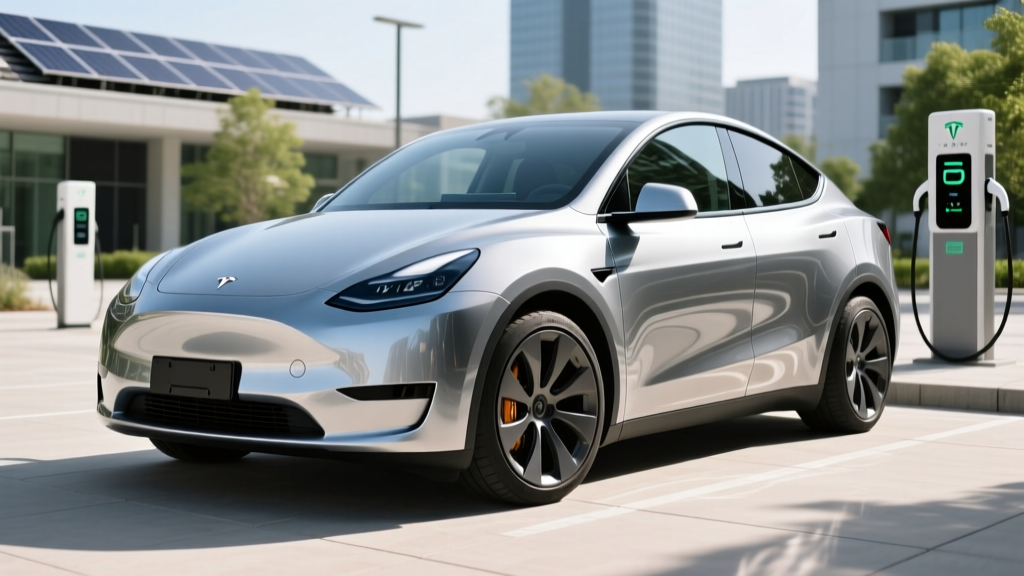
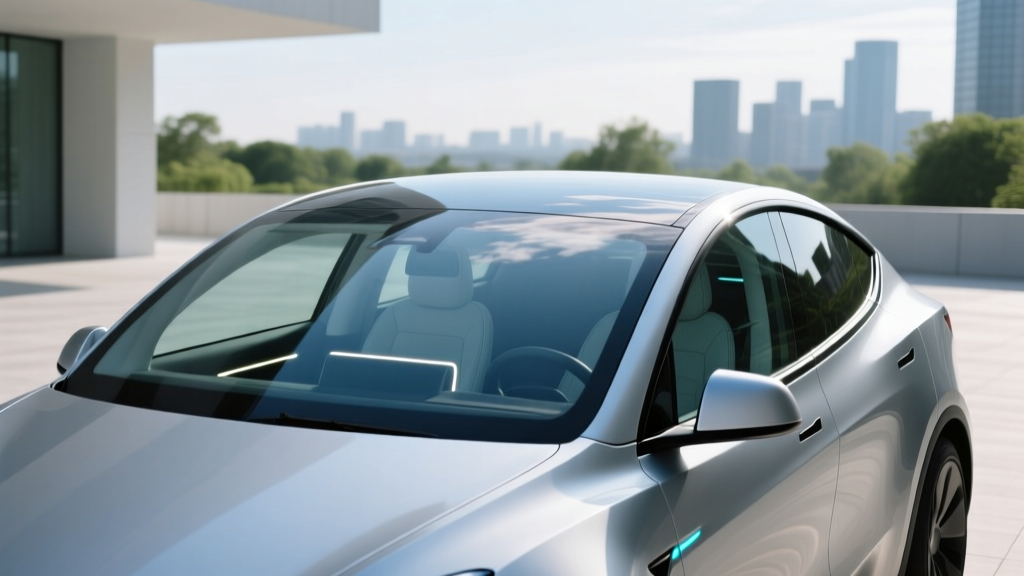
When shoppers search for a Tesla moonroof, they're almost always referring to the Model Y's panoramic glass roof — a single, massive pane of tinted glass stretching from the windshield header to the rear hatch. Unlike a traditional mechanical moonroof that opens, Tesla's glass roof is fixed. It doesn't vent, tilt, or slide. What it does deliver is an unmatched sense of cabin openness that has become one of Tesla's most polarizing design features.
In this review, we'll break down the full ownership picture of the 2026 Tesla Model Y — including how that glass roof affects cabin temperature, cargo utility, and whether the rest of the vehicle justifies its price in an increasingly crowded electric SUV segment.
2026 Tesla Model Y: Core Specs at a Glance
| Spec | Long Range AWD | Performance |
|---|---|---|
| EPA Range | 320 miles | 285 miles |
| Battery Capacity (usable) | ~75 kWh | ~75 kWh |
| Battery Chemistry | NMC (nickel manganese cobalt) | NMC |
| Drivetrain | Dual-Motor AWD | Dual-Motor AWD |
| Horsepower | 384 hp | 456 hp |
| 0–60 mph | 4.8 sec | 3.5 sec |
| Peak DC Fast Charge | 250 kW | 250 kW |
| 10–80% DC Charge Time | ~27 min | ~27 min |
| Level 2 Home Charge Rate | 11.5 kW (~44 mi/hr) | 11.5 kW (~44 mi/hr) |
| Efficiency | 27 kWh/100 mi (123 MPGe) | 30 kWh/100 mi (111 MPGe) |
| Cargo (rear seats up / down) | 30.2 / 72.1 cu ft | 30.2 / 72.1 cu ft |
| Rear Legroom | 41.6 in | 41.6 in |
| Base MSRP | $47,990 | $54,990 |
| Battery Warranty | 8 yr / 120,000 mi | 8 yr / 120,000 mi |
Sources: fueleconomy.gov, Tesla spec sheets. Figures reflect 2026 model-year estimates.
Range: EPA Numbers vs. Real-World Reality
EPA estimate: 320 miles (Long Range AWD)
Real-world expectation: ~260–280 miles on sustained highway driving at 70+ mph. In cold weather (below 30°F), expect a 15–25% reduction, dropping effective range to roughly 240–270 miles depending on cabin heating demands.
The Model Y Long Range's 320-mile EPA figure is competitive for the segment, but EPA testing blends city and highway cycles at moderate speeds. On a real interstate road trip at 75 mph with climate control running, most owners report 260–280 miles of usable range before needing to stop. This is a critical distinction if you regularly drive routes with sparse Supercharger coverage.
The Performance trim sacrifices range for speed: 285 miles EPA, which translates to roughly 230–250 miles in real highway driving. If you live in northern climates, winter range loss is significant — the glass roof, while gorgeous, contributes to higher thermal load on the heat pump system since it radiates heat outward in cold conditions and absorbs solar gain in summer.
Charging: Supercharger Network Advantage
The Model Y charges at a peak rate of 250 kW on V3 Superchargers. However, that peak is only sustained between roughly 10–30% State of Charge (SoC). The charge curve tapers progressively: expect ~170 kW at 50% SoC, ~90 kW at 70%, and a steep drop above 80%. This is why Tesla quotes 10–80% in approximately 27 minutes rather than a full 0–100% time.
| Charging Level | Power | Miles Added per Hour | Use Case |
|---|---|---|---|
| Level 1 (120V outlet) | ~1.4 kW | ~4–5 mi/hr | Emergency/overnight trickle |
| Level 2 (240V home) | 11.5 kW | ~44 mi/hr | Daily home charging |
| DC Fast (V3 Supercharger) | Peak 250 kW | ~1,000+ mi/hr (at peak) | Road trips |
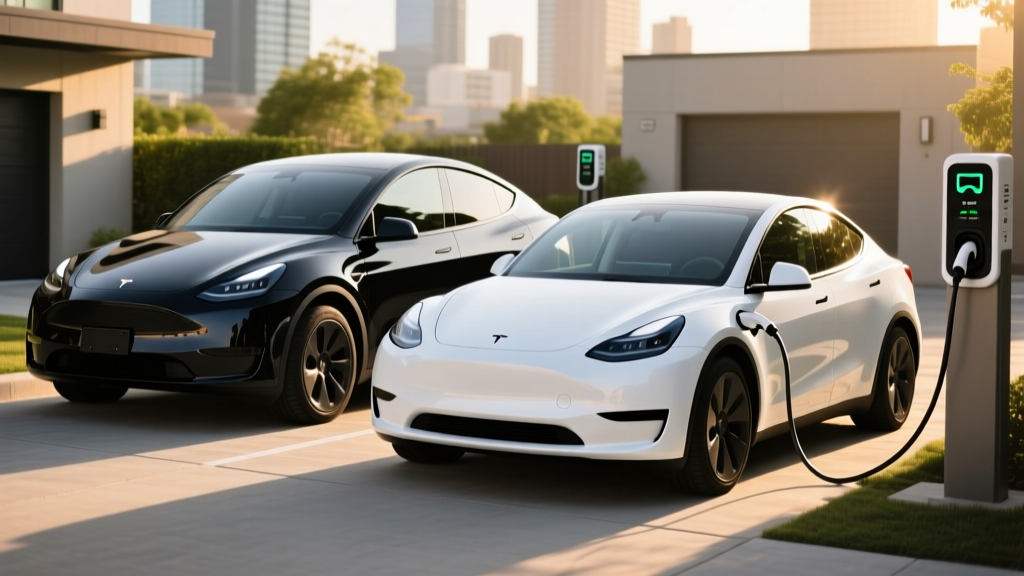
Home charging on a Level 2 wall connector at 48 amps delivers roughly 44 miles of range per hour — enough to fully replenish overnight. Installation typically costs $800–$2,000 depending on panel proximity and whether a 200-amp service upgrade is needed. The Model Y's NACS connector is now the industry standard, with Ford, Rivian, and others adopting it — giving Tesla owners first-party access to the Supercharger network, which remains the most reliable public DC fast-charging ecosystem in the US.
The Glass Roof: Feature or Flaw?
The panoramic glass roof is arguably the Model Y's most distinctive interior feature — and its most debated. Here's what you need to know as an owner:
- Solar heat gain: In summer, the glass roof admits significant infrared radiation. Tesla applies a factory tint and UV coating, but many owners in southern climates add an aftermarket shade ($40–$80 on Amazon) to reduce cabin temperatures by 10–15°F. The heat pump handles cooling, but preconditioning while plugged in is essential in hot weather.
- Cold-weather impact: The glass radiates cabin heat upward in winter. You'll rely more on the seat heaters and steering wheel heater (both efficient resistive elements) rather than the cabin air heater, which draws more from the traction battery.
- Openness and visibility: The unbroken glass creates an airy, spacious cabin feel that makes the interior feel larger than its dimensions suggest. Rear passengers, especially children, love it. It's a genuine differentiator vs. competitors with conventional metal roofs.
- No retractable option: If you want fresh air, you'll need to crack a window. There's no moonroof shade built in from the factory (unlike some competitors).
Pricing, Tax Credits, and Total Cost
| Long Range AWD | Performance | |
|---|---|---|
| Base MSRP | $47,990 | $54,990 |
| Destination Fee | $1,390 | $1,390 |
| As-Tested (with common options) | ~$50,500 | ~$57,500 |
| Federal §30D Tax Credit (max) | Up to $7,500 | Up to $7,500 |
| Effective Price (after max credit) | ~$41,880 | ~$48,880 |
Tax credit eligibility caveats: Under current IRS §30D rules, the $7,500 federal credit requires the buyer to meet income caps ($150K single / $300K joint AGI), the vehicle must be under the $80,000 MSRP cap for SUVs (both trims qualify), and battery components plus critical minerals must meet US-sourcing thresholds that tighten annually. As of 2026, Tesla's battery sourcing has adapted to retain partial or full credit eligibility, but this can change — always verify current status on the IRS Clean Vehicle Credit list before purchasing. The credit can now be transferred at the point of sale, reducing your purchase price directly rather than waiting for a tax refund.
Driving Dynamics, Tech, and Daily Ownership
The Model Y drives like a Tesla: quick, composed, and digitally integrated. The Long Range AWD's 4.8-second 0–60 time is effortless for highway merging, and the dual-motor setup provides confident all-weather traction. Ride quality has improved over earlier model years with revised damper tuning, though it's still firmer than a Toyota RAV4 or Hyundai Ioniq 5 — you'll feel expansion joints and potholes more acutely.
Standout tech:
- 15.4-inch center touchscreen running Tesla's proprietary OS — fast, responsive, with native navigation, Spotify, Netflix (parked), and over-the-air updates
- Autopilot (standard): SAE Level 2 lane-centering and adaptive cruise. Full Self-Driving (Supervised) is a $8,000 option that adds automated lane changes, traffic-light recognition, and city-street navigation — but remains Level 2 requiring active driver supervision at all times
- Sentry Mode and dashcam recording (uses external cameras, stores to USB drive)
- Phone-as-key with walk-up unlock and automatic climate preconditioning
- Frunk (front trunk): 4.1 cu ft — useful for charging cables or groceries
Notable drawbacks:
- No physical instrument cluster — all info routes through the center screen, which some drivers find distracting
- Minimalist interior means no physical buttons for climate, mirrors, or glovebox (all screen-controlled)
- Turn signal stalks removed on recent models — signals are now on the steering wheel rim, which is unintuitive during roundabouts or multi-lane maneuvers
- Insurance premiums run 15–30% higher than comparable ICE SUVs in most states
Who Should Buy the Model Y?
✅ Choose the Model Y if:
- You want access to the Supercharger network for hassle-free road trips
- You value the panoramic glass roof's openness and modern cabin aesthetic
- You need 30+ cu ft of cargo space with an available hatchback form factor
- You want OTA software updates that add features over time
- You're eligible for the §30D tax credit and want point-of-sale transfer
❌ Look elsewhere if:
- You prefer physical buttons, a dedicated instrument cluster, or a traditional driving interface
- You live in extreme heat and don't want to manage glass-roof solar gain
- You need a true 7-seat SUV (the optional third row is cramped for anyone over 5'4")
- You want a softer, more compliant ride tuned for comfort over sportiness
How Does It Compare?
The Model Y competes against the Hyundai Ioniq 5, Ford Mustang Mach-E, Kia EV6, and BMW iX. The Ioniq 5 offers 800V architecture and faster peak charging (~18 min 10–80%) but less Supercharger access. The Mach-E is roomier and has a more conventional interior but trails on efficiency. The Model Y's advantages remain its software ecosystem, Supercharger network, and the glass roof's cabin experience — but its minimalist interior and screen-dependent controls are genuine deal-breakers for some buyers.
Frequently Asked Questions
Does the Tesla Model Y moonroof open?
No. The Model Y's panoramic glass roof is a fixed panel — it does not tilt, slide, or vent. It provides an unobstructed sky view but no fresh-air functionality.
Does the glass roof make the cabin too hot in summer?
In direct sun, cabin temperatures can rise noticeably. Tesla's factory tint and UV coating help, but many owners in hot climates install an aftermarket sunshade ($40–$80) to reduce solar heat gain. Preconditioning while plugged in mitigates the issue significantly.
What is the real-world range of the Tesla Model Y?
The Long Range AWD is EPA-rated at 320 miles, but expect 260–280 miles on sustained highway driving. In cold weather below 30°F, range drops 15–25%, yielding roughly 240–270 miles depending on heating usage.
Does the 2026 Model Y qualify for the $7,500 federal tax credit?
Both trims fall under the $80,000 SUV MSRP cap. However, full credit eligibility depends on your AGI (income caps apply), battery component sourcing, and critical-mineral requirements that tighten annually. Verify current eligibility on the IRS Clean Vehicle Credit page before purchasing.
Is the Model Y worth it vs. the Hyundai Ioniq 5 or Ford Mach-E?
The Model Y wins on Supercharger network access, software integration, and cargo versatility. The Ioniq 5 charges faster (800V architecture) and has a more conventional interior. The Mach-E offers a roomier rear seat and physical controls. Your priority — charging network vs. interior ergonomics vs. ride comfort — should drive the decision.
How much does home charging cost for the Model Y?
At the US average electricity rate of ~$0.16/kWh, fully charging the 75 kWh battery costs roughly $12. Compare that to $50–$70 for a tank of gas in a comparable ICE SUV. Level 2 home charger installation runs $800–$2,000 depending on electrical panel proximity and local permitting.