2026 Tesla Model Y: The Birmingham Owner's Complete Guide
If you're researching Tesla service in Birmingham, chances are you're either considering a Tesla purchase in the Birmingham, Alabama metro area or you already own one and want to understand what long-term ownership looks like locally. This review covers the 2026 Tesla Model Y — the best-selling EV in America — with exact specs, real-world range data, charging logistics, federal tax credit eligibility, and a clear-eyed look at what servicing a Tesla looks like in central Alabama.
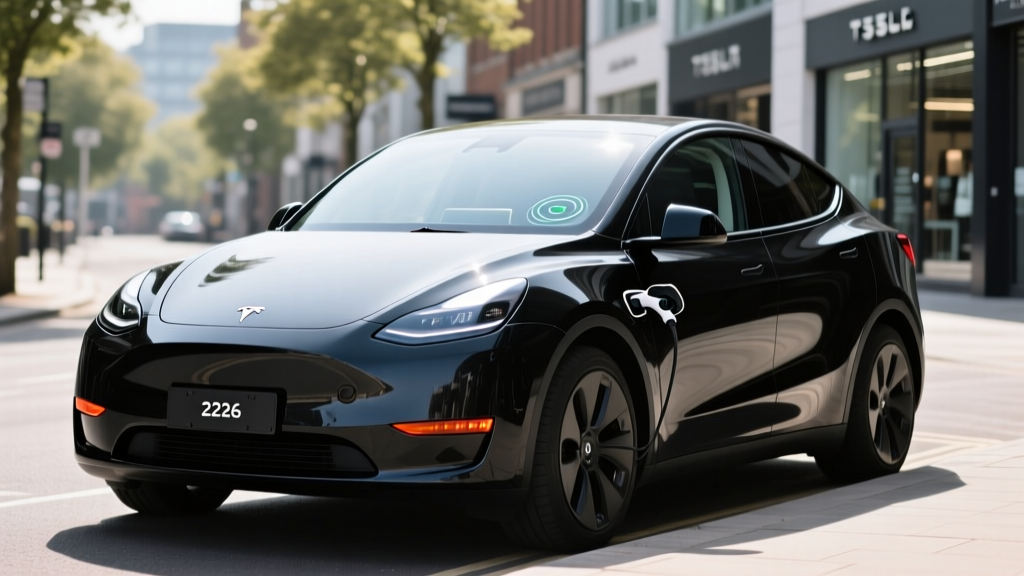
The Model Y received a significant refresh (internally called "Juniper") that carried into the 2026 model year with updated styling, improved ride quality, a ventilated-seat option, and refined thermal management. It remains the default compact electric crossover for buyers who want Supercharger network access, strong range, and minimal dealer interaction.
Range, Battery, and Real-World Efficiency
The 2026 Model Y Long Range AWD carries a 78.1 kWh usable battery pack using NMC (nickel manganese cobalt) chemistry, which prioritizes energy density over the LFP (lithium iron phosphate) packs found in the RWD base model. The RWD variant uses a ~60 kWh LFP battery that can be charged to 100% daily without degradation concerns — a meaningful ownership advantage for commuters.
- Long Range AWD: EPA 320 miles — expect ~275–290 miles in mixed highway driving at 70–75 mph; ~240–255 miles in sustained cold weather (below 35°F)
- RWD (LFP): EPA 260 miles — expect ~225–240 miles highway; ~195–210 miles in cold weather
- Performance AWD: EPA 295 miles — expect ~255–270 miles highway
Alabama's hot summers are less punishing on range than northern winters, but running the cabin AC at full blast in July can knock 5–8% off your range. Birmingham's mild winters mean you'll rarely see the 20%+ cold-weather losses that northern owners experience, though January mornings in the low 30s will still reduce regenerative braking effectiveness until the battery warms.
| Spec | Long Range AWD | RWD | Performance AWD |
|---|---|---|---|
| EPA Range | 320 mi | 260 mi | 295 mi |
| Battery (usable) | 78.1 kWh (NMC) | ~60 kWh (LFP) | 78.1 kWh (NMC) |
| Efficiency | 27 kWh/100mi (126 MPGe) | 26 kWh/100mi (130 MPGe) | 29 kWh/100mi (116 MPGe) |
| 0–60 mph | 4.8 sec | 6.6 sec | 3.5 sec |
| Horsepower | 384 hp | 295 hp | 510 hp |
| Drivetrain | Dual-motor AWD | Rear-wheel drive | Dual-motor AWD |
| Base MSRP | $48,990 | $44,990 | $53,990 |
Charging Speed: DC Fast, Level 2, and Birmingham Infrastructure
Charging speed is where the Model Y's architecture shows both strengths and limitations. The Long Range and Performance variants peak at 250 kW on DC fast chargers (V3 Superchargers), while the RWD model tops out around 170 kW due to its smaller LFP pack's charge-rate constraints.
| Charge Method | Power / Rate | Time / Miles Added |
|---|---|---|
| DC Fast (V3 Supercharger, Long Range) | Peak 250 kW | 10–80% in ~25 min; ~200 mi in 15 min |
| DC Fast (V3 Supercharger, RWD) | Peak 170 kW | 10–80% in ~28 min |
| Level 2 (48A / 11.5 kW home wall connector) | 11.5 kW | ~44 miles per hour of charging; full charge in ~7–8 hrs |
| Level 2 (32A / 7.7 kW mobile connector + NEMA 14-50) | 7.7 kW | ~30 miles per hour; full charge in ~10–11 hrs |
| Level 1 (120V standard outlet) | ~1.4 kW | ~4–5 miles per hour; emergency use only |
Charging curve reality: The 250 kW peak on Long Range models is sustained only between roughly 10–30% state of charge. By 50%, you're closer to 120 kW, and above 80% the rate drops sharply to protect the NMC battery. This is normal for all lithium-ion EVs, but it means a "250 kW charger" doesn't deliver 250 kW for the full session.
For Birmingham-area owners, the Supercharger network is robust. Tesla operates Supercharger stations in Birmingham (multiple locations including the Summit and Hoover areas), Tuscaloosa, Montgomery, and along I-20/I-59 corridors. The Tesla Supercharger map shows live stall availability. Non-Tesla DC networks like Electrify America and ChargePoint also serve the area, and the Model Y's native NACS connector now works at an expanding number of third-party stations via the Tesla-approved adapter or stations that have added NACS cables.
Performance, Interior Space, and Technology
The Juniper-refreshed Model Y interior is noticeably quieter than pre-2025 models, with acoustic glass, ventilated front seats, ambient lighting, and a rear-seat touchscreen for passenger climate and media control. Build quality from the Austin Gigafactory has improved substantially — panel gaps are tighter and the materials feel a tier above the 2022–2024 cars.
Cargo and passenger dimensions:
- Cargo volume (rear seats up): 30.2 cu ft
- Cargo volume (rear seats folded): 72.1 cu ft
- Front frunk: 4.1 cu ft
- Rear legroom: 41.6 inches
- Front headroom: 41.0 inches
- Seating: 5 passengers standard (7-seat option discontinued for 2026)
Standout technology:
- 15.4-inch center touchscreen running Tesla OS with native navigation, streaming, and vehicle controls
- Autopilot (SAE Level 2) standard — adaptive cruise + lane centering; requires hands on wheel
- Full Self-Driving (Supervised) available as a $8,000 option or $99/mo subscription — still Level 2, not autonomous
- Over-the-air updates that add features incrementally
- Sentry Mode dashcam surveillance, Dog Mode climate, and phone-as-key
- Heat pump standard — critical for efficient cabin heating in winter without draining the battery
Pricing, Tax Credits, and Total Cost for Birmingham Buyers
The 2026 Model Y lineup starts at $44,990 for the RWD and climbs to $53,990 for the Performance. Adding FSD (Supervised), a color upgrade, or 20-inch wheels can push an as-tested Long Range to $55,000–$58,000.
| Trim | Base MSRP | §30D Credit Eligibility | Effective Price (if eligible) |
|---|---|---|---|
| RWD | $44,990 | Eligible (under $80K SUV cap; verify battery sourcing) | ~$37,490 |
| Long Range AWD | $48,990 | Eligible (under $80K SUV cap; verify battery sourcing) | ~$41,490 |
| Performance AWD | $53,990 | Eligible (under $80K SUV cap; verify battery sourcing) | ~$46,490 |
IRS §30D tax credit caveats: The $7,500 federal credit is not guaranteed for every buyer. Under current IRS rules, you must meet:
- Income caps: Modified AGI ≤ $300,000 (joint), $225,000 (head of household), $150,000 (single)
- MSRP cap: Vehicle MSRP must not exceed $80,000 for SUVs (Model Y qualifies)
- Battery sourcing: Critical minerals and battery components must meet phased-in domestic/content thresholds that tighten annually — verify current-year compliance on fueleconomy.gov before purchasing
- Point-of-sale transfer: You can transfer the credit to the dealer at purchase for an immediate price reduction, or claim it on your tax return
For Birmingham buyers specifically, Alabama does not offer a state EV tax credit as of 2026, though the state's relatively low electricity rates (average ~$0.13/kWh via Alabama Power) make home charging economical — roughly $10–12 for a full Level 2 charge on the Long Range, equating to about 3.5 cents per mile versus ~12–15 cents per mile for a comparable gas crossover at $3.20/gallon.
Tesla Service in Birmingham: What Owners Actually Experience
This is the topic that matters most to local buyers. Tesla's service model differs fundamentally from legacy automakers: there are no traditional dealerships. Service is handled through Tesla-owned service centers, mobile service rangers, and authorized body shops.
Birmingham Tesla Service Center: Tesla operates a service center in the Birmingham metro area (Homewood/Hoover corridor) that handles routine maintenance, warranty repairs, and diagnostics. Mobile service rangers cover the broader metro for simpler issues — tire rotations, 12V battery replacements, minor trim fixes, and software-related diagnostics.
What service looks like in practice:
- Routine maintenance is minimal: No oil changes, no transmission fluid, no spark plugs. Cabin air filter replacement every 2–3 years, tire rotation every 6,250 miles, brake fluid check every 2 years, and wiper blade replacement as needed. Tesla estimates annual maintenance at $300–$500.
- Scheduling is app-based: You open the Tesla app, describe the issue (photos encouraged), and receive a service appointment or mobile ranger dispatch. Wait times in Birmingham vary — typically 1–2 weeks for non-urgent appointments, but can stretch longer during high-demand periods.
- Loaner vehicles are limited: Tesla does not guarantee loaner cars. For warranty repairs that require overnight stays, you may need to arrange your own transportation. This is a common complaint across all Tesla markets, not unique to Birmingham.
- Body repair: Tesla-certified body shops handle collision repair. In the Birmingham area, there are Tesla-approved collision centers, but parts availability can delay repairs — a bumper or quarter panel for a Juniper Model Y may take 2–6 weeks to arrive depending on supply.
- Warranty coverage: The basic vehicle warranty is 4 years/50,000 miles. The battery and drive unit warranty is 8 years/120,000 miles for Long Range and Performance models, and 8 years/100,000 miles for the RWD, with a guaranteed minimum 70% capacity retention during that period.
Honest assessment: Tesla service in Birmingham is adequate but not exceptional. The mobile ranger program handles 60–70% of common issues without a service center visit, which is genuinely convenient. However, for complex hardware failures (drive unit replacement, HVAC compressor, structural battery issues), you're dependent on the local service center's capacity and parts pipeline. Owners in rural areas outside the Birmingham metro (Tuscaloosa, Anniston, Cullman) should factor in a 60–90 minute drive to the nearest service point. Compared to a Toyota or Honda dealer network with locations in every county, Tesla's service footprint in Alabama is thin.
Pros and Cons: The Honest Scorecard
- Class-leading Supercharger network access — the most reliable DC fast-charging ecosystem in the US
- Strong real-world range (275–290 mi highway for LR AWD) with excellent efficiency (27 kWh/100mi)
- Minimal routine maintenance costs vs. gas competitors
- Over-the-air updates that improve the car over time
- Excellent cargo space (72.1 cu ft) and practical hatchback form factor
- Heat pump standard — efficient cabin heating without major range penalty
- Strong safety ratings (NHTSA 5-star overall)
- Service center footprint in Alabama is limited — rural owners face long drives for hardware repairs
- No traditional dealer for negotiation, trade-in, or immediate walk-in service
- Loaner vehicle availability is inconsistent
- Ride quality improved with Juniper but still firm on 20-inch wheels
- FSD (Supervised) remains a Level 2 system despite the "self-driving" name — $8K option that doesn't deliver autonomy
- Insurance premiums in Alabama average 15–25% higher than comparable gas crossovers
- Body repair parts delays can stretch to 4–6 weeks
Model Y vs. Key Competitors: Is It the Right Buy?
The Model Y's closest competitors in 2026 include the Hyundai Ioniq 5, Ford Mustang Mach-E, and Chevrolet Equinox EV. Here's how the decision breaks down for Birmingham buyers:
Choose the Tesla Model Y if: You prioritize Supercharger network reliability for road trips (I-20 to Atlanta, I-65 to Nashville or Mobile), you want the lowest per-mile charging cost with Alabama Power's rates, and you value OTA updates and the Tesla software ecosystem. The Model Y's efficiency and cargo space remain benchmarks.
Choose the Hyundai Ioniq 5 if: You want a more comfortable ride, 800V architecture for faster peak charging (up to 350 kW on compatible stations), and a traditional dealer service network with multiple locations in the Birmingham area. The Ioniq 5's real-world range is comparable, and Hyundai's 10-year/100,000-mile powertrain warranty is longer.
Choose the Ford Mustang Mach-E if: You prefer a more engaging driving experience, want access to BlueCruise (hands-free highway driving on approved routes, still Level 2), and value Ford's extensive Alabama dealer network for service convenience.
Choose the Chevrolet Equinox EV if: Budget is the primary driver — starting around $33,000, it undercuts the Model Y by over $10,000, though with less range (~319 mi EPA for the top trim but slower charging at 150 kW peak) and a less mature software experience.
Frequently Asked Questions
What is the real-world range of the 2026 Tesla Model Y in Alabama?
For the Long Range AWD, expect 275–290 miles in mixed highway driving at 70–75 mph during mild weather. Birmingham's hot summers will reduce range by roughly 5–8% when running full AC. Winter range loss is modest compared to northern states — expect 255–270 miles on cold January mornings. The RWD model delivers roughly 225–240 miles highway in similar conditions.
How fast does the Model Y charge at home and on road trips?
At home with a Tesla Wall Connector (48A/11.5 kW), you'll add roughly 44 miles per hour of charging — enough to fully replenish overnight. On a V3 Supercharger, the Long Range peaks at 250 kW and charges from 10–80% in about 25 minutes. Plan for 20–25 minute stops on road trips, which aligns well with rest breaks.
Does the 2026 Model Y qualify for the $7,500 federal EV tax credit?
The Model Y qualifies as an SUV under the $80,000 MSRP cap. However, the full $7,500 credit depends on battery critical-mineral sourcing and component requirements that phase in annually, plus your personal income (≤$300K joint / $150K single). Check the current eligibility status on fueleconomy.gov before purchasing, and consult a tax professional for your specific situation. The credit can be transferred at point of sale for an immediate price reduction.
How reliable is Tesla service in Birmingham, AL?
Adequate for a metro of Birmingham's size. The local service center handles most warranty and repair work, and mobile rangers cover simpler issues at your home or office. Wait times run 1–2 weeks for non-urgent work. The main limitation is for owners outside the immediate metro — there is no Tesla service point in Tuscaloosa, Montgomery, or Huntsville, meaning a significant drive for hardware repairs. Body repair parts can take 2–6 weeks.
What does it cost to maintain a Model Y vs. a gas SUV?
Tesla estimates $300–$500 annually for routine maintenance (cabin filter, tire rotation, wiper blades, brake fluid check). A comparable gas SUV (Toyota RAV4, Honda CR-V) typically costs $600–$900 per year in maintenance (oil changes, transmission fluid, engine air filter, spark plugs over time). Over 5 years and 75,000 miles, the Model Y saves roughly $1,500–$2,500 in maintenance alone, plus $4,000–$6,000 in fuel savings at Alabama electricity and gas prices.
Is the Model Y worth buying over the Hyundai Ioniq 5 or Ford Mach-E?
It depends on your priorities. If Supercharger access for frequent road trips and best-in-class software are your top criteria, the Model Y wins. If you prioritize a traditional dealer service experience (important in Alabama given Tesla's limited service footprint), a more comfortable ride, or a longer powertrain warranty, the Ioniq 5 or Mach-E are compelling alternatives. All three are strong EVs — the right choice is the one that matches your service-access needs and driving patterns.