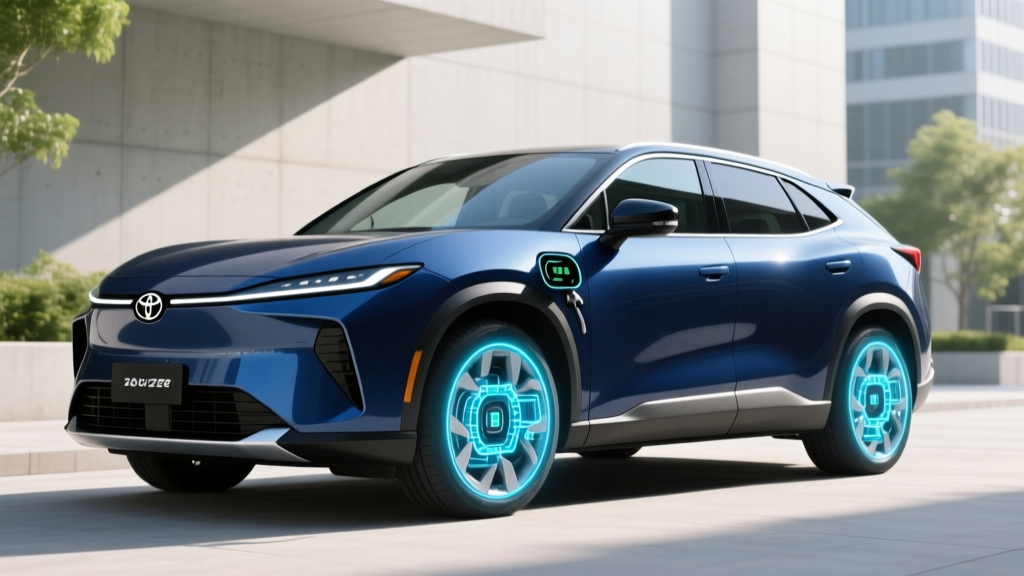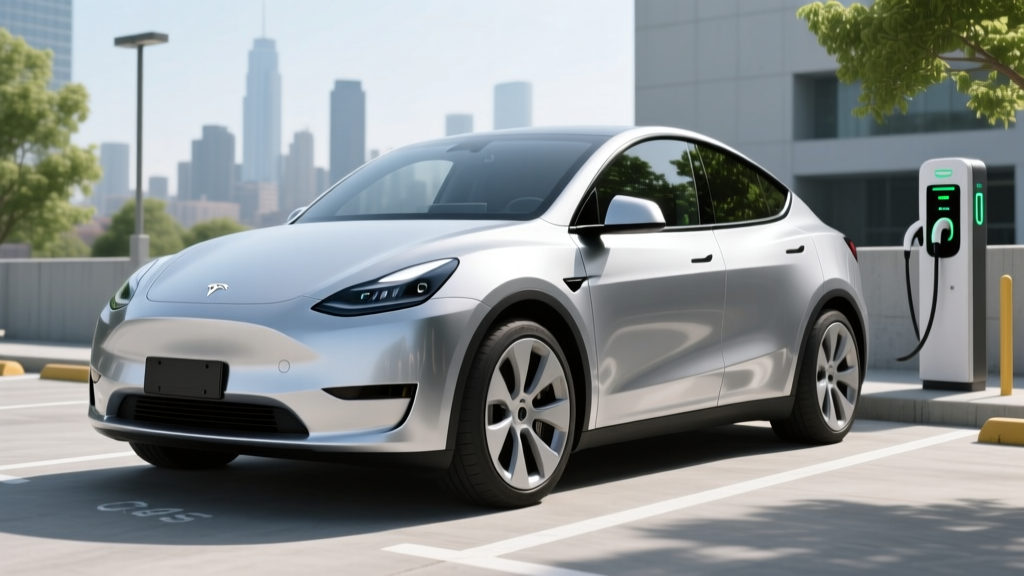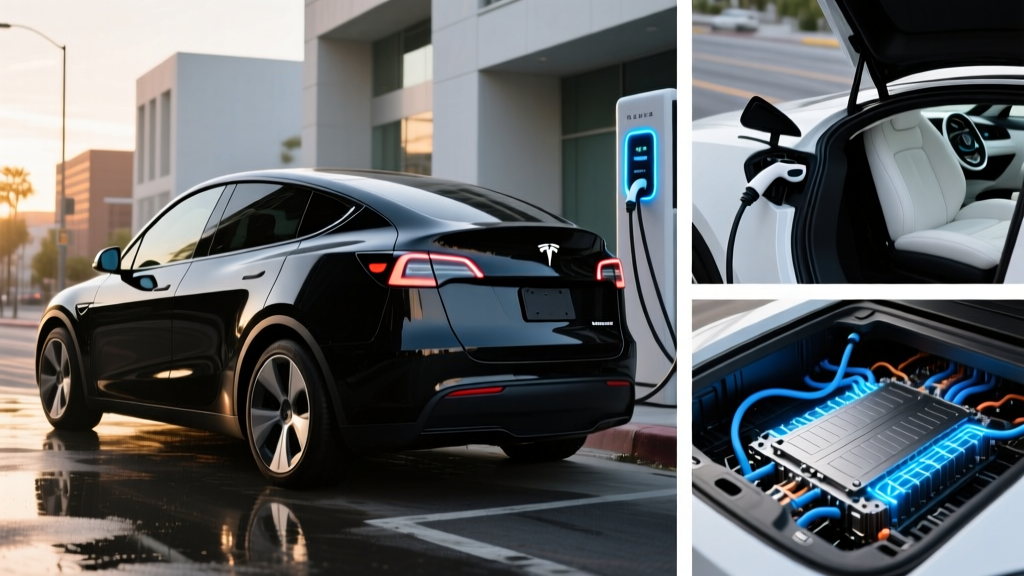
The Tesla Model Y remains the best-selling electric vehicle in the United States for good reason: it threads the needle between range, practicality, charging infrastructure, and price. For 2026, the refreshed Model Y (internally dubbed "Juniper") brings a redesigned interior, improved ride quality, and a slightly reshaped battery strategy. But beyond the spec sheet, one of the most interesting real-world tests for this crossover is the Tesla tunnels in Las Vegas — the Boring Company's Vegas Loop, where Model Y vehicles serve as the primary passenger pods navigating underground corridors at speed. This review covers everything you need to know about the 2026 Model Y, from EPA range and charging curves to whether it still earns its spot at the top of the EV sales chart.
2026 Tesla Model Y: Quick Verdict
The 2026 Model Y is the default recommendation for buyers who want a do-it-all electric crossover with minimal charging hassle. Its access to the Supercharger network (now open to NACS-equipped competitors, but still seamlessly integrated for Tesla owners), strong real-world efficiency, and competitive pricing keep it ahead of rivals like the Hyundai Ioniq 5, Ford Mustang Mach-E, and Chevrolet Equinox EV. The Juniper refresh quiets the cabin, softens the suspension, and adds ventilated front seats — addressing the most common complaints from the prior generation. If you commute, road-trip, or live in a city with Tesla infrastructure (including the expanding Vegas Loop tunnels), the Model Y is still the path of least resistance.
| Spec | Value |
|---|---|
| EPA Range | 320 miles |
| Battery Capacity (usable) | ~78 kWh (NMC) |
| Drivetrain | Dual-Motor AWD |
| Horsepower | 384 hp combined |
| 0–60 mph | 4.8 seconds |
| Max DC Fast Charge | 250 kW (peak) |
| 10–80% DC Charge Time | ~25 minutes |
| Level 2 Home Charge Rate | 11.5 kW (~44 mi/hr) |
| EPA Efficiency | 122 MPGe / 28 kWh/100 mi |
| Cargo Volume (rear seats up) | 30.2 cu ft |
| Cargo Volume (rear seats folded) | 72.1 cu ft |
| Base MSRP (Long Range AWD) | $44,990 |
| Battery Warranty | 8 years / 120,000 miles |
Range and Efficiency: EPA vs. Reality
The 2026 Model Y Long Range AWD carries an EPA-estimated 320 miles of range. That figure is derived from Tesla's ~78 kWh usable NMC (nickel manganese cobalt) battery pack, which benefits from the Juniper generation's improved thermal management and slightly lower drag coefficient (now Cd 0.22).
Real-World Range Expectations
EPA Sticker: 320 miles
Highway (70–80 mph, moderate climate): ~265–285 miles
City / stop-and-go (with regen): ~300–315 miles
Cold weather (below 32°F, highway): ~220–250 miles
Vegas Loop tunnel driving (low-speed, climate-controlled): ~310+ miles equivalent
The Model Y's heat pump is standard and effective, reducing cold-weather range loss compared to resistive-heating EVs. Still, plan for a 20–30% reduction in freezing conditions, especially at highway speeds where aerodynamic drag dominates.
Efficiency is rated at 122 MPGe combined (28 kWh per 100 miles) per fueleconomy.gov. In real-world mixed driving, owners typically report 26–30 kWh/100 mi depending on climate and terrain. The Model Y's efficiency advantage over heavier competitors (the Mach-E AWD Extended Range returns 101 MPGe) translates directly to lower electricity costs and longer intervals between charges.
Charging Speed: DC Fast, Level 2, and the Supercharger Advantage
Charging is where Tesla ownership still pays dividends. The 2026 Model Y supports a peak DC fast-charge rate of 250 kW on V3 and V4 Superchargers. The charge curve is well-managed: the pack pulls near-peak power from roughly 10% to 45% SoC, then tapers progressively. A 10–80% session takes approximately 25 minutes under optimal conditions (preconditioned battery, warm ambient temperature, V3+ stall).
| Charging Level | Power (kW) | Miles Added per Hour | Notes |
|---|---|---|---|
| Level 1 (120V household) | ~1.4 kW | ~5 mi/hr | Emergency / trickle only |
| Level 2 (240V, 48A Wall Connector) | 11.5 kW | ~44 mi/hr | Full charge in ~7 hours |
| DC Fast (V3 Supercharger) | 250 kW peak | ~200 mi in 15 min | 10–80% in ~25 min |
| DC Fast (CCS adapter, non-Tesla) | Up to 250 kW | Varies by station | Requires Tesla CCS adapter |
At home, Tesla's Wall Connector delivers up to 11.5 kW (48 amps on a 60-amp circuit), adding roughly 44 miles of range per hour. A full overnight charge from 20% to 100% takes about 7 hours — easily managed with a standard overnight schedule. Installation typically runs $800–$2,000 depending on panel capacity and conduit distance; a 200-amp electrical panel is usually sufficient, but older homes may need a panel upgrade ($1,500–$3,000 additional).
Preconditioning matters. If you navigate to a Supercharger in the car's navigation system, the battery automatically warms to optimal charging temperature before arrival. Skipping this step — for example, by driving to a charger without using onboard navigation — can add 5–10 minutes to your session in cold weather.
The Tesla Tunnels in Las Vegas: A Unique Model Y Use Case
No review of the Model Y in 2026 is complete without mentioning the Tesla tunnels in Las Vegas — formally known as the Vegas Loop, operated by the Boring Company. This expanding underground transit network uses Tesla Model Y vehicles as passenger pods, ferrying riders between resorts, the Las Vegas Convention Center, and eventually Harry Reid International Airport.
As of early 2026, the Vegas Loop includes over 30 miles of tunnel with stations at major Strip properties. The Model Y vehicles used are standard production units modified with interior screens for route information. They're driven by human operators through the tunnels at speeds up to 35 mph — this is not autonomous driving. The system is classified as a point-to-point transit service, not a robotaxi.
For prospective Model Y owners visiting or living in Las Vegas, the Vegas Loop offers a chance to experience the vehicle in a controlled, low-speed environment before purchasing. It also demonstrates the Model Y's cabin quietness and ride comfort at low speeds — qualities that translate well to city commuting. The tunnels themselves are climate-controlled, which means the Model Y's HVAC system operates under minimal load, preserving range.
The broader relevance for buyers: Tesla's integration with infrastructure projects like the Vegas Loop signals the company's commitment to a transportation ecosystem beyond individual car sales. While this doesn't directly affect your ownership experience in, say, Ohio or Oregon, it does reinforce Tesla's brand positioning and the Model Y's role as the company's volume vehicle.
Performance and Driving Dynamics
The 2026 Model Y Long Range AWD produces 384 horsepower from its dual-motor setup (induction front / permanent magnet rear). The 0–60 mph sprint takes 4.8 seconds — quick enough to merge confidently onto any highway and entertaining on back roads, though the Performance trim (3.5 seconds, 456 hp) exists for those who prioritize acceleration.
The Juniper refresh brought meaningful chassis improvements. The previous generation's firm, sometimes crashy ride over expansion joints has been replaced by a more compliant, damped feel. Cabin noise is noticeably lower thanks to acoustic glass and additional insulation. The steering remains quick but numb — a Tesla hallmark that some drivers love and others find disconnected.
Regenerative braking is strong and consistent. Tesla removed the one-pedal driving toggle in recent software updates, so regen is always active at its maximum setting. Most owners adapt within a week, but if you're transitioning from a gas car or an EV with adjustable regen (like the Ioniq 5), expect a learning curve.
Interior, Tech, and Cargo
The 2026 Model Y interior is minimalist by design — a 15.4-inch touchscreen handles virtually all controls, from climate to mirrors to glovebox release. The Juniper update adds ambient lighting, ventilated front seats, a rear-seat entertainment screen, and power-folding second-row seats. Material quality has improved with soft-touch surfaces replacing some of the harder plastics from prior years, though it still doesn't match the interior richness of a Genesis GV60 or BMW iX.
Cargo space remains a strong point: 30.2 cubic feet behind the second row and 72.1 cubic feet with the 60/40 split seats folded. The front trunk (frunk) adds an additional 4.1 cu ft — useful for charging cables or a small bag. Rear legroom measures 41.6 inches, accommodating adults comfortably on longer trips.
Driver assistance: Every Model Y ships with Tesla's Basic Autopilot (adaptive cruise control + lane centering). The optional Full Self-Driving (Supervised) package ($8,000 or $99/month) adds automatic lane changes, traffic light/stop sign recognition, and city street navigation. Critical clarification: FSD Supervised is SAE Level 2 — you must keep your hands on the wheel and eyes on the road at all times. It is not autonomous driving. Tesla's camera-only vision system performs well in most conditions but can struggle in heavy rain, construction zones, and faded lane markings.
⚠️ FSD Supervised Is Not Self-Driving
Tesla's Full Self-Driving (Supervised) is an SAE Level 2 driver-assist system. The driver must remain fully engaged, monitor the road, and be prepared to take over instantly. It does not make the Model Y autonomous. For true driverless service (SAE Level 4), see Waymo's robotaxi operations in select cities.
Pricing, Trims, and Federal Tax Credit
The 2026 Model Y lineup is streamlined:
| Trim | MSRP | Est. After §30D Credit | Credit Eligible? |
|---|---|---|---|
| Long Range AWD | $44,990 | ~$37,490 | Yes (if sourcing + income rules met) |
| Long Range AWD (7-seat) | $46,990 | ~$39,490 | Yes (if sourcing + income rules met) |
| Performance AWD | $49,990 | ~$42,490 | Yes (if sourcing + income rules met) |
Federal tax credit (§30D) details: The Model Y qualifies for up to $7,500 under the current IRS rules, but eligibility depends on several factors:
- MSRP cap: The Model Y, classified as an SUV, must have an MSRP at or below $80,000. All current trims clear this threshold.
- Buyer income cap: Modified adjusted gross income (MAGI) must not exceed $150,000 (single), $225,000 (head of household), or $300,000 (joint filers).
- Battery sourcing: A percentage of critical minerals and battery components must be sourced from the U.S. or free-trade-agreement countries. Tesla has worked to localize its supply chain, and the Model Y built at Giga Texas has generally met these thresholds — but rules tighten annually. Verify current eligibility at fueleconomy.gov before purchasing.
- Point-of-sale transfer: As of 2024, you can transfer the credit to the dealer at purchase, reducing your out-of-pocket cost immediately rather than waiting for tax filing.
Always confirm eligibility with a tax professional and check the latest IRS guidance before finalizing your order. Rules can change mid-year.
Pros, Cons, and Competition
✅ Pros
- Class-leading Supercharger network access with seamless plug-and-charge
- 320-mile EPA range with strong real-world efficiency (28 kWh/100 mi)
- Spacious cargo area (72.1 cu ft) and available 7-seat configuration
- Improved ride comfort and cabin quietness in the Juniper refresh
- Over-the-air updates continuously add features
- Strong resale value relative to most EV competitors
❌ Cons
- Touchscreen-dependent controls frustrate some drivers (no physical buttons for climate, mirrors)
- FSD Supervised ($8,000) is expensive and still requires full driver attention
- No Apple CarPlay or Android Auto — Tesla's native infotainment only
- Service center wait times can be long in high-volume metro areas
- Regen braking not adjustable (always maximum)
- Panel gaps and paint quality still occasionally inconsistent
Versus key competitors: The Hyundai Ioniq 5 ($42,900, 310 mi EPA, 350 kW peak charging) offers faster DC charging and a more distinctive design, but its charging network experience is less seamless. The Ford Mustang Mach-E ($43,995, 312 mi EPA) provides a more engaging drive but trails in cargo space. The Chevrolet Equinox EV ($33,000, 319 mi EPA) undercuts on price but can't match the Model Y's performance or tech ecosystem. If charging convenience and software integration are your top priorities, the Model Y still wins. If you value physical controls, faster peak charging, or lower entry pricing, the alternatives deserve a test drive.
Warranty and Long-Term Ownership
Tesla covers the Model Y's battery and drive unit for 8 years or 120,000 miles (whichever comes first), with a guaranteed minimum 70% capacity retention over that period. The limited vehicle warranty is 4 years / 50,000 miles. These terms are competitive with the industry standard (Hyundai offers 10yr/100,000 mi on the battery; most others match Tesla's 8yr).
Real-world degradation data from Tesla's fleet suggests the NMC packs in the Model Y lose approximately 10–12% capacity over the first 100,000 miles, with the curve flattening significantly afterward. Many high-mileage Model Y vehicles (150,000+ miles) report 85–88% State of Health. LFP battery variants (used in the RWD base model) tend to degrade more slowly but carry less total energy.
Insurance costs for the Model Y run 15–25% higher than comparable gas crossovers, per industry data. Tesla Insurance is available in select states and can be competitive, but shop multiple quotes. Maintenance costs are low — no oil changes, minimal brake wear thanks to regen — but tire replacement comes more frequently due to the vehicle's weight and instant torque.
Frequently Asked Questions
What is the real-world range of the 2026 Tesla Model Y?
The EPA rates the Long Range AWD at 320 miles. In real-world highway driving at 70–80 mph, expect 265–285 miles. City driving with regenerative braking can approach 300+ miles. In freezing temperatures at highway speeds, plan for 220–250 miles.
How fast does the Model Y charge at home and on the road?
At home on a Level 2 Tesla Wall Connector (11.5 kW / 48A), the Model Y adds about 44 miles of range per hour, with a full charge taking ~7 hours. On a V3 Supercharger (250 kW peak DC), a 10–80% charge takes approximately 25 minutes with a preconditioned battery.
How much does the 2026 Model Y cost after tax credits?
The Long Range AWD starts at $44,990. If you qualify for the full $7,500 federal §30D credit (meeting income, MSRP, and battery-sourcing requirements), the effective price drops to approximately $37,490. State incentives may reduce the cost further — check your local programs.
Does the Tesla Model Y qualify for the federal EV tax credit?
Yes, the Model Y is currently eligible for up to $7,500 under IRS §30D, provided the buyer meets income caps ($150K single / $300K joint), the MSRP is under $80,000 (all trims qualify), and the battery meets critical-mineral and component sourcing thresholds. Verify current eligibility on fueleconomy.gov before purchasing, as sourcing rules tighten annually.
What are the Tesla tunnels in Las Vegas, and can I ride in one?
The Vegas Loop is the Boring Company's underground transit system using Tesla Model Y vehicles as passenger pods. It connects Las Vegas Convention Center, major Strip resorts, and is expanding toward the airport. Any visitor can ride — tickets are purchased per trip. The vehicles are driven by human operators at up to 35 mph; this is not autonomous driving.
Is the Model Y worth buying over the Ioniq 5 or Mach-E?
If seamless Supercharger access, strong software, and proven efficiency are your priorities, yes. The Ioniq 5 charges faster at compatible stations (350 kW peak) and offers a more distinctive interior. The Mach-E drives more engagingly. Test all three, but the Model Y's ecosystem advantage — especially for road-trippers — remains significant.
Is FSD worth the $8,000 price?
For most buyers, no. Basic Autopilot (included) handles highway cruising competently. FSD Supervised adds city-street navigation and automatic lane changes, but you must remain fully attentive. Unless you drive in heavy stop-and-go traffic daily and value the feature for convenience (not autonomy), the subscription option ($99/month) is a lower-risk way to try it.