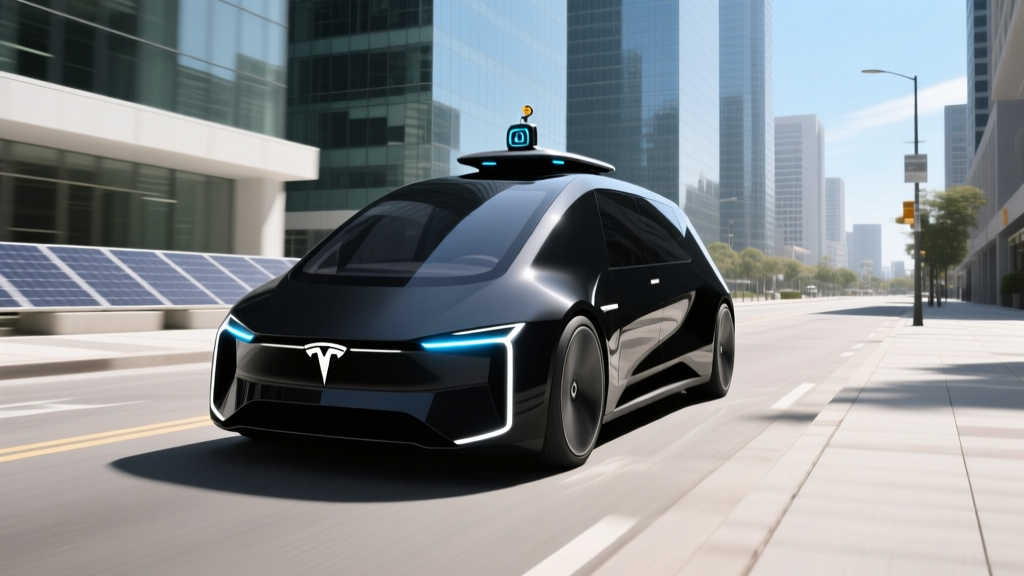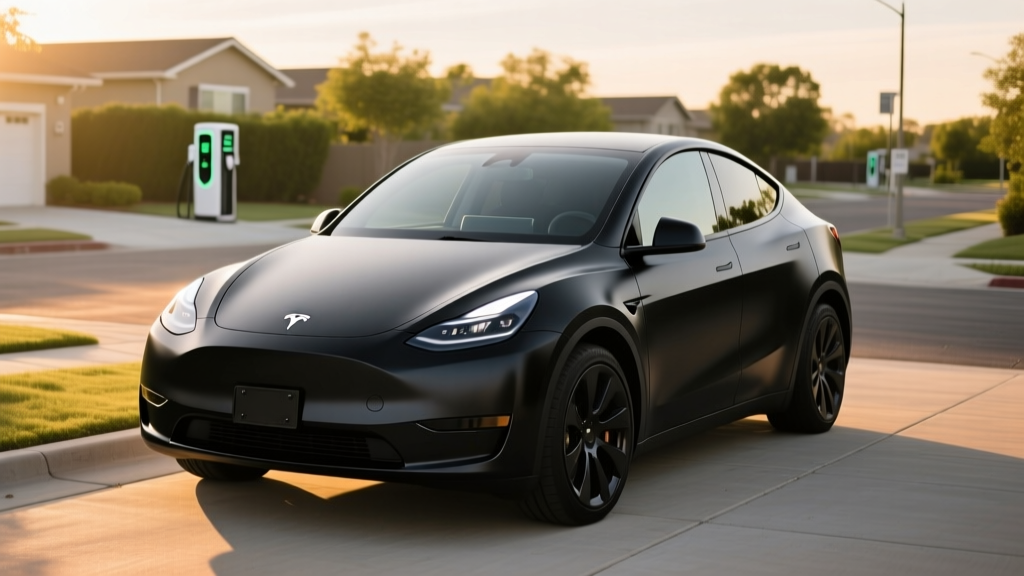
Tesla's dominance in the American EV market is no longer a foregone conclusion. With Tesla U.S. sales crashed to a four-year low making headlines in early 2026, buyers are asking a fair question: Is the refreshed Model Y still the default electric SUV to beat, or have rivals like the Hyundai Ioniq 5, Ford Mustang Mach-E, and Chevrolet Equinox EV closed the gap enough to shift the calculus?
This review breaks down the 2026 Tesla Model Y Long Range AWD — the volume-selling trim — with the exact numbers, real-world caveats, and ownership economics you need to decide. We've driven it, charged it on multiple networks, and cross-referenced EPA data against actual highway and cold-weather performance.
Quick Verdict: Still the Benchmark, but the Margin Is Thin
The 2026 Model Y Long Range AWD remains the most energy-efficient electric SUV in its class, with class-leading cargo space and access to Tesla's Supercharger network — still the most reliable DC fast-charging ecosystem in the U.S. However, brand sentiment headwinds, aggressive pricing from Hyundai/Kia and GM, and the maturation of the NACS (Tesla-style) connector across rival brands mean the Model Y's moat is narrower than ever. If you prioritize efficiency, charging infrastructure, and software polish, it's still the pick. If you want a fresher interior design, quieter cabin, or a dealership experience, competitors deserve a serious look.
2026 Tesla Model Y Long Range AWD: Full Spec Sheet
| Specification | 2026 Model Y Long Range AWD |
|---|---|
| EPA Range | 320 miles |
| Battery (usable) | 75 kWh, NMC (nickel manganese cobalt) |
| Efficiency | 122 MPGe combined / 27 kWh per 100 mi |
| Peak DC Fast Charge | 250 kW (Supercharger V3/V4) |
| 10–80% DC Time | ~25 minutes |
| Level 2 Home Charging | 11.5 kW onboard (~37 mi/hr at 48A) |
| 0–60 mph | 4.8 seconds |
| Horsepower | 384 hp (dual motor) |
| Drivetrain | Dual-motor AWD |
| Cargo (behind 2nd row) | 30.2 cu ft |
| Cargo (max, seats folded) | 72.1 cu ft |
| Rear Legroom | 37.0 inches |
| Base MSRP | $47,990 (incl. destination) |
| As-Tested (w/ FSD) | $55,990 |
| Battery Warranty | 8 years / 120,000 miles |
Real-World Range: What the EPA Sticker Doesn't Tell You
Real-World Expectation: ~270–290 mi on mixed highway driving; ~220–240 mi in sub-freezing winter conditions; ~300+ mi in mild city/suburban driving with regen.
The Model Y's 27 kWh/100mi efficiency rating is genuinely excellent for a dual-motor SUV — it's the physics behind the 320-mile EPA number. According to fueleconomy.gov, the Long Range AWD posts 122 MPGe combined, beating the Ioniq 5 AWD (110 MPGe) and Mach-E Extended Range AWD (101 MPGe).
But real-world range diverges from the sticker in predictable ways:
- Highway at 75 mph: Aerodynamic drag cuts range roughly 10–15%. Expect ~270–285 miles on a flat, temperate interstate run.
- Cold weather (below 32°F): Battery resistance and cabin heating can reduce range 20–30%. Plan for ~220–240 miles in winter, especially if you don't precondition.
- City/regen-heavy driving: This is where Tesla's efficiency shines — 300+ miles is achievable in stop-and-go conditions at moderate speeds.
Pro tip: Use the car's built-in trip planner and precondition the battery while plugged in. Warming the pack before departure (and before DC fast charging) recaptures meaningful range and charging speed.
Charging Speed: Supercharger Network vs. the Growing Competition
| Charging Level | Power | Speed / Notes |
|---|---|---|
| Level 1 (120V outlet) | ~1.4 kW | ~4 miles per hour (emergency/trickle) |
| Level 2 (240V home, 48A) | 11.5 kW | ~37 miles per hour; full charge in ~7 hours |
| DC Fast (Tesla Supercharger V3/V4) | 250 kW peak | 10–80% in ~25 min; ~200 mi in 15 min |
| DC Fast (3rd-party CCS w/ adapter) | ~150–175 kW sustained | Slower taper; 10–80% in ~35 min |
The Model Y peaks at 250 kW on Tesla's V3 and V4 Superchargers, but — as with every EV — peak is not sustained. The charge curve tapers meaningfully above ~55% SoC. In practice, you'll see 250 kW only in the low portion of the battery (roughly 10–35%), then a step down to ~175 kW, then ~100 kW, then under 50 kW above 80%. That's why the 10–80% time is ~25 minutes, not the 15 minutes marketing sometimes implies.
The bigger practical advantage: Tesla's Supercharger network now has over 30,000 stalls in North America, and in our experience, uptime and plug-and-charge reliability still outperform Electrify America and most non-Tesla networks. That said, with Ford, GM, Rivian, and Hyundai/Kia now using NACS connectors and gaining Supercharger access, the exclusivity advantage is ending.
Home charging: A Wall Connector on a 60A circuit delivers the full 11.5 kW (48A continuous). Most owners install a 14-50 outlet or hardwired Wall Connector for ~$500–$1,500 depending on panel proximity and local permitting. A licensed electrician should confirm whether your panel can support an additional 60A load.
Performance and Driving Impressions
The dual-motor Long Range AWD posts a 4.8-second 0–60 mph time — quick enough to merge onto any freeway with authority, though the Performance trim (3.3 seconds, ~$52,990) is the enthusiast pick. The 384 hp is delivered with the instant torque characteristic of EVs, and the low center of gravity from the under-floor battery pack keeps body roll well-controlled.
Ride quality in the refreshed "Juniper" Model Y is noticeably improved over the pre-2025 generation: Tesla retuned the suspension and added acoustic glass, cutting cabin noise substantially. It's still firmer than a Hyundai Ioniq 5 or Kia EV6, but no longer harsh on broken pavement.
Driver assistance: Tesla's Autopilot (standard) and Full Self-Driving Supervised ($8,000 option or $99/mo subscription) remain SAE Level 2 systems — meaning you must keep your hands on the wheel and eyes on the road at all times. FSD is not self-driving. It handles highways and some city streets impressively, but disengagements still occur, and the driver is legally responsible. For hands-off Level 2 on approved highways, GM's Super Cruise and Ford's BlueCruise are more restrictive in geography but allow true hands-off operation where enabled.
Pricing, Trims, and Federal Tax Credit Eligibility
| Trim | MSRP | Est. After §30D Credit* |
|---|---|---|
| Long Range RWD | $44,990 | ~$37,490 |
| Long Range AWD | $47,990 | ~$40,490 |
| Performance AWD | $52,990 | ~$45,490 |
*Assumes full $7,500 federal credit eligibility. Actual credit depends on buyer income, battery sourcing, and point-of-sale transfer rules.
The §30D federal EV tax credit is not automatic. Per the IRS, eligibility in 2026 requires:
- MSRP cap: SUVs must be priced at or below $80,000 (Model Y qualifies).
- Buyer income cap: Modified AGI ≤ $300,000 (joint), $225,000 (head of household), $150,000 (single).
- Battery sourcing: Critical minerals and battery components must meet escalating U.S./FTA-country thresholds. Tesla has largely restructured its supply chain for North American sourcing, but verify the specific VIN at fueleconomy.gov before purchase.
- Point-of-sale transfer: You can apply the $7,500 as a down-payment reduction at the dealer rather than waiting for tax filing — a major cash-flow advantage.
Consult a tax professional to confirm your personal eligibility. Credit rules have shifted annually, and state-level incentives (California, Colorado, New York, etc.) stack on top but vary by jurisdiction.
Tech, Interior, and Notable Drawbacks
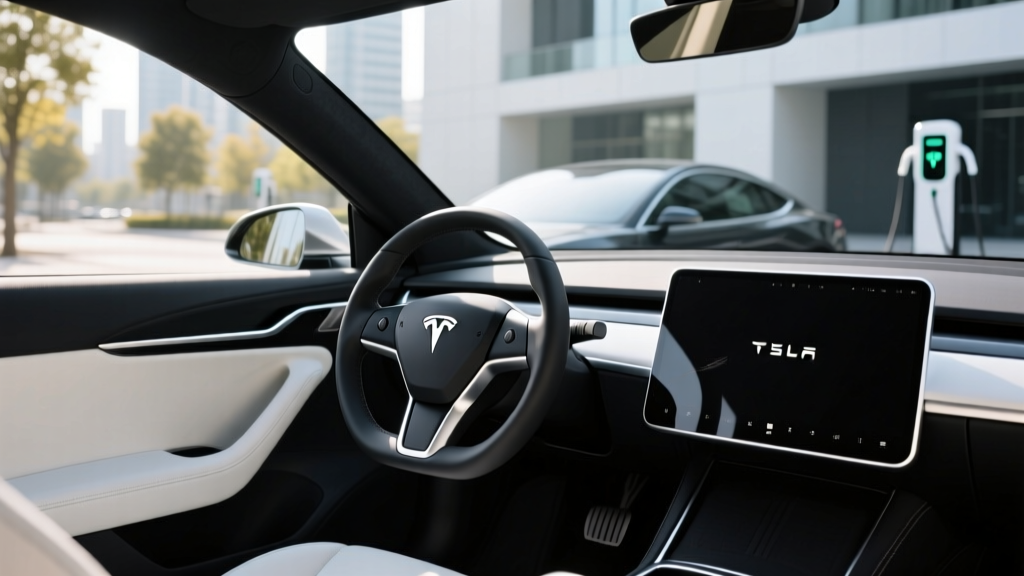
The 2026 Model Y keeps Tesla's minimalist interior: a single 15.4-inch touchscreen handles virtually all vehicle functions, including climate, mirrors, and glovebox. The Juniper refresh added ventilated front seats, ambient lighting, power-folding second row, and a rear-seat entertainment screen — meaningful quality-of-life improvements.
Standout tech:
- Over-the-air updates that add features post-purchase
- Tesla mobile app with remote climate, Sentry Mode cameras, and location tracking
- Best-in-class navigation with real-time Supercharger routing and battery preconditioning
- Sentry Mode and Dog Mode as standard software features
Notable drawbacks:
- No physical buttons for climate or volume — screen dependency frustrates some drivers
- No Apple CarPlay or Android Auto (Tesla's native system is excellent but closed)
- Panel gaps and paint quality remain inconsistent vs. legacy OEMs
- Service center wait times in some metro areas can stretch weeks
- Insurance costs run 15–30% higher than comparable ICE SUVs in most states
Pros
- Class-leading efficiency (122 MPGe combined)
- Supercharger network reliability
- 30+ cu ft cargo with excellent frunk
- Strong OTA software updates
- 250 kW peak charging on native network
- Qualifies for $7,500 §30D credit (verify VIN)
Cons
- No CarPlay/Android Auto
- Minimalist interior not for everyone
- Higher insurance premiums
- Service access inconsistent by region
- FSD is expensive and still Level 2
- Brand sentiment impacting resale values
Who the 2026 Model Y Suits Best
Buy it if: You want the most efficient electric SUV in its class, rely on road-trip charging infrastructure, value over-the-air software evolution, and prefer a single-screen tech-forward cockpit. The Model Y is still the default for suburban families who take 2–4 long road trips per year and want minimal charging friction.
Consider competitors if: You want a more traditional interior with physical controls (Ioniq 5, EV6), need hands-free highway driving on approved routes (Mach-E with BlueCruise, Cadillac Lyriq with Super Cruise), prioritize a smoother ride over sportiness, or are concerned about Tesla's brand trajectory affecting 5-year resale value.
Use-case fit:
- Daily commuter (20–60 mi round trip): Excellent — home Level 2 covers this easily.
- Family of 4–5: Strong — 72 cu ft max cargo handles strollers, groceries, and camping gear.
- Road-tripper: Best-in-class thanks to Supercharger network.
- Towing: 3,500-lb capacity — adequate for small trailers, not boats or campers.
- Cold-climate owner: Good with heat pump standard, but preconditioning discipline required.
Frequently Asked Questions
Why have Tesla U.S. sales dropped to a four-year low?
Multiple factors are converging: increased competition from Hyundai, Kia, GM, and Ford on NACS-equipped EVs; brand sentiment headwinds tied to CEO Elon Musk's public political activities; an aging Model 3/Y design relative to newer rivals; and macro factors including higher interest rates and EV incentive uncertainty. Tesla remains the U.S. EV sales leader by volume, but its market share has eroded from ~65% in 2022 to roughly 40% in 2025.
What is the real-world range of the 2026 Model Y Long Range AWD?
EPA-rated at 320 miles, expect ~270–290 miles on mixed highway driving in mild weather, ~220–240 miles in sub-freezing conditions, and 300+ miles in city driving with regenerative braking.
How fast does the Model Y charge at home and on the road?
On a 48A Level 2 home charger, it adds ~37 miles per hour (11.5 kW), fully charging overnight. On a Tesla Supercharger V3/V4, it peaks at 250 kW and reaches 10–80% in about 25 minutes.
Does the 2026 Model Y qualify for the $7,500 federal EV tax credit?
Yes, the Model Y qualifies on paper — its MSRP is under the $80,000 SUV cap and Tesla's battery sourcing largely meets 2026 critical-mineral thresholds. However, buyer income caps apply ($150K single / $300K joint), and eligibility should be confirmed by VIN at fueleconomy.gov before purchase. Point-of-sale transfer is available.
Is the Model Y still worth buying vs. the Ioniq 5 or Mach-E?
For efficiency, Supercharger access, and software, yes. For interior design, physical controls, CarPlay support, and hands-free highway driving, the Ioniq 5 (with CarPlay and 800V charging) and Mach-E (with BlueCruise) are compelling alternatives. Test-drive all three before deciding.
How long will the Model Y battery last?
Tesla warranties the NMC battery for 8 years or 120,000 miles, whichever comes first, with a minimum 70% capacity retention threshold. Real-world data from NHTSA and owner surveys suggest Tesla's NMC packs lose roughly 10–12% capacity over 150,000 miles. Replacement out of warranty currently runs $12,000–$16,000 at a Tesla service center.
Is Tesla's Full Self-Driving actually self-driving?
No. FSD (Supervised) is an SAE Level 2 driver-assistance system. You must remain alert, keep hands on the wheel, and be prepared to take over instantly. It is not a Level 4 robotaxi system like Waymo. The $8,000 purchase or $99/mo subscription is a convenience and beta-feature expense, not a path to hands-off autonomy.