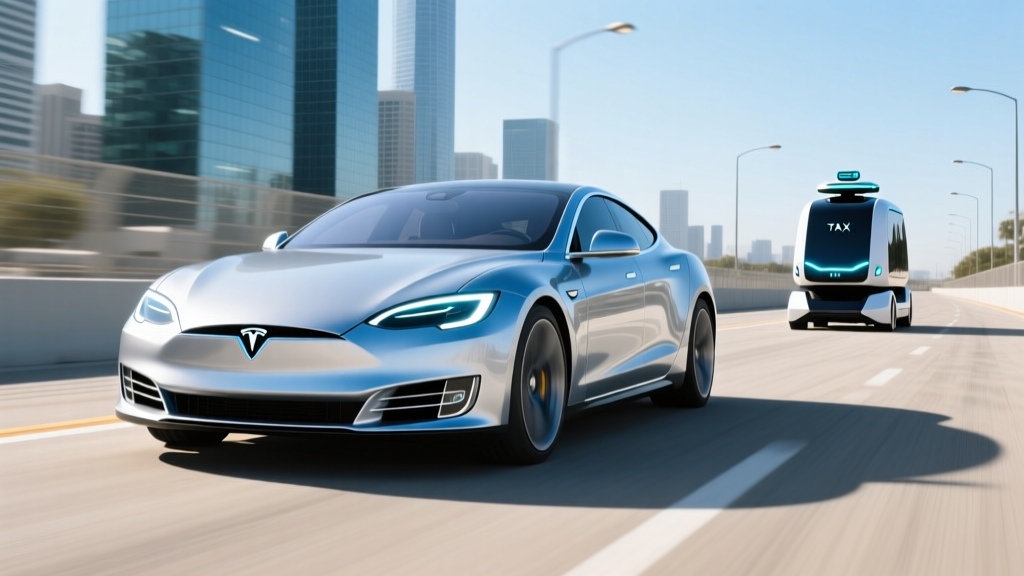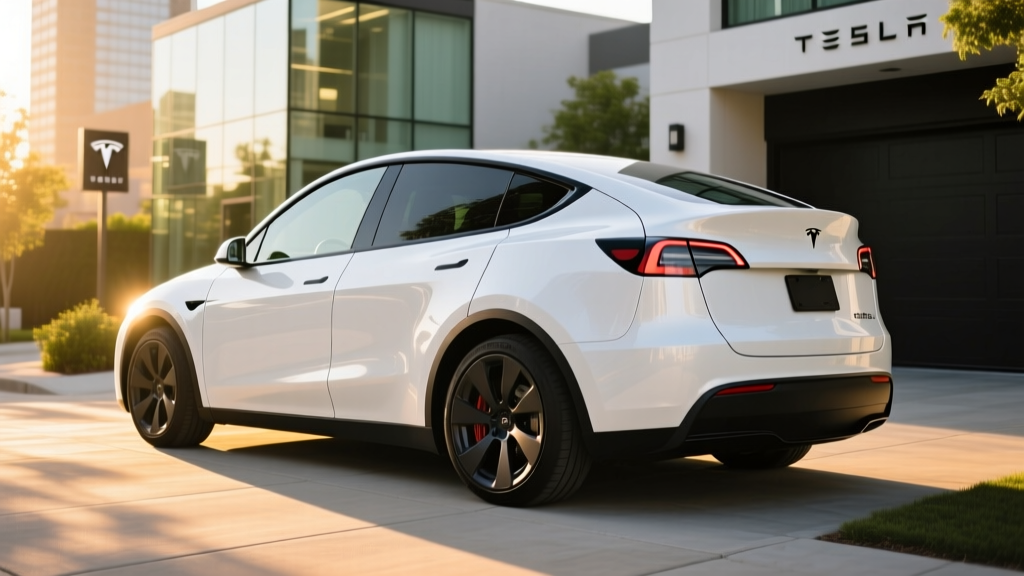
Quick Verdict: The Entry-Level Model Y Still Sets the Bar
The 2026 Tesla Model Y Rear-Wheel Drive remains the most compelling gateway into the Tesla ecosystem and one of the best-selling electric vehicles on the planet. Built on the refreshed Juniper platform introduced in early 2025, the RWD variant pairs a rear-mounted permanent-magnet motor with a lithium iron phosphate (LFP) battery to deliver an EPA-estimated 321 miles of range at a base MSRP of $44,990. It is not the fastest Model Y, nor the longest-range, but it occupies a sweet spot: enough range for road trips, access to the Supercharger network, a spacious crossover cabin, and eligibility for the full $7,500 federal EV tax credit — assuming you clear the IRS §30D income and sourcing hurdles.
For buyers cross-shopping the Hyundai Ioniq 5, Ford Mustang Mach-E, and Chevrolet Equinox EV, the 2026 Model Y RWD answers the core questions with hard numbers rather than marketing gloss. Below, we break down exactly what you get, what it costs, and where it falls short.
Range, Battery, and Efficiency: LFP Done Right
The 2026 Model Y RWD carries a ~60 kWh usable battery pack (approximately 66 kWh gross) using LFP chemistry supplied by CATL. LFP trades some energy density for superior cycle life, thermal stability, and a lower reliance on cobalt and nickel. Tesla recommends owners charge LFP packs to 100% regularly — a meaningful advantage over NMC packs that benefit from staying between 20-80% for longevity.
EPA Estimate: 321 miles
Real-World Highway (70-80 mph): ~265–285 miles
Cold Weather (below 30°F, mixed driving): ~225–255 miles
City/Stop-and-Go with Regen: ~310–330 miles
The Model Y RWD's heat pump helps mitigate winter range loss compared to older resistive-heating EVs, but expect a 15–25% drop in freezing temperatures, especially at highway speeds. Source: fueleconomy.gov
Efficiency is rated at 123 MPGe combined, translating to roughly 27 kWh per 100 miles — competitive for a 4,200-lb crossover. The LFP pack's flatter discharge curve means range delivery stays predictable across the state of charge, though you will not see the same low-temperature performance as an NMC pack without preconditioning.
| Attribute | Value |
|---|---|
| EPA Range | 321 miles |
| Battery (Usable / Gross) | ~60 kWh / ~66 kWh |
| Chemistry | LFP (Lithium Iron Phosphate) |
| Drivetrain | Rear-Wheel Drive (single motor) |
| Horsepower | 295 hp |
| 0–60 mph | 6.5 seconds |
| Top Speed | 135 mph |
| Max DC Fast Charge | ~250 kW (peak) |
| 10–80% DC Fast Charge | ~25 minutes |
| Level 2 Home Charge | 11.5 kW / ~44 mi/hr |
| MPGe (City / Hwy / Comb) | 129 / 116 / 123 |
| Curb Weight | ~4,220 lbs |
| Base MSRP | $44,990 |
| Battery Warranty | 8 years / 100,000 miles |
Charging Speed: Supercharger Access Is the Real Advantage
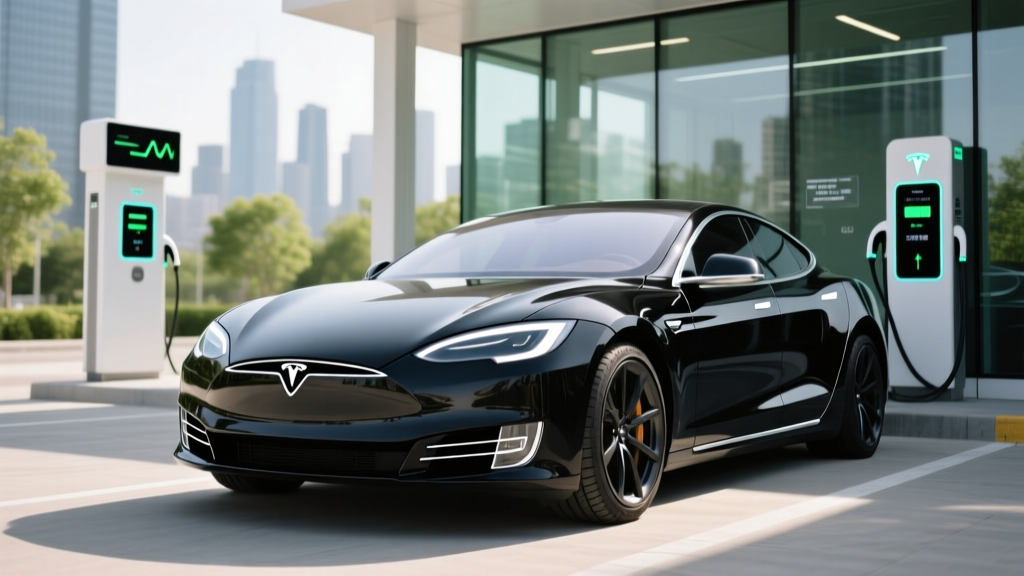
The 2026 Model Y RWD charges natively via the NACS (North American Charging Standard) connector — the same plug now adopted by Ford, GM, Rivian, Hyundai, and most major automakers. This means you get seamless access to Tesla's Supercharger network, which remains the most reliable and dense DC fast-charging infrastructure in the United States.
| Level | Power | Miles Added per Hour | Notes |
|---|---|---|---|
| Level 1 (120V) | ~1.4 kW | ~5 mi/hr | Emergency/top-up only |
| Level 2 (240V, 48A) | 11.5 kW | ~44 mi/hr | Full charge in ~6 hours |
| DC Fast (V3 Supercharger) | Up to 250 kW | ~162 mi in 15 min | 10–80% in ~25 min; tapers above 80% |
Charging-curve reality check: The 250 kW peak is not sustained across the full session. The Model Y RWD typically holds above 200 kW from roughly 10–45% state of charge, then progressively tapers. By 80%, you are seeing roughly 60–80 kW. This is why the 10–80% metric matters more than the peak kW number. Preconditioning the battery (automatic when you navigate to a Supercharger) is essential for hitting peak speeds — arriving at a charger with a cold pack can cut charge rates by 40% or more.
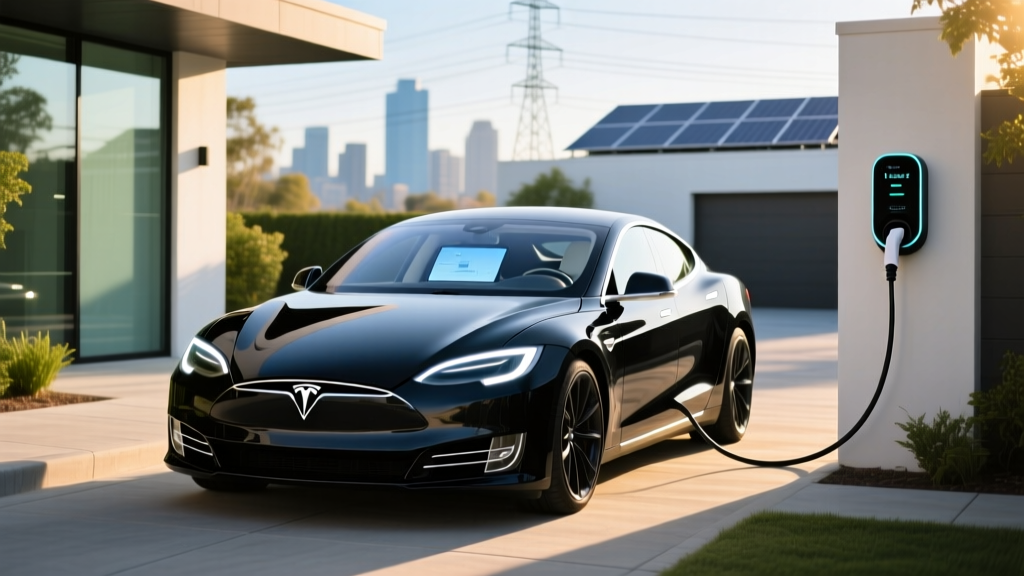
At home on a 48-amp Level 2 wall connector, you will add roughly 44 miles of range per hour, meaning a full 0–100% charge takes about 6 hours. Most owners charge overnight and wake up to a full LFP pack at 100%, ready for the day.
Performance and Driving Dynamics
The single rear-mounted motor produces 295 horsepower and launches the Model Y RWD to 60 mph in 6.5 seconds. That is brisk for a family crossover and quicker than most gas-powered competitors in the segment. The instant torque delivery makes city merging effortless, and the low center of gravity (battery pack under the floor) keeps body roll well-controlled through corners.
Ride quality on the Juniper-refreshed suspension is noticeably improved over the pre-2025 Model Y — softer damping, better isolation from road imperfections, and reduced cabin noise. The RWD model rides on 19-inch Gemini wheels standard, which prioritize efficiency and comfort over the sportier 20-inch Inductions (optional, with a slight range penalty).
Regenerative braking remains strong and enables near one-pedal driving in most conditions. The steering is quick and precise, if somewhat numb in feel — a Tesla hallmark. Towing capacity is rated at 2,000 lbs, adequate for a small utility trailer or a pair of dirt bikes, but not for boat or camper duty.
Interior, Tech, and Cargo Space
The Juniper interior overhaul brought a more premium feel: ventilated front seats, ambient lighting, a rear-seat touchscreen for climate and media control, power-folding second-row seats, and improved sound-deadening materials. The 15.4-inch front touchscreen runs Tesla's latest software and handles nearly all vehicle controls — there are no physical buttons for climate or mirrors.
Cargo dimensions:
- Behind second row: 30.2 cu ft
- Second row folded: 72.1 cu ft
- Front trunk (frunk): 4.1 cu ft
- Rear legroom: 41.6 inches
- Front headroom: 41.0 inches
The Model Y remains one of the most practical crossovers in its class for cargo, and the frunk adds useful space for charging cables or groceries. The glass roof creates an airy cabin but offers no shade — Tesla includes a mesh sunshade in 2026, addressing a long-standing complaint.
Driver assistance: Tesla's Autopilot (lane centering + adaptive cruise) is standard. Full Self-Driving (Supervised) is a $8,000 option or $99/month subscription. FSD is an SAE Level 2 system — you must remain engaged, hands on the wheel, eyes on the road. It is not autonomous driving and should not be confused with Level 4 robotaxi services like Waymo.
Pricing, Tax Credits, and Total Cost
| Item | Amount |
|---|---|
| Base MSRP (incl. destination) | $44,990 |
| As-tested (FSD + Pearl White + 20" wheels) | ~$56,480 |
| Federal §30D Tax Credit (if eligible) | Up to $7,500 |
| Effective Price After Max Credit | ~$37,490 |
Federal tax credit eligibility (§30D): The Model Y RWD qualifies for the full $7,500 credit if you meet all of the following requirements, per IRS guidelines:
- Income caps: Modified AGI ≤ $150,000 (single), ≤ $225,000 (head of household), ≤ $300,000 (joint)
- MSRP cap: Vehicle MSRP must be ≤ $80,000 for SUVs/crossovers (Model Y qualifies)
- Battery sourcing: Critical minerals and battery components must meet phased-in domestic/free-trade-agreement thresholds — Tesla's LFP supply chain has historically met these requirements, but confirm at point of sale
- Point-of-sale transfer: You can transfer the credit to the dealer at purchase for an immediate price reduction
Tax credit rules evolve annually. Consult a tax professional and verify current-year requirements on IRS.gov before purchasing.
Ownership Costs: 5-Year Outlook
Beyond the purchase price, the Model Y RWD offers meaningful savings over gas crossovers. At $0.15/kWh (national average home electricity rate) and 27 kWh/100mi, fueling costs roughly $0.04 per mile — compared to $0.12–$0.15/mile for a 25-MPG gas crossover at $3.50/gallon. Over 15,000 miles/year, that is $1,200–$1,650 in annual fuel savings.
Maintenance is minimal: no oil changes, no transmission fluid, cabin air filter every 2 years, tire rotations, and wiper fluid. Tesla's battery and drive unit warranty covers 8 years / 100,000 miles with a minimum 70% capacity retention threshold. Insurance premiums tend to run 15–25% higher than comparable gas crossovers due to repair costs — budget accordingly.
How It Stacks Up Against Key Competitors
| Spec | Tesla Model Y RWD | Hyundai Ioniq 5 SE Std Range | Ford Mustang Mach-E Select RWD |
|---|---|---|---|
| EPA Range | 321 mi | 303 mi | 290 mi |
| Battery | ~60 kWh LFP | 63 kWh NMC | 75.7 kWh NMC |
| Max DC Charge | 250 kW | ~185 kW | 150 kW |
| 10–80% DC | ~25 min | ~28 min | ~37 min |
| 0–60 mph | 6.5 sec | 7.4 sec | 6.3 sec |
| Base MSRP | $44,990 | $42,600 | $42,995 |
| Cargo (rear seats up) | 30.2 cu ft | 27.2 cu ft | 29.7 cu ft |
The Model Y RWD leads on range, charging speed, and cargo space. The Mach-E edges it on acceleration. The Ioniq 5 undercuts on price and offers 800V architecture, but with lower peak charge rates in the Standard Range trim. None match the Supercharger network advantage, though competitors now access Superchargers via NACS adapters or built-in NACS ports.
✅ Choose the Model Y RWD if: You want the longest range in the segment, the best DC fast-charging speed, maximum cargo utility, and seamless Supercharger access for road trips.
✅ Consider the Ioniq 5 or Mach-E if: You prefer physical buttons, a more traditional dealership experience, or a lower starting price and are willing to trade some range and charging speed.
❌ Skip the RWD if: You need AWD for snow/ice, want sub-5-second 0–60 times, or regularly tow more than 2,000 lbs — step up to the Long Range AWD.
Pros and Cons
- 321-mile EPA range — best in RWD crossover class
- 250 kW DC fast charging with Supercharger network access
- Spacious cargo area (30.2 cu ft) + frunk
- LFP battery: charge to 100% daily, excellent cycle life
- Strong $7,500 federal tax credit eligibility
- Over-the-air updates continuously add features
- Improved ride quality post-Juniper refresh
- No physical buttons — all controls via touchscreen
- FSD ($8,000) is Level 2 only, not autonomous
- Rear visibility compromised by sloping roofline
- Insurance premiums 15–25% above segment average
- LFP pack loses more range in extreme cold vs NMC
- 2,000-lb towing limit — not for trailers or boats
- Minimal dealer network for service (mobile + service centers only)
Frequently Asked Questions
What is the real-world range of the 2026 Tesla Model Y RWD?
The EPA rates it at 321 miles. In real-world highway driving at 70–80 mph, expect 265–285 miles. In freezing temperatures, that can drop to 225–255 miles. City driving with regenerative braking can match or slightly exceed the EPA estimate.
How fast does the Model Y RWD charge at home and on the road?
On a 48-amp Level 2 home charger (11.5 kW), you add ~44 miles per hour, with a full charge in about 6 hours. On a V3 Supercharger (up to 250 kW DC), you can go from 10–80% in roughly 25 minutes, adding up to 162 miles in 15 minutes under ideal conditions.
Does the 2026 Model Y RWD qualify for the $7,500 federal EV tax credit?
Yes, it is eligible for the full $7,500 under IRS §30D, provided you meet the income caps ($150K single / $300K joint), the MSRP is under the $80K SUV cap (it is), and the battery sourcing requirements are met at time of purchase. The credit can be transferred at point of sale for an instant price reduction. Verify current-year rules at IRS.gov.
Is the Model Y RWD worth buying over the Ioniq 5 or Mach-E?
It depends on priorities. The Model Y RWD wins on range (321 vs 290–303 mi), charging speed (250 kW vs 150–185 kW), and cargo space. The Ioniq 5 costs less and offers 800V architecture. The Mach-E is slightly quicker. If Supercharger reliability and maximum range matter most, the Model Y holds the edge.
What is the battery warranty on the 2026 Model Y RWD?
Tesla covers the battery and drive unit for 8 years or 100,000 miles, whichever comes first, with a guaranteed minimum 70% capacity retention. LFP chemistry is known for excellent long-term degradation characteristics, often retaining 90%+ capacity after 100,000 miles in real-world data.
Can I tow with the Model Y RWD?
The Model Y RWD is rated to tow up to 2,000 lbs when properly equipped with the factory tow hitch. This covers small utility trailers, bike racks, or light jet skis — but not campers, boats, or horse trailers.