Why Tesla Model X Weight Matters for EV Buyers
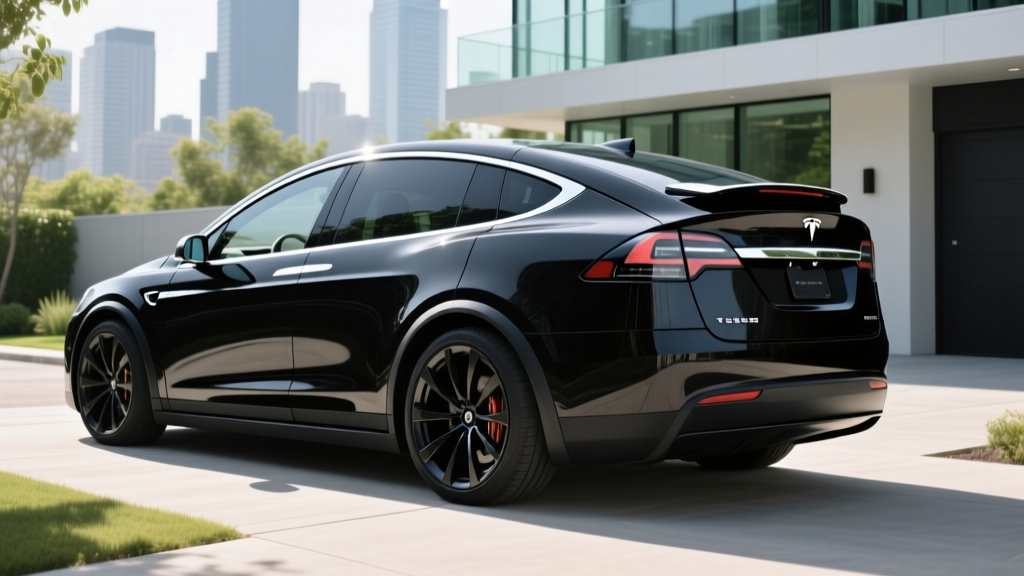
If you've ever searched "weight Tesla Model X" and found yourself buried in forum debates without hard numbers, you're not alone. The Tesla Model X is one of the heaviest mainstream electric SUVs on the road, with a curb weight starting around 5,185 pounds for the Long Range AWD and climbing to approximately 5,390 pounds for the Plaid tri-motor variant. That mass has real consequences — for range, efficiency, tire wear, braking distance, and even home charging requirements.
This review dissects the 2026 Tesla Model X through the lens of weight and its downstream effects. We'll cover EPA range versus real-world expectations, charging speed, performance, pricing, tax credit eligibility, and whether this heavy-hauling family EV still makes sense against lighter competitors like the Rivian R1S and BMW iX.
2026 Tesla Model X: Full Specifications at a Glance
| Specification | Long Range AWD | Plaid (Tri-Motor AWD) |
|---|---|---|
| Curb Weight | ~5,185 lbs | ~5,390 lbs |
| Battery Capacity (usable) | ~100 kWh (NMC) | ~100 kWh (NMC) |
| EPA Estimated Range | 335 miles | 326 miles |
| MPGe (combined) | 102 MPGe | 98 MPGe |
| Efficiency (kWh/100 mi) | 33 kWh/100 mi | 34 kWh/100 mi |
| 0-60 mph | 3.8 seconds | 2.5 seconds |
| Horsepower | 670 hp | 1,020 hp |
| Drivetrain | Dual-Motor AWD | Tri-Motor AWD |
| Max DC Fast Charge | 250 kW | 250 kW |
| 10-80% DC Charge Time | ~30 minutes | ~30 minutes |
| Level 2 Home Charge Rate | 11.5 kW (~34 mi/hr) | 11.5 kW (~34 mi/hr) |
| Cargo Volume (behind 2nd row) | ~40.6 cu ft (5-seat) | ~40.6 cu ft (5-seat) |
| Cargo Volume (max, seats folded) | ~83.1 cu ft | ~83.1 cu ft |
| Seating Configurations | 5, 6, or 7 seats | 5 or 6 seats |
| Towing Capacity | 5,000 lbs | 5,000 lbs |
| Base MSRP | $79,990 | $94,990 |
| Battery & Drive Unit Warranty | 8 years / 150,000 miles | 8 years / 150,000 miles |
Real-World Range: What the EPA Number Doesn't Tell You
Long Range AWD: EPA 335 miles. Expect ~280–300 miles on a sustained highway trip at 70–75 mph. In cold weather (below 32°F), plan for 230–260 miles before needing a charge stop.
Plaid: EPA 326 miles. Expect ~265–285 miles highway; cold weather drops this to ~220–250 miles.
The Model X's substantial weight — over 5,000 pounds before passengers or cargo — directly penalizes highway efficiency. At steady speeds above 70 mph, aerodynamic drag and rolling resistance compound. The falcon-wing doors and larger frontal area compared to the Model S sedan add drag coefficient penalties that the battery must overcome.
In mixed city/highway driving with frequent regenerative braking opportunities, you'll get closer to the EPA sticker. Stop-and-go traffic actually favors heavy EVs because regen recaptures kinetic energy that a gas car would waste as brake heat. On a flat, 65 mph suburban commute, 310+ miles is achievable in the Long Range. But load up all seven seats, hitch a trailer, and hit the interstate in January — and you'll be hunting for a Supercharger around mile 200.
According to fueleconomy.gov, the Long Range AWD achieves 102 MPGe combined (33 kWh/100 mi). That's respectable for a three-row SUV of this mass, but noticeably less efficient than the lighter Model S (120 MPGe) or the BMW iX xDrive50 (86 MPGe combined but in a smaller package).
Charging Speed: DC Fast Charging and Home Level 2
| Charge Level | Power / Rate | Miles Added per Hour | Notes |
|---|---|---|---|
| Level 1 (120V outlet) | ~1.4 kW | ~4 mi/hr | Emergency trickle; not practical for daily use |
| Level 2 (240V home, 48A) | 11.5 kW | ~34 mi/hr | Full charge in ~9–10 hours; requires 60A circuit |
| DC Fast Charge (Tesla Supercharger V3) | Peak 250 kW | ~180 mi in 15 min | 10-80% in ~30 min; tapers significantly above 80% |
| DC Fast Charge (CCS adapter, Electrify America, etc.) | Peak ~150–250 kW | Varies by station | CCS adapter included with newer deliveries |
The Model X charges on Tesla's NACS (North American Charging Standard) connector natively, which grants access to the Supercharger network — still the most reliable public DC fast-charging infrastructure in the U.S., based on uptime data. At a V3 Supercharger, the 100 kWh battery can accept a peak of 250 kW, though this rate is not sustained. The charging curve tapers from ~250 kW down to ~100 kW as the battery passes 50% state of charge, and drops further to ~40–60 kW above 80%.
This taper is where the Model X's large battery becomes a liability on road trips. While a 10–80% charge takes roughly 30 minutes, charging from 80–100% can add another 25–30 minutes. For road-trip planning, it's faster to charge to 80% and drive than to wait for a full top-off.
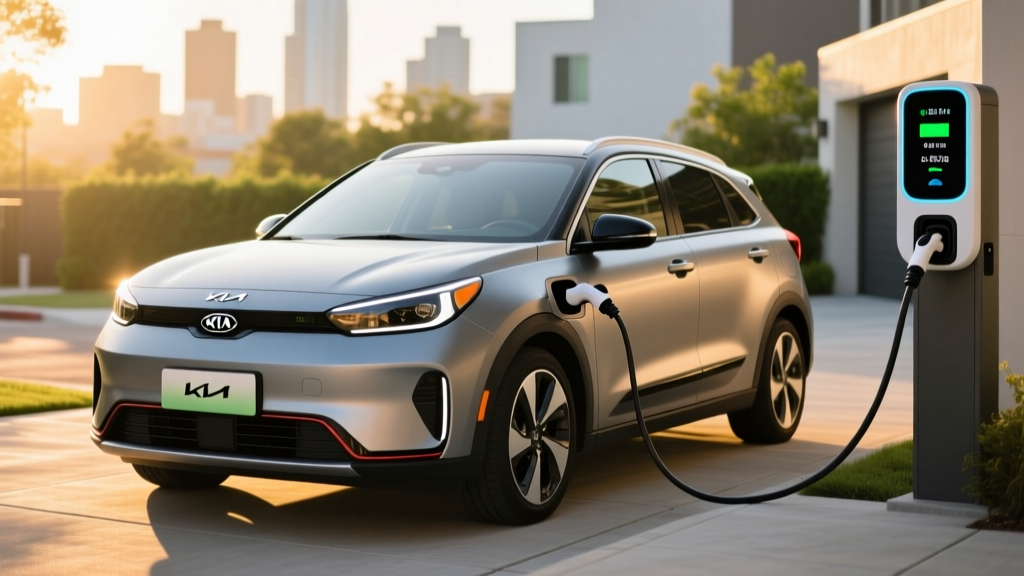
At home, the 11.5 kW onboard charger is excellent. A Wall Connector on a 60-amp circuit delivers ~34 miles of range per hour, meaning a depleted battery refills overnight in about 9–10 hours. If your home electrical panel only supports a 40-amp circuit (common in older homes), expect ~7.7 kW and roughly 23 miles per hour — still sufficient for most daily driving but worth noting if you drive 80+ miles daily.
Preconditioning matters: The Model X will precondition its battery for faster charging when you navigate to a Supercharger via the built-in navigation. Without preconditioning — for example, at a non-Tesla DC charger in cold weather — peak charge rates can drop by 30–50%. Always navigate to your charger or manually enable battery preconditioning.
Performance: How Weight Affects Acceleration and Handling
Tesla's dual-motor and tri-motor powertrains overcome the Model X's weight with brute electric torque. The Long Range AWD hits 0–60 mph in 3.8 seconds with 670 horsepower. The Plaid, with its three motors producing 1,020 hp, does it in 2.5 seconds — making a 5,390-pound SUV quicker to 60 than most sports cars.
But physics is undefeated. The Model X's mass shows up in corners and under braking. Body roll is more pronounced than in the lower, lighter Model S or Model 3. Stopping distances from 70 mph are longer — expect roughly 170–180 feet with the stock tires, compared to ~155 feet for a Model 3 Performance. The air suspension helps manage ride comfort and adjusts ride height for efficiency at highway speeds, but it cannot eliminate the inertia of 5,000+ pounds.
For towing, the 5,000-pound capacity is genuine and useful for light boat or utility trailers. However, towing at capacity will slash range by 40–50%. Plan for roughly 160–180 miles of range when towing near the limit at highway speeds.
Interior, Cargo, and Technology
The Model X's defining feature remains its available falcon-wing rear doors — dramatic, practical in tight parking spaces (they articulate upward and need less lateral clearance than sliding minivan doors), but mechanically complex. Tesla has improved the door mechanism's reliability over successive model years, but they remain a maintenance risk long-term.
Inside, the 17-inch center touchscreen runs Tesla's latest software with fast response times, integrated navigation with Supercharger routing, and over-the-air updates. The yoke steering wheel is standard (a conventional round wheel is available as a no-cost option on recent builds). Rear passengers get a dedicated 8-inch screen for climate and entertainment controls.
Cargo space is generous: 40.6 cubic feet behind the second row in 5-seat configuration, expanding to 83.1 cubic feet with both rear rows folded. The front trunk (frunk) adds roughly 6.5 cubic feet — useful for charging cables and groceries but smaller than some competitors due to the HEPA filtration system hardware.
Driver assistance: Tesla's Autopilot comes standard and includes adaptive cruise control, lane centering, and automatic emergency braking. Full Self-Driving (Supervised) is a $8,000 add-on (or $99/month) that adds automatic lane changes, traffic light/stop sign recognition, and Navigate on Autopilot. Per NHTSA SAE definitions, both Autopilot and FSD (Supervised) are Level 2 driver-assist systems — the driver must remain fully attentive with hands on the wheel. This is not self-driving.
Pricing, Trims, and Federal Tax Credit Eligibility
| Trim | Base MSRP | As-Tested (typical options) | §30D Federal Credit Eligibility |
|---|---|---|---|
| Long Range AWD | $79,990 | $84,000–$92,000 | MSRP exceeds $80,000 SUV cap — likely INELIGIBLE |
| Plaid (Tri-Motor AWD) | $94,990 | $99,000–$108,000 | MSRP exceeds $80,000 SUV cap — INELIGIBLE |
Under current IRS §30D rules, new clean vehicle tax credits are capped at $80,000 MSRP for SUVs, vans, and pickup trucks. The Model X Long Range starts at $79,990, which technically sits at the threshold — but adding any factory option (paint color beyond free white, larger wheels, FSD, tow package) pushes the MSRP above $80,000 and disqualifies the vehicle. The Plaid, at $94,990 base, is well above the cap.
Additionally, §30D imposes buyer income limits ($300,000 joint / $150,000 single modified AGI), critical minerals sourcing requirements, and battery component manufacturing requirements that change annually. Even if you find a base Long Range in white with no options, battery sourcing rules for the 2026 model year may independently disqualify it. Consult a tax professional and verify current-year eligibility on IRS.gov before assuming credit availability.
The point-of-sale transfer option (available since 2024) allows eligible buyers to apply the credit as an immediate discount at purchase rather than waiting for a tax refund. But again, MSRP cap compliance is the primary barrier here.
How It Compares: Model X vs. Rivals
The Model X competes in a narrow segment of premium three-row electric SUVs:
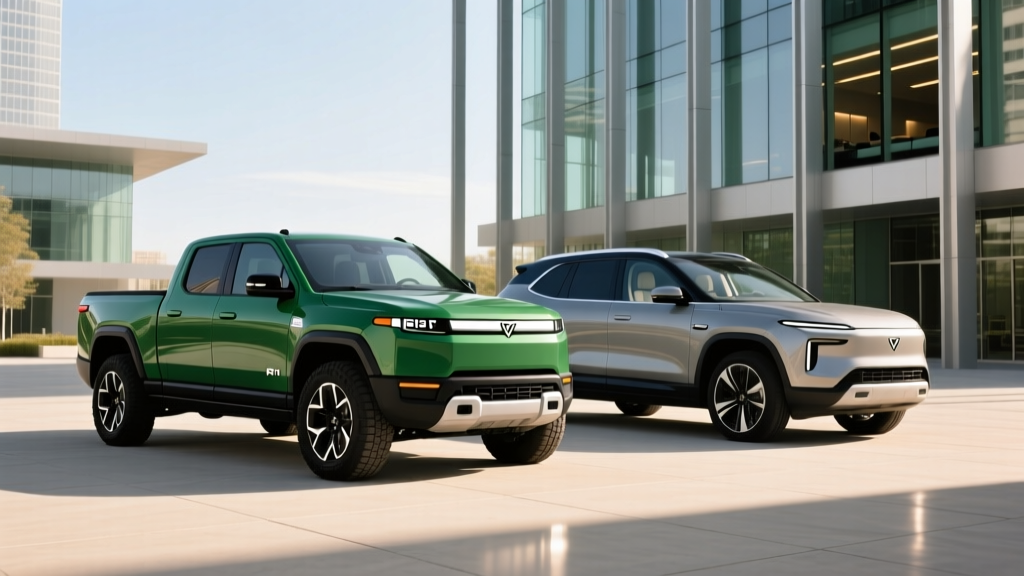
- Rivian R1S (Dual-Motor): Lighter (~6,800 lbs curb weight for the Large Pack — heavier than the X, actually, due to body-on-frame construction), 352 miles EPA range with Max Pack, starts around $75,900. More off-road capable, more traditional SUV styling, but no Supercharger access (CCS native). Better for adventure use cases.
- BMW iX xDrive50: ~5,650 lbs, 324 miles EPA, starts ~$87,250. Quieter cabin, more luxurious interior, CCS charging (slower public charging network access). No third row — strictly a two-row SUV.
- Mercedes EQS SUV 450 4MATIC: ~5,800 lbs, 305 miles EPA, starts ~$105,550. Ultra-luxury, three rows available, but significantly more expensive and less efficient.
The Model X wins on Supercharger network access (the most robust DC charging ecosystem), acceleration (especially Plaid), and Tesla's software/OTA update cadence. It loses on interior material quality (hard plastics at this price point are hard to justify), service center wait times in some metro areas, and the MSRP-cap tax credit problem.
Pros
- Supercharger network access for reliable road-trip charging
- Class-leading acceleration, especially Plaid (2.5s 0–60)
- Spacious three-row seating with flexible 5/6/7-seat configs
- Generous cargo volume (83.1 cu ft max)
- Strong OTA update track record; features improve over time
- 5,000-lb towing capacity
- HEPA air filtration (Bioweapon Defense Mode)
Cons
- 5,185–5,390 lb weight hurts highway efficiency and real-world range
- MSRP exceeds §30D tax credit SUV cap with almost any options
- Falcon-wing doors add mechanical complexity and repair risk
- Interior materials don't match the price point vs. BMW/Mercedes
- 250 kW peak DC charge rate trails newer 350 kW competitors (Hyundai/Kia E-GMP)
- FSD (Supervised) remains Level 2 — not autonomous despite the name
- Tire replacement costs are high due to weight and 20–22" wheel options
Who Should Buy the Tesla Model X?
Buy the Model X Long Range if: You need three rows for family hauling, want Supercharger access for frequent road trips, value quick acceleration for merging and passing, and have reliable home Level 2 charging. Budget $85,000–$95,000 as-tested and accept that you likely won't receive the federal tax credit.
Buy the Model X Plaid if: You want absurd performance in a family vehicle and budget is secondary. Expect ~$100,000+ as-tested. The 2.5-second 0–60 time is a party trick, but the range penalty and higher tire wear from the tri-motor weight make this the enthusiast's choice, not the efficiency play.
Look elsewhere if: You want the $7,500 federal tax credit (consider the Model Y, Rivian R1S in eligible configs, or Hyundai Ioniq 9). You only need two rows (the Model S, BMW iX, or Lucid Gravity offer better efficiency). You prioritize interior luxury over tech (BMW iX, Mercedes EQS SUV). You regularly tow heavy loads over long distances (range drops to ~160 miles under load — a diesel truck or PHEV may serve better).
Frequently Asked Questions
How much does the Tesla Model X weigh?
The 2026 Tesla Model X Long Range AWD has a curb weight of approximately 5,185 pounds. The Plaid tri-motor variant weighs approximately 5,390 pounds. Adding passengers, cargo, and a trailer can push gross vehicle weight above 6,500 pounds.
Does the Model X weight hurt its real-world range?
Yes. The EPA rates the Long Range at 335 miles, but real-world highway driving at 70+ mph typically yields 280–300 miles. In cold weather (below freezing), expect 230–260 miles. The heavy mass requires more energy to accelerate and maintain speed, especially on hilly terrain or when towing.
What battery does the Model X use?
The Model X uses an NMC (nickel manganese cobalt) lithium-ion battery pack with approximately 100 kWh of usable capacity. Tesla does not offer an LFP (lithium iron phosphate) option for the Model X — LFP is currently reserved for the standard-range Model 3 and Model Y.
How fast does the Model X charge at home?
On a 240V Level 2 Tesla Wall Connector with a 60-amp circuit, the Model X charges at up to 11.5 kW, adding roughly 34 miles of range per hour. A full 0–100% charge takes approximately 9–10 hours. A 40-amp circuit delivers about 7.7 kW (~23 mi/hr).
Does the Tesla Model X qualify for the $7,500 federal tax credit?
Most likely not. The §30D SUV MSRP cap is $80,000. The Long Range starts at $79,990, but any factory option (paint, wheels, FSD) pushes it above the cap. The Plaid at $94,990 is ineligible regardless. Additionally, buyer income limits and battery sourcing requirements apply. Verify current rules at IRS.gov.
How does Model X efficiency compare to the Model Y?
The Model Y Long Range AWD achieves approximately 122 MPGe combined (28 kWh/100 mi) and weighs around 4,400 pounds — roughly 800 pounds lighter. That weight difference translates to ~20% better energy efficiency per mile. If you don't need three rows, the Model Y is the more efficient and tax-credit-eligible choice.
Is Autopilot or FSD on the Model X self-driving?
No. Both Autopilot and Full Self-Driving (Supervised) are SAE Level 2 driver-assist systems. The driver must remain fully engaged, with hands on the steering wheel and eyes on the road. Level 4 autonomous driving (no driver required) is currently only available in limited robotaxi services like Waymo in select cities — not in any consumer Tesla vehicle.
What is the battery warranty on the Model X?
Tesla covers the Model X battery and drive unit for 8 years or 150,000 miles, whichever comes first, with a minimum 70% capacity retention threshold. If the battery degrades below 70% state of health within the warranty period, Tesla will repair or replace it.