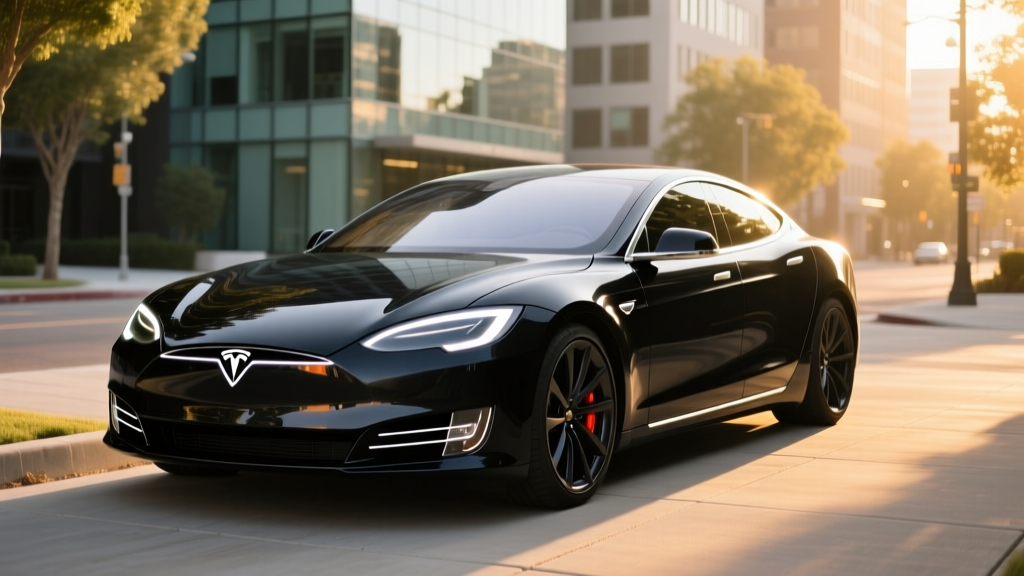
The Tesla Model S at a Glance: Weight, Range, and Why It Still Matters
Buyers researching the flagship Tesla sedan almost always hit the same question: how much does a Tesla Model S weigh? The answer matters more than you might think. Curb weight directly affects range efficiency, tire wear, braking distances, and even how the car feels through corners. For the 2026 model year, the Tesla Model S Long Range tips the scales at 4,561 lbs, while the tri-motor Model S Plaid weighs 4,766 lbs—heavy for a sedan, but typical for a 100 kWh-class battery electric vehicle.
That mass is a trade-off. The large battery pack (mounted low in the skateboard chassis) gives the Model S its class-leading range and instant torque, but it also means the car consumes more energy per mile than lighter EVs. Below, we break down every spec that matters—from real-world range and charging curves to tax-credit eligibility—so you can decide whether the Model S still earns its flagship status in 2026.
| Spec | Long Range | Plaid |
|---|---|---|
| Curb Weight | 4,561 lbs | 4,766 lbs |
| EPA Range | 402 mi | 396 mi |
| Battery (usable) | ~95 kWh (NMC) | ~95 kWh (NMC) |
| Drivetrain | Dual-Motor AWD | Tri-Motor AWD |
| Horsepower | 670 hp | 1,020 hp |
| 0–60 mph | 3.1 sec | 1.99 sec |
| Peak DC Charge Rate | 250 kW | 250 kW |
| 10–80% DC Time | ~30 min | ~30 min |
| Level 2 (11.5 kW) | ~41 mi/hr | ~41 mi/hr |
| EPA Efficiency | 124 MPGe (28 kWh/100mi) | 119 MPGe (29 kWh/100mi) |
| Base MSRP | $79,990 | $94,990 |
| Battery Warranty | 8 yr / 150,000 mi | 8 yr / 150,000 mi |
Range & Efficiency: What 402 EPA Miles Looks Like on the Road
The Model S Long Range carries an EPA-estimated 402 miles of range, the highest of any production sedan sold in the U.S. The Plaid drops slightly to 396 miles due to its more power-hungry tri-motor setup. But as any experienced EV owner knows, the sticker number is a best-case blend of city and highway driving.
- City / suburban driving (moderate climate): 380–410 mi — regen braking and lower speeds favor the EPA estimate.
- Highway (70–75 mph, 70°F): ~310–340 mi — aerodynamic drag and sustained speeds cut range roughly 15–20%.
- Cold weather (30°F, highway): ~260–290 mi — expect 25–35% range loss from battery resistance and cabin heating, even with the Model S heat pump.
The Model S uses a heat pump as standard equipment, which significantly reduces winter cabin-heating losses compared to resistive heaters. Still, if you live in the Upper Midwest or Northeast, plan your road trips around roughly 270 miles of usable cold-weather range. The 100 kWh-class NMC (nickel manganese cobalt) battery pack provides the raw energy to absorb that hit better than most competitors, but physics is physics—heavier cars with large frontal areas consume more energy, especially at speed.
Charging Speed: 250 kW Peak, but Watch the Curve
Tesla's Supercharger network remains the gold standard for DC fast-charging reliability, and the Model S can accept up to 250 kW at V3 and V4 Supercharger stalls. However, peak rate is not sustained rate. The Model S charge curve is aggressive at low states of charge but tapers significantly above 60%.
| Level | Power | Speed / Notes |
|---|---|---|
| Level 1 (120V) | ~1.4 kW | ~5 mi/hr — emergency trickle only |
| Level 2 (240V, 48A) | 11.5 kW | ~41 mi/hr — full charge in ~10 hr |
| DC Fast (Supercharger V3+) | Up to 250 kW | 10–80% in ~30 min; tapers above 60% |
| CCS Adapter (third-party DC) | Up to 250 kW | Same peak; speed depends on station output |
On a road trip, preconditioning the battery (automatic when a Supercharger is set as your navigation destination) is essential. Without it, cold batteries may limit initial charge rates to under 100 kW until the cells warm up. At home, a 48-amp Level 2 wall connector on a 60-amp circuit delivers roughly 41 miles of range per hour of charging—enough to fully replenish overnight. Most owners never need to DC fast-charge during the work week.
Performance: From 670 HP to a 1.99-Second 0–60
The Model S Long Range uses a dual-motor all-wheel-drive layout producing 670 horsepower. That translates to a 3.1-second 0–60 mph time—faster than nearly any gas-powered sedan ever built. The Plaid adds a third rear motor for 1,020 hp and a claimed 1.99-second sprint, making it one of the quickest production cars in history.
That performance comes with the weight penalty we opened with. At 4,766 lbs, the Plaid carries roughly 500 lbs more than a BMW i5 M60. You feel it under hard braking and in quick transitions, though the low center of gravity keeps body roll controlled. The adaptive air suspension (standard on both trims) manages ride quality well, offering adjustable height and damping profiles.
Interior, Cargo, and Daily Practicality
The Model S interior has been refreshed multiple times since 2012, but it still shows its age in some areas. The 17-inch center touchscreen dominates the dash, running Tesla's proprietary infotainment with Netflix, YouTube, and a built-in browser. A secondary 8-inch screen serves rear-seat passengers. The yoke steering wheel remains standard (a conventional round wheel is available at no cost).
Cargo capacity is a standout. With 28 cubic feet behind the rear seats and a fold-flat split, the Model S swallows luggage for four on long trips. The front trunk (frunk) adds another 5.3 cubic feet—useful for charging cables or a carry-on. Rear legroom measures 35.4 inches, adequate for adults but tighter than a Mercedes EQS or Lucid Air.
Pricing, Tax Credits, and the MSRP Cap Problem
The 2026 Model S Long Range starts at $79,990 (including destination), and the Plaid at $94,990. Adding FSD (Supervised) costs $8,000, and premium paint colors run $1,500–$2,500. A fully optioned Plaid can exceed $107,000.
| Trim | Base MSRP | Federal §30D Credit | Effective Price |
|---|---|---|---|
| Long Range | $79,990 | $0 (exceeds MSRP cap) | $79,990 |
| Plaid | $94,990 | $0 (exceeds MSRP cap) | $94,990 |
Here's the catch for tax-credit seekers: under current IRS §30D rules, the federal clean vehicle credit caps sedan eligibility at an MSRP of $55,000. Both Model S trims far exceed that threshold, meaning neither qualifies for the $7,500 federal tax credit. This applies regardless of buyer income or battery sourcing. If the credit is a priority, you'll need to look at the Model 3, which still falls under the cap on select trims.
Some states offer their own EV rebates (California's CVRP, for example, has its own income and price limits), so check local programs—but at the federal level, the Model S is a full-price purchase.
Warranty, Driver Assists, and Standout Tech
Tesla covers the Model S battery and drive unit for 8 years or 150,000 miles (whichever comes first), with a minimum 70% capacity retention guarantee. The vehicle limited warranty is 4 years / 50,000 miles. This battery warranty is competitive with the industry standard and reflects confidence in the NMC pack's longevity.
On the technology front, Tesla's Autopilot (standard) includes adaptive cruise control, lane centering, and automatic emergency braking—this is SAE Level 2 driver assistance, not self-driving. Full Self-Driving (Supervised) adds automated lane changes, traffic light recognition, and city-street navigation, but it remains Level 2: the driver must remain fully attentive at all times.
- 402-mi EPA range (Long Range) — longest of any sedan
- Access to 25,000+ Tesla Supercharger stalls nationwide
- Class-leading 28 cu ft cargo + 5.3 cu ft frunk
- Over-the-air updates add features post-purchase
- Heat pump standard for better cold-weather efficiency
- No federal tax credit (MSRP above $55K cap)
- 250 kW peak charge rate trails 800V rivals (Ioniq 6, Taycan at 350 kW)
- Interior material quality lags Mercedes EQS and Lucid Air at this price
- Yoke steering is polarizing; learning curve for low-speed maneuvers
- Rear-seat comfort and headroom trail luxury competitors
Who Should Buy the Tesla Model S in 2026?
The Model S is best suited for high-mileage commuters and road-trip enthusiasts who value range and Supercharger network access above all else. If you regularly drive 300+ miles between charges—say, Denver to Grand Junction or LA to Las Vegas—the 402-mile EPA rating and seamless Supercharger integration are unmatched. Families will appreciate the cargo volume and hatchback practicality.
It's less ideal if you're chasing luxury interior materials (the EQS and Lucid Air deliver more refinement), if the $7,500 federal credit is a deal-breaker, or if you want the fastest possible DC charging (800V platforms from Hyundai/Porsche charge 10–80% in under 20 minutes). For daily commuting under 60 miles round-trip with home charging, the range advantage matters less, and a Model 3 or BMW i4 may offer better value.
Frequently Asked Questions
How much does a Tesla Model S weigh, and why does it matter?
The 2026 Model S Long Range weighs 4,561 lbs and the Plaid weighs 4,766 lbs. The mass comes primarily from the ~95 kWh NMC battery pack. Higher weight increases tire wear, extends braking distances, and reduces efficiency at highway speeds—but the low-slung skateboard layout keeps the center of gravity low, preserving handling balance.
What is the real-world range of the Model S?
Expect 380–410 miles in city driving, 310–340 miles on the highway at 70–75 mph, and roughly 260–290 miles in cold weather (30°F) highway driving. The heat pump helps mitigate winter losses compared to resistive heating systems.
How fast does the Model S charge at home and on the road?
At home on a 48-amp Level 2 charger (11.5 kW), you'll add roughly 41 miles per hour, fully charging in about 10 hours. On a V3 Supercharger (250 kW peak), 10–80% takes approximately 30 minutes, though charging tapers above 60% state of charge.
Does the Model S qualify for the $7,500 federal EV tax credit?
No. Under current IRS §30D rules, sedans must have an MSRP at or below $55,000 to qualify. The Model S starts at $79,990, well above the cap. Buyer income and battery sourcing are irrelevant once the MSRP cap is exceeded.
Is the Model S worth buying vs. the Lucid Air or Mercedes EQS?
The Model S wins on range (402 mi vs. Lucid Air Pure's 419 mi on a smaller price, but the Air Grand Touring at $138K is far more expensive), Supercharger access, and cargo space. The Lucid Air offers a more refined interior and available 300+ kW charging. The Mercedes EQS prioritizes luxury and comfort but trails on range and efficiency. If Supercharger reliability and range are your top priorities, the Model S remains the benchmark.
What battery chemistry does the Model S use?
The Model S uses NMC (nickel manganese cobalt) lithium-ion cells, which offer higher energy density than LFP (lithium iron phosphate). NMC provides more range per pound but is more sensitive to sustained 100% charges. Tesla recommends daily charging to 80–90% for longevity, reserving 100% for road trips.