The Tesla Model S Signature at a Glance
The Tesla Model S has been the benchmark luxury electric sedan for over a decade, and the current-generation Model S Signature (formerly known as Long Range) continues that tradition with incremental refinements for 2026. While newer competitors like the Lucid Air, Mercedes EQS, and BMW i7 have narrowed the gap, the Model S Signature still posts class-leading efficiency numbers and leverages the most mature DC fast-charging network in North America. This review breaks down the exact specs, real-world range expectations, charging behavior, and ownership economics you need before signing a purchase agreement.
| Spec | Value |
|---|---|
| EPA Range | 402 miles |
| Battery (usable) | ~100 kWh (NMC chemistry) |
| Drivetrain | Dual-Motor AWD |
| Horsepower | 670 hp |
| 0-60 mph | 3.1 seconds |
| Top Speed | 155 mph |
| Peak DC Fast Charge | 250 kW |
| 10-80% DC Time | ~30 minutes |
| Level 2 Charge Rate | 11.5 kW (48A) |
| Efficiency | 124 MPGe combined / 28 kWh/100mi |
| Cargo Volume | 28.0 cu ft (rear seats up), 79.3 cu ft (folded) |
| Frunk | 3.1 cu ft |
| Rear Legroom | 35.4 inches |
| Base MSRP | $79,990 |
| Battery Warranty | 8 years / 150,000 miles |
Range and Efficiency: EPA Sticker vs. Reality
The Model S Signature carries an EPA-estimated 402 miles of range — a figure that places it among the longest-range production EVs available in 2026. Tesla achieves this through a combination of the dual-motor powertrain's efficiency, low rolling-resistance tires, and a heat pump that recovers waste energy from the drivetrain for cabin heating.
EPA: 402 miles. In mixed highway driving at 70-75 mph, expect ~340-360 miles. In cold weather (below 32°F), range can drop to ~280-310 miles due to battery heating demands and reduced regenerative braking efficiency. City driving with frequent regen opportunities can actually exceed the EPA figure, sometimes reaching 410-420 miles in mild conditions.
Tesla's efficiency rating of 124 MPGe combined (28 kWh per 100 miles) is exceptional for a 4,800-pound luxury sedan. For comparison, the Mercedes EQS 580 4MATIC achieves roughly 97 MPGe combined, and the Lucid Air Grand Touring posts 131 MPGe but at a significantly higher price point. The Model S Signature's efficiency advantage comes from Tesla's silicon carbide inverter design and tightly integrated thermal management system, which preconditions the battery and cabin with minimal energy waste.
According to fueleconomy.gov, the annual electricity cost for the Model S Signature is approximately $650 based on 15,000 miles of driving and national average electricity rates — roughly one-third the fuel cost of a comparable gasoline luxury sedan.
Charging Speed and Network Access
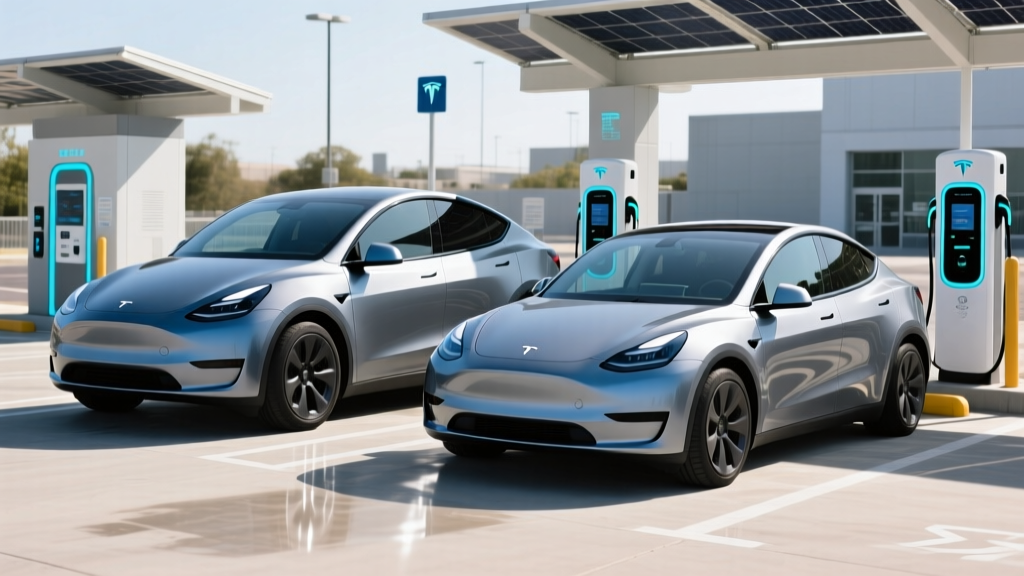
Charging remains one of the Model S Signature's strongest practical advantages. Tesla's Supercharger network — now open to other brands via adapters — still offers the most reliable and geographically comprehensive DC fast-charging infrastructure in North America.
| Level | Power | Speed | Use Case |
|---|---|---|---|
| Level 1 (120V) | ~1.4 kW | ~4 miles/hour | Emergency/top-up only |
| Level 2 (240V, 48A) | 11.5 kW | ~44 miles/hour | Overnight home charging — 0-100% in ~9 hours |
| DC Fast (Supercharger V3) | 250 kW peak | ~200 miles in 15 min | Road trips — 10-80% in ~30 min |
| DC Fast (Supercharger V4) | 250 kW (current vehicles capped) | Same as V3 for Model S | V4 cabinets serve newer platforms at higher rates |
The Model S Signature peaks at 250 kW on V3 and V4 Superchargers, though it cannot match the 350 kW capability of vehicles on 800-volt architectures like the Hyundai Ioniq 5 or Porsche Taycan. In practice, the Model S holds its peak charge rate longer than many competitors — sustaining roughly 230-250 kW from 10-30% SoC before tapering. The 10-80% session takes approximately 30 minutes, with the charge curve slowing significantly above 80% to protect battery longevity.
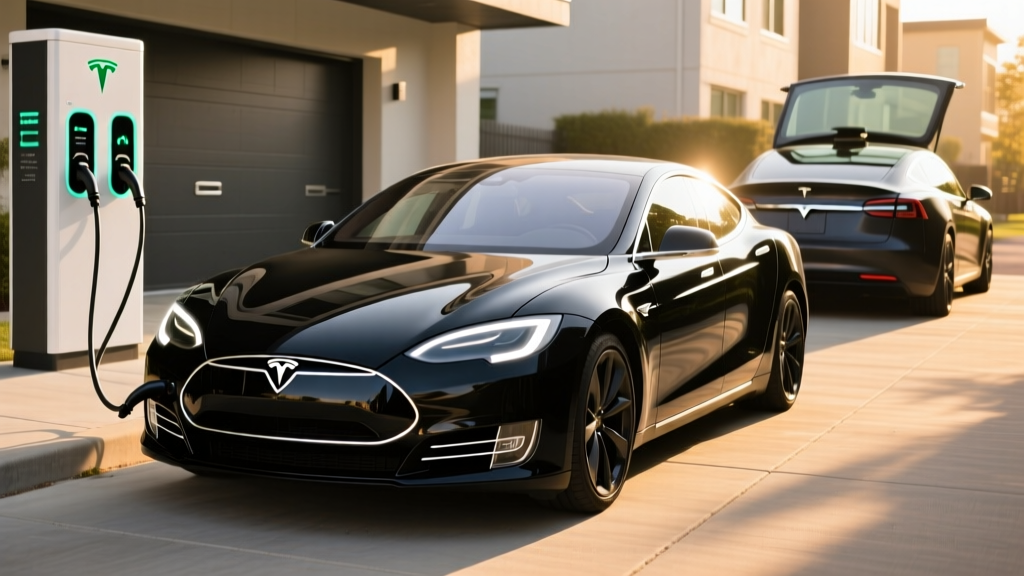
At home on a Level 2 wall connector (48 amps / 11.5 kW), the Model S Signature recovers about 44 miles of range per hour. A full charge from near-empty takes roughly 9 hours, which works well for overnight charging on a standard 60-amp circuit. Home installation costs for a Tesla Wall Connector typically run $500-$1,500 depending on panel proximity and local permitting — consult a licensed electrician for your specific situation.
For non-Tesla DC charging (Electrify America, EVgo, ChargePoint), the Model S uses the Tesla NACS connector natively. As of 2026, most major networks have deployed NACS cables, though CCS-to-NACS adapters are available if you encounter older stations.
Performance and Driving Dynamics
The Model S Signature's dual-motor all-wheel-drive system produces 670 horsepower and launches the sedan from 0-60 mph in 3.1 seconds. That figure places it firmly in sports-car territory despite the car's 4,800-pound curb weight. The instant torque delivery from both motors — without a transmission to shift — makes the acceleration feel even more urgent than the numbers suggest.
The adaptive air suspension (standard on all Model S trims) provides adjustable ride height and damping. In Comfort mode, the ride quality is supple enough for daily commuting; in Sport mode, body roll tightens noticeably for canyon roads. The steering is precise but numb — a common criticism of Tesla's electric power steering calibration — and the regenerative braking is strong enough for one-pedal driving in most conditions.
For buyers considering the Plaid trim (1,020 hp, 0-60 in 1.99s, ~$89,990): the performance delta is dramatic but comes with a range penalty (396 miles EPA) and a higher price. Most drivers will find the Signature's 3.1-second sprint more than adequate for highway merging and passing.
Interior, Tech, and Cargo Practicality
The Model S interior remains a polarizing topic among luxury sedan buyers. The 17-inch landscape touchscreen dominates the dashboard and handles nearly every vehicle function — climate, navigation, media, vehicle settings, and even the glovebox release. There are no physical buttons for HVAC or audio volume, which frustrates some owners but keeps the dash visually clean. The 12.3-inch driver display and optional rear-seat 8-inch screen round out the infotainment hardware.
Build quality has improved substantially since the 2021 refresh, with tighter panel gaps, better sound deadening, and ventilated front seats that were previously absent. The yoke steering wheel remains standard, though a conventional round wheel is available at no cost. Rear-seat legroom measures 35.4 inches — adequate for adults on shorter trips but tighter than a BMW i7 or Mercedes EQS for extended travel.
Cargo capacity is a genuine advantage: 28.0 cubic feet behind the rear seats (liftback design makes loading easy), expanding to 79.3 cu ft with seats folded. The front trunk (frunk) adds 3.1 cu ft. For comparison, the Lucid Air offers roughly 26 cu ft total, and the Mercedes EQS sedan provides 22 cu ft. The Model S remains one of the most practical luxury sedans for hauling gear, bicycles, or luggage for family road trips.
Pricing, Tax Credits, and Ownership Cost
The 2026 Tesla Model S Signature starts at $79,990 (before destination). Common option additions include Full Self-Driving (Supervised) at $8,000, premium paint colors ($1,500-$2,500), and 21-inch Arachnid wheels ($4,500, which reduce range to approximately 373 miles EPA). A typical as-tested configuration lands between $82,000 and $95,000.
The Model S Signature does NOT qualify for the $7,500 federal EV tax credit under current IRS rules. The §30D credit has an MSRP cap of $55,000 for sedans, and the Model S at $79,990 exceeds this threshold. Additionally, the credit requires specific battery component and critical mineral sourcing that may not be met. Buyers should consult IRS.gov or a tax professional for personalized guidance. Some states offer separate EV rebates that may apply — check your state energy office for details.
| Category | Estimated Cost |
|---|---|
| Purchase Price (base) | $79,990 |
| Federal Tax Credit | $0 (exceeds MSRP cap) |
| Electricity (15k mi/yr × 5yr) | ~$3,250 |
| Insurance (avg) | ~$14,000-$18,000 |
| Maintenance (tires, cabin filter, fluid) | ~$2,500 |
| Estimated Depreciation (5yr) | ~$30,000-$38,000 |
| Total 5-Year Cost (approx.) | $100,000-$112,000 |
Insurance premiums for the Model S are notably higher than average — typically $2,800-$3,600 annually depending on your state, driving record, and coverage level. This is driven by high repair costs for Tesla's aluminum body panels and integrated structural battery pack. Always get an insurance quote before purchasing.
Tesla Autopilot and Driver Assistance
Tesla Autopilot and Full Self-Driving (Supervised) are SAE Level 2 driver-assistance systems. The driver must remain attentive, keep hands on the wheel (or demonstrate engagement via steering torque), and be prepared to take over at any moment. These systems are not self-driving and do not relieve the driver of responsibility. Only Level 4 robotaxi services (Waymo, Zoox in designated areas) operate without a human driver.
Standard Autopilot includes Traffic-Aware Cruise Control and Autosteer (lane centering on marked highways). The optional FSD (Supervised) package ($8,000) adds automatic lane changes, traffic light and stop sign recognition, Navigate on Autopilot (highway on-ramp to off-ramp), and Smart Summon. In practice, FSD performs well on well-marked divided highways but can be unpredictable in construction zones, unmapped areas, or adverse weather. It requires constant supervision.
Competitors like GM's Super Cruise and Ford's BlueCruise offer hands-free driving on pre-mapped highway sections, which some drivers find less fatiguing than Tesla's torque-based attention monitoring. However, Tesla's system covers a broader range of roads without geofencing restrictions.
Pros and Cons
- 402-mile EPA range — class-leading for a luxury sedan at this price
- Access to Tesla Supercharger network (most reliable DC network in NA)
- Exceptional cargo capacity (28 cu ft liftback + frunk)
- 3.1-second 0-60 with dual-motor AWD
- OTA software updates add features over time
- Heat pump standard (better cold-weather efficiency)
- $79,990 MSRP exceeds federal tax credit cap — no $7,500 credit
- Rear-seat legroom (35.4 in) trails German luxury competitors
- No physical climate or volume controls — touchscreen-only
- Insurance premiums significantly above segment average
- 250 kW peak DC charge rate is outpaced by 800V competitors
- Yoke steering wheel is not preferred by all drivers
Who Should Buy the Model S Signature?
- You prioritize maximum range and road-trip charging infrastructure above all else
- You need sedan practicality with genuine cargo-hauling capability (liftback + frunk)
- You value Tesla's OTA update ecosystem and software integration
- Your daily commute is under 100 miles and you can charge at home overnight
- Rear-seat comfort for adults is a priority (consider BMW i7 or Mercedes EQS)
- You want the federal tax credit (the Lucid Air Pure starts under $55K and may qualify)
- You prefer physical controls and traditional luxury interior materials (Genesis Electrified G80)
- You need 350+ kW DC charging speeds (Hyundai Ioniq 5, Porsche Taycan on 800V architecture)
Frequently Asked Questions
What is the real-world range of the Tesla Model S Signature?
The EPA rates it at 402 miles. Real-world highway driving at 70-75 mph typically yields 340-360 miles. In cold weather below freezing, expect 280-310 miles. City driving with regenerative braking can sometimes exceed the EPA estimate in mild temperatures.
How fast does the Model S Signature charge at home and on road trips?
On a home Level 2 charger (11.5 kW / 48A), it adds roughly 44 miles of range per hour, charging fully overnight in about 9 hours. On a 250 kW Tesla Supercharger, a 10-80% session takes approximately 30 minutes, adding roughly 200 miles in 15 minutes at peak rate.
Does the Model S Signature qualify for the $7,500 federal EV tax credit?
No. Under current IRS §30D rules, the federal tax credit has a $55,000 MSRP cap for sedans. The Model S Signature at $79,990 exceeds this limit. State-level incentives may still apply depending on your jurisdiction.
How does the Model S Signature compare to the Lucid Air Grand Touring?
The Lucid Air Grand Touring offers more range (516 miles EPA), a more luxurious interior, and faster 900V DC charging (~300 kW peak), but starts at roughly $112,000 — over $30,000 more. The Model S Signature wins on cargo space, Supercharger network access, and price. The Air wins on rear-seat room, interior materials, and peak efficiency (131 MPGe).
What is the battery warranty on the Model S Signature?
Tesla covers the battery and drive unit for 8 years or 150,000 miles, whichever comes first, with a minimum 70% capacity retention threshold. This is one of the more generous warranties in the segment, and Tesla's NMC battery packs have historically shown low degradation rates — typically 5-10% over the first 100,000 miles based on owner-reported data.
Is the Model S Signature worth buying in 2026 vs. competitors?
It remains the best value in a 400+ mile luxury electric sedan if you prioritize range, Supercharger access, and cargo versatility. If rear-seat luxury, hands-free Level 2 highway driving (Super Cruise), or the federal tax credit matter more, the BMW i7, Mercedes EQS, or Lucid Air Pure are strong alternatives. Test-drive all three before deciding.