Quick Verdict: The Model S Raven at a Glance
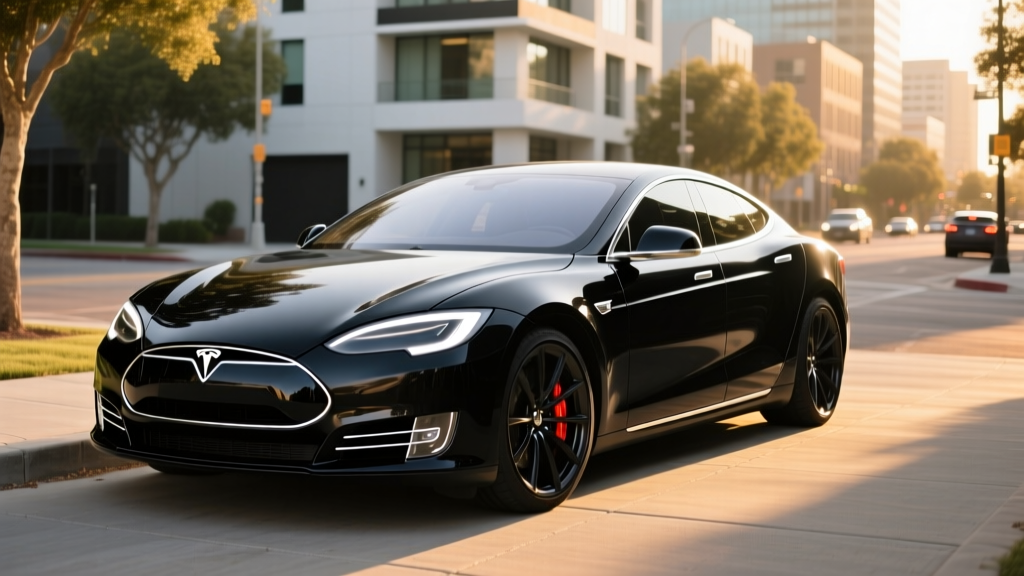
The Tesla Model S Raven represents a pivotal moment in Tesla's engineering history. Introduced in April 2019, the "Raven" powertrain swap replaced the older 90D/100D induction-motor front axle with the more efficient permanent-magnet reluctance motor from the Model 3. The result was a meaningful bump in range, efficiency, and ride comfort thanks to standard adaptive air suspension. For 2026 used-EV shoppers, the Raven-era Model S (model years 2019-2020) offers flagship luxury-sedan performance at a fraction of its original $75,000-$100,000+ sticker — but buyers need to understand exactly what they're getting in terms of battery health, charging capability, and federal incentive eligibility on the secondary market.
This review covers the Long Range, Long Range Plus, Standard Range, and Performance variants that carried the Raven architecture before Tesla's 2021 "Palladium" refresh redesigned the interior and powertrain.
| Spec | Long Range (2019) | Long Range Plus (2020) | Performance (2019-2020) |
|---|---|---|---|
| EPA Range | 370 mi | 402 mi | 348 mi |
| Battery (usable) | ~95 kWh (NMC) | ~95 kWh (NMC) | ~95 kWh (NMC) |
| Drivetrain | Dual Motor AWD | Dual Motor AWD | Dual Motor AWD |
| Horsepower | ~422 hp | ~422 hp | ~534 hp (w/ Ludicrous) |
| 0-60 mph | 4.1 sec | 3.7 sec | 2.4 sec (Ludicrous) |
| Efficiency (EPA) | 111 MPGe / 30 kWh/100mi | 121 MPGe / 28 kWh/100mi | 101 MPGe / 33 kWh/100mi |
| Max DC Fast Charge | 200 kW (via update) | 200 kW | 200 kW |
| Level 2 Home Charge | 11.5 kW (~34 mi/hr) | 11.5 kW (~34 mi/hr) | 11.5 kW (~34 mi/hr) |
| Original MSRP | $79,990 | $74,990 | $99,990 |
| 2026 Used Price (est.) | $30,000-$38,000 | $33,000-$42,000 | $38,000-$50,000 |
Real-World Range: What to Actually Expect
EPA Sticker: 370 mi (Long Range) / 402 mi (Long Range Plus) / 348 mi (Performance)
Real-World Highway (70 mph, mild weather): ~310-340 mi (Long Range) / ~340-370 mi (Long Range Plus)
Real-World Highway (cold, 30°F or below): ~250-290 mi (Long Range) / ~280-310 mi (Long Range Plus)
City/Mixed Driving: Closer to EPA figures; regen braking recovers energy in stop-and-go traffic
The Model S Raven's EPA-estimated range was class-leading when it launched. The Long Range Plus variant's 402-mile rating made it the first production EV to break the 400-mile barrier. However, the EPA test cycle favors lower-speed, mixed driving with generous regeneration opportunities.
On sustained highway runs at 70-75 mph, expect to lose roughly 15-18% from the EPA sticker in mild temperatures (60-80°F). The Model S's large frontal area and sedan proportions create meaningful aerodynamic drag at highway speeds compared to slower city driving. In winter conditions, the loss compounds: cold battery chemistry reduces available capacity, cabin heating draws significant power (the Raven uses resistive PTC heating, not a heat pump), and denser cold air increases drag. Budget for 25-35% range reduction in sub-freezing highway driving.
For a Long Range Plus owner in a temperate climate, a realistic daily usable range with a 10-90% state-of-charge window (recommended for NMC batteries) is approximately 300-330 miles. That's still exceptional for road trips, but plan charging stops accordingly in winter.
Battery Chemistry, Capacity, and Longevity
Every Model S Raven uses a ~100 kWh gross battery pack (~95 kWh usable) built with Panasonic NMC (nickel-manganese-cobalt) cells. This is not the LFP (lithium iron phosphate) chemistry found in some newer Model 3/Y Standard Range vehicles. NMC offers higher energy density — critical for fitting 400 miles of range into a sedan — but requires more careful state-of-charge management.
NMC ownership best practices:
- Set daily charge limit to 80-90% (not 100%) to slow degradation
- Avoid leaving the car at very low SoC (below 10%) for extended periods
- Occasional 100% charges before road trips are fine — just don't let it sit full for days
- Use scheduled departure charging to minimize time at high SoC
Based on fleet data from sources like Tesla owner surveys, Model S/X 100 kWh packs typically show 8-12% degradation at 100,000 miles, with the steepest drop in the first 20,000-30,000 miles before leveling off. A 2019 Raven with 70,000 miles might realistically retain 88-92% of original capacity — translating to roughly 325-370 miles at full charge for the Long Range Plus, depending on how the previous owner treated it.
Always check the battery's State of Health (SoH) before purchasing a used Raven. Third-party services like TeslaFi or Recurrent Auto can provide degradation reports. The in-car energy graph also shows projected range at 100% — compare this to the original EPA figure to estimate degradation.
Charging Speed: DC Fast Charging and Home Level 2
Charging speed is where the Raven generation shows its age relative to 2026 EVs built on 800-volt architectures. The Model S Raven charges via a 400-volt system with a peak DC fast-charge rate of 200 kW — an improvement over the pre-Raven 120 kW cap, delivered via a software update in late 2019.
| Charging Level | Power (kW) | Speed | Notes |
|---|---|---|---|
| Level 1 (120V outlet) | ~1.4 kW | ~4 mi/hr | Emergency/trickle only |
| Level 2 (240V, 48A Wall Connector) | 11.5 kW | ~34 mi/hr | Full charge in ~9 hours |
| Level 2 (240V, 32A mobile connector) | 7.7 kW | ~23 mi/hr | Standard NEMA 14-50 outlet |
| DC Fast (Tesla Supercharger V3) | Peak 200 kW | 10-80% in ~35 min | Tapers significantly above 60% |
| DC Fast (Tesla Supercharger V2) | Peak 150 kW | 10-80% in ~45 min | Older stations, shared stalls |
| DC Fast (CCS adapter, third-party) | Up to 150 kW | Varies by station | Requires Tesla CCS adapter (~$175) |
The 10-80% DC fast-charge time of roughly 35 minutes on a V3 Supercharger is acceptable for road trips but trails newer platforms. The Hyundai Ioniq 5 and Porsche Taycan, for instance, achieve 10-80% in approximately 18-22 minutes thanks to higher peak rates and flatter charge curves. The Raven's charge curve peaks early (around 30-40% SoC) and tapers progressively — by 70% SoC, you're typically pulling under 80 kW.
For home charging, the Raven's onboard charger accepts up to 11.5 kW on a 48-amp Level 2 circuit (requiring a 60-amp breaker). This adds roughly 34 miles of range per hour, meaning a depleted battery fully replenishes overnight in about 9 hours. If your home electrical panel supports it, a Tesla Wall Connector is the most seamless option. Installation typically runs $500-$2,000 depending on panel proximity and local permitting, on top of the ~$475 hardware cost.
Critical note for used buyers: The Model S uses Tesla's proprietary connector for Supercharging. To access CCS networks (Electrify America, EVgo, third-party chargers), you'll need Tesla's CCS adapter, which Tesla began selling to legacy Model S/X owners. Verify the vehicle's firmware supports CCS adapter functionality — most Ravens updated to 2022+ software do.
Performance: Acceleration, Handling, and Ride Quality
The Raven powertrain transformed the Model S from a fast luxury sedan into something bordering on supercar territory, particularly in Performance guise with Ludicrous Mode.
Long Range / Long Range Plus: The front permanent-magnet motor (from the Model 3) paired with the rear induction motor delivers approximately 422 hp and a 0-60 mph time of 3.7-4.1 seconds. The dual-motor AWD system provides confident traction in rain and light snow, with torque vectoring that makes the car feel planted through corners despite its ~4,900-lb curb weight.
Performance (with Ludicrous): 534 hp and a 2.4-second 0-60 mph time. This was the quickest production sedan in the world when it launched. The launch is genuinely startling — full acceleration from a stoplight will pin you to the seat. Sustained high-speed performance is strong but not infinite; repeated hard launches will thermally limit the battery and motors.
The Raven's standout mechanical upgrade was the standard adaptive air suspension. Pre-Raven Model S versions had air suspension as an option; the Raven made it standard and recalibrated the damping for a noticeably smoother ride over bumps and highway imperfections. At highway speeds, the car lowers itself for reduced drag. You can also manually raise it for steep driveways or rough roads. Ground clearance ranges from approximately 4.6 inches (low) to 6.3 inches (high).
Interior, Cargo, and Technology
The Raven-era Model S interior is where the car's age shows most clearly relative to the 2021+ Palladium refresh and competitors like the Lucid Air or Mercedes EQS. The pre-refresh cabin uses a portrait-oriented 17-inch touchscreen, a traditional instrument cluster behind the steering wheel, and materials that — while improved over early Model S years — still feature some hard plastics that don't match the price point.
Dimensions and Space:
- Cargo (rear trunk): 26.3 cu ft
- Cargo (front trunk/frunk): 5.3 cu ft
- Total cargo: 31.6 cu ft (with rear seats up)
- Cargo (rear seats folded): 58.1 cu ft
- Rear legroom: 35.4 inches
- Front headroom: 38.8 inches
- Seating: 5 passengers standard (optional rear-facing third-row jump seats on earlier years, rare on Ravens)
The cargo capacity is genuinely practical for a sedan — the liftback design opens the entire rear, making it easy to load bulky items. The frunk adds space for charging cables or a small bag. However, the rear seat is tighter on legroom than a Lucid Air or even a Model 3, and the center rear seat is best for children.
Tech Highlights:
- 17-inch portrait touchscreen with navigation, media, and vehicle controls
- Over-the-air software updates (Tesla continues updating Ravens through 2026)
- Autopilot basic (adaptive cruise, lane centering) — SAE Level 2 driver-assist, not self-driving
- Full Self-Driving (FSD) Supervised available as a paid upgrade — still Level 2, requires active driver attention
- Premium audio: 12-speaker system (pre-refresh, not the 22-speaker Palladium system)
- HEPA air filtration with Bioweapon Defense Mode
- Phone-as-key via Bluetooth
Used Pricing, Tax Credits, and Total Cost
As of early 2026, a used Tesla Model S Raven typically trades between $30,000 and $50,000 depending on trim, mileage, condition, and battery health. This represents a steep depreciation from the original $75,000-$100,000+ MSRP, which is good news for buyers but stung original owners.
| Item | Long Range | Long Range Plus | Performance |
|---|---|---|---|
| Original MSRP (2019-2020) | $79,990 | $74,990 | $99,990 |
| 2026 Used Price Range | $30,000-$38,000 | $33,000-$42,000 | $38,000-$50,000 |
| Used EV Tax Credit (§25E) | Up to $4,000 (see eligibility below) | ||
| Effective Price After Credit | $26,000-$34,000 | $29,000-$38,000 | $34,000-$46,000 |
Federal Tax Credit — Used EV (§25E): The Model S Raven is NOT eligible for the new-vehicle §30D credit (which requires MSRP under $55,000 for sedans and current-year battery sourcing rules). However, it may qualify for the §25E Previously-Owned Clean Vehicle Credit, which provides up to $4,000 or 30% of the sale price (whichever is less). Key requirements per the IRS:
- Sale price must be $25,000 or less — this disqualifies most Ravens, which sell above $25,000
- Buyer income cap: $75,000 single / $112,500 head of household / $150,000 joint
- Vehicle must be at least 2 model years old (Ravens qualify)
- Must purchase from a licensed dealer (not private party)
- Credit can be transferred at point of sale as a price reduction
The $25,000 sale-price cap is the critical barrier. Most Model S Ravens in decent condition sell for $30,000+, meaning the used EV credit will not apply unless you find a high-mileage or cosmetically challenged example priced at or below the cap. Always confirm eligibility with a tax professional before relying on this credit.
Ownership Costs Beyond Purchase:
- Insurance: Model S premiums run higher than average — expect $2,000-$3,500/year depending on location, age, and driving record. Get quotes before buying.
- Electricity: At $0.14/kWh national average, a full 95 kWh charge costs ~$13.30, yielding roughly $0.04-$0.05/mile — dramatically cheaper than gasoline.
- Maintenance: No oil changes, minimal brake wear (regen does most braking). Budget for cabin air filter replacement (~$150-200 every 2 years), tire rotation, and wiper fluid. Tires are the major wear item — expect $1,200-$1,800 for a set of 19- or 21-inch EV-rated tires every 30,000-40,000 miles.
- Out-of-warranty repairs: The Raven is out of its original 4-year/50,000-mile bumper-to-bumper warranty. Drive unit or air suspension repairs can cost $2,000-$5,000+. An extended warranty or third-party EV service plan is worth considering.
Warranty Coverage (Original and Remaining)
Tesla's original warranty for the Model S Raven was:
- Bumper-to-bumper: 4 years / 50,000 miles (expired on all Ravens by 2024)
- Battery and drive unit: 8 years / 150,000 miles, whichever comes first, with minimum 70% capacity retention
As of 2026, a 2019 Raven still has battery/drive unit warranty coverage through April 2027 or 150,000 miles. A 2020 Raven is covered through approximately 2028. This is significant: if the battery degrades below 70% of original capacity (measured by Tesla's diagnostic tools), Tesla will repair or replace it under warranty. If you're buying a Raven with under 120,000 miles, you likely still have meaningful powertrain coverage remaining.
However, the air suspension, touchscreen, window regulators, and other non-powertrain components are out of warranty. Budget for potential repairs on these items. The MCU1 (original media control unit) in early Ravens was known for screen delamination and yellowing — Tesla offered a recall replacement program, but verify whether a specific vehicle was serviced.
Pros, Cons, and Who Should Buy
Pros
- Class-leading EPA range (370-402 mi) even by 2026 standards
- Supercharger network access — the most reliable DC fast-charging network in North America
- Supercar-level acceleration (Performance: 2.4 sec 0-60)
- Standard adaptive air suspension for a refined ride
- Continued OTA software updates from Tesla
- Large cargo area with practical liftback design
- Remaining battery/drive unit warranty (8yr/150k mi)
Cons
- Pre-refresh interior feels dated vs. 2021+ Palladium and competitors
- 200 kW peak DC charging trails 350 kW competitors (Taycan, Ioniq 5)
- No heat pump — resistive heating hurts winter range
- Insurance premiums are elevated for the Model S
- Most used examples exceed the $25,000 cap for the §25E used-EV credit
- Rear seat legroom is modest for a full-size luxury sedan
- Out-of-warranty air suspension and electronics repairs can be costly
- CCS adapter required for non-Tesla DC fast-charging networks
Who the Model S Raven is best for:
- Road-trip enthusiasts who value Supercharger access and 350+ miles of real-world range
- Performance sedan buyers who want supercar acceleration at a used-car price
- Commuters with home Level 2 charging who want a comfortable, spacious daily driver
- Tech-savvy owners who appreciate OTA updates and Tesla's software ecosystem
Who should look elsewhere:
- Buyers who need a modern, luxury-grade interior (consider Lucid Air, Mercedes EQS, or a Palladium Model S)
- Those who want the fastest possible DC charging (Porsche Taycan, Hyundai Ioniq 5, Kia EV6)
- Shoppers in extreme cold climates who would benefit from a heat pump (newer EVs like the Ioniq 5 or Model Y)
- Anyone counting on the $4,000 used-EV credit — most Ravens won't qualify due to the $25,000 price cap
Frequently Asked Questions
What is the real-world range of the Tesla Model S Raven?
In mild weather with mixed driving, expect 310-370 miles depending on the trim (Long Range vs. Long Range Plus). Sustained highway driving at 75 mph reduces this by 15-18%. In cold weather (below 30°F), budget for 25-35% loss from the EPA sticker due to battery chemistry limitations, resistive cabin heating, and increased air density.
How fast does the Model S Raven charge?
On a Tesla V3 Supercharger, the Raven peaks at 200 kW and achieves a 10-80% charge in approximately 35 minutes. The charge curve tapers notably above 60% SoC. On a home Level 2 charger (48A / 11.5 kW), it adds about 34 miles per hour, fully recharging overnight in ~9 hours. For non-Tesla DC chargers, you'll need the CCS adapter, and speeds may be limited to ~150 kW depending on the station.
Does the Model S Raven qualify for any federal tax credit?
Not the new-vehicle §30D credit — the Raven was never eligible due to its MSRP exceeding the $55,000 sedan cap (a rule that took effect in 2023). The used-EV §25E credit (up to $4,000) requires a sale price of $25,000 or less, which eliminates most Ravens on the used market. If you find one priced at or below $25,000 and meet the income caps ($75k single / $150k joint), you could claim it. Always verify with a tax professional and consult IRS guidelines.
Is the Model S Raven worth buying vs. newer EVs in 2026?
It depends on priorities. If range, Supercharger access, and raw performance are your top criteria, a $33,000-$42,000 Long Range Plus is a compelling value — you get 400+ EPA miles and 3.7-second 0-60 for less than a new Model 3 Long Range. If you prioritize a modern interior, faster charging, a heat pump, or ADAS features, newer options like the Hyundai Ioniq 6, BMW i5, or a refreshed Model S (2021+) may serve you better, albeit at higher prices.
What should I check before buying a used Model S Raven?
Request a battery health report (State of Health percentage) from Tesla or a third-party service. Verify remaining battery/drive unit warranty (8 years / 150,000 miles from original in-service date). Check whether the MCU1 screen recall was performed. Inspect the air suspension for leaks or slow response. Review service records for drive unit replacements. And get an insurance quote before committing — premiums vary significantly by driver profile and location.
How does the Raven differ from the pre-Raven Model S?
The Raven replaced the front induction motor with a permanent-magnet reluctance motor (from the Model 3), boosting efficiency by roughly 10% and increasing EPA range from ~335 miles (100D) to 370-402 miles. It also added standard adaptive air suspension with revised damping, improved the regenerative braking feel, and updated the interior with premium materials and a new steering wheel. The Raven is meaningfully better than a 2017-2018 Model S in almost every measurable way.