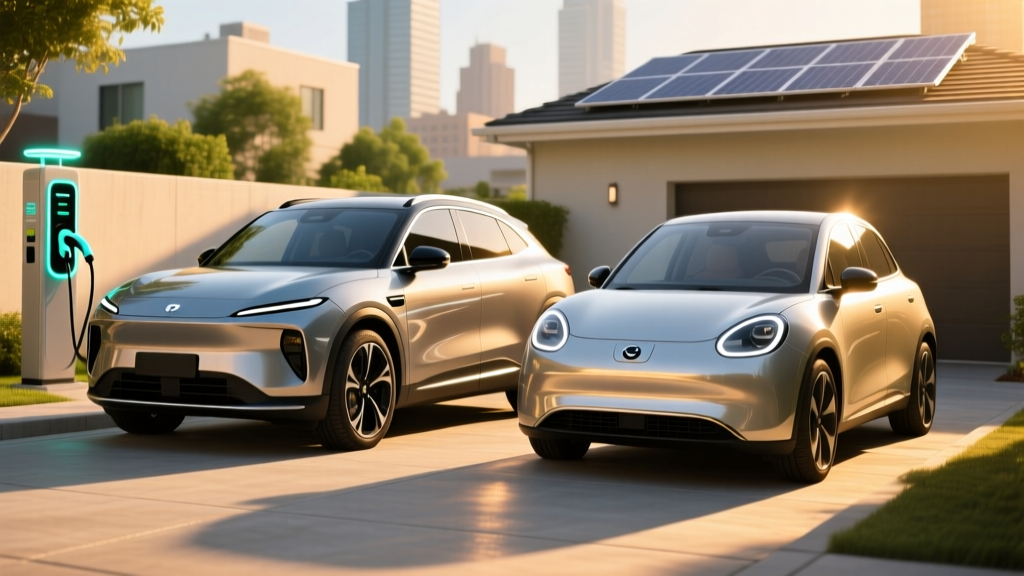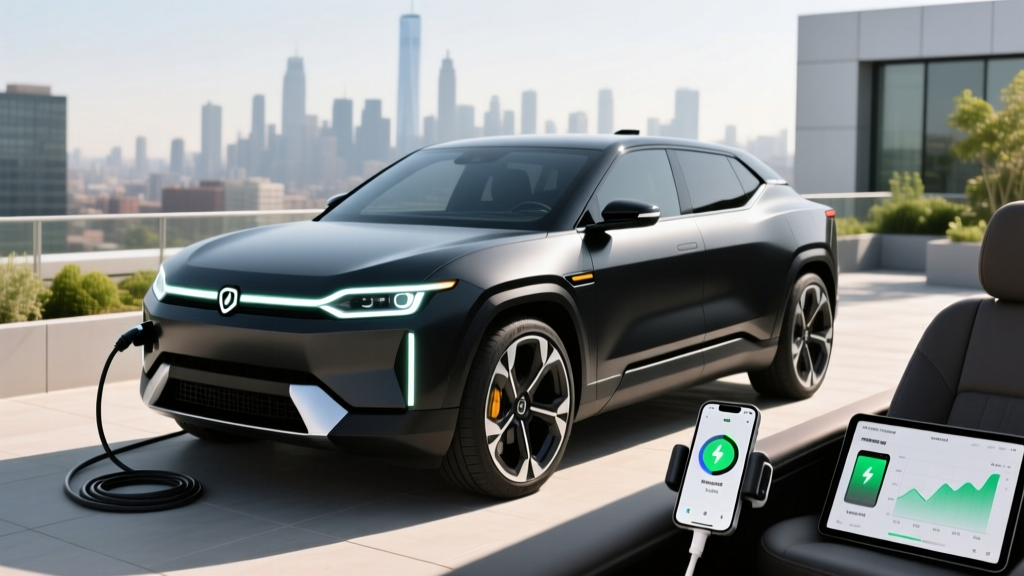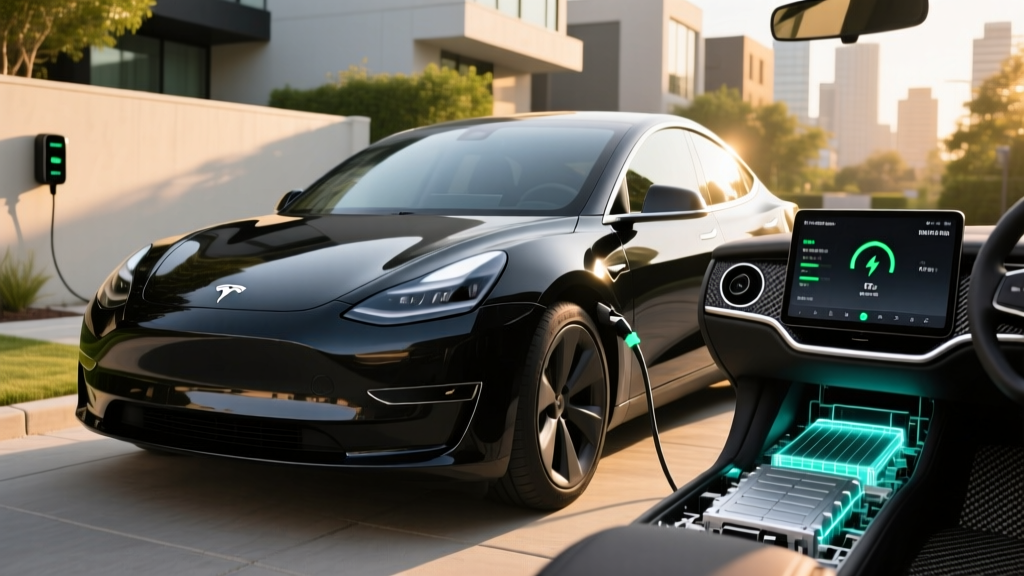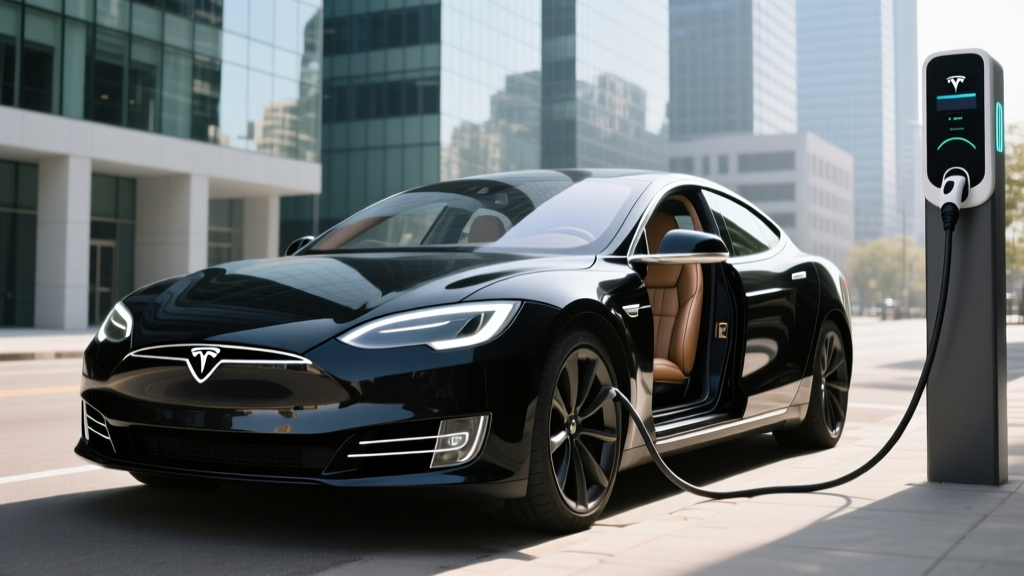
If you've been searching for Tesla Model S pictures and detailed specs to decide whether this flagship sedan still earns its place in a crowded luxury EV market, you're in the right spot. The Model S has been Tesla's halo car since 2012, but the 2024–2026 refresh (internally called the "Palladium" architecture) brought a completely redesigned powertrain, a yoke-style steering option, a rear entertainment screen, and updated battery chemistry. Below, we pair official photography context with the exact numbers buyers need: real-world range, charging curves, tax credit eligibility, and how it stacks up against the Lucid Air, Mercedes EQS, and BMW i7.
Design & Exterior: What the Pictures Actually Show
The current Model S retains the teardrop silhouette that gives it a drag coefficient of just 0.208 Cd — one of the slipperiest production sedans on the road. Recent model-year updates include a revised front fascia with a cleaner lower grille, matrix-style LED headlights, and a subtle rear diffuser. Tesla offers five exterior colors: Pearl White Multi-Coat, Solid Black, Midnight Silver Metallic, Deep Blue Metallic, and Ultra Red (a premium $2,500 option).
From the side, the flush door handles and frameless windows reinforce the aero-first design language. The 19-inch Tempest wheels are standard, while the 21-inch Arachnid wheels (a $4,500 upgrade) fill the arches more aggressively but reduce range by roughly 5–7% due to increased rolling resistance and weight. For buyers cross-shopping with the Lucid Air, the Model S rides on a slightly shorter 116.5-inch wheelbase versus the Air's 116.5 inches (identical), but the Tesla is about 2 inches shorter overall in length.
Spec Table: 2026 Tesla Model S at a Glance
| Specification | Model S Long Range | Model S Plaid |
|---|---|---|
| EPA Range | 402 miles | 396 miles |
| Battery Capacity (usable) | ~100 kWh (NMC) | ~100 kWh (NMC) |
| Drivetrain | Dual Motor AWD | Tri Motor AWD |
| Horsepower | 670 hp | 1,020 hp |
| 0–60 mph | 3.1 seconds | 1.99 seconds |
| Top Speed | 155 mph | 200 mph |
| Max DC Fast Charge | 250 kW | 250 kW |
| 10–80% DC Charge Time | ~30 minutes | ~30 minutes |
| Level 2 Home Charge Rate | 11.5 kW (~41 mi/hr) | 11.5 kW (~41 mi/hr) |
| MPGe (combined) | 120 MPGe | 116 MPGe |
| Energy Consumption | 28 kWh/100 mi | 29 kWh/100 mi |
| Cargo Volume (rear + frunk) | 28 cu ft (rear) + 3.1 cu ft (frunk) | 28 cu ft (rear) + 3.1 cu ft (frunk) |
| Rear Legroom | 41.7 inches | 41.7 inches |
| Curb Weight | 4,561 lbs | 4,766 lbs |
| Base MSRP | $74,990 | $89,990 |
| Battery/Drive Unit Warranty | 8 years / 150,000 miles | 8 years / 150,000 miles |
Source: EPA / fueleconomy.gov, Tesla.com specifications (2026 model year).
Real-World Range: Beyond the EPA Sticker
EPA Estimate: 402 miles (Long Range) / 396 miles (Plaid)
Expected Highway (70–80 mph): ~330–350 miles
Expected Cold Weather (below 30°F): ~280–320 miles
Mixed Commute (city + suburban): ~370–395 miles
The Model S Long Range's 402-mile EPA rating remains one of the highest of any production EV sold in the U.S., trailing only the Lucid Air Grand Touring (516 miles EPA). However, EPA testing uses relatively low average speeds and includes regenerative braking in city cycles. In real-world highway driving at 75 mph, expect roughly 330–350 miles before needing to stop. The Model S's heat pump (standard since the Palladium refresh) significantly reduces cabin-heating energy draw in winter, but battery chemistry still loses efficiency in cold temperatures — plan for 25–30% range reduction in sub-freezing conditions.
The ~100 kWh usable battery pack uses nickel-manganese-cobalt (NMC) chemistry, chosen for its high energy density. Unlike Tesla's LFP (lithium iron phosphate) packs in the Model 3 Standard Range, NMC cells benefit from staying between 20–80% state of charge for daily use. Tesla recommends charging to 100% only for long trips. The battery management system includes a robust thermal preconditioning system that warms or cools the pack automatically when a Supercharger is set as the navigation destination — this is critical for achieving peak charge rates.
Charging Speed: DC Fast Charge & Home Level 2
| Charging Method | Power / Rate | Time / Miles Added |
|---|---|---|
| Level 1 (120V household outlet) | ~1.4 kW | ~4 miles per hour |
| Level 2 (240V, 48A Wall Connector) | 11.5 kW | ~41 miles per hour |
| DC Fast Charge (Tesla Supercharger V3/V4) | Peak 250 kW | 10–80% in ~30 min; ~200 mi in 15 min |
| DC Fast Charge (CCS adapter, non-Tesla) | Peak ~200–250 kW | Varies by station; similar curve |
The Model S peaks at 250 kW on Tesla's V3 and newer V4 Superchargers. However, as with all EVs, peak rate is not sustained rate. The charging curve holds near 250 kW from roughly 10–30% state of charge, then steps down to ~150 kW through 50%, and further tapers above 80%. A 10–80% session takes approximately 30 minutes under ideal conditions (preconditioned battery, warm ambient temperature, uncapped Supercharger).
At home, the Tesla Wall Connector at 48 amps delivers 11.5 kW, adding roughly 41 miles of range per hour of charging. An overnight charge (8–10 hours) easily refills the entire pack. Installation typically requires a 60-amp dedicated circuit. If your home has a 200-amp electrical panel with limited spare capacity, you may need a panel upgrade ($1,500–$3,500) — get a quote from a licensed electrician before purchasing equipment.
Tesla includes its proprietary NACS connector natively. With Tesla opening the Supercharger network to other brands, the Model S can also use CCS-equipped public chargers via Tesla's CCS adapter (sold separately, ~$250), though charge speeds on third-party networks like Electrify America may vary depending on station capability.
Performance & Driving Dynamics
The Long Range's dual-motor all-wheel-drive setup produces 670 horsepower and achieves a 3.1-second 0–60 mph time — quicker than most sports cars and entirely adequate for any real-world driving scenario. The Plaid variant's tri-motor configuration (one front, two rear) delivers 1,020 hp and a claimed 1.99-second 0–60, though achieving this requires pre-conditioned battery, drag-strip mode, and specific surface conditions.
Ride quality improved substantially with the Palladium refresh. The adaptive air suspension now offers a wider damping range, absorbing highway expansion joints with composure that earlier Model S generations lacked. Steering is precise but light — the optional Yoke steering wheel ($0 cost but controversial) removes the upper rim for better screen visibility but requires adaptation for low-speed parking maneuvers. Most reviewers and owners recommend the standard round wheel for daily driving.
NVH (noise, vibration, harshness) has been a Tesla weakness historically, but the current Model S features acoustic glass and additional sound deadening. At 70 mph, cabin noise is competitive with the Mercedes EQS, though the Lucid Air still edges ahead in ride isolation.
Interior, Cargo & Technology
The cabin centers on a 17-inch landscape-oriented touchscreen running Tesla's proprietary infotainment OS. The Palladium interior uses vegan leather upholstery, real aluminum or carbon fiber trim, and ambient lighting. A second 8-inch screen for rear passengers handles climate controls and entertainment (Netflix, YouTube, gaming via the car's built-in GPU — yes, you can play Cyberpunk 2077 while parked).
Cargo space: The rear hatch opens to reveal 28 cubic feet behind the second row, expanding to 79 cu ft with seats folded (60/40 split). The front trunk (frunk) adds 3.1 cu ft — enough for a charging cable kit and a small bag. Compared to the Lucid Air's 32 cu ft rear and the BMW i7's 17.7 cu ft conventional trunk, the Model S hatch design offers superior practicality for bulky items.
Driver assistance: Tesla's Autopilot comes standard and includes adaptive cruise control, lane-keeping assist, and automatic emergency braking. Full Self-Driving (Supervised) is a $8,000 add-on that adds city-street navigation, automatic lane changes, and traffic-light recognition.
Tesla Autopilot and FSD (Supervised) are SAE Level 2 driver-assistance systems. The driver must remain fully attentive, keep hands on the wheel (or demonstrate engagement via the steering torque sensor), and be prepared to take over instantly. These systems do NOT make the vehicle autonomous. Only Level 4 services like Waymo operate without a driver in defined areas.
Pricing, Trims & Federal Tax Credit Eligibility
| Trim | Base MSRP | Est. As-Tested (common options) | Federal §30D Tax Credit |
|---|---|---|---|
| Model S Long Range | $74,990 | $79,000–$85,000 | Not eligible (MSRP cap: $55,000 for sedans) |
| Model S Plaid | $89,990 | $95,000–$105,000 | Not eligible (MSRP cap: $55,000 for sedans) |
The Tesla Model S does not qualify for the federal §30D new clean vehicle tax credit (up to $7,500). Under current IRS rules, sedans with an MSRP above $55,000 are ineligible, and both Model S trims exceed this cap substantially. Additionally, the credit has adjusted gross income limits ($150,000 single / $300,000 joint filers) and battery critical-mineral sourcing requirements. Even if the MSRP cap were lifted, buyers would need to verify income eligibility and Tesla's battery supply-chain compliance for the specific model year.
For buyers seeking a Tesla with federal credit eligibility, the Model 3 and Model Y (SUV MSRP cap: $80,000) are the current qualifying options. Some states offer additional incentives for EV purchases regardless of MSRP — check your state's energy office or the AFDC state incentive database for local programs.
Pros & Cons
- 402-mile EPA range — among the longest of any EV sedan
- Access to Tesla's Supercharger network (17,000+ stalls in North America)
- Class-leading performance (3.1s Long Range, 1.99s Plaid)
- Over-the-air updates continuously add features
- Hatchback cargo versatility (28 cu ft + frunk)
- Excellent efficiency: 120 MPGe combined
- No federal tax credit (MSRP exceeds $55K sedan cap)
- Interior fit/finish still trails Mercedes EQS and Lucid Air
- Yoke steering controversial; limited service center availability in some regions
- 250 kW max charge rate trails 800V competitors (Hyundai Ioniq 5: 350 kW peak)
- No Apple CarPlay or Android Auto — Tesla-only ecosystem
- Insurance costs run 20–40% above comparable luxury sedans
How It Compares: Model S vs. Key Rivals
vs. Lucid Air Pure / Grand Touring: The Air Grand Touring offers 516 miles EPA (vs. 402) and a more luxurious interior, but starts at ~$125,600 (Grand Touring) versus the Model S at $74,990. The Air Pure ($69,900, 419 mi EPA) is the closest price competitor but offers 480 hp and a slower 10–80% charge. Tesla's Supercharger network remains a significant practical advantage for road-trip charging reliability.
vs. Mercedes-Benz EQS 450+: The EQS delivers a quieter, more traditionally luxurious cabin and 390 miles EPA, but at ~$104,400 MSRP and with slower 200 kW peak DC charging. The Model S is quicker, more efficient, and over $29,000 cheaper at the base level.
vs. BMW i7 eDrive50: The i7 starts around $105,700 with 318 miles EPA. It's a larger, more opulent sedan aimed at chauffeur-driven comfort rather than driver engagement. The Model S wins on range, performance, and value; the i7 wins on rear-seat luxury and traditional dealership service.
Who Should Buy the Tesla Model S?
The Model S is best suited for buyers who want maximum range and performance in a sedan footprint, rely on road-trip charging infrastructure (Tesla's Supercharger network is the most reliable in the U.S.), and are comfortable with Tesla's direct-to-consumer service model. It works well as a primary vehicle for tech-forward professionals, dual-income households with home charging access, and driving enthusiasts who want supercar acceleration with daily-driver practicality.
It's not ideal for buyers who prioritize traditional luxury dealership experiences, need the absolute quietest cabin (look at the EQS), want federal tax credit assistance, or prefer Apple CarPlay integration. If budget is a primary concern, the Tesla Model 3 Long Range ($42,490, 363 mi EPA, tax-credit eligible) delivers 80% of the experience at 56% of the price.
Frequently Asked Questions
What is the real-world range of the Tesla Model S?
The EPA rates the Model S Long Range at 402 miles and the Plaid at 396 miles. In real-world highway driving at 70–80 mph, expect 330–350 miles. In cold weather (below 30°F), range drops to approximately 280–320 miles due to battery chemistry limitations and cabin heating demand, even with the heat pump.
How fast does the Model S charge at home and on the road?
On a Tesla Wall Connector (Level 2, 11.5 kW), the Model S gains about 41 miles of range per hour — a full overnight charge refills the pack. On a 250 kW Tesla Supercharger, a 10–80% session takes approximately 30 minutes with a preconditioned battery. Peak rate is not sustained; the curve tapers significantly above 50% state of charge.
Does the Tesla Model S qualify for the federal EV tax credit?
No. Under current IRS §30D rules, sedans with an MSRP above $55,000 are ineligible. The Model S starts at $74,990, exceeding the cap. Buyers may qualify for state-level incentives — check local programs.
How much does the Model S cost after incentives?
The Long Range starts at $74,990 and the Plaid at $89,990, plus a $1,390 destination fee. With common options (premium paint, FSD, larger wheels), expect $79,000–$105,000 out the door. No federal credit applies. Some states offer rebates or HOV lane access regardless of MSRP.
Is the Tesla Model S worth buying vs. the Lucid Air or Mercedes EQS?
Yes, if you value range-per-dollar, Supercharger network access, and acceleration. The Lucid Air offers more range and a better interior but costs significantly more. The EQS is quieter and more luxurious but slower-charging and pricier. The Model S remains the performance-and-efficiency value leader in the luxury EV sedan segment.
What is the battery warranty on the Model S?
Tesla covers the battery and drive units for 8 years or 150,000 miles (whichever comes first), with a minimum 70% capacity retention guarantee over that period. This is competitive with the industry standard (most luxury EVs offer 8 years/100,000 miles), and Tesla's 150,000-mile threshold is among the most generous.